
Choosing the right acrylic paint brush set requires balancing your current technical proficiency with your preferred painting style and the physical properties of acrylic mediums. Unlike watercolors or oils, acrylic paint relies on a fast-drying plastic polymer emulsion that demands specific brush characteristics to ensure smooth application and long-term durability. By matching your brush selection to your skill level—whether you are a beginner exploring basic strokes or an advanced artist refining complex layering techniques—you can avoid costly purchasing mistakes and build a highly functional toolkit. The ideal choice hinges on understanding how synthetic and natural bristles interact with different paint viscosities, how various brush shapes facilitate specific marks, and how to spot quality construction before making an investment.
Understanding Acrylic Brush Materials and Anatomy
Synthetic bristles, typically made from nylon, polyester, or proprietary blends of both, are the industry standard for acrylic painting. Acrylic paint is highly alkaline, containing synthetic resins suspended in water. This alkaline environment, combined with frequent washing, quickly strips the natural oils from delicate animal hairs like sable, causing them to become brittle, split, and lose their shape. Synthetic fibers, by contrast, are highly resistant to chemical degradation, retain their structural integrity when wet, and offer a characteristic “snap”—the ability of the bristles to spring back immediately to their original shape after a stroke.
While synthetics dominate, natural hog bristle brushes serve a distinct and valuable purpose in heavy-body acrylic painting. Sourced from wild boars, these coarse, stiff hairs feature naturally split ends that hold a significant amount of thick, viscous paint. If your style involves impasto techniques, visible brushstrokes, or heavy texturing, hog bristles provide the physical resistance needed to sculpt and push heavy-body acrylics across a canvas. However, they are generally too stiff for fluid acrylics or delicate blending work, where they can leave deep, unwanted ridges in the paint film.
Products mentioned in this guide
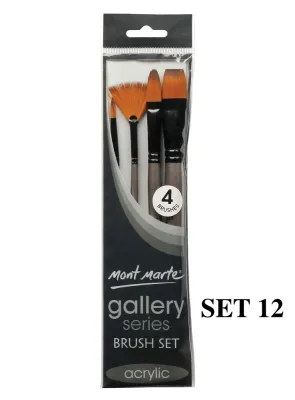
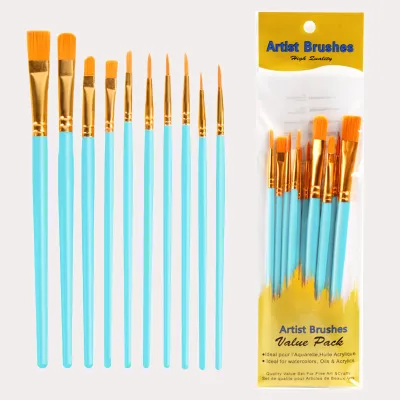
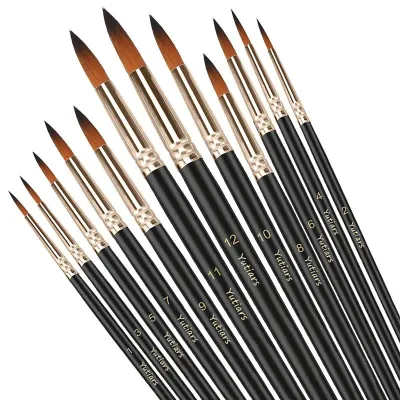
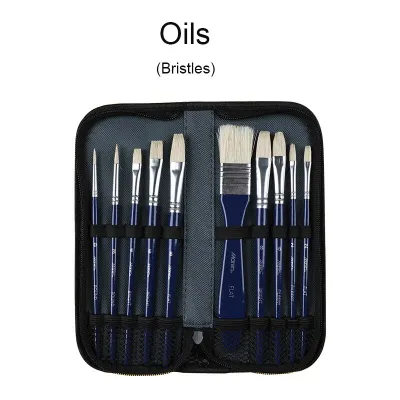
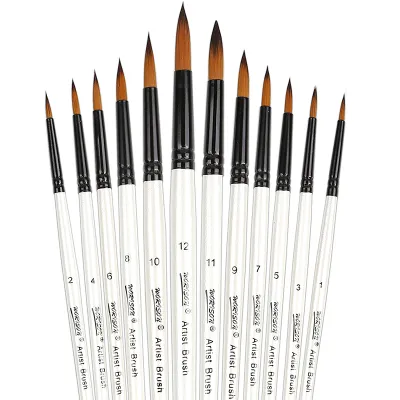
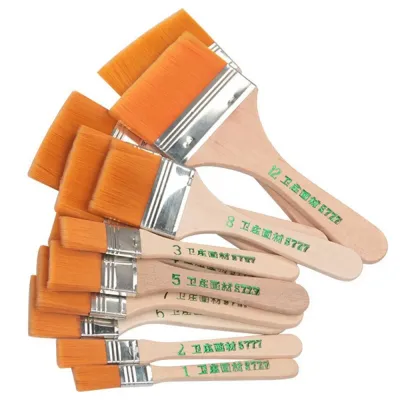
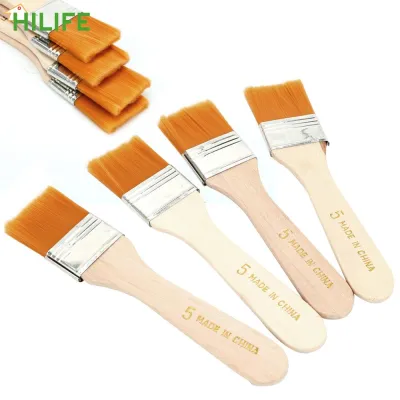
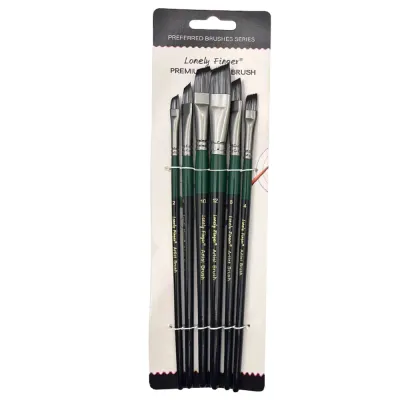
Prices are valid at publication and may change. Please refer to the product page for the latest price.
The length of the brush handle dictates your physical relationship with the canvas and your painting posture. Short handles, typically 15 to 20 centimeters, are designed for close-up, detailed work where your eyes are only a few inches from the surface, making them ideal for tabletop painting, miniatures, and botanical illustrations. Long handles, typically 25 to 30 centimeters or more, are engineered for easel painting. They allow you to stand back at arm’s length, viewing the entire composition as a whole while painting, which encourages expressive, full-arm movements rather than tight wrist actions.
Beneath the bristles lies the ferrule, the metal collar that secures the hair to the wooden or synthetic handle. When evaluating a brush set, look for seamless, double-crimped ferrules made of nickel-plated copper, brass, or aluminum. Cheap brush sets often feature thin, seamed ferrules that can warp or split under pressure. A poorly constructed ferrule allows water and acrylic binder to seep into the wooden handle, causing the wood to swell, the lacquer to crack, and the adhesive holding the bristles to dissolve, resulting in excessive shedding during painting.
Matching Brush Shapes and Sizes to Your Painting Style
The shapes of the brushes in a set directly determine the marks you can make and the efficiency of your painting process. For detail and line work, Round and Liner brushes are indispensable. Round brushes feature a circular ferrule and a pointed tip, allowing you to transition from thin lines to thicker strokes by varying your downward pressure. Liner brushes have extremely long, narrow bristles that hold a reservoir of fluid paint, enabling continuous, unbroken lines for branches, lettering, or fine outlines. When selecting these, remember that brush sizing is not standardized globally; a “Size 4” round brush from one manufacturer may be twice the physical width of a “Size 4” from another, making it essential to check physical dimensions or millimeter specifications.

For broad coverage, background washes, and smooth blending, you will rely on Flat, Wash, and Filbert brushes. Flat brushes have a rectangular profile that produces sharp, clean edges and bold, square strokes, making them excellent for geometric shapes, architectural elements, and blocking in large areas of color. Wash brushes are wider, thicker flats designed to hold a maximum volume of water and fluid acrylic, allowing you to lay down smooth, streak-free background washes without dry-brushing. Filbert brushes combine the coverage of a flat with the soft, curved edges of a round, making them the preferred choice for blending paint smoothly and rendering organic, natural forms such as flower petals, clouds, and figurative contours.
When your style demands texture, impasto, or precise control over thick paint, Bright and Angle brushes become essential tools. Bright brushes are flat brushes with shorter, stiffer bristles that offer increased resistance, allowing you to push heavy-body paint firmly into the canvas or create short, choppy strokes. Angle brushes feature bristles cut at a diagonal angle, which allows you to paint sharp corners, cut clean edges along borders, and transition smoothly from thick bands of color to razor-thin lines with a simple twist of the wrist.
To avoid purchasing unnecessary tools, map your preferred painting subjects directly to these shape categories. If your focus is landscape painting, your ideal set should be heavily weighted toward filberts, flats, and a few detail rounds to capture foliage, skies, and distant horizons. If you specialize in portraiture or realism, you will require a high proportion of soft synthetic filberts for smooth skin transitions and ultra-fine round brushes for facial details. Abstract and expressive painters, on the other hand, will benefit most from a mix of large flats, brights, and heavy-duty hog bristle brushes that can withstand aggressive, textured paint applications.
Selecting a Brush Set Based on Your Skill Level
For beginners, the primary goals are durability, shape variety, and cost-effectiveness. When starting out, you are likely still learning how to control paint consistency, how much pressure to apply, and how to clean your brushes properly. Beginners often leave paint in the bristles or scrub too hard on the canvas, which can quickly ruin delicate tools. A starter set should consist of durable, medium-stiff synthetic blends that can withstand physical abuse and frequent washing. Look for a budget-friendly set, typically ranging from S$15 to S$30, that offers a wide variety of shapes so you can experiment with different techniques without a significant financial commitment.
As you transition to an intermediate level, your focus should shift from sheer quantity to hardware quality and specialized performance. Intermediate painters have usually identified their preferred painting style and know which brush shapes they use most frequently. At this stage, it is wise to invest in sets that offer better ferrule construction, ergonomic handles, and more consistent bristle tension. Instead of buying massive multi-packs filled with sizes you rarely touch, look for smaller, curated sets, often priced between S$40 and S$80, that feature higher-grade synthetic fibers designed to hold their shape longer and offer a more responsive “snap” when working with heavy-body or fluid acrylics.
Advanced and professional artists rarely rely on pre-packaged, all-purpose brush sets, preferring instead to curate custom assortments tailored to their specific workflows. Professionals require exceptional paint-carrying capacity, precise shape retention, and long-term durability under daily use. When advanced painters do purchase sets, they look for premium, professional-grade collections from reputable manufacturers. These sets feature advanced synthetic filaments engineered to mimic the microscopic scales of natural hair, high-grade seamless brass or copper ferrules, and perfectly balanced, seasoned hardwood handles. While these professional sets represent a higher upfront investment, often exceeding S$100, they offer unparalleled control and can last for years with proper maintenance.
Recommended Acrylic Brush Set Configurations by User Profile
To help you identify the right configuration for your specific needs, let us examine three distinct brush set profiles commonly found in art supply stores and online marketplaces.
The Synthetic Multi-Shape Starter Set
This configuration is designed specifically for beginners, students, and hobbyists who are exploring the medium of acrylic painting and want to try a bit of everything. Typically containing 8 to 12 pieces, these sets provide a comprehensive toolkit that includes small, medium, and large round brushes, several flats, a filbert, and a fine detail liner. The bristles are almost exclusively made of medium-stiff synthetic nylon or polyester, attached to short, lightweight handles that are easy to maneuver at a desk or tabletop easel.
The primary advantage of this set is its versatility, allowing you to practice everything from broad background washes to fine line work without needing to buy individual brushes. It represents an affordable entry point into the hobby. However, the main limitation of these starter sets is the inclusion of “filler” brushes—extremely tiny or unusually large sizes that may sit unused in your studio. Additionally, the lower-grade synthetic fibers used in budget sets tend to fray, curl, or lose their pointed tips more quickly when subjected to heavy scrubbing or thick, unthinned paint.
The Long-Handled Easel and Canvas Set
Engineered for intermediate and advanced painters who work on medium-to-large stretched canvases, this configuration is optimized for standing or sitting at a vertical easel. These sets usually contain 5 to 7 high-quality brushes, focusing heavily on larger sizes of flats, brights, and filberts. They feature long, balanced wooden handles that allow you to hold the brush from the end, giving you a broader perspective of your work and facilitating expressive, gestural brushwork. The bristles are typically made of stiff synthetic fibers or natural hog hair to handle heavy-body acrylics.
This configuration excels at moving thick, viscous paint across large surface areas and creating bold, textured marks. The stiff bristles provide excellent resistance against the canvas, allowing for precise control over impasto layers. The primary limitation of this set is its complete lack of fine detail brushes. Because the handles are long and the brush heads are large, attempting to paint intricate details or fine lines with this set is highly difficult, meaning you will need to supplement it with a separate detail set.
The Detail and Miniature Set
This highly specialized configuration is tailored for artists working on scale models, miniatures, botanical illustrations, or hyper-realistic paintings where precision is paramount. Comprising 4 to 6 pieces, these sets feature ultra-fine round brushes, liners, and small angle brushes in sizes ranging from 000 up to size 4. They are equipped with short, often triangular-shaped ergonomic handles that prevent the brush from rolling off the table and provide maximum stability and comfort during prolonged, close-up work.
The main benefit of this configuration is its ability to deliver precise paint flow and maintain a razor-sharp point for intricate linework, highlighting, and micro-details. The delicate synthetic fibers are designed to hold just enough fluid paint or ink to make clean marks without pooling. However, these brushes are incredibly delicate and have a very specific use case. Using them to mix paint on your palette, apply heavy-body acrylics, or scrub paint into a textured canvas will permanently bend the tips and ruin the alignment of the bristles, rendering them useless for precision work.
Configuration Comparison
| Configuration Profile | Target Skill Level | Primary Handle Length | Key Brush Shapes Included | Best Painting Style | Main Limitation |
|---|---|---|---|---|---|
| Synthetic Multi-Shape Starter Set | Beginner / Hobbyist | Short to Medium (15–20 cm) | Rounds, Flats, Filberts, Liner | General experimentation, craft painting | Includes unused "filler" sizes; bristles fray faster |
| Long-Handled Easel & Canvas Set | Intermediate / Advanced | Long (25–30+ cm) | Flats, Brights, Filberts | Large-scale landscapes, abstract, impasto | Lacks fine detail brushes; difficult for close-up work |
| Detail & Miniature Set | Advanced / Specialist | Short (12–15 cm, ergonomic) | Fine Rounds, Liners, Small Angles | Miniature painting, botanical art, realism | Highly delicate; easily ruined by thick paint or mixing |
How to Evaluate a Brush Set Before Buying
Whether you are browsing the aisles of an art supply shop in Singapore’s Bras Basah Complex or evaluating listings on an online marketplace, knowing how to spot quality construction will save you from frustrating painting sessions. If you are shopping in a physical store, you can perform a few quick, non-destructive tests. First, check the bristle “snap” by gently bending the wet or dry bristles to the side with your finger and releasing them; they should spring back to their original shape instantly without leaving any stray fibers bent out of place. Next, gently tug on the bristle head to check for shedding; a high-quality brush should not lose any hairs during a light rub. Finally, run your finger along the ferrule to ensure it is perfectly smooth, seamless, and tightly crimped to the handle with no visible gaps where water could enter.
When buying online, you must rely on visual cues and user feedback to assess quality. Look for listings that provide high-resolution, close-up photographs of the ferrule connection and the tips of the bristles. Read customer reviews carefully, paying close attention to complaints about the ferrule coming loose from the handle after the first wash, or the bristles shedding heavily into the paint. Be skeptical of listings that use generic stock photos or fail to specify the exact materials used in the bristles and handles.
Another critical step is identifying and discounting “filler” brushes to calculate the true value of a set. Many low-cost manufacturers inflate the piece count of their sets by including impractical sizes, such as an oversized 2-inch wash brush made of cheap, floppy hair, or multiple identical mid-sized rounds. To find the true cost-per-useful-brush, look at the set and identify only the brushes you know you will use based on your painting style. Divide the total price of the set by this number of useful brushes; if the resulting figure is close to the price of buying those high-quality brushes individually, you are better off purchasing them open-stock.
Finally, always verify the physical dimensions of the brush heads rather than relying solely on the manufacturer’s size numbers. Because there is no universal standard for brush sizing, a “Size 6” flat brush from a European brand might be significantly wider or narrower than a “Size 6” from an Asian manufacturer. Reliable brands will provide a detailed sizing chart in their product specifications, listing the exact width of the ferrule and the length of the bristles in millimeters. Checking these measurements ensures that the set you receive matches the scale of the canvases you intend to paint.
Caring for Acrylic Brushes to Extend Their Lifespan
The single most important rule of acrylic painting is to never allow paint to dry on your brushes. Acrylic paint dries through the evaporation of water, which causes the acrylic polymer emulsion to cross-link and form a water-resistant plastic film. Once this plastic cures inside the bristles, it is nearly impossible to remove without using harsh chemicals that will destroy the synthetic fibers. While painting, keep a jar of clean water nearby to rest your active brushes. However, never leave your brushes resting face-down on their bristles in the water, as the constant weight will permanently bend the tips and warp the shape of the brush head. Instead, use a brush holder or a specialized washing tub that suspends the brushes vertically without letting the tips touch the bottom.
When you are finished painting, establish a thorough cleaning routine to preserve the shape and spring of your brushes. Begin by wiping excess paint off the bristles using a lint-free cloth or paper towel. Rinse the brush thoroughly in lukewarm water, then apply a mild brush soap or a specialized acrylic cleaner. Gently massage the soap into the bristles, paying close attention to the “heel” of the brush—the area closest to the ferrule where dried paint accumulation can cause the bristles to spread and split. Rinse until the water runs completely clear, then use your fingers to gently reshape the damp bristles into their original form. Lay the brushes flat on a clean towel to dry; drying them vertically upright allows water to drain down into the ferrule, which can dissolve the glue and rot the wooden handle over time.
To prevent premature wear, avoid using harsh solvents, hot water, or aggressive scrubbing techniques. Hot water can soften the adhesive inside the ferrule, leading to rapid bristle shedding, while strong solvents like acetone can melt synthetic nylon and polyester fibers. If you are painting in a warm, humid climate like Singapore’s, be mindful that while the high humidity slightly slows down the drying time of acrylics on your palette, it also means your washed brushes will take longer to dry completely. Ensure they are placed in a well-ventilated area away from direct sunlight to dry thoroughly before storing them in an airtight container.
Frequently Asked Questions (FAQ)
Can I use my old watercolor brushes for acrylic painting?
While you can physically apply acrylic paint with watercolor brushes, doing so is generally not recommended, especially for high-quality natural hair brushes like Kolinsky sable. Watercolor brushes are designed to hold thin, watery pigments and have very soft, delicate fibers. The heavy, viscous nature of acrylic paint can easily overwhelm these soft bristles, making it difficult to control your strokes. Furthermore, the alkaline binder in acrylic paint and the physical scrubbing required to clean it will quickly strip the natural oils from watercolor hairs, causing them to dry out, split, and lose their fine points. It is far better to dedicate specific, durable synthetic brushes to your acrylic work and preserve your watercolor brushes for their intended medium.
Are larger brush sets always a better value for beginners?
No, larger brush sets are rarely a better value for beginners. A massive 24-piece or 30-piece budget set often costs the same as a high-quality 5-piece or 6-piece set, meaning the manufacturer has compromised on the quality of the materials to achieve a high piece count. These cheap, oversized sets typically feature low-grade synthetic bristles that shed constantly, lose their shape after a single use, and have poorly secured ferrules that wobble. Furthermore, beginners will find that they only use three or four basic shapes regularly, leaving the rest of the set to gather dust. Investing in a smaller, well-curated set of decent-quality synthetic brushes will provide a much better painting experience and save you money in the long run.
Community discussion
Share your experience or ask a question. Comments are reviewed before publication.