
Selecting the right thank you gift tag elevates the unwrapping experience and adds a personal touch to your present. While the market offers countless designs, the ideal choice depends on matching the tag’s material, size, and aesthetic to both your gift and your handwriting style. In Singapore’s warm climate, selecting the right cardstock weight and ink pairing is essential to prevent smudging and warping. Whether you are preparing wedding favors, corporate tokens, or festive gifts, the ideal tag should complement your wrapping aesthetic while providing a reliable surface for your handwritten message.
To find the best option, you must evaluate physical dimensions, material finishes, pen compatibility, and sourcing channels. This guide provides a systematic framework to help you select or create the perfect thank you gift tags for any occasion.
Key Dimensions for Selecting the Right Thank You Gift Tags
When selecting a thank you gift tag, the physical dimensions and structural attributes are the first elements to evaluate. The tag must be visually balanced with the gift package. A large tag can overwhelm a small jewelry box, while a tiny tag easily gets lost on a sprawling gift hamper. Standard rectangular tags are highly versatile, but circular, hexagonal, or custom die-cut shapes can add a unique geometric interest to your packaging.
Products mentioned in this guide
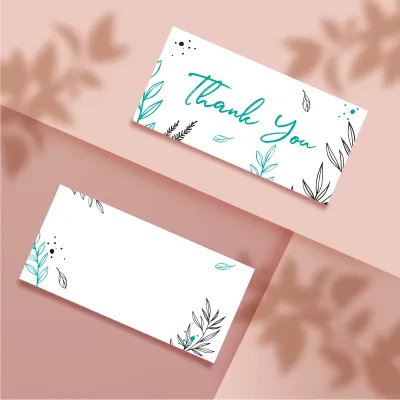
![[SG] [FREE🚚] Gift Tags Thank you Tag Mini Card Note Goodie Bag Wedding Door Gift Birthday Party Mothers Teachers Day](https://img.lazcdn.com/g/p/6effbf5443c4f0dd6b64037243791935.jpg_400x400q80.jpg_.webp)
![[SG][FREE🚚] Gift Tags Thank You For Coming Celebrating With Us Tag Mini Card Note Goodie Bag Wedding Door Birthday Party](https://img.lazcdn.com/g/ff/kf/Sb4ac5ae26d014bd6b80d294a3da15b5eb.jpg_400x400q80.jpg_.webp)
![[SG][FREE SHIP] Gift Tags Thank you Tag Mini Card Note Goodie Bag Wedding Door Gift Birthday Party Mothers Fathers Teachers Day](https://img.lazcdn.com/g/p/54ec2b289db869aaa35045c24a32725f.jpg_400x400q80.jpg_.webp)
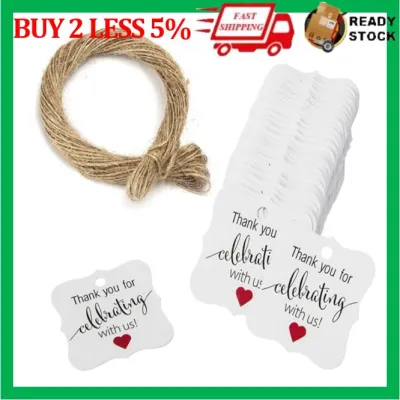

![[Bundle of 5 pcs] Mini Teachers Day Cards / Gift Tags Custom Teachers Day Gift Card Mini Card Customised Thank You Cards](https://img.lazcdn.com/g/p/e3114fc2d12157bf39c4a7c658e3eba9.jpg_400x400q80.jpg_.webp)

Prices are valid at publication and may change. Please refer to the product page for the latest price.
The attachment mechanism is equally critical for both durability and ease of use. Many ready-made tags come with pre-punched holes, but the quality of these holes varies. Look for tags with reinforced metal eyelets if you plan to use heavy twine or if the gift will undergo significant handling. If the tags do not include pre-attached strings, you will need to source matching ribbons, jute twine, or elastic loops separately, ensuring the thickness of the string fits easily through the punched hole.
The finish and edge detailing of the tag dictate its overall premium feel. High-quality tags often feature decorative elements such as die-cut borders, foil-stamped lettering, or embossed textures. Foil stamping in gold, silver, or rose gold adds a beautiful reflective quality, but ensure the metallic design does not crowd the writing area. If you prefer a clean, modern look, look for tags with crisp, straight-cut edges and minimal pre-printed designs.
Finally, consider the packaging quantities and unit costs to ensure the product aligns with your specific gifting scale. If you are preparing a large number of favors for a wedding, baby shower, or corporate event, purchasing bulk packs of 50 to 100 pieces is highly economical. For individual, high-value gifts, investing in a small pack of premium, boutique-designed tags is often more appropriate. Always calculate the cost per tag to compare different options accurately.
Matching Tag Designs to Your Gift Type and Recipient
Aligning the visual language of your thank you tag with the gift category and the recipient’s taste creates a cohesive presentation. For modern corporate gifts, luxury items, or sleek home decor, minimalist designs are highly effective. Opt for tags featuring clean typography, generous white space, or subtle foil accents on high-quality white, black, or navy cardstock. These elements convey professionalism and sophisticated elegance without distracting from the gift itself.

If your gift consists of artisanal goods, baked treats, handmade crafts, or eco-friendly products, rustic designs are a natural fit. Kraft paper tags with their characteristic earthy brown texture pair beautifully with simple jute twine or cotton baker’s twine. Botanical illustrations, such as delicate leaf or floral line drawings, also complement organic and handmade items, adding a warm, personal, and sustainable feel to the presentation.
For children’s presents, birthday celebrations, or casual exchanges among close friends, vibrant and playful motifs are excellent choices. Look for tags with bright color palettes, whimsical illustrations, or cheerful, hand-lettered fonts. Seasonal themes, such as festive holiday patterns or tropical motifs, can also add a fun and timely touch to casual gifts, making the recipient feel the immediate joy of the occasion.
To avoid visual clutter, always balance the visual weight of the tag design with the pattern and color complexity of your wrapping paper. If you are using highly detailed or brightly patterned wrapping paper, choose a simple, solid-colored tag with clean text to provide a visual resting point. Conversely, if your gift is wrapped in plain kraft paper or placed in a solid-colored box, an intricately designed, colorful, or heavily illustrated tag can serve as the primary decorative highlight.
Checking Paper Quality and Pen Compatibility
The writing surface of a thank you tag is just as important as its visual design. The paper finish determines which writing instruments will perform best without smudging or bleeding. Uncoated papers, such as standard kraft paper or textured matte cardstock, are highly absorbent. This makes them ideal for fountain pens, gel pens, and fine-liners, as the ink sinks into the fibers and dries relatively quickly, though very wet inks may feather slightly.
Coated or glossy papers, on the other hand, feature a smooth, non-porous surface layer that resists liquid absorption. While this coating makes colors look incredibly vibrant and protects the paper from light moisture, it is highly prone to smudging if paired with the wrong ink. For coated tags, avoid fountain pens or slow-drying gel pens entirely. Instead, opt for standard ballpoint pens or quick-drying permanent markers, which adhere to the coated surface without smearing.
Paper thickness and stiffness, typically measured in grams per square meter (gsm), directly affect the tag’s durability. Look for tags made from cardstock that is at least 250 gsm, though 300 gsm to 350 gsm is preferred for a truly premium, rigid feel. Thicker cardstock prevents the tag from bending, creasing, or curling when tied tightly to a gift. It also acts as an effective barrier, preventing dark or heavy inks from bleeding through to the reverse side of the tag.
Before writing your messages on the entire batch of tags, always perform a quick compatibility test. Take a single tag or use the back of the packaging material to write a few test characters with your preferred pen. Wait approximately five to ten seconds, then gently run your finger over the ink. If the ink smudges, feathers along the paper fibers, or takes an excessively long time to dry, you should switch to a different pen or a finer tip size to ensure a clean, legible result.
Additionally, evaluate the layout and legibility of any pre-printed “Thank You” text on the tag. The printed design should leave ample blank space for you to write the recipient’s name, a short personal note, and your signature. If the front of the tag is heavily decorated, verify if the reverse side is blank and has a writable, uncoated finish, allowing you to write your message on the back instead.
Sourcing Ready-Made Tags: Retail and Online Channels in Singapore
Finding the perfect thank you gift tags in Singapore involves exploring both physical retail stores and digital marketplaces. Visiting local stationery boutiques, craft stores, and lifestyle retailers is highly recommended if you want to physically inspect the paper texture, true color accuracy, and string quality. Feeling the weight of the cardstock in your hands and seeing how the foil accents catch the light under natural conditions ensures there are no surprises when you attach them to your gifts.
For convenience and a wider variety of designs, online marketplaces and brand official stores are excellent resources. When shopping online, utilize search filters to locate local sellers within Singapore. This helps ensure faster shipping times and minimizes the risk of delicate paper items being damaged during long-distance international transit. Carefully read user reviews and look for customer-uploaded photos to verify the actual paper thickness, print clarity, and overall product quality before purchasing.
If you require high volumes of tags for a home business, corporate event, or large wedding, specialized packaging supply stores are the most cost-effective option. These wholesalers often stock bulk packs of unbranded, minimalist, or classic kraft tags at a significantly lower cost per unit. Purchasing in bulk from packaging specialists also allows you to buy matching ribbons, twine, and gift boxes in one go, ensuring a consistent aesthetic across all your packaging materials.
Finally, always verify the seller’s return policies and damage guarantees, especially when ordering delicate foil-stamped or intricately die-cut tags online. Paper products can easily warp or bend if exposed to high humidity or rough handling during delivery. Ensuring the seller offers a straightforward replacement or refund policy for damaged items provides peace of mind, particularly when working under tight event deadlines.
Creating Custom Tags: A Practical DIY Fallback
If you cannot find ready-made tags that perfectly match your design vision or material requirements, creating custom DIY tags is a highly rewarding alternative. Start by sourcing blank, pre-punched cardstock or kraft paper tags from local craft suppliers. These blank bases provide a high-quality, uniform foundation, saving you the time and effort of cutting out individual shapes while still allowing complete creative freedom.
To apply your “Thank You” message manually, you can utilize rubber stamps, calligraphy pens, or metallic paint markers. Hand-stamping with archival ink or hand-lettering adds a charming, bespoke touch that conveys extra care and effort to the recipient. When using stamps or wet inks, ensure you work on a clean, flat surface and allow each tag to dry completely before stacking or attaching them to prevent accidental smudging.
For a more precise or complex design, employ basic digital design tools and a home printer. You can layout custom text, logos, or illustrations on printable cardstock sheets, ensuring the print settings are adjusted for heavy paper weights. After printing, use a sharp paper trimmer or a heavy-duty craft punch to cut out the tags cleanly, and a standard single-hole punch to create the attachment points. Always handle sharp cutting tools with care, keeping fingers clear of the blades and working on a stable cutting mat.
You can easily upgrade standard DIY tags by adding unique decorative embellishments. Consider applying a custom wax seal directly onto the cardstock, wrapping a neat border with patterned Washi tape, or replacing standard cotton string with premium silk ribbon, velvet cord, or metallic thread. These small, thoughtful details elevate a simple handmade tag into a memorable keepsake that enhances the overall presentation of your gift.
Frequently Asked Questions (FAQ)
What is the standard size for a thank you gift tag?
Standard rectangular gift tags typically measure around 5 cm by 9 cm, which is roughly the size of a standard business card and offers ample space for a short handwritten message. Circular tags usually range from 4 cm to 6 cm in diameter, providing a compact yet visible accent. For small favor bags or delicate jewelry boxes, compact tags measuring 3 cm by 5 cm work best, while large gift hampers may require oversized tags of 7 cm by 12 cm to maintain proper visual proportions.
Will fountain pen ink bleed through standard kraft paper tags?
Yes, standard kraft paper is highly fibrous and uncoated, which can cause wet fountain pen inks to bleed, feather, or show through on the reverse side of the tag. To prevent this, use a fine or extra-fine nib paired with a dry, well-behaved ink formulation. Alternatively, you can perform a quick trial on a spare tag, use a gel pen or fine-liner for a similar look with less risk of ink spreading, or place a thick backing card under the tag while writing to protect the surface underneath.
How can I securely attach a tag if the pre-punched hole tears?
If a pre-punched hole tears, you can easily reinforce the damaged area by applying a small piece of clear adhesive tape or a decorative reinforcement sticker over the hole on both sides, then re-punching the center with a single-hole punch. Alternatively, you can bypass the damaged hole entirely by securing the tag to the gift ribbon using a decorative wooden mini-peg, a small paper clip, or by wrapping twine tightly around the entire body of the tag to hold it in place.

Community discussion
Share your experience or ask a question. Comments are reviewed before publication.