
Choosing the right t-shirt yarn in Singapore requires balancing the structural needs of your project with the physical characteristics of recycled or manufactured textile strips. Because t-shirt yarn is significantly thicker and heavier than traditional wool or acrylic yarns, your choice directly impacts stitch definition, project weight, and ease of crafting. In Singapore’s humid climate, understanding the material composition is also essential for ensuring that finished items like home organizers, bags, or floor rugs dry efficiently after washing and maintain their shape over time.
Unlike standardized commercial yarns, t-shirt yarn varies widely in texture, elasticity, and thickness depending on how it was manufactured. By learning how to evaluate these physical properties and match them to your specific knitting or crochet projects, you can avoid common pitfalls like warping, excessive weight, or hand fatigue. Whether you are sourcing materials from local craft shops or browsing online marketplaces, a systematic approach to selecting your yarn will ensure a successful, durable, and enjoyable crafting experience.
Understanding T-Shirt Yarn Characteristics
T-shirt yarn, often referred to as jersey yarn, is a super-bulky medium created from strips of jersey fabric. The material composition of the yarn plays a defining role in how it behaves on your hook or needles. Most t-shirt yarns are made from cotton blends, polyester, or cotton-elastane mixtures. A high cotton content provides excellent structural integrity and a matte finish, making it highly durable but also quite heavy and inelastic. Polyester blends, on the other hand, offer a lighter final weight, a slight sheen, and faster drying times, which is highly advantageous in humid environments. Elastane or spandex blends introduce stretch, making the yarn easier to manipulate but potentially causing finished items to sag if the tension is not carefully managed.
Products mentioned in this guide
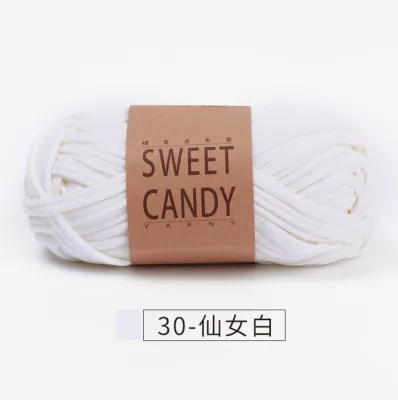
Prices are valid at publication and may change. Please refer to the product page for the latest price.
Structurally, t-shirt yarn generally falls into two categories: continuous tube yarn and flat ribbon yarn. Continuous tube yarn is manufactured specifically for crafting, often featuring a seamless, rounded profile or a knitted outer sheath filled with lightweight polyester fiber. This construction ensures a highly consistent thickness throughout the entire skein, resulting in clean, uniform stitches. Flat ribbon yarn, which is frequently made from recycled garment factory selvages, consists of flat strips of fabric that naturally curl inward at the edges. While flat ribbon yarn offers a charming, rustic texture, it is prone to variations in width and thickness within a single roll.
The physical dimensions of t-shirt yarn skeins are also unique. A standard skein typically weighs between 250 to 500 grams but contains a relatively short yardage, often ranging from 100 to 120 meters. Because the yarn is so thick, a single skein covers a much smaller surface area than an equivalent weight of standard yarn. When planning a project, you must calculate your yarn requirements based on both weight and yardage, keeping in mind that thicker cuts of yarn will yield fewer stitches per meter and result in a heavier finished product.
How to Evaluate T-Shirt Yarn Quality Before Buying
Evaluating the quality of t-shirt yarn requires a close inspection of its physical consistency, structural joins, and material stability. Because many t-shirt yarns are produced from recycled textiles, variations are common, but high-quality options minimize these discrepancies to ensure a smooth crafting process.

First, check for consistent width and thickness along the length of the yarn. Inconsistent yarn can cause your stitches to warp, making it difficult to maintain even tension and resulting in lopsided baskets or uneven rugs. If you are shopping in person, gently pull a few meters of yarn from the skein to observe if the width remains uniform. If you are purchasing online, look for product specifications that guarantee a specific width range (typically between 2 centimeters and 3 centimeters when flat) and read customer reviews to verify if other crafters experienced significant thickness fluctuations.
Second, examine the frequency and type of joins or knots within the skein. It is normal for t-shirt yarn to have occasional joins where two strips of fabric are connected. However, excessive knots, frayed edges, or bulky sewn seams can disrupt your stitch pattern and weaken the structural integrity of your project. High-quality manufactured brands typically feature seamless joins or very few knots per roll, whereas lower-grade recycled yarns may contain frequent, bulky knots that require you to cut and restart your work to maintain a neat appearance.
Finally, assess the yarn’s colorfastness, softness, and potential for shrinkage. Since t-shirt yarn is made from dyed fabrics, some colors—especially deep reds, blues, and blacks—may bleed when washed. You can verify colorfastness by performing a simple rub test: take a damp white cloth and rub it firmly against the yarn to see if any dye transfers. Additionally, check the manufacturer’s fiber content label to determine if the yarn is prone to shrinkage. Pure cotton yarns are highly susceptible to shrinking and stiffening after washing, whereas polyester-blend yarns tend to retain their softness and original dimensions much better.
Matching T-Shirt Yarn to Your Specific Projects
Selecting the right t-shirt yarn depends heavily on the intended function of your finished item. Because the weight and flexibility of the yarn dictate the drape and stability of the fabric, matching the yarn’s characteristics to your project type is crucial for achieving a professional result.
For structural home decor items like storage baskets, pet beds, and floor rugs, you should opt for heavyweight, sturdy yarn blends. A high-cotton-content yarn with minimal stretch is ideal for these applications because it creates a stiff, dense fabric that can support its own weight and stand upright. When making baskets, using a slightly smaller hook or needle size than recommended will compress the stitches further, adding extra rigidity to the walls so they do not collapse when filled.
Conversely, for wearable items, everyday bags, and soft accessories, you should choose softer, lighter, and more flexible yarn blends. A polyester-heavy blend or a thin, lightweight ribbon yarn is perfect for these projects because it reduces the overall weight of the item. A bag made from heavy, pure cotton t-shirt yarn can easily weigh over a kilogram before you even place your personal items inside, causing uncomfortable strain on your shoulders. A lighter blend ensures the bag remains practical, flexible, and comfortable to carry.
Adjusting your tools to match your yarn’s thickness is the final step in ensuring project success. T-shirt yarn generally requires large crochet hooks or knitting needles, typically ranging from 8mm to 15mm. If your stitches are too tight, your hands will tire quickly, and the fabric will be excessively stiff. If your stitches are too loose, the fabric will sag and lose its shape. Always create a small test swatch (about 10 by 10 centimeters) using your chosen yarn and tool to verify that the density and drape of the fabric match your project’s requirements before committing to the full pattern.
Where to Source Reliable T-Shirt Yarn in Singapore
Sourcing t-shirt yarn in Singapore involves navigating a mix of local brick-and-mortar craft shops and online retail channels. Each sourcing method offers distinct advantages depending on whether you prioritize hands-on evaluation or a wider selection of colors and prices.
Visiting local brick-and-mortar craft and sewing supply stores is highly recommended if you want to evaluate the texture, weight, and color of the yarn before making a purchase. Physical stores allow you to feel the softness of the fabric, check for elasticity, and inspect the consistency of the yarn width in person. This is particularly helpful if you are working on a project that requires a highly specific texture, such as a soft baby basket or a rigid floor mat. Additionally, store staff can often provide valuable advice on tool compatibility and project suitability.
For a broader selection of colors, material blends, and price points, online marketplaces and specialized e-commerce platforms are excellent resources. When shopping online, it is crucial to look for reputable sellers with high ratings and detailed product descriptions. Because recycled t-shirt yarn can vary significantly between production batches, look for listings that provide actual photos of the current stock rather than generic stock images. Always check the seller’s return policy in case the yarn you receive does not match the description or has excessive manufacturing defects.
When comparing prices, keep in mind that t-shirt yarn typically ranges from S$8 to S$25 per skein in the local market, depending on the brand, weight, and material origin. While online platforms may offer lower base prices, you must factor in shipping costs, as t-shirt yarn is heavy and can incur high delivery fees. To ensure color consistency for larger projects like rugs or matching basket sets, always purchase all the yarn you need in a single order. This minimizes the risk of receiving skeins from different dye lots, which can exhibit noticeable color variations.
T-Shirt Yarn Project Selection Matrix
The following matrix provides a quick-reference guide to help you match your intended project with the ideal yarn characteristics, key quality checks, and tool approaches.
| Project Type | Recommended Yarn Trait | Key Feature to Verify | Suggested Tool Approach |
|---|---|---|---|
| Structural Baskets | Heavyweight, high cotton content, low stretch | Consistent width to ensure upright, rigid walls | Use a smaller hook (e.g., 8mm to 10mm) for dense, stiff stitches |
| Everyday Bags | Lightweight polyester blend, soft texture | Low weight per meter to prevent shoulder strain | Use a medium hook (e.g., 10mm to 12mm) for a flexible yet sturdy drape |
| Floor Rugs | Durable cotton-polyester blend, high thickness | Colorfastness to prevent dye transfer onto floors | Use a large hook or needles (e.g., 12mm to 15mm) for comfortable cushioning |
| Soft Accessories | Thin ribbon yarn, high elasticity, soft finish | Fabric softness and smooth edges against the skin | Use a flexible plastic or wooden tool to reduce hand fatigue |
Frequently Asked Questions (FAQ)
How do I hide or manage joins when crocheting with t-shirt yarn?
Because t-shirt yarn is exceptionally thick, standard knots will create unsightly bulges in your work. To manage joins cleanly, you can use a sewing needle and matching thread to stitch the ends of the two yarn strips together flat, overlapping them by about one centimeter. Alternatively, you can cut the ends of both strips at a diagonal angle, overlap them, and sew them to create a seamless transition. If you prefer a no-sew method, you can feed the tail of the old yarn and the start of the new yarn along the back of your stitches, crocheting over both tails for several stitches to secure them in place before trimming the excess fabric.
Can I wash and dry finished t-shirt yarn projects in a machine?
Whether you can machine wash your finished project depends entirely on the fiber content of the yarn. Always check the manufacturer’s care label before washing. Generally, pure cotton t-shirt yarn projects are prone to shrinking, stretching, and becoming extremely heavy when wet, which can damage both the item and your washing machine. For best results, hand wash your items in cool water with a mild detergent, press out excess water gently without wringing, and lay them flat on a clean towel to air dry. Avoid hanging wet t-shirt yarn items, as the immense weight of the water will cause the fabric to stretch out of shape permanently.

Community discussion
Share your experience or ask a question. Comments are reviewed before publication.