
When you are working with heavy-duty drawstrings, thick paracord, or high-tension elastic, standard sewing notions often fall short. A flimsy threader that bends or loses its grip halfway through a tight casing can turn a simple sewing project into a frustrating struggle. To successfully navigate thick materials through dense channels, you need a dedicated rope threading tool or heavy-duty bodkin designed to withstand high pulling forces without slipping, bending, or damaging the fabric. Choosing the right tool depends on matching the specific thickness and elasticity of your cord to a threader with the appropriate grip mechanism, shaft rigidity, and tip design.
By understanding the mechanical differences between clamp-style bodkins, rigid threaders, and flexible wire loops, you can select a tool that ensures smooth, efficient passage through any casing. This guide explores the essential features of heavy-duty threading tools, compares the most common designs, and provides a practical framework for evaluating durability and sizing before you make a purchase.
Identifying the Right Tool for Your Cord or Elastic Type
Thick, rigid cords and bulky, high-tension elastics behave very differently when pulled through a narrow fabric channel. A non-stretch rope, such as paracord or heavy cotton drawstring, has no give, meaning it requires a tool that can grip the end securely without adding unnecessary bulk to the leading edge. If the connection point between the tool and the cord is too wide, it will jam inside the casing, forcing you to pull harder and risking damage to the fabric or the tool itself. For these rigid materials, a threader with a slim profile and a secure mechanical lock is essential to maintain a smooth path.
Products mentioned in this guide
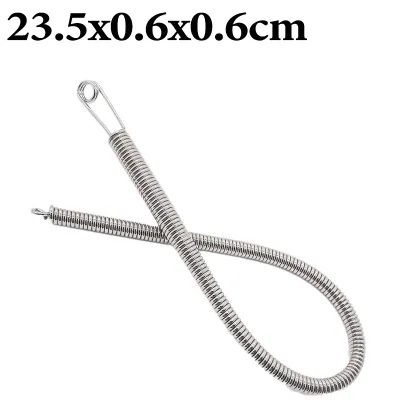
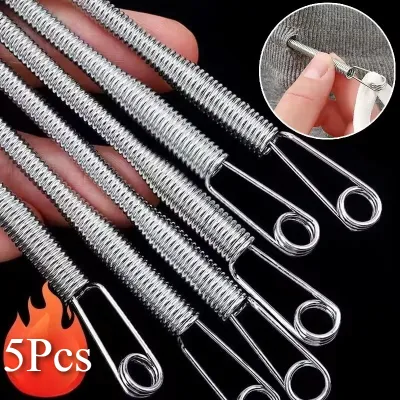
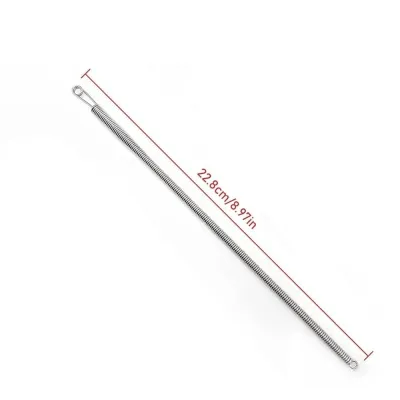
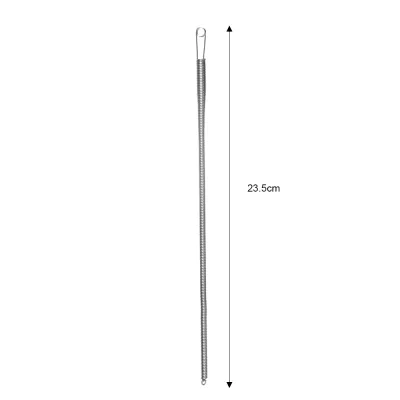
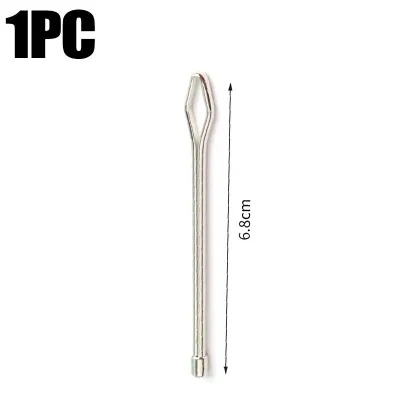
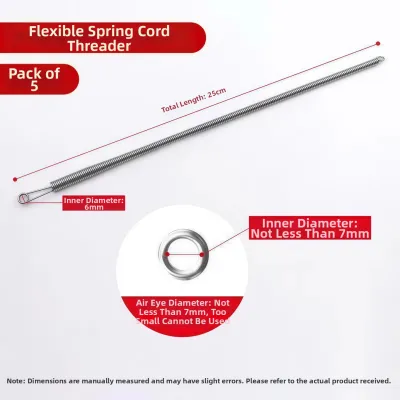
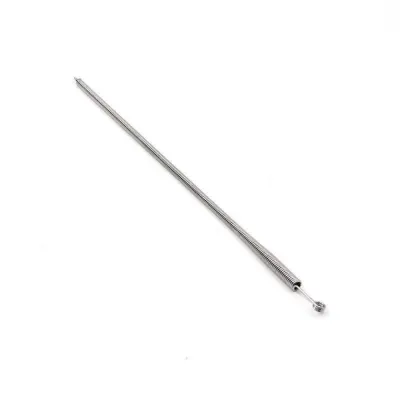
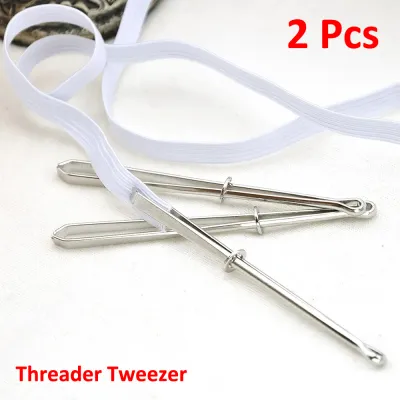
Prices are valid at publication and may change. Please refer to the product page for the latest price.
In contrast, heavy-duty elastic is highly compressible but exerts significant lateral tension against the walls of the casing as it is stretched. When you pull elastic through a channel, the material naturally bunches and resists movement, requiring a tool that can distribute the pulling force evenly across the width of the band. If you use a tool that pinches the elastic into a tight, distorted point, the elastic is highly likely to slip out of the grip or tear under the strain. For wide, heavy elastic, you need a clamping surface that matches the width of the band to keep it flat and secure during the entire threading process.
Recognizing when a standard sewing bodkin is insufficient is the first step in preventing project delays. Standard bodkins are typically designed for lightweight ribbons, thin elastics, and delicate drawstrings used in lightweight garments. When subjected to the high drag and resistance of heavy-duty materials, these light-duty tools often bend out of shape, lose their grip, or snap at structural joints. Upgrading to a specialized heavy-duty rope threading tool ensures that the shaft remains rigid under tension and the grip mechanism can withstand the substantial pulling force required to navigate dense, heavy fabrics.
Essential Features for Heavy-Duty Threading Tools
The performance of a heavy-duty threading tool relies on a delicate balance between shaft rigidity and flexibility. A tool that is completely rigid will struggle to navigate the curved casings of hoods, waistbands, or bags, often getting stuck at tight corners or seams. Conversely, a tool that is too flexible will buckle and bend when it encounters resistance, preventing you from pushing it forward through the channel. The ideal heavy-duty threader features a resilient shaft that can bend slightly to follow the contours of the garment but possesses enough structural integrity to resist collapsing under heavy pushing pressure.

Another critical feature is the design of the tip. The leading end of the threader must be completely smooth and snag-free to prevent it from catching on internal seams, raw fabric edges, or textured linings like fleece. A sharp or poorly finished tip can easily pierce the casing fabric or snag on loose threads, halting your progress and potentially ruining the garment. Look for tools with rounded, bulbous, or ball-point tips that naturally deflect off internal obstructions and glide smoothly over seam allowances inside the channel.
The length of the threading tool also plays a significant role in how much leverage and control you have during the process. A tool that is too short requires you to bunch the fabric excessively, which increases friction and makes it harder to pull the cord through. A longer tool allows you to bridge longer sections of the casing at once, reducing the amount of fabric bunching and providing a more comfortable grip for your hands. For heavy-duty projects like outerwear waistbands or large gear bags, a longer, sturdier shaft is almost always preferable to a short, compact one.
Comparing Bodkin and Threader Designs for Thick Materials
Different threading tasks require different tool geometries, and understanding the strengths and limitations of each design will help you choose the most efficient tool for your project. Wire loop threaders, which feature a flexible loop of wire attached to a long handle, are highly popular for their speed and ease of use. You simply pass the cord through the loop, fold it back, and pull. However, these tools are highly susceptible to collapsing under heavy drag. When used with thick, high-friction cords, the wire loop can easily deform or pull out of the handle, making them better suited for medium-duty tasks rather than extremely dense casings.
Clamp-style bodkins, often referred to as tweezer-style or scissor-style bodkins, are specifically designed to handle flat, wide materials like heavy elastic. These tools feature a sliding ring or a locking mechanism that squeezes two flat, textured jaws together, clamping the elastic securely without piercing it. Because the pressure is distributed across a wider surface area, the elastic is much less likely to slip or roll inside the casing. This design is highly effective for maintaining the flat orientation of the elastic, preventing it from twisting or bunching as it is pulled through the channel.
Safety-pin style and tube-style bodkins offer alternative approaches for handling heavy cords. A safety-pin style bodkin features a secure latching mechanism that pierces the end of the cord, providing an incredibly secure connection that is virtually impossible to lose mid-channel. However, the piercing action can fray the end of the cord, and the bulky head of the pin can catch on tight seams. Tube-style bodkins, which enclose the cord end within a protective metal or plastic sleeve, offer a highly streamlined profile that glides effortlessly through tight spaces, though they are limited by the maximum diameter of the tube itself.
Evaluating Grip Mechanisms and Material Durability
The point of connection between the tool and the cord is the most common failure point during heavy-duty threading. When evaluating a tool, pay close attention to the design of the clamp tension and the teeth on the gripping surface. For heavy elastic, the teeth should be prominent enough to bite into the material without cutting the fibers, and the locking ring must slide tightly enough to maintain constant pressure even when the tool is subjected to strong pulling forces. If the clamp tension is weak, the elastic will inevitably slip out, forcing you to fish the tool out and start the process over again.
Material composition is another critical factor in determining the durability of a threading tool. Cheap, thin metals or low-grade plastics will quickly bend or snap when subjected to the high resistance of heavy-duty fabrics. High-quality bodkins are typically constructed from nickel-plated steel, brass, or heavy-duty anodized aluminum, which offer excellent bend resistance and a smooth, low-friction finish. When choosing a metal tool, inspect the thickness of the shaft and the quality of the joints to ensure they can withstand repeated use without warping or breaking.
It is also important to identify potential structural weak points before purchasing a tool. Soldered joints, thin wire loops, and plastic hinges are the areas most likely to fail under heavy loads. For example, a wire loop threader where the wire is merely glued into a plastic handle is highly prone to separation. Look for tools with integrated, single-piece construction or robust mechanical fasteners that distribute the pulling force evenly across the entire body of the tool. Investing in a solidly constructed tool prevents the frustration of mid-project failures and ensures your haberdashery kit remains reliable for years to come.
Building Your Shortlist: Pre-Purchase Checks and Sizing
Before purchasing a rope threading tool from an online marketplace or a local craft store, it is essential to perform a few practical checks to ensure compatibility with your specific project. First, measure the opening of your fabric casing and compare it against the maximum outer diameter of the tool, including the thickness of the cord or elastic when attached. If the combined thickness of the tool and the cord exceeds the width of the casing, the tool will jam. Always ensure there is a comfortable margin of clearance to allow the tool to slide freely.
Next, carefully read the product specifications rather than relying on generic labels like “heavy-duty” or “universal.” Look for explicit measurements regarding the maximum cord thickness or elastic width the tool can accommodate. A tool designed for 6mm cord will not perform well with a 12mm paracord, and a clamp designed for 10mm elastic will struggle to hold a 25mm waistband elastic securely. Verifying these dimensions beforehand prevents the inconvenience of purchasing a tool that is physically incompatible with your materials.
Finally, when browsing options on ecommerce platforms, pay close attention to user feedback regarding the tool’s performance under load. Look for reviews that specifically mention using the tool with heavy materials, such as canvas, denim, or thick fleece, and check for any complaints about bending, slipping, or breaking. While a tool may look sturdy in product photos, real-world feedback is invaluable for verifying the actual strength of the metal and the reliability of the grip mechanism. Checking the return policy of the seller also provides peace of mind in case the tool does not meet your expectations during its first trial.
Frequently Asked Questions (FAQ)
Can I use a regular safety pin for heavy-duty elastic?
While a regular safety pin is a common household substitute for a proper bodkin, it carries significant mechanical risks when used with heavy-duty elastic. The high tension required to pull thick elastic through a tight casing can easily cause a standard safety pin to bend or snap. More importantly, there is a high risk of the pin popping open inside the casing, which can cause the sharp point to pierce the fabric or your fingers, and will result in losing the elastic entirely. Additionally, the narrow wire of a safety pin concentrates all the pulling force on a tiny area, which can tear through the elastic fibers and ruin the end of your material.
How do I prevent a wire loop threader from collapsing?
To maintain the structural integrity of a wire loop threader, you must guide the tool gently through the casing rather than forcing it through tight spots. When you encounter resistance, such as a bulky seam allowance, do not pull harder on the handle; instead, use your fingers to manipulate the fabric over the tip of the tool, easing it past the obstruction. If the resistance remains high, it is best to abandon the wire loop threader in favor of a sturdier clamp-style or tube bodkin. Forcing a wire loop beyond its structural limit will inevitably deform the wire or pull it completely out of the handle.
What is the best way to clean and store metal bodkins?
Proper maintenance ensures that your metal bodkins remain smooth and rust-free for long-term use. After each project, wipe down the tool with a clean, dry microfiber cloth to remove any accumulated fabric lint, dust, skin oils, or moisture. If the tool has moving parts, such as a sliding ring or a spring clamp, ensure no lint is trapped in the mechanism. In humid tropical climates, such as in Singapore, protecting metal tools from moisture is especially critical to prevent rust and maintain smooth operation. Store your bodkins in a dry, organized environment, such as a dedicated sewing box or a tool roll, to protect the smooth finish from scratches and prevent exposure to humidity, which can lead to corrosion over time.
Community discussion
Share your experience or ask a question. Comments are reviewed before publication.