
Sending a physical post card remains one of the most personal ways to connect with friends, family, and colleagues. In an era dominated by instant digital messaging, a tangible card carrying a handwritten note conveys a unique sense of warmth and effort. However, not all postcards are created equal. A card that warps in transit, smudges under a pen, or fails to meet local postal standards can diminish the impact of your gesture.
To find the best postcard brands in Singapore, you must consider both aesthetic appeal and physical durability. The ideal card should match the tone of your occasion while standing up to the mechanical sorting processes of the postal system. By understanding the nuances of paper weight, print finishes, and writing compatibility, you can select postcards that serve as beautiful, lasting keepsakes for your recipients.
What to Look for in a Quality Postcard Brand
The foundation of any premium post card is its paper stock. High-quality brands typically use cardstock ranging from 250 gsm (grams per square meter) to 350 gsm. Anything lighter than 250 gsm feels flimsy and is highly susceptible to bending or tearing during transit. Conversely, cards exceeding 350 gsm offer a luxurious, rigid feel but may require extra care when writing.
Products mentioned in this guide


Prices are valid at publication and may change. Please refer to the product page for the latest price.
The texture of the paper also plays a critical role in the overall tactile experience. Matte cardstock is a popular choice because it offers a clean, non-reflective surface that showcases illustrations beautifully. Textured papers, such as felt-marked or linen-finished cardstock, add an elegant, organic feel that elevates simple designs. Glossy finishes, while excellent for making photographic prints pop with vibrant colors, can feel less premium to the touch and are more prone to fingerprint smudges.
Your choice of writing instrument should dictate the paper texture you select. Matte and uncoated textured papers absorb ink quickly, making them highly compatible with fountain pens, gel pens, and rollerballs. On these surfaces, the ink dries rapidly, minimizing the risk of smudging as you write.
Glossy or highly coated surfaces present a challenge for water-based inks. If you prefer writing with gel pens or fountain pens, a glossy post card will often cause the ink to pool, bead, or smear. For coated cards, you must rely on quick-drying ballpoint pens or permanent fine-liners. When evaluating a brand, look for those that leave the writing side of the card completely uncoated, ensuring a smooth, hassle-free writing experience regardless of your pen preference.
Before purchasing from any brand, verify that their card dimensions align with standard postal regulations. In Singapore, standard mail rates apply to cards within specific size ranges. Opting for standard rectangular sizes ensures your card moves smoothly through automated sorting machines without incurring additional postage fees or facing delivery delays.
Oversized, square, or custom die-cut postcards often fall outside standard mailing categories. While these novelty shapes are visually striking, they typically require higher postage rates and manual sorting, which can increase the risk of damage. Choosing a brand that adheres to standard dimensions guarantees a cost-effective and reliable mailing process.
High-quality printing is characterized by sharp lines, accurate color reproduction, and a lack of visible printing artifacts. Premium brands utilize offset printing or high-resolution digital presses that prevent the pixelation or banding often seen in cheaper, mass-produced cards.
Furthermore, the durability of the ink is paramount. Postcards are exposed to light and friction during transit and display. Look for brands that use UV-resistant inks to ensure the colors remain vibrant even if the recipient displays the card on a sunny notice board or refrigerator. The ink on the writing side should also be highly resistant to water and smudging, protecting your message from accidental moisture exposure.
The way a brand packages its postcards is a strong indicator of its overall quality. Premium brands protect their cards from environmental damage before they even reach the consumer. Look for cards sold in rigid boxes, protective paper sleeves, or compostable clear bags.
Proper packaging prevents the corners of the cards from becoming dinged or bent during storage and shipping. It also shields the paper from moisture and humidity, which is particularly important in Singapore’s tropical climate. Avoid brands that sell loose, unprotected cards, as these are highly likely to suffer wear and tear before you have a chance to write on them.
Matching Postcard Designs to Specific Occasions
For celebratory events like birthdays, weddings, or significant milestones, the post card should feel like a gift in itself. Look for brands that incorporate premium embellishments such as metallic foil stamping, blind debossing, or intricate die-cut details. These tactile elements instantly elevate the card, making it feel worthy of being kept in a scrapbook or framed.

Illustrative designs that feature whimsical, hand-drawn art or elegant typography work exceptionally well for milestones. Choosing a brand that collaborates with independent artists ensures your card stands out from generic, mass-market options, offering a unique visual story that resonates with the recipient.
During major festive seasons like Christmas, Lunar New Year, Hari Raya, or Deepavali, you may find yourself sending cards to a larger group of friends and family. For these occasions, look for brands that offer thematic seasonal sets or bulk packs.
These festive collections should feature a cohesive design theme while offering enough variety to keep each card unique. Bulk packs from reputable stationery brands allow you to maintain a high standard of paper and print quality while keeping the cost per card reasonable for mass mailing.
When sending a professional note or a formal thank-you message, the design should convey sincerity, respect, and professionalism. Opt for brands that specialize in minimalist aesthetics, clean layouts, and sophisticated typography.
A simple, elegant design on ultra-thick, off-white or cream-colored cardstock speaks volumes. Avoid overly busy illustrations or loud colors for professional correspondence. Instead, let the quality of the paper and the neatness of your handwriting take center stage, creating a polished and respectful impression.
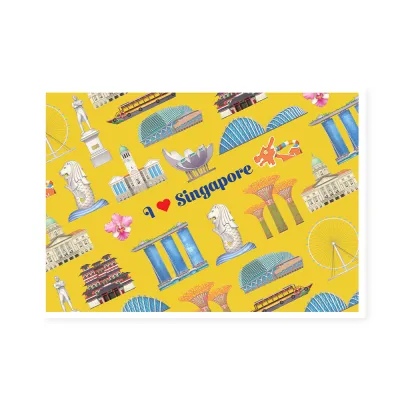
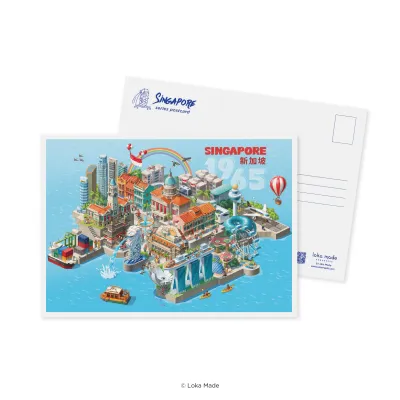
If you are sending a post card to an overseas penpal or a friend abroad, local scenery and cultural themes are highly appreciated. Singapore has a vibrant community of local illustrators and photographers who capture the unique essence of the city-state.
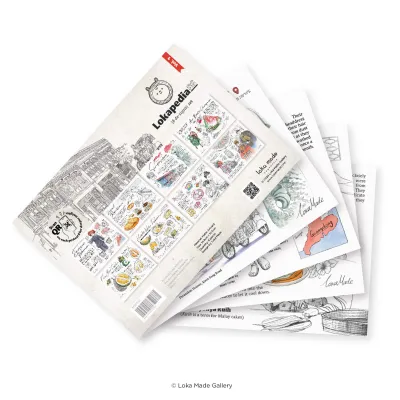
Seek out brands that feature high-resolution photographic prints or stylized illustrations of local landmarks, such as the historic shophouses of Katong, the lush greenery of the Botanic Gardens, or iconic hawker food culture. These designs serve as a beautiful visual window into Singapore, making them highly collectible for international recipients, particularly within global communities like Postcrossing.
Where to Buy Reliable Postcards in Singapore
For those seeking curated, high-end international and local brands, independent stationery boutiques are the premier destination. These specialty paper stores are often located in creative hubs like Bras Basah, Haji Lane, or Tiong Bahru.
Shopping at these boutiques allows you to physically feel the paper weight and inspect the print quality before purchasing. The staff in these stores are typically passionate about stationery and can offer valuable recommendations on pen compatibility and brand origins.
Museum and heritage gift shops are excellent resources if you are looking for postcards with deep cultural, historical, or artistic value. Retail spaces within the National Gallery Singapore, the National Museum of Singapore, or local heritage centers stock exclusive postcard designs.
These cards often feature high-quality reproductions of historical artifacts, local fine art, or archival photographs. Purchasing from these locations ensures you receive authentic, officially licensed designs while supporting local cultural preservation efforts.
Buying directly from the official websites of local stationery designers and illustrators is one of the best ways to access their complete collections. Direct purchasing ensures product authenticity and often gives you access to exclusive online bundles, limited-edition releases, and customization options.
Many local creators offer seamless shipping within Singapore, with orders carefully packaged to prevent damage during transit. Supporting creators directly also allows them to continue producing unique, high-quality designs that reflect the local creative landscape.
For convenience and a wide variety of options, e-commerce platforms are highly useful. However, shopping online requires a discerning eye to avoid low-quality counterfeits or poorly printed cards.
When browsing online marketplaces, always check the seller’s ratings and read customer reviews carefully. Look for reviews that specifically mention the thickness of the cardstock and the clarity of the print. Verify the shipping origin to estimate delivery times, and prioritize official brand stores or authorized distributors on these platforms to ensure you receive genuine products.
Evaluating Postcard Sets and Multipacks
When purchasing postcards in bulk, it is helpful to calculate the unit cost in S$ to determine the true value of the set. While a single premium post card might cost between S$3 and S$6, a multipack of 10 to 20 cards can significantly reduce the price per card.
Evaluate whether the total cost of the set aligns with your actual usage. If you only need to send one or two cards, purchasing a single high-end card is more economical than buying a large set of designs you may never use. However, for active mailers or hobbyists, multipacks offer excellent long-term savings.
A common pitfall of bulk postcard sets is design repetition. Before purchasing a multipack, review the product description to ensure it contains a diverse selection of designs rather than multiple copies of the same image.
A well-curated set should offer a range of complementary illustrations or photographs that cater to different tastes and occasions. This variety ensures you can select the perfect card for each individual recipient without feeling like you are sending repetitive designs.
When buying multipacks, print consistency is a key indicator of brand quality. Lower-tier brands may exhibit color variations, alignment issues, or varying paper thicknesses within a single box.
Upon receiving a multipack, inspect the cards to ensure the colors are uniform across the entire batch and that the cutting borders are clean and straight. Consistent quality across all cards ensures that every recipient receives a card of the same high standard.
Singapore’s high relative humidity poses a unique challenge for paper storage. Over time, exposure to moisture can cause cardstock to warp, lose its rigidity, or develop unsightly yellow spots known as foxing.
To preserve your unused postcard sets, store them in a cool, dry place away from direct sunlight. Utilizing airtight plastic containers or archival-safe storage boxes with a few silica gel packets is highly effective at absorbing excess moisture. This simple precaution keeps your cards crisp, flat, and ready for writing at a moment’s notice.
Frequently Asked Questions (FAQ)
What is the standard postcard size for mailing in Singapore?
In Singapore, standard postcards typically range from a minimum size of 140mm by 90mm to a maximum size of 240mm by 162mm. The thickness of the card should generally fall between 0.23mm and 2mm to pass through automated sorting machinery smoothly. Adhering to these dimensions ensures your card qualifies for standard local postage rates. If you purchase an oversized, square, or unusually shaped card, it is highly recommended to check the latest official postal guidelines, as these novelty shapes often require additional postage.
Do postcard brands usually include envelopes?
Traditional postcards are designed to be written on and mailed directly without an envelope, showcasing the illustration on one side and the message on the other. Consequently, most standard postcard brands do not include envelopes in their packaging. However, some premium stationery brands or gift sets may include coordinating envelopes for those who prefer to keep their messages private or protect delicate finishes like foil stamping. Always read the product description carefully to confirm whether envelopes are included with your purchase.
How can I prevent postcards from bending in the mail?
To ensure your post card arrives in pristine condition, start by choosing a brand that uses thick, rigid cardstock of at least 300 gsm. If you are mailing a particularly valuable or delicate card, you can place it inside a rigid, cardboard-backed mailer or envelope to protect it from bending during transit. For standard mailing, writing your message clearly and avoiding heavy attachments like stickers or wax seals will help the card pass through automated sorting machines without snagging or bending.
Community discussion
Share your experience or ask a question. Comments are reviewed before publication.