
Sealing a moving box securely requires matching the tape’s adhesive properties and backing material to the weight of your belongings and the climate of your transit route. While many clear tapes look identical on the shelf, using the wrong variety can lead to split seams, spilled items, and damaged valuables during a move. The ideal choice depends on a systematic evaluation of tape thickness, width, adhesive chemistry, and application technique.
By understanding how different tapes interact with corrugated cardboard, you can prevent common moving mishaps. Whether you are packing light linens or heavy stacks of books, selecting the correct tape ensures your boxes remain intact from your old home to your new destination. This guide outlines the essential specifications to look for on product labels so you can make an informed decision.
Understanding Packing Tape Materials and Adhesives
To select the right tape, you must first look at the backing material, which provides the structural strength of the seal. Polypropylene is the most common backing material found in retail stores; it is highly resistant to splitting along the length of the roll but can be noisy when unwound rapidly from a dispenser. PVC tape offers a quieter release and can be torn by hand, making it a preferred option for packing in quiet environments or shared spaces, though it typically carries a higher price point. Paper-based packing tape, particularly flatback paper tape, offers excellent tensile strength and can be written on easily, though its moisture resistance varies depending on the manufacturer’s treatment.
Products mentioned in this guide
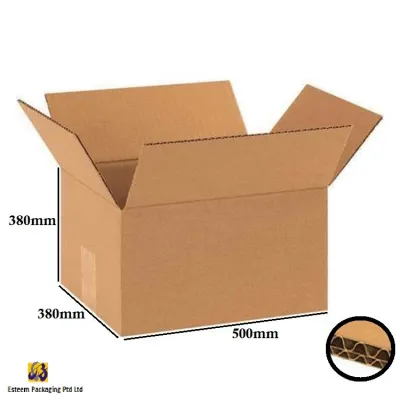
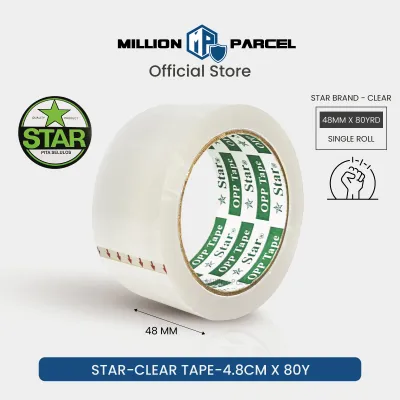
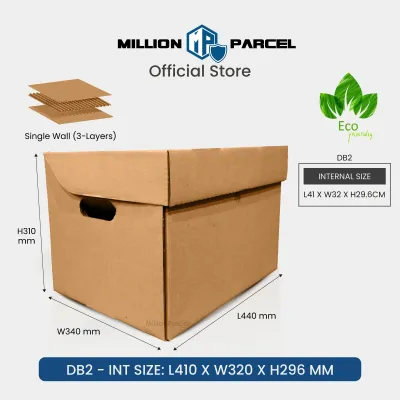
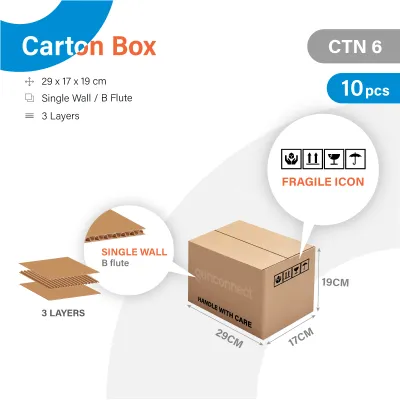
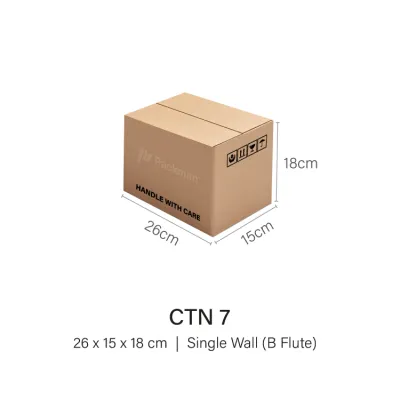
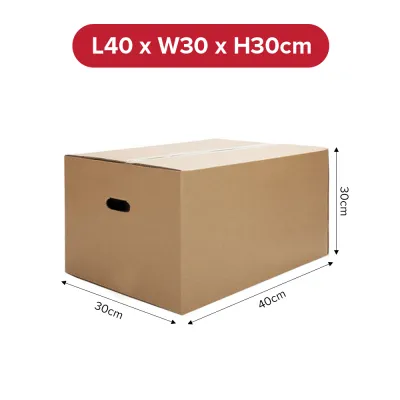
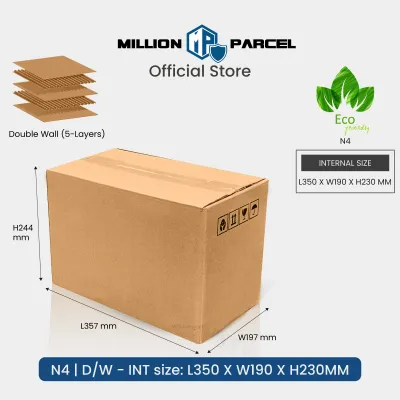
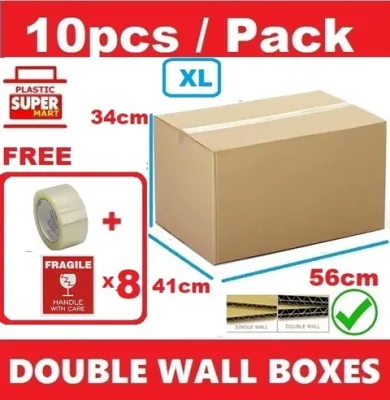
Prices are valid at publication and may change. Please refer to the product page for the latest price.
The adhesive layer is equally critical and generally falls into two categories: hot melt and acrylic. Hot melt adhesives are synthetic rubbers that bond almost instantly to corrugated cardboard, making them highly efficient for fast-paced packing. However, hot melt adhesives can degrade over time when exposed to prolonged heat or UV light. Acrylic adhesives, on the other hand, require a brief period of pressure to form a complete bond but offer superior resistance to aging, yellowing, and temperature fluctuations. If your boxes will remain packed in storage for several months, acrylic tape is often the more reliable choice.
Before purchasing, always verify the tape’s compatibility with recycled cardboard. Many modern moving boxes are manufactured from recycled corrugated fibers, which have shorter paper fibers and more surface dust than virgin cardboard. Standard light-duty tapes may struggle to grip these porous, dusty surfaces. Look for product labels that explicitly state compatibility with recycled boxes or high-tack formulas designed for challenging paper surfaces.
Matching Tape Thickness and Width to Box Weight
The physical dimensions of your tape—specifically its thickness and width—directly dictate how much weight a sealed moving box can safely support. Tape thickness is measured in mils (thousandths of an inch) or microns. Standard light-duty utility tape typically measures around 1.6 to 1.9 mils thick, which is suitable for lightweight boxes containing clothing, bedding, or plastic toys. For medium to heavy loads, look for heavy-duty packaging tapes that measure between 2.0 and 3.0 mils thick. These thicker backings resist stretching and tearing when the box is subjected to shifting forces during transit.

Width is another critical dimension that determines the surface area of the adhesive bond. The standard width for most residential packing tape is 48 millimeters (approximately 2 inches). This width is highly effective for sealing standard small and medium moving boxes. However, for large, heavy, or overstuffed boxes, upgrading to a 72-millimeter (approximately 3-inch) wide tape is highly recommended. The wider tape covers more of the box flaps, distributing the physical stress over a larger surface area and preventing the center seam from splitting under pressure.
When planning your packing strategy, categorize your boxes by weight to allocate your tape resources efficiently. For light boxes under 10 kilograms, a standard 1.8-mil, 48-millimeter tape is generally sufficient. For dense, heavy loads exceeding 15 kilograms—such as books, kitchenware, or tools—always opt for a heavy-duty tape of at least 2.6 mils in thickness. Using a thicker, wider tape on heavy boxes reduces the risk of structural failure and minimizes the amount of tape layers you need to apply, saving you time and material.
Evaluating Environmental and Transit Conditions
Environmental factors such as temperature, humidity, and sunlight exposure can severely compromise adhesive performance during a move. In tropical climates like Singapore, high ambient humidity and elevated temperatures can cause standard adhesives to soften, slip, or peel away from the cardboard. If your moving boxes will be stored in non-air-conditioned self-storage units, hot attics, or shipping containers, check the product specifications for temperature resistance. Look for tapes rated to withstand temperatures up to 60 degrees Celsius without losing their adhesive bond.
Moisture and humidity resistance are vital for protecting your belongings from damp transit conditions. Standard acrylic tapes generally perform well in humid environments because the acrylic polymer does not break down easily in the presence of water vapor. When reviewing product labels, look for terms like “all-weather,” “moisture-resistant,” or “weatherproof.” These indicators suggest the adhesive formulation is designed to maintain its grip even when the cardboard box absorbs ambient moisture from the air.
Additionally, consider UV resistance if your boxes will be exposed to direct sunlight during loading, transport, or temporary outdoor staging. Ultraviolet rays can rapidly degrade synthetic rubber hot-melt adhesives, causing them to dry out, turn brittle, and release their hold. Acrylic-based packing tapes naturally offer excellent UV resistance, ensuring that the seal remains secure even if the boxes sit in the back of an open moving truck or near sunny windows for extended periods.
How to Properly Seal Moving Boxes for Maximum Security
Even the highest-quality packing tape can fail if it is applied incorrectly. To ensure your moving boxes remain securely closed, always use the H-taping method. This technique involves sealing the center seam of the box and then sealing the exposed side edges of the flaps, forming a capital letter “H” on both the top and bottom of the box. H-taping completely seals all open seams, preventing dust, moisture, and pests from entering while distributing the weight of the contents evenly across the entire structure of the box.
Proper surface preparation is essential for achieving a strong adhesive bond. Before applying any tape, ensure the cardboard surface is clean, dry, and free of dust, dirt, or old adhesive residue. If you are reusing old boxes, scrape away any loose tape remnants and wipe the surface with a dry cloth. Pressing the tape firmly along its entire length with your hand or a tape dispenser’s smoothing strip is crucial; pressure-sensitive adhesives require physical force to flow into the microscopic pores of the paper fibers and create a permanent bond.
When applying the tape, pay close attention to the overlap and tension. Ensure the tape extends at least 5 to 7 centimeters past the edges of the box onto the side panels to anchor the seal securely. Avoid pulling the tape too tightly during application. Overstretching the tape introduces elastic tension, which can cause the tape to slowly contract over time, pulling away from the cardboard at the ends and causing the seal to fail. Apply the tape with moderate, even tension, and smooth it down immediately to lock it in place.
What to Check Before Buying Packing Tape
Before purchasing your packing tape, verify its compatibility with your existing tools and dispensers. Most standard tape guns are designed to accommodate rolls with a 3-inch (76-millimeter) inner core. Check the roll length as well; standard rolls typically range from 50 to 100 meters. Ensure the total roll diameter fits within the clearance of your tape dispenser’s brake mechanism. If you are buying tape in bulk, purchasing rolls that match your dispenser’s specifications prevents the frustration of manual application or having to buy new tools.
Always read the product packaging carefully to ensure you are buying tape specifically formulated for packaging or shipping. Avoid general-purpose office tape, masking tape, or craft tape, as these lack the tensile strength and adhesive power required to hold heavy corrugated cardboard together. Look for clear labeling such as “moving tape,” “shipping tape,” or “heavy-duty packaging tape.” These products are engineered with the robust backings and high-tack adhesives necessary for transit conditions.
Inspect the physical rolls for quality defects before finalizing your purchase. Look for smooth, even winding along the sides of the roll; unevenly wound rolls or those with visible gaps between layers can split or tear repeatedly during dispensing. Check the edges of the tape roll for nicks, cuts, or embedded dirt, as even minor edge damage can cause the tape to snap prematurely under tension. Finally, when purchasing bulk packs—which often range from S$15 to S$40 depending on the quantity and thickness—verify the retailer’s return policy in case you encounter manufacturing defects.
Because tape dispensers feature sharp, serrated metal blades to cut the tape, safety is an important consideration during application. Always keep your fingers clear of the cutting edge when threading a new roll or clearing a jam. When the dispenser is not in use, store it with the blade guard engaged or place it in a secure drawer out of reach of children to prevent accidental cuts.
Frequently Asked Questions (FAQ)
Can I use duct tape or masking tape to seal moving boxes?
Duct tape and masking tape are not recommended for sealing moving boxes. Masking tape is designed for temporary applications and lacks the adhesive strength and tensile durability to hold heavy cardboard flaps closed under stress. Duct tape has a thick, fabric-reinforced backing, but its adhesive is formulated to bond to smooth, non-porous surfaces and often fails on dusty, porous corrugated cardboard. Over time, duct tape adhesive can slide or peel off cardboard, especially in warm or humid conditions, risking box failure during transit.
How many rolls of packing tape do I need for a standard move?
The number of rolls required depends on the size of your home and your packing technique. For a typical two-to-three-bedroom home requiring approximately 50 to 60 boxes, you will generally need about 3 to 4 standard 50-meter rolls of tape if you use the secure H-taping method on both the top and bottom of every box. It is highly recommended to purchase tape in bulk packs of 6 rolls to ensure you have a sufficient buffer. Buying in bulk is often more cost-effective, with prices typically ranging from S$15 to S$30 per pack.
Is reinforced water-activated tape necessary for regular household moves?
Reinforced water-activated tape (also known as gummed paper tape) is highly secure but generally unnecessary for standard household moves. This type of tape features embedded fiberglass yarns and requires a specialized wetting machine to activate the starch-based adhesive, which fuses chemically with the cardboard fibers. While it offers unmatched security for extremely heavy, high-value, or commercial shipments, standard pressure-sensitive plastic or heavy-duty paper packing tape applied with a standard tape gun is much more practical and sufficient for typical household items.
Community discussion
Share your experience or ask a question. Comments are reviewed before publication.