
Finding the best large rubber bands in Singapore for organizing and bundling requires matching the band’s physical dimensions and material composition to your specific task. Whether you are securing thick stacks of legal documents in an air-conditioned office in the Central Business District or bundling bulky household items in a residential storeroom, standard utility bands often fall short. Using the wrong band leads to premature snapping, surface damage on your items, or rapid degradation due to Singapore’s high humidity. By understanding how to evaluate flat width, cut length, and material blends, you can select heavy-duty bands that maintain their tension and structural integrity over time.
Selecting the right band is not just about finding the largest loop available; it is about understanding the mechanical limits of elastomeric materials. When you use a band that is too small, you overstretch the polymer chains, leading to rapid fatigue and sudden failure. Conversely, a band that is too large will fail to provide the necessary compressive force to keep your items secure. By learning to decode packaging specifications and matching them to your organizational needs, you can avoid the frustration of snapped bands and scattered items.
Understanding Rubber Band Specifications for Heavy-Duty Use
To choose the right large rubber band, you must first understand how manufacturers measure and label these products. Stationery packaging typically lists three primary dimensions: flat width, cut length, and wall thickness. Understanding these measurements allows you to calculate exactly how a band will fit around your bundle before you make a purchase.
Products mentioned in this guide
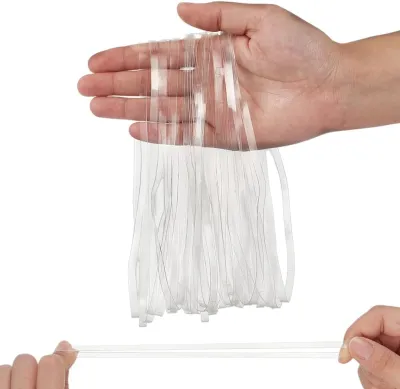
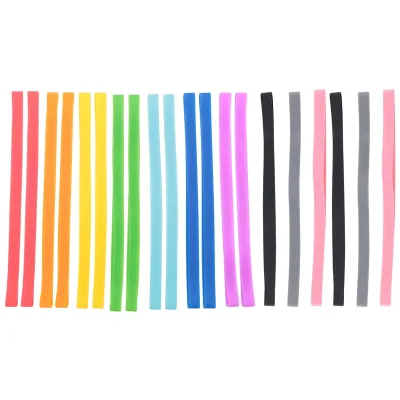
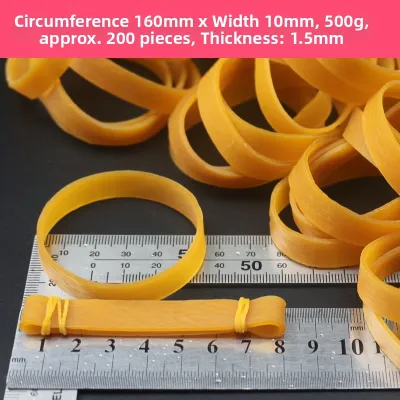
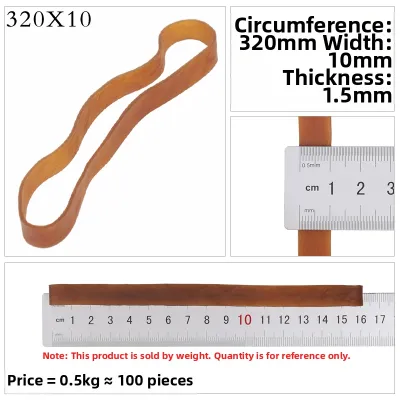
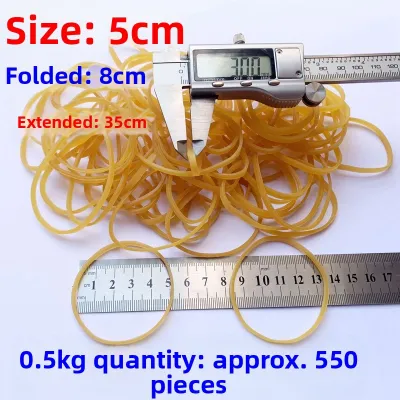
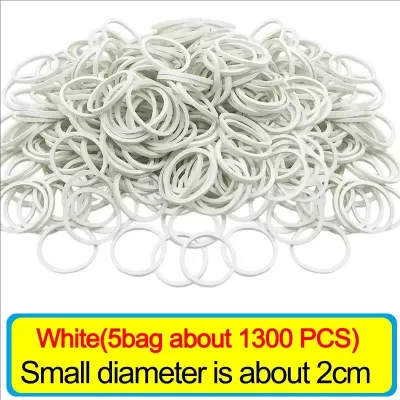
Prices are valid at publication and may change. Please refer to the product page for the latest price.
Flat width refers to the width of the band when it is laid flat on a surface, measured perpendicular to its length. A wider band distributes the compressive force over a larger surface area. This is crucial when bundling delicate items like paper documents or cardboard boxes, as a narrow band can easily cut into the edges and cause permanent damage. For heavy-duty applications, a wider flat width also provides greater resistance to twisting and rolling when the bundle is moved.
Cut length is the measurement from one folded end of the flat band to the other. This represents exactly half of the band’s total circumference. To determine the correct cut length for your bundle, calculate the perimeter of the items you wish to secure, divide that number by two, and select a band with a cut length that is approximately 10% to 20% shorter than that measurement. This ensures the band stretches enough to provide a secure grip without reaching its mechanical limit.
Wall thickness is the measurement of the rubber material’s thickness from the inner surface to the outer surface. Thicker walls directly correlate with higher tensile strength and resistance to snapping. When securing heavy or sharp-edged items, a thicker wall prevents the band from being easily punctured or sheared. However, thicker bands also require significantly more physical force to stretch, which can make application more difficult for high-volume tasks.
The material composition of the band determines its elasticity, memory, and lifespan. Natural rubber bands, often labeled as having a high crepe content, offer excellent elasticity and a soft stretch. They can stretch up to several times their original length and return to their shape with minimal permanent deformation. However, natural rubber is highly sensitive to environmental factors like heat, oxygen, and UV light, which cause the polymer chains to break down over time.
Synthetic rubber blends, such as those made from Ethylene Propylene Diene Monomer (EPDM), are engineered to withstand harsh environmental conditions. While they may not possess the extreme stretchability of natural rubber, they offer superior resistance to heat, ozone, and UV exposure. This makes synthetic bands highly suitable for long-term storage in non-air-conditioned spaces or outdoor environments where natural rubber would quickly dry rot and snap.
Matching Rubber Band Profiles to Your Bundling Scenarios
A single type of rubber band cannot handle every heavy-duty organizing task. Securing delicate paper documents requires a completely different tension profile and material finish than securing heavy, rigid household items. To achieve the best results, you must pair the physical characteristics of the band with the specific requirements of your bundling scenario.

Using an incorrect band profile can lead to structural failures. For instance, applying a highly rigid, thick industrial band to a stack of lightweight documents will warp the paper and tear the edges. On the other hand, using a highly elastic, thin natural rubber band to secure a heavy plastic storage bin lid will result in insufficient tension, allowing the lid to slip off during transport.
Securing Thick Document Stacks and Mail
When bundling thick stacks of paper, the primary goal is to apply enough tension to keep the sheets aligned without warping the pages or tearing the edges. This requires a band that offers a gentle, consistent stretch and a wide surface area to distribute the pressure evenly.
For heavy paper bundles, look for bands with a flat width of 6mm to 10mm and a relatively thin wall thickness of approximately 1.0mm to 1.2mm. This wide, thin profile ensures that the band lays flat against the edges of the paper, minimizing localized pressure points. High natural rubber content is preferred for this application, as it provides a smooth, soft stretch that is easy to apply repeatedly without causing hand fatigue.
The finish of the rubber band is also an important consideration. Ensure the bands have a smooth, non-abrasive surface to prevent paper abrasion. Some low-quality bands have a powdery residue or rough extrusion marks that can transfer to your documents or cause friction tears when the band is removed.
It is important to recognize the limits of rubber bands when dealing with archival or long-term document storage. Over time, natural rubber degrades and releases acidic compounds and sulfur, which can permanently stain, discolor, or eat through paper fibers. If you need to secure documents for more than a year, avoid rubber bands entirely and opt for acid-free straps, cotton twill tape, or archival-grade storage boxes.
Bundling Large Household and Irregular Items
Household items like rolled carpets, yoga mats, sleeping bags, storage bin lids, and bundled plastic pipes present a different set of challenges. These items are often heavy, bulky, and have irregular shapes or sharp corners that can easily puncture or shear a standard office rubber band.
For these applications, you need wider, thicker bands that can distribute high levels of tension without snapping. Look for bands with a flat width of 12mm to 25mm and a wall thickness of 1.5mm to 2.5mm. The increased thickness provides the necessary tensile strength to hold heavy items together, while the extra width prevents the band from rolling or slipping off rounded surfaces.
When bundling smooth or slippery items, such as plastic containers or metal poles, evaluate the grip and texture of the band. Natural rubber naturally has a high coefficient of friction, providing an excellent grip on smooth surfaces. However, if the items will be stored in a warm, humid environment like a home storeroom or garage, synthetic EPDM bands are a better choice to prevent the rubber from melting or sticking to the items over time.
| Bundling Scenario | Recommended Flat Width | Recommended Thickness | Ideal Material Trait | Alternative/Limit Check |
|---|---|---|---|---|
| Thick Document Stacks | 6 mm – 10 mm | 1.0 mm – 1.2 mm | High natural rubber content (soft stretch) | Avoid for archival storage exceeding 1 year |
| Rolled Mats & Carpets | 12 mm – 15 mm | 1.5 mm – 2.0 mm | High elasticity, textured grip | Check for color transfer on light fabrics |
| Storage Bin Lids & Boxes | 15 mm – 25 mm | 1.5 mm – 2.5 mm | Synthetic EPDM (UV & heat resistant) | Ensure corners are not sharp enough to cut rubber |
| Industrial/Outdoor Bundles | 20 mm + | 2.0 mm + | EPDM or heavy-duty synthetic | Inspect regularly for environmental wear |
Key Evaluation Criteria When Shopping Online or In-Store
When browsing local stationery suppliers or online marketplaces, you will encounter a wide variety of large rubber bands. To ensure you purchase high-quality products that meet your needs, you must look past generic marketing terms and focus on verifiable physical specifications and quality indicators.
First, learn to recognize and verify manufacturer claims regarding material properties. Many listings use terms like “heavy-duty,” “unbreakable,” or “industrial grade” without providing any supporting data. Look for suppliers that explicitly state the rubber percentage (e.g., “80% natural rubber”) or the specific polymer used (e.g., “EPDM” or “Silicone”). If a listing lacks these details, it is highly likely a low-grade utility band that will degrade quickly.
Second, inspect the physical quality of the bands. If you are shopping in-store, run your fingers along the band to check for consistent wall thickness. High-quality bands are extruded seamlessly, resulting in a uniform profile. Avoid bands that have visible air bubbles, thin spots, or rough extrusion seams, as these imperfections act as stress concentrators where the band is highly likely to tear or snap under tension.
Third, evaluate the packaging options and calculate the cost-per-band for high-volume needs. Large rubber bands are typically sold by weight, such as in 500-gram or 1-kilogram boxes, rather than by individual count. To compare prices accurately across different brands, check the estimated band count per pack. You can calculate the cost-per-band by dividing the total price in S$ by the estimated count. Keep in mind that bands with a higher natural rubber content are less dense and lighter, meaning you will get more bands per kilogram compared to cheaper bands filled with heavy synthetic clay fillers.
Finally, consider the color of the bands as a potential indicator of material composition. While not a universal rule, high-quality natural rubber bands often have a pale crepe, amber, or tan color, indicating minimal added dyes or fillers. Brightly colored bands (red, blue, green) are useful for color-coding but may contain higher levels of synthetic fillers that can slightly reduce overall elasticity and lifespan.
Safe Usage, Storage, and Degradation Prevention
To maximize the lifespan of your large rubber bands and prevent sudden snapping hazards, you must practice proper storage and safe handling techniques. Singapore’s tropical climate, characterized by high ambient temperatures and high relative humidity, poses a significant challenge to the preservation of elastomeric materials.
High temperatures and humidity accelerate the chemical processes of oxidation and hydrolysis, which break down the polymer chains in natural rubber. This leads to two common forms of degradation: “melting,” where the band becomes sticky, gummy, and adheres to surrounding surfaces, and “dry rot,” where the band becomes brittle, loses its elasticity, and develops fine surface cracks. Once a band begins to show these signs, its tensile strength is severely compromised, and it must be discarded immediately.
To prevent premature degradation, store your rubber bands in a cool, dry, and dark environment. An airtight container, such as a resealable plastic bag or a plastic storage box, kept inside an air-conditioned room or a dark drawer is ideal. Avoid storing rubber bands near windows where they are exposed to direct sunlight and UV radiation. Additionally, keep them away from heat-emitting office equipment, such as photocopiers, laser printers, or server racks, as these machines generate localized heat and ozone, both of which rapidly degrade rubber.
Safe stretching techniques are also essential to prevent personal injury and damage to your items. When applying a large rubber band, never stretch it to its absolute physical limit. A safe rule of thumb is to stretch the band to no more than twice (200%) its relaxed length during application. This preserves the material’s elasticity and significantly reduces the risk of sudden snapping.
Always pull the band away from your face and eyes when stretching it over an object. If you are securing a highly springy or compressible item, such as a rolled mattress or a stack of plastic sheets, ensure the item is fully compressed before applying the band. This minimizes the stored energy in the band and reduces the force of any accidental snap.
Frequently Asked Questions (FAQ)
Can I use standard office rubber bands for heavy boxes or large containers?
Standard office rubber bands are not suitable for securing heavy boxes or large containers. These bands are typically thin, have low tensile strength, and are designed for lightweight paper bundling. When stretched over large, heavy containers, they quickly exceed their safe elongation limits and are highly prone to snapping. For large containers, you should transition to heavy-duty industrial bands, EPDM bands, or specialized moving bands that are specifically designed to distribute high tension over large dimensions without structural failure.
How do I safely remove a tight rubber band without damaging the bundled item?
To safely remove a high-tension rubber band, avoid using sharp scissors or utility knives directly against the bundled item, as this can easily scratch surfaces or cut into documents. Instead, slide a flat, blunt tool, such as a plastic ruler, a wooden spatula, or a specialized band cutter with a shielded blade, underneath the band. Gently lift the band away from the surface of the item to relieve localized tension, then carefully roll or slide the band off the edge. If you must cut the band, pull a section of it away from the item first, then make a clean cut while keeping your face turned away.
Are silicone bands a better alternative to rubber for long-term storage?
Silicone bands are a superior alternative to natural rubber for long-term or archival storage. Unlike natural rubber, silicone does not contain sulfur, does not degrade or become sticky in Singapore’s humid climate, and is highly resistant to UV light, heat, and chemical exposure. While silicone bands have a higher initial cost in S$, they do not dry rot, lose their elasticity, or leave permanent sticky residues on your bundled items. This makes them highly cost-effective for securing valuable documents, books, or collectibles over several years.
Community discussion
Share your experience or ask a question. Comments are reviewed before publication.