
Starting your knitting journey is an exciting step, but it can quickly become overwhelming if your instructional materials leave you guessing. Highly effective beginner knitting books act as complete roadmaps, explicitly detailing the exact tools, needle sizes, and yarn specifications required for every single project. Instead of forcing you to decipher vague instructions, a well-designed book provides a comprehensive shopping list that translates complex textile terms into clear, actionable choices. By choosing a book that prioritizes detailed material lists and step-by-step guidance, you can focus on mastering your stitches rather than struggling with mismatched supplies.
To find the right book, you need to look beyond attractive cover photos and evaluate how the author presents technical information. A beginner-friendly resource must bridge the gap between raw materials and finished items, explaining not just what to buy, but why those specific items are chosen. This guide will help you assess instructional layouts, evaluate yarn recommendations, understand tool compatibility, and select a book that matches your learning style and local shopping options.
What Makes a Good Beginner Knitting Book
A high-quality beginner knitting book must serve as both a visual guide and a technical manual. The foundation of any good instructional book lies in its illustrations and written explanations. For a novice, written abbreviations like “k2tog” (knit two together) or “yo” (yarn over) can look like a foreign language. The book should feature clear, high-resolution photographs or clean, step-by-step line drawings that show the exact path of the yarn and needles for basic stitches. Look for publications that present both written, row-by-row instructions and visual stitch charts, as this dual approach helps you learn to read patterns in multiple formats.
Products mentioned in this guide
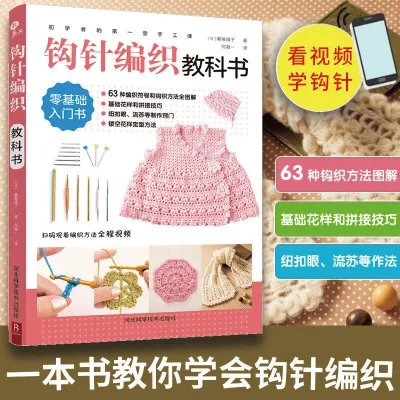
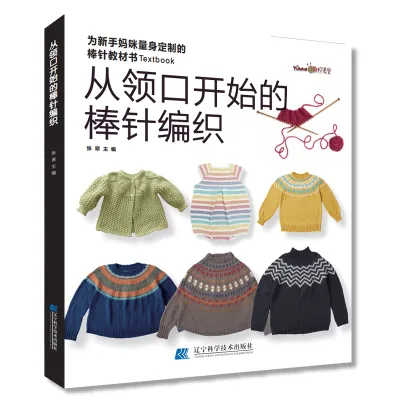
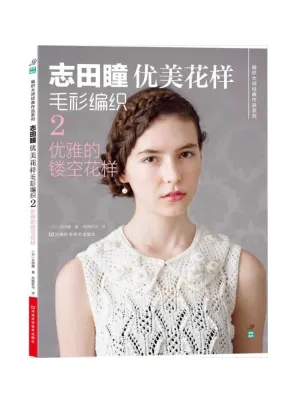
![New 6pc/set Lunarheavenly Charming Flower and Fruit Crochet Knitting Book 30 Lace Crochet Necklace Brooch Ornament Weaving Book[ All 6 Book ] Nana Nakazato Series Books Naiwa Nakazatos Micro-Crochet Book Crochet book yarn crochet patterns handmade](https://img.lazcdn.com/g/p/70bbb0bd9283b82b847c5c1dbb47143b.jpg_webp_400x400q80.jpg_.webp)
Prices are valid at publication and may change. Please refer to the product page for the latest price.
The progression of projects within the book is another critical factor. A poorly structured book might jump from a simple garter-stitch scarf directly to a complex cable-knit sweater, leaving a massive gap in skill development. A well-structured guide features a progressive difficulty curve, where each project builds incrementally on the skills learned in the previous one. For example, the first project might teach you how to cast on and knit a basic dishcloth, the second might introduce purling to create a ribbed scarf, and the third might incorporate basic shaping to form a simple beanie. This step-by-step progression prevents frustration and builds confidence naturally.
Furthermore, mistakes are an inevitable part of learning to knit, making a dedicated troubleshooting section absolutely essential. A good beginner book does not assume perfection; instead, it actively prepares you for common errors. It should include clear instructions on how to identify and fix dropped stitches, how to correct uneven tension, and how to safely unravel stitches (a process known as “ticking back” or “frogging”) without losing your place in the pattern. Having these solutions readily available in the text saves you from having to search online mid-project, keeping your focus entirely on the craft.
How to Evaluate Yarn Brand Recommendations in Patterns
Many knitting books are written in collaboration with specific yarn manufacturers, meaning the patterns will often recommend specific brand-name yarns. Before purchasing a book, it is wise to evaluate how easy it will be to source these recommended yarns. Some brands may be highly accessible in certain regions but difficult or expensive to import to Singapore. You can check the availability of these brands by searching the inventory of local specialty craft stores or mainstream online marketplaces. If the recommended yarn is a boutique brand that is hard to find, you will need to rely on substitution.

To substitute yarn successfully, you must understand yarn weight categories and fiber content. A good beginner book should not rely solely on brand names; it must also provide universal yarn specifications. Look for books that list the standard yarn weight system number (ranging from 0 for lace to 7 for jumbo) alongside the recommended brand. For beginners, medium weights like worsted (category 4) or bulky (category 5) are highly suitable because they are easy to hold and allow you to see your stitches clearly. The book should also specify the fiber content, such as 100% wool, acrylic, or a cotton blend, as different fibers behave differently on the needles.
When evaluating a pattern book, check if the author explains how to read a yarn label and how to calculate yardage or meterage for substitutions. If a pattern requires three skeins of a specific brand, the book should also state the total length of yarn required in meters or yards. This ensures that if you choose to use a different, locally available brand from a craft shop in Singapore, you can easily calculate how many skeins of the alternative yarn you need to purchase to complete your project without running out.
Checking Tool Lists and Equipment Compatibility
The tools you use have a profound impact on your early knitting experience, and a good book should offer clear guidance on selecting the right equipment. Knitting needles come in various materials, including bamboo, wood, metal, and plastic, each offering a different level of grip and speed. For beginners, bamboo or wooden needles are highly recommended because their natural texture provides a slight grip, preventing slippery stitches from sliding off the needles accidentally. Metal needles, while durable and smooth, can be too slick for novices who are still mastering tension control. A quality book will explain these material differences and suggest the best options for your first projects.
Beyond needles, you should review the auxiliary tools listed in the book’s patterns. A beginner-friendly book should keep the required tool list practical and affordable, avoiding overly specialized gadgets that you may only use once. Essential auxiliary tools that should be clearly explained include stitch markers (used to mark specific points in a row), tapestry needles (used for weaving in loose yarn ends), and row counters (used to keep track of your progress). The book should explain how to use these tools effectively and offer simple, household alternatives when possible, such as using a loop of contrasting yarn as a temporary stitch marker.
Sizing compatibility is another crucial detail to verify in any knitting book. Needle sizes can be confusing because different regions use different sizing systems. For example, a needle labeled as US size 8 is equivalent to 5.0 mm, while the UK system uses a different scale entirely. To avoid costly purchasing errors, ensure the book you choose clearly labels all needle sizes in millimeters (mm) alongside any regional sizing systems. This universal measurement makes it simple to find the exact needles you need at any local craft supplier or online store.
Types of Beginner Knitting Books to Look For
When searching for the right knitting book, you will encounter several distinct styles, each suited to different learning preferences. The first category is the specialized introductory book, which focuses entirely on a single type of simple item, such as scarves, dishcloths, or basic blankets. These books are excellent for readers who want to master the absolute basics without getting distracted by complex garment construction. By focusing on flat, rectangular items, you can concentrate entirely on maintaining even tension and mastering the fundamental knit and purl stitches.
The second category is the comprehensive, encyclopedia-style guide. These books combine detailed, step-by-step tutorials for dozens of different stitches with a curated selection of small, manageable projects. An encyclopedia-style book is a fantastic long-term investment because it serves as a reliable reference guide long after you have completed your first few projects. When you encounter an unfamiliar stitch in a future pattern, you can simply flip to the reference section of your book to find a clear explanation and diagram.
The third category consists of modern pattern books that emphasize contemporary aesthetics and practical, everyday wearable designs. These books move away from traditional, old-fashioned patterns and instead feature modern items like chunky beanies, minimalist cowls, and simple oversized cardigans. For many beginners, the excitement of making something they would actually wear in their daily life is a powerful motivator. If you are drawn to modern fashion, look for books that showcase clean photography and stylish, wearable designs that fit your personal wardrobe.
Where to Buy and Verify Knitting Books in Singapore
Finding the most suitable knitting book in Singapore involves exploring both physical and digital retail options. Visiting physical bookstores or specialized craft suppliers allows you to flip through the pages before making a purchase. This hands-on evaluation is incredibly valuable for checking the layout, ensuring the font size is readable, and verifying that the illustrations are clear and easy to follow. Some local craft shops also stock a curated selection of imported knitting books alongside the specific yarns and tools featured in the patterns, making it easy to purchase everything you need in a single trip.
If you prefer the convenience of online marketplaces, you can still verify the quality of a book before buying. Many online retailers offer a “look inside” preview feature that allows you to view the table of contents, the introduction, and a few sample pages. Use this preview to check if the book includes the detailed tool lists and yarn specifications you require. Additionally, take the time to read user reviews, paying close attention to feedback regarding pattern accuracy. Experienced knitters will often leave reviews pointing out if a book contains errata or confusing instructions, helping you avoid problematic publications.
Finally, consider whether a physical book or a digital format best suits your knitting environment. Physical books have the distinct advantage of laying flat on your worktable, allowing you to glance down at the instructions while keeping both hands on your needles. They also make it easy to write physical notes, tick off completed rows, or highlight key steps directly on the page. On the other hand, digital books (such as e-books or PDFs) are highly portable and allow you to zoom in on detailed stitch charts or complex diagrams. Choose the format that aligns best with your personal study habits and knitting space.
Frequently Asked Questions (FAQ)
Do I need to buy the exact yarn brand recommended in the book?
No, you do not need to purchase the exact yarn brand recommended in the book. While using the specified brand ensures your project looks identical to the cover photo, you can easily substitute it with other brands. The key to a successful substitution is matching the yarn weight category (such as worsted or bulky) and the fiber content (such as wool or cotton). Most importantly, you must check your knitting gauge, which is the number of stitches and rows per inch. Before starting your project, knit a small test swatch with your alternative yarn to ensure it matches the gauge specified in the book, ensuring your finished item is the correct size.
Are digital knitting books as effective as physical ones for beginners?
Both digital and physical knitting books are highly effective, but they offer different practical benefits depending on your learning style. Physical books are excellent for hands-on crafting because they can lay flat on your lap or table, allowing you to follow along without needing to wake up a screen with yarn-covered hands. They also allow you to easily write notes in the margins. Digital books, however, offer the ability to zoom in closely on intricate stitch diagrams and charts, which is incredibly helpful for beginners trying to understand stitch anatomy. Digital formats also allow you to carry dozens of books on a single lightweight device.
Community discussion
Share your experience or ask a question. Comments are reviewed before publication.