
Finding the ideal 2027 weekly planner in Singapore requires balancing personal organization habits with physical paper specifications. With a wide array of international and local stationery brands available, selecting a planner is more than just picking an attractive cover design. It is about finding a functional tool that accommodates your daily writing instruments, fits comfortably into your daily commute, and structures your time effectively.
In Singapore’s bustling professional and academic environments, a planner serves as a tangible anchor for goal-setting, time-blocking, and creative expression. Whether you prefer a minimalist layout for rapid logging or a highly structured vertical grid for hourly scheduling, understanding the technical details of paper weight, binding, and layout formats will ensure your choice remains functional throughout the entire year.
Key Factors for Evaluating Weekly Planners
Selecting a planner that survives daily use from January to December requires careful attention to physical construction. The physical attributes of a planner dictate how easily it travels with you and how well it handles your preferred writing tools.
Products mentioned in this guide
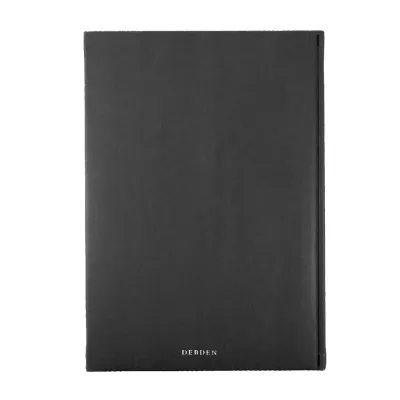
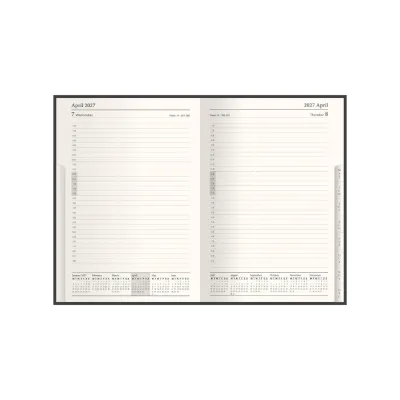
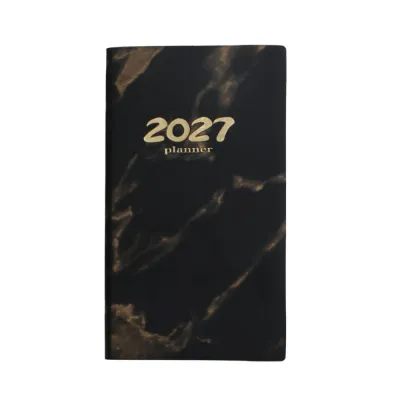
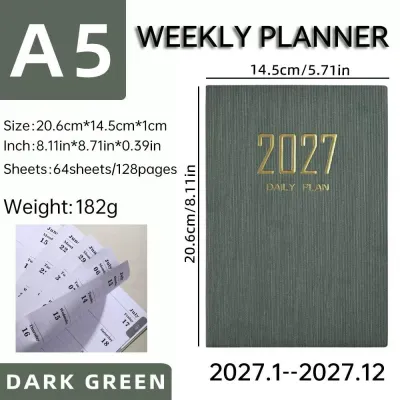
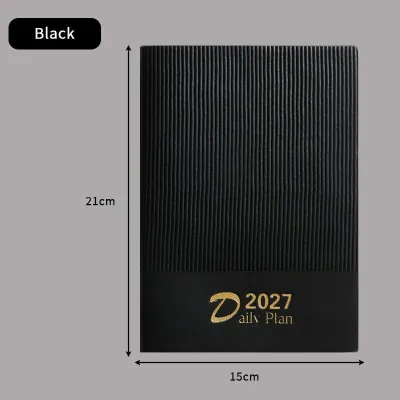
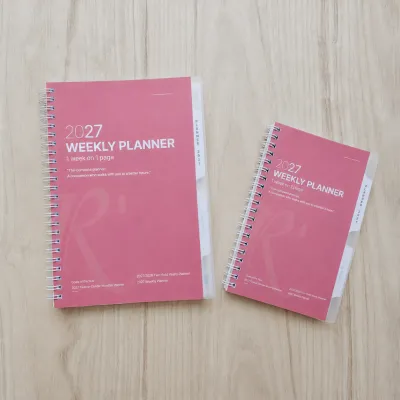
![[2 in 1] 2027 Winnie-The-Pooh Classic Monthly Planner + Weekly Planner / Notebook-(A5 | 120 pages)|ROYCE PUBLISHING](https://img.lazcdn.com/g/p/3491d50b9272e2bf0ff159491255808a.jpg_400x400q80.jpg_.webp)
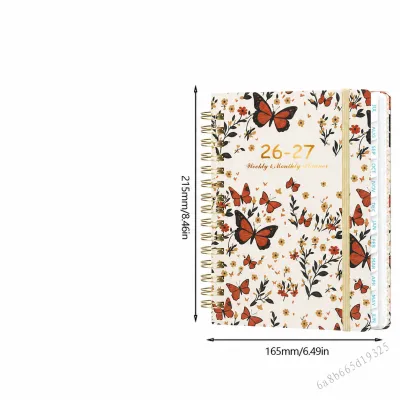
Prices are valid at publication and may change. Please refer to the product page for the latest price.
Size and Portability Options
The dimensions of your planner should align with your daily routine and carrying habits. Common international standards like A5 (148mm x 210mm) offer a generous writing area for detailed scheduling and note-taking, making them excellent for desk-bound professionals or those who carry larger work bags. If you commute regularly via the MRT or prefer to travel light, smaller formats such as B6 (125mm x 176mm) or A6 (105mm x 148mm) provide a highly portable alternative that slips easily into a compact handbag or backpack. Pocket-sized slim planners are also available for those who only need to jot down brief appointments on the go. Before purchasing, measure your daily bag’s interior compartment to ensure your chosen planner fits without bending the corners of the cover.
Paper Weight and Ink Compatibility
The interaction between your writing instrument and the planner’s paper is a critical factor in your daily writing experience. Paper weight is typically measured in grams per square meter (gsm), with standard planner pages ranging from thin 52 gsm specialty papers to thicker 100 gsm or 120 gsm wood-free papers. Thinner papers often allow for a lighter, more compact book even with a high page count, but they may exhibit ghosting—where writing is visible on the reverse side of the page. Thicker papers generally offer higher opacity and resistance to ink penetration.
If you write with fountain pens, gel pens, or heavy ink markers, you must verify the paper’s specific sizing and coating. Smoothness, bleed resistance, drying speed, and feathering are not determined by paper weight alone; they depend on the exact combination of paper fibers, surface treatments, and the specific ink formula you use. For instance, some highly coated, thin papers are exceptionally resistant to fountain pen bleed-through but require longer drying times, which can lead to smudging if you close the book too quickly. Conversely, highly absorbent papers dry rapidly but may cause ink lines to feather or spread. It is advisable to verify the manufacturer’s paper specifications or perform a small ink test on an inconspicuous page before committing to a specific model.
Binding Types and Durability
The binding method directly influences how comfortably you can write across the entire page surface. Thread-bound or section-sewn planners are highly favored for their ability to lay completely flat when opened. This lay-flat performance ensures that you can write comfortably near the center margin without having to hold the pages down constantly. Spiral or wire-o binding allows the planner to be folded back on itself, saving desk space, though the central metal coil can sometimes interfere with your hand placement while writing. Ring-bound and disc-bound systems offer modular flexibility, allowing you to insert, remove, or rearrange pages as needed, but they require compatible hole punches and specific refill sizes. Consider how you position your hand when writing and whether a central binding mechanism will obstruct your natural writing posture over long planning sessions.
Matching Planner Layouts to Your Planning Style
The internal layout of a weekly planner dictates how you visualize your time and organize your tasks. Choosing the right structure depends on whether your days are governed by strict hourly appointments or open-ended task lists.

Vertical versus Horizontal Layouts
Weekly layouts generally fall into vertical or horizontal orientations. A vertical weekly layout presents each day as a column, often divided into hourly or half-hourly intervals. This structure is ideal for professionals, freelancers, and students who practice time-blocking, as it allows you to map out meetings, classes, and appointments chronologically. It provides a clear visual representation of your open time slots throughout the week.
In contrast, a horizontal weekly layout arranges the days in rows across a single page or a two-page spread. This format is better suited for open journaling, reflective writing, and flexible task management. Without the constraint of hourly grids, you have the freedom to write longer sentences, sketch small diagrams, or list tasks that do not need to be completed at a specific hour. If your daily routine is task-oriented rather than meeting-heavy, a horizontal layout offers the necessary breathing room.
One-Page-per-Week versus Two-Page-per-Week Formats
The volume of information you need to record daily should guide your choice between one-page and two-page weekly spreads. A one-page-per-week layout typically features the days of the week on the left page, leaving the right page blank or lined for notes, checklists, and mind-mapping. This hybrid format is highly versatile, allowing you to keep your schedule and your general weekly brain-dump side by side.
A two-page-per-week layout spreads the seven days across both pages, maximizing the writing space allocated to each individual day. This format is essential if you have a high volume of daily tasks, detailed meeting notes, or if you use your planner as a combined personal diary and work tracker. Assess your typical daily output; if you regularly run out of space in standard planners, a full two-page weekly spread or a planner that includes dedicated daily pages alongside the weekly overview will prevent cramped handwriting.
Layout Considerations for Left-Handed Writers
Left-handed writers face unique challenges when using bound books, particularly regarding ink smudging and physical discomfort from binding rings. If you are left-handed, look for planners with generous inner margins to keep your hand away from the central fold or rings. Thread-bound planners that lay perfectly flat minimize the height difference between the left and right pages, reducing hand strain. Additionally, choosing a layout that places the weekly schedule on the right-hand page and notes on the left can help prevent your hand from dragging across freshly written ink, depending on your writing style. Opting for fast-drying ink formulas in combination with less absorbent, smooth paper can also mitigate smudging issues.
Sourcing Reputable Planner Brands in Singapore
Acquiring an authentic, high-quality 2027 planner requires knowing where to shop, both physically and digitally, within Singapore. Purchasing from authorized channels ensures you receive genuine paper stock and avoid counterfeit products that fail to perform as expected.
Authorized Physical Retailers and Specialty Bookstores
For those who prefer to touch and feel the paper before purchasing, Singapore offers several excellent physical retail options. Major international bookstores and specialty stationery shops located in central shopping districts frequently stock premium planner brands. Visiting these physical stores allows you to examine the cover materials, test the weight of the book, and sometimes view open display samples. Specialty Japanese stationery retailers and lifestyle department stores in areas like Orchard Road, Bugis, or City Hall are particularly well-known for carrying a diverse selection of high-grade planners, covers, and accessories.
Official Brand Websites and Verified Online Storefronts
If you prefer the convenience of online shopping, purchasing directly from official brand websites or verified brand stores on major e-commerce platforms is the safest route. Many premium stationery manufacturers operate dedicated regional online storefronts that ship directly to Singapore addresses. When shopping online, look for official store badges or verified seller indicators to ensure you are buying directly from the manufacturer or their authorized distributor. This is especially important for modular planning systems where precise dimensions and paper compatibility are crucial for matching existing covers or binders.
Verifying Seller Credentials and Avoiding Counterfeits
Due to the popularity of premium planners, counterfeit versions and low-quality imitations are common on general online marketplaces. To protect your purchase, carefully review seller ratings, customer feedback, and product photos. Be cautious of listings that offer premium brands at prices significantly lower than the standard retail average. Authentic planners from reputable brands maintain consistent pricing; extreme discounts are often a red flag for counterfeit goods. Check the product descriptions for specific brand names rather than generic terms, and verify that the seller offers a clear return policy in case the item arrives damaged or does not match the specified manufacturer details.
Pre-Purchase Checklist for 2027 Editions
Before finalizing your purchase, running through a quick verification checklist can save you the hassle of dealing with returns or ending up with an unusable planner.
Confirming Calendar Year and Start Month
It is surprisingly easy to accidentally purchase the wrong edition, especially during transitional periods. Always double-check that the planner cover and internal pages are explicitly marked for the year 2027. Additionally, verify the start month of the calendar. Planners come in various formats, including standard calendar-year editions (starting in January), academic editions (often starting in July or September), and mid-year editions. If you require a planner that aligns with the standard calendar year, ensure the weekly spreads begin in January 2027. Alternatively, if you prefer an undated planner, confirm that the layout allows you to fill in the dates manually without pre-printed year markers.
Checking Refill and Ecosystem Compatibility
If you use a modular planning system, such as a leather organizer cover, a traveler’s notebook, or a disc-bound binder, you must verify that the 2027 weekly insert is fully compatible with your existing setup. Check the exact dimensions, hole configurations (such as six-ring, six-hole, or specific disc spacings), and page counts. Manufacturers often use proprietary sizing systems, so a standard A5 insert from one brand may not align perfectly with another brand’s A5 binder. Confirming these specifications beforehand prevents alignment issues and ensures a seamless transition into your existing planning ecosystem.
Reviewing Return and Exchange Policies
Stationery items, particularly dated planners, often have strict return and exchange limitations. Because dated planners lose their value as the year progresses, many retailers do not accept returns once the plastic wrapping has been opened or if the purchase was made after a certain date. If you are ordering from an international seller or an online marketplace, read the return policy carefully. Ensure you understand who covers the return shipping costs and whether exchanges are permitted if the planner arrives with manufacturing defects, such as misprinted pages or damaged binding.
Frequently Asked Questions (FAQ)
How can I test paper quality before committing to a full-year planner?
To test paper quality without ruining a new planner, look for retail stores that provide open display samples specifically for customers to handle. You can gently test your preferred pens on the very last page or in the margins of these samples if permitted by the store staff. Alternatively, you can purchase a smaller, less expensive notebook from the same brand that uses the identical paper specification (such as the same gsm and paper series) to conduct a thorough ink test at home. This allows you to observe how your specific fountain pen inks, gel pens, or highlighters interact with the paper regarding drying speed, feathering, and bleed-through before investing in a full-year weekly planner.
What should I do if my preferred brand has not released their 2027 edition yet?
If your favorite brand has not yet launched its 2027 weekly planner, start by checking their official website or social media channels for announced release schedules, which typically occur between August and October of the preceding year. Many authorized retailers in Singapore allow you to sign up for email notifications or pre-orders to secure your copy as soon as stock arrives. If the release is significantly delayed, you might consider using a temporary undated weekly insert or a modular notebook system for the transitional weeks, ensuring you do not lose track of your schedule while waiting for your preferred edition to become available.
Community discussion
Share your experience or ask a question. Comments are reviewed before publication.