
Finding the right strong magnetic strip for desk organization in Singapore depends on matching the weight of your tools with the strip’s pull force, choosing a mounting method compatible with your desk material, and verifying the build quality to withstand local humidity. A well-chosen magnetic strip clears valuable desktop real estate by keeping frequently used metal items within arm’s reach, transforming cluttered workspaces into highly efficient stations.
To make an informed purchase, you must evaluate your specific workspace layout, understand how magnetic specifications translate to real-world holding power, and know how to safely install the strip without damaging your furniture. This guide provides a comprehensive framework to help you select, verify, and install a high-performance magnetic organizer tailored to your desk setup.
Assessing Your Desk Setup and Tool Requirements
Before browsing product listings, you must audit the specific items you plan to store on your magnetic strip. Common desk accessories vary widely in weight, size, and material composition. Lightweight items like paperclips, binder clips, and tweezers require minimal magnetic pull, whereas heavy-duty tools such as steel scissors, utility knives, multi-tools, or metal rulers demand a significantly stronger magnetic field. Take a moment to gather the items you wish to organize and estimate their combined weight to ensure your chosen strip can handle the collective load.
Products mentioned in this guide
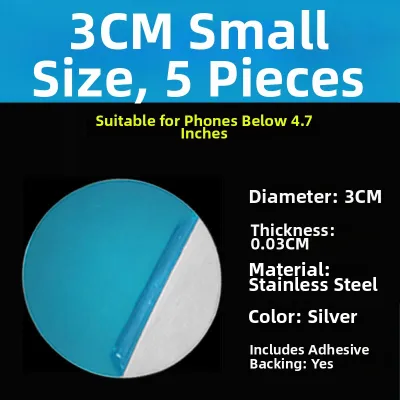
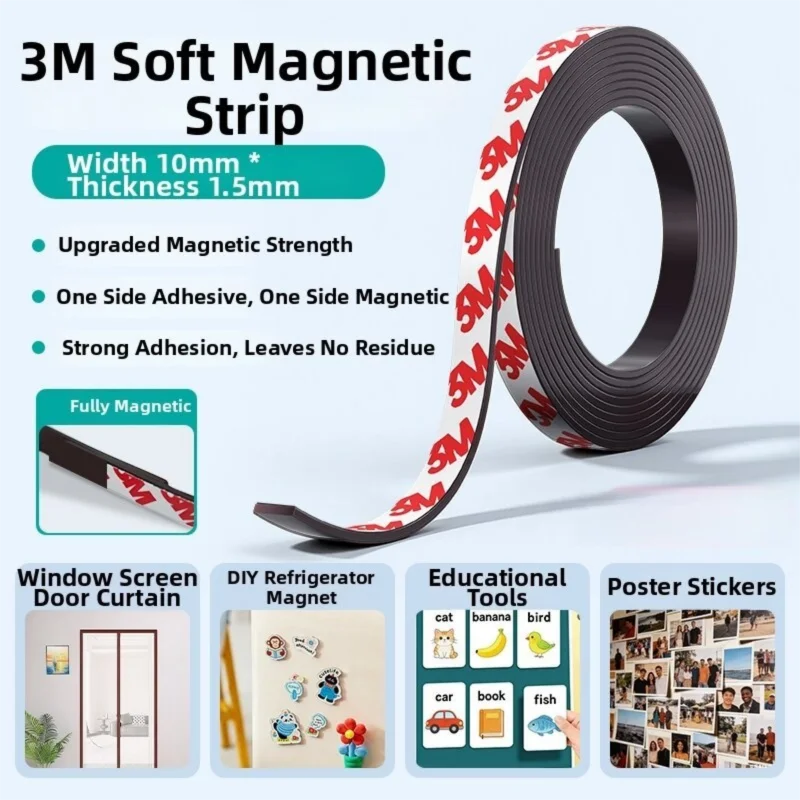
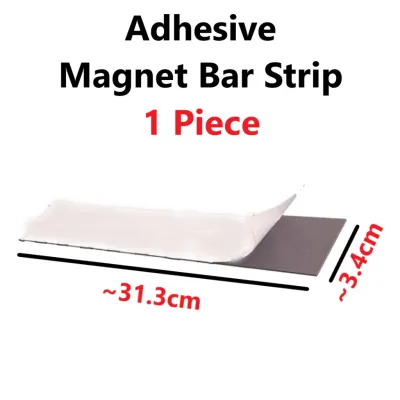
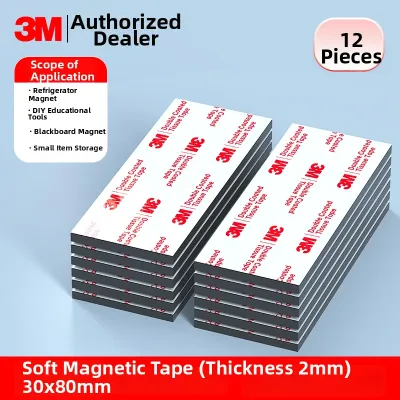
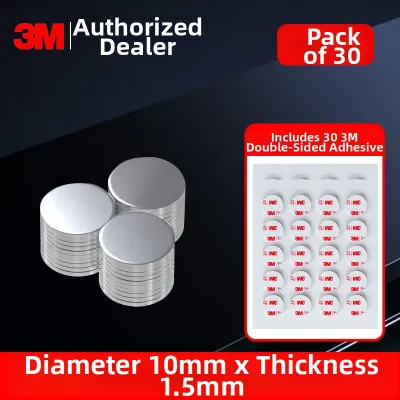
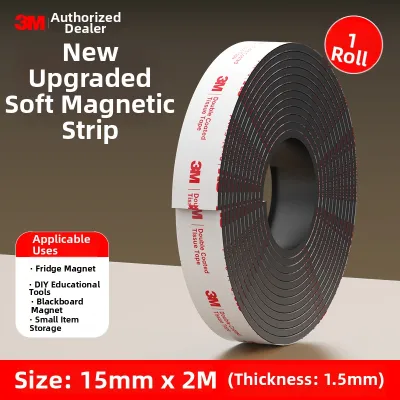
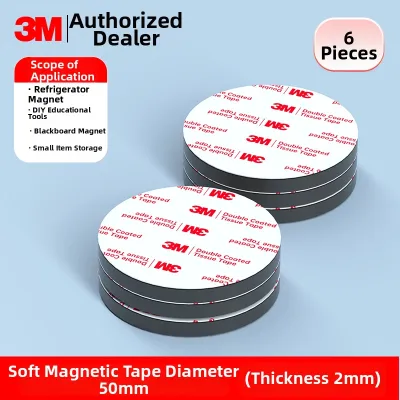
Prices are valid at publication and may change. Please refer to the product page for the latest price.
It is also important to verify that your tools are actually magnetic. While most office shears and utility blades contain high amounts of carbon steel, some premium stationery items are made from aluminum, brass, or specific grades of stainless steel that do not cling well to magnets. Testing your tools with a basic refrigerator magnet beforehand will quickly reveal which items are suitable for magnetic storage and which will require traditional drawer or cup storage.
Next, evaluate the physical layout of your desk to determine the best mounting orientation. A horizontal mount along a wall, backboard, or monitor stand keeps tools visible and aligned at eye level. If desktop space is exceptionally tight, a vertical mount on a desk leg, the side of a filing cabinet, or a partition wall can utilize otherwise wasted space. Alternatively, an under-desk mount allows you to hide tools, cables, or mounting plates completely out of sight, maintaining a minimalist aesthetic while keeping essentials accessible.
Finally, consider the material and construction of your desk, as this directly dictates your mounting options. Solid wood desks are highly versatile, easily accommodating screws or heavy-duty adhesives. Glass desks restrict you entirely to adhesive mounts, requiring clear, high-strength tapes that must look neat from all angles. Metal desks offer the unique advantage of allowing magnetic-on-magnetic mounting, while laminate or medium-density fibreboard (MDF) desks require careful adhesive selection to prevent the surface laminate from peeling under tension.
Key Specifications to Verify Before Purchasing
When evaluating a strong magnetic strip, the manufacturer’s listed pull force is the most critical specification to analyze. Pull force represents the maximum weight a magnet can hold when pulled directly away from a flat, thick steel plate under ideal laboratory conditions. However, in a real-world desk environment, your tools will hang vertically, meaning gravity acts perpendicular to the magnetic pull. This introduces shear force, which typically reduces the effective holding capacity of the magnet to about 10% to 20% of its rated direct pull force.

To compensate for shear force, look for strips with a rated pull force that far exceeds the actual weight of your heaviest tool. For example, if you plan to hang a pair of heavy shears weighing 200 grams, a strip with a rated pull force of at least 2 to 3 kilograms is recommended to prevent the shears from sliding down. Additionally, the contact area between the tool and the strip plays a massive role; a flat metal ruler will stick much more securely than a round screwdriver shaft, which only makes contact along a single thin line.
Mounting mechanisms generally fall into three categories, each suited to different desk materials and permanence levels:
- Heavy-Duty Adhesive Tapes: Acrylic foam tapes provide a strong, drill-free bond on smooth, non-porous surfaces like glass, finished wood, and metal. They are ideal for renters or those who prefer not to damage their furniture, though they can be sensitive to high humidity.
- Screw-In Brackets: This is the most secure and permanent mounting method, highly recommended for heavy tools or under-desk installations where gravity is constantly pulling the strip downward. It requires drilling pilot holes into your desk or wall.
- Freestanding or Magnetic Backing: Some strips feature a magnetic back that allows them to cling directly to steel desk frames, whiteboards, or metal privacy screens without any adhesive or screws, offering maximum repositionability.
Dimensions and surface area must also be verified to ensure the strip fits your designated workspace. Measure the length, width, and thickness of the strip before purchasing. A wider strip provides a larger contact area, which prevents longer tools from pivoting, tilting, or knocking into adjacent items. Thicker strips often house deeper, more substantial magnets, which project a stronger magnetic field further outward, making it easier to catch tools as you bring them close to the surface.
Evaluating Build Quality and Material Durability
The casing material of the magnetic strip determines its resistance to daily wear, impact, and environmental factors. Stainless steel casings are highly favored for office and craft environments because they resist scratches, wipe clean easily, and withstand the high humidity levels common in Singapore without rusting. Aluminum casings offer a lightweight, corrosion-resistant alternative with a modern matte finish, though they can scratch more easily if heavy steel tools are repeatedly dragged across them. ABS plastic casings are budget-friendly and gentle on tools, but they may degrade or crack over time under heavy loads.
Inside the casing, the type of magnet used dictates the strip’s long-term performance. Neodymium magnets (NdFeB) are the strongest permanent magnets available, offering exceptional holding power in a very slim profile. However, raw neodymium is brittle and highly prone to corrosion, making a sealed, high-quality casing essential. Ferrite or ceramic magnets are highly resistant to corrosion and very economical, but they are much weaker and bulkier, requiring a larger strip to achieve the same holding power as a small neodymium alternative.
To protect both the strip and your valuable tools, look for protective surface features. Some high-quality magnetic strips feature a thin, non-slip rubber or silicone coating over the magnetic face. This coating serves two vital purposes: it significantly increases friction, preventing tools from sliding downward under shear force, and it acts as a cushion, preventing metal-on-metal scratching when you mount or remove sharp tools. If a strip lacks this coating, you can apply a thin layer of silicone tape or heavy-duty vinyl wrap to achieve a similar protective effect.
Sourcing and Verifying Products in Singapore
When sourcing magnetic strips in Singapore, you can choose between local physical retailers and online marketplaces. Local hardware stores, neighborhood DIY shops, and specialized stationery suppliers allow you to handle the products in person, giving you a clear sense of the strip’s weight, build quality, and magnetic strength before buying. Online marketplaces and specialized e-commerce platforms offer a wider variety of dimensions and mounting styles, but they require a more rigorous verification process to avoid low-quality listings.
To verify online product claims, always cross-reference the seller’s listing with the official manufacturer’s website or technical datasheets. Look for detailed product descriptions that specify the exact magnet type (such as Neodymium Grade N35 or N52) and provide clear dimensional drawings. Be skeptical of listings that use vague marketing terms like “ultra-strong” or “industrial grade” without providing numerical pull forces, dimensions, or material specifications. Checking customer feedback specifically for mentions of adhesive failure or weak magnetic hold can also reveal real-world performance issues.
Price comparison should be conducted in S$ while factoring in the total cost of ownership, including shipping fees and potential mounting accessories. While budget-friendly strips may seem appealing, they often utilize weaker ferrite magnets or low-grade adhesives that fail quickly in warm climates. Investing in a slightly higher-priced strip with a reputable brand name, clear warranty terms, and a flexible return policy is often more cost-effective in the long run, especially if you are mounting expensive tools or delicate stationery accessories.
Safe Installation and Desk Surface Protection
Proper installation is crucial to maximize the holding power of your magnetic strip and protect your desk surface from permanent damage. If you are using an adhesive-mounted strip, you must prepare the surface meticulously. Clean the mounting area with isopropyl alcohol to remove all traces of dust, finger oils, and polish residue. Allow the surface to dry completely before applying the adhesive. Avoid using household glass cleaners or multi-surface sprays, as they often leave behind a thin silicone residue that severely compromises the adhesive bond.
Once the adhesive is applied, press the strip firmly against the surface for at least 30 seconds to activate the pressure-sensitive tape. It is absolutely vital to observe the manufacturer’s recommended curing time before hanging any tools. Most high-strength acrylic adhesives require 24 to 72 hours to reach their maximum bond strength. Loading the strip prematurely is the leading cause of adhesive failure, which can result in falling tools damaging your desktop or injuring your feet.
For screw-in installations, always drill precise pilot holes using a drill bit slightly smaller than the screw threads. This prevents hard wood or laminate surfaces from splitting or cracking under pressure. If you are mounting the strip to a drywall partition or a thin hollow-core desk, ensure you use appropriate wall anchors to distribute the weight safely. Keep the mounting brackets level and flush against the surface to prevent any wobbling or uneven stress on the screws.
When the time comes to remove or reposition an adhesive-mounted strip, proceed slowly to avoid tearing the desk’s finish or laminate layer. You can soften the adhesive bond by gently heating it with a hair dryer on a low setting. Once warmed, slide a piece of dental floss, fishing line, or a thin plastic putty knife behind the strip and use a sawing motion to cut through the foam tape. Any remaining adhesive residue can be safely dissolved using a mild, citrus-based adhesive remover or isopropyl alcohol applied to a soft microfiber cloth.
Frequently Asked Questions (FAQ)
Can strong magnetic strips damage electronic devices on my desk?
Yes, strong magnetic strips can potentially damage or disrupt certain electronic devices if they are placed too close. While modern solid-state drives (SSDs), smartphones, and laptops are highly resistant to static magnetic fields, older mechanical hard drives (HDDs), magnetic stripe cards, analog watches, and CRT monitors are highly sensitive to magnetic interference. To prevent data loss or device malfunction, maintain a safe distance of at least 10 to 20 centimeters between your magnetic strip and any sensitive electronics, and always consult your device manuals for specific magnetic safety guidelines.
How do I clean a magnetic strip without reducing its strength?
To clean a magnetic strip safely, use a dry or slightly damp microfiber cloth to wipe away dust, fingerprints, and fine metal shavings that naturally accumulate over time. For stubborn grime, use a mild, non-abrasive household cleaner or a highly diluted dish soap solution, ensuring you dry the surface immediately afterward to prevent moisture from seeping into the casing. Avoid using harsh chemical solvents like acetone, paint thinner, or highly acidic cleaners, as these substances can degrade protective silicone coatings, dissolve adhesive backings, or corrode the underlying magnets.
Community discussion
Share your experience or ask a question. Comments are reviewed before publication.