
Choosing the right face paint for children in Singapore requires balancing vibrant, creative fun with strict skin safety. Because children’s skin is thinner and more sensitive than adult skin, the ideal face paint must be formulated with cosmetic-grade ingredients, dry quickly to withstand the local humid climate, and wash off easily without harsh scrubbing. Selecting a beginner set involves looking for water-activated palettes that offer a complete range of primary colors, skin-safe applicators, and clear safety certifications.
By focusing on dermatologically tested formulas and user-friendly formats like water-activated cakes or face paint crayons, parents can host worry-free birthday parties, school events, and festive celebrations. This guide outlines how to verify product safety, compare different paint formats, evaluate starter kits, and practice safe application and removal techniques.
Key Safety and Quality Checks for Kids' Face Paint
Before purchasing any face paint kit, the most critical step is verifying its safety credentials. Face paints are classified as cosmetics because they are applied directly to the skin for extended periods. Reputable manufacturers print a full list of ingredients on their packaging, allowing parents to identify potential allergens. Avoid any products that only list vague terms like “non-toxic pigments” without specifying the actual chemical compounds or color additives used.
Products mentioned in this guide
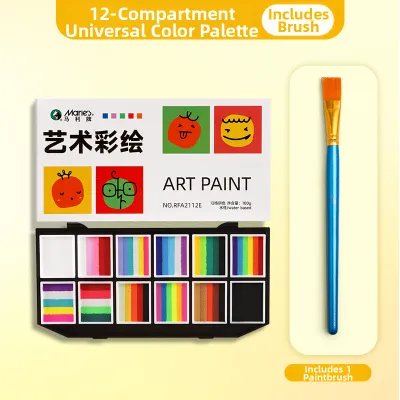
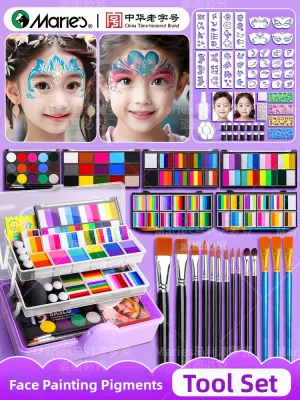
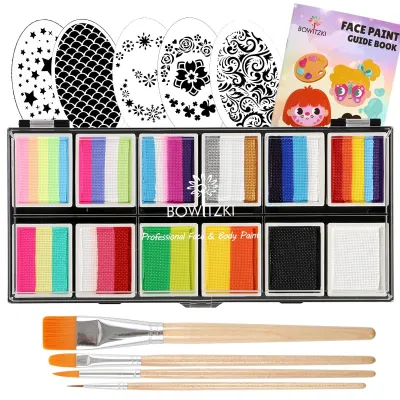
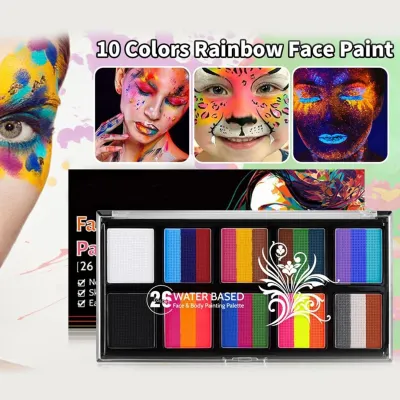
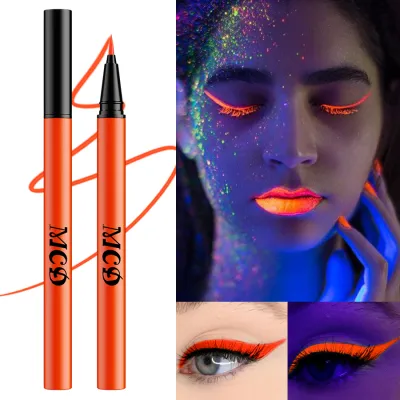
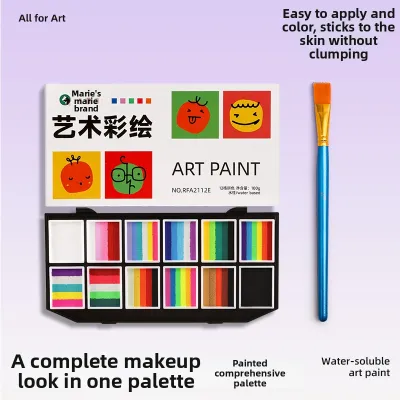
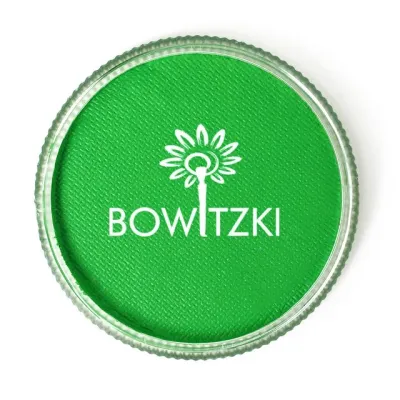
Prices are valid at publication and may change. Please refer to the product page for the latest price.
When shopping on online marketplaces or in local craft stores, look for clear indications of cosmetic compliance. Safe face paints should carry markings showing they conform to international cosmetic standards, such as those set by the US Food and Drug Administration (FDA) or European Union (EU) cosmetic regulations. These standards restrict the use of harmful heavy metals, industrial dyes, and known skin sensitizers that are sometimes found in cheap, industrial-grade paints.
Age grading is another vital indicator of product safety. Most reputable face paint brands specify an age limit, typically advising against use on children under three years old. Toddlers have highly sensitive skin barriers and are more likely to rub their faces and accidentally ingest the paint. Clear packaging should also display the manufacturer’s name, contact details, and batch code, which ensures accountability in case of an adverse reaction.
Even when using a certified cosmetic-grade product, individual skin sensitivities can still occur. Performing a preliminary skin patch test is the most effective way to prevent widespread allergic reactions. Apply a small dab of the prepared paint onto the child’s inner forearm or behind the ear, as these areas have sensitive skin similar to the face. Leave the paint on for at least thirty minutes, then wash it off and monitor the area for the next twenty-four hours for any signs of redness, swelling, itching, or bumps.
Comparing Face Paint Formats for Beginners
Beginner face paints generally fall into three main categories: water-activated cakes, face paint crayons, and cream-based paints. Each format offers distinct advantages depending on the child’s age, the complexity of the designs, and the environment in which the painting takes place.

Water-activated palettes are widely considered the gold standard for both beginners and professional face painters. These paints arrive as dry, compressed cakes that require a damp brush or sponge to activate the pigment. They offer excellent control, allow for smooth blending, and dry to a touch-resistant finish within minutes. In Singapore’s warm and humid climate, water-activated paints are highly practical because they do not feel heavy on the skin and are less likely to run or smudge from sweat.
Face paint crayons are an excellent alternative for toddlers and very young children who cannot sit still for long periods. These crayons require no water, brushes, or mixing, making them incredibly convenient for quick, mess-free application. While they are perfect for drawing simple shapes like whiskers, stars, or superhero masks, they lack the precision needed for fine linework and are difficult to blend over larger areas of the face.
Cream-based or grease paints are oil-based formulas that remain wet and pliable on the skin. While they offer highly saturated color and are resistant to water and sweat, they require a setting powder to prevent smudging. Cream paints can feel heavy and greasy on a child’s face, and they are significantly harder to remove than water-activated alternatives. For casual children’s events, the difficult cleanup and potential for clogged pores make cream paints less suitable than water-activated options.
Evaluating Beginner Sets and Starter Kits
When choosing a starter kit, look closely at the quality of the included tools rather than just the number of paint colors. A high-quality beginner set should include at least one medium flat brush for filling in large shapes, a fine round brush for detailed linework, and several high-density makeup sponges. Sponges are essential for applying smooth, even base coats without leaving unsightly brush streaks.
Supplementary items like stencils and cosmetic glitter can greatly enhance the value of a beginner kit. Stencils are particularly helpful for parents who may not feel confident in their freehand drawing abilities, allowing them to create clean, recognizable shapes in seconds. If the kit includes glitter, ensure it is labeled as cosmetic-grade polyester glitter; traditional craft glitter is made of glass or metal fragments that can cause severe eye injuries if they migrate into the eyes.
Evaluating the cost-per-color is a smart way to determine the overall value of a kit. A comprehensive beginner kit priced around S$20 to S$30 often provides a wide palette of primary, secondary, and metallic colors that will last for dozens of applications. Buying individual professional paint pots can quickly become expensive, often costing S$8 to S$12 per color. For occasional use at home or school, a well-curated multi-color starter kit offers the best balance of variety and affordability.
Safe Application and Effective Removal Practices
Proper skin preparation is key to a successful face painting session. Begin by gently cleaning the child’s face with a damp cloth to remove excess oils, dirt, or sunscreen, which can prevent the paint from adhering smoothly. Ensure the skin is completely dry before applying the first layer of paint. Never apply face paint over open cuts, active eczema, sunburn, or any skin abrasions, as this can introduce bacteria and cause irritation.
When painting, establish clear boundaries to protect sensitive areas. Avoid applying paint directly onto the eyelids, the immediate under-eye area, or the lips. Children frequently rub their eyes when tired, and lip designs are easily licked off and ingested. If a design requires color near these areas, keep a safe distance of at least one centimeter from the lash line and use a clean cotton swab for precise, controlled application.
Removing face paint should always be a gentle process to avoid irritating the skin. Most water-activated paints can be easily dissolved using warm water and a mild baby soap or a gentle facial cleanser. Avoid using harsh makeup wipes that contain alcohol or strong fragrances. For highly pigmented colors that leave a slight shadow on the skin, apply a small amount of baby oil, coconut oil, or micellar water to break down the remaining pigment, then wipe it away gently with a soft cotton pad.
During the painting session, keep a close eye on the child’s comfort. If they complain of itching, tingling, or a burning sensation, stop painting immediately. Wash the paint off the skin using cool, clean water and a mild soap. Do not scrub the skin, as friction will only worsen the irritation. If redness or swelling persists after the paint is completely removed, consult a medical professional for advice.
Frequently Asked Questions (FAQ)
How long does face paint last once opened?
Most cosmetic face paints feature a Period After Opening (PAO) symbol on the packaging, which resembles a tiny open jar with a number followed by the letter ‘M’ (such as 12M or 18M). This indicates that the product is formulated to remain safe and effective for twelve or eighteen months after it is first opened.
To maximize the lifespan of your face paints, always allow water-activated cakes to air-dry completely before putting the lids back on and storing them. Storing damp paint in a sealed container creates a humid environment that encourages the growth of mold and bacteria. Keep your kits in a cool, dry cupboard away from direct sunlight and extreme temperature fluctuations.
Will face paint stain clothing, and how can it be removed?
Some highly pigmented face paint colors, particularly deep reds, dark blues, and intense blacks, can leave temporary stains on light-colored clothing. To minimize this risk, dress children in older clothes or use a protective painting smock during the session.
If paint does get onto fabric, address the stain as quickly as possible by rinsing the area from the back of the fabric with cold, running water to flush out the pigment. Apply a small amount of liquid laundry detergent or a dedicated stain remover directly to the spot, rub it gently, and let it sit for several minutes before washing the garment in a standard cold cycle. Avoid using hot water or putting the clothing in a dryer until you are certain the stain is completely gone, as heat can permanently set the pigment into the fabric fibers.
Community discussion
Share your experience or ask a question. Comments are reviewed before publication.