
Finding the right reading accessories for young students requires balancing everyday practicality with strict safety standards. While traditional paper or tassel bookmarks often slip out of school bags or get crushed inside textbooks, magnetic alternatives offer a secure grip. However, not all magnetic options are created equal when it comes to child safety and long-term durability. This guide helps parents and educators evaluate materials, verify safety features, and build a reliable shortlist of magnetic bookmarks that support a child’s daily reading habits without risking damage to books or compromising safety.
The most suitable magnetic bookmarks for primary school students are lightweight, fold-over designs made from durable, tear-resistant materials with fully encapsulated magnets. For young readers, the ideal bookmark must balance a secure grip with a moderate magnetic strength that is easy for small hands to open and reposition without tearing delicate book pages. Safety is paramount, meaning parents should look for seamless edges, non-toxic coatings, and designs that are large enough to avoid being a choking hazard. By focusing on physical durability, ease of handling, and protective finishes, you can find a reliable reading companion that keeps their place secure throughout the busy school day.
Why Magnetic Bookmarks Suit Early Readers
Traditional paper slips, cardboard markers, and decorative tassels often fall short in a primary school environment. Young students are constantly on the move, shifting books from classroom desks to heavy school bags, and then to home study tables. During these transitions, loose paper bookmarks easily slide out, causing students to lose their place and experience frustration when trying to resume their reading tasks. This constant loss of progress can disrupt a child’s reading flow and diminish their enthusiasm for independent learning.
Products mentioned in this guide


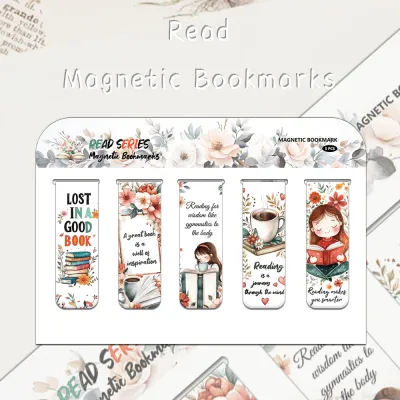
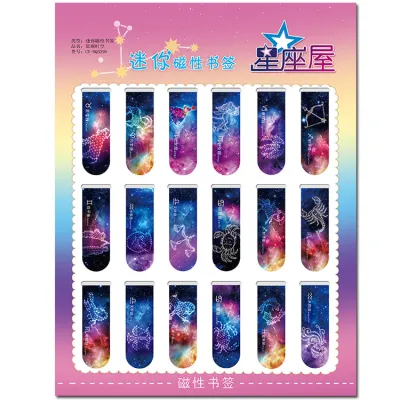



Prices are valid at publication and may change. Please refer to the product page for the latest price.
Magnetic bookmarks solve this issue by clamping directly onto the page. They use two opposing magnetic poles to sandwich a single sheet or a small group of pages, ensuring the marker stays exactly where it was placed, even if the book is dropped or jostled inside a backpack. This reliable grip helps maintain a student’s reading momentum and encourages independent study habits, as they can quickly open their book to the correct page without searching.
Furthermore, these accessories support the development of fine motor skills in early readers. Opening a fold-over magnetic bookmark requires a simple pinch-and-pull motion, which helps refine hand-eye coordination and finger strength. Unlike rigid plastic clips or metal page holders, a lightweight magnetic marker does not require complex alignment or excessive force to secure, making it highly accessible for children in lower primary grades.
Another significant advantage is the preservation of school materials. Traditional metal clips can scrape paper fibers, while thick plastic markers can stretch the book spine or leave permanent indentations on pages. A thin, flexible magnetic bookmark distributes pressure evenly across the clamped area, preventing dog-ears, tears, and structural damage to both library books and personal textbooks. This helps keep school resources in excellent condition for longer periods.
Essential Features for Daily School Use
When selecting magnetic bookmarks for daily classroom use, physical dimensions and weight are critical factors. A bookmark that is too large or heavy can pull down on thin paper pages, causing them to sag or tear when the book is held upright. Ideally, a student’s bookmark should weigh only a few grams and measure between 5 to 10 centimeters in length when folded. This size provides enough surface area for easy handling while remaining compact enough to fit standard school reading books and textbooks without protruding awkwardly.

The strength of the magnet requires careful calibration. While a strong magnet ensures the bookmark remains attached, excessive magnetic force can make it incredibly difficult for a child to separate the two sides. If a student has to pull too hard, they risk ripping the page or pinching their fingers. Look for bookmarks with flexible, low-intensity rubber magnets. These provide a gentle yet secure hold that holds its position but releases smoothly when a child slides a finger between the folded halves.
Material quality determines how well the bookmark survives the school year. Primary school supplies are subjected to frequent handling, occasional drops, and accidental spills. Bookmarks constructed with a laminated paper exterior or a flexible synthetic polymer shell offer the best resistance to wear. A high-quality matte or glossy lamination prevents the edges from fraying, keeps the printed designs from fading, and stops moisture from penetrating the core.
Additionally, the finish of the bookmark should resist dirt and grease. Children’s hands often carry traces of pencil graphite, ink, or food oils from recess. A smooth, non-porous surface allows these marks to be wiped away easily, keeping the accessory hygienic. Rounded corners are also essential, as sharp, square edges on plastic or heavy cardstock can catch on pages or scratch sensitive skin during quick handling.
Safety and Durability Checks for Parents
Safety must be the primary consideration when purchasing any school supply, especially for younger primary school students who may still explore objects with their mouths. The most critical safety check involves magnet encapsulation. Loose magnets pose a severe choking and internal injury hazard if swallowed. Parents must inspect the bookmark to ensure that the magnetic sheets are fully sealed within the outer protective layers, with no exposed edges or peeling seams that could allow the magnet to slide out.
To verify this, perform a physical pinch test on the edges of the bookmark. Press along the seams to check if the adhesive or heat-sealed border is firm and uniform. If you can easily peel back the outer decorative layer with a fingernail to reveal the dark magnetic material underneath, the bookmark is not durable or safe enough for unsupervised school use. Opt for designs where the magnet is integrated directly into the flexible body material rather than glued on as a separate piece.
Edge and seam quality also impact physical safety. Run your thumb along the outer perimeter of the bookmark to check for sharp plastic burrs, rough heat-sealed ridges, or stiff stitching. High-quality manufacturing processes leave a smooth, soft edge that feels comfortable to hold. If a bookmark has hard, pointed corners, it can easily scratch a child’s finger or puncture thin book pages during a hurried study session.
Finally, always review the product packaging and labels for age-appropriateness and material safety. Look for clear indicators that specify the recommended age group, typically aiming for products rated for children aged three and older. Avoid products that lack clear manufacturer labeling or those sold in bulk without any safety warnings. While generic “non-toxic” claims are common, verifying that the product complies with standard toy and stationery safety guidelines provides peace of mind.
Building Your Shortlist: What to Compare
Creating a practical shortlist of magnetic bookmarks involves matching the accessory to your child’s specific reading materials. Primary school curricula typically transition from thin, large-format picture books in the early years to thicker, dense chapter books in the upper grades. A bookmark that works perfectly for a thin paperback may not have the physical reach or clearance needed to clamp over the thicker pages of a reference book. Ensure you select a variety of sizes to accommodate different book formats.
Visual design is another important comparison point. While bright colors and fun illustrations can motivate young readers, overly distracting shapes or dangling elements can hinder focus. Choose bookmarks with clean, simple profiles that sit flush against the page. Avoid designs with excessive glitter, raised 3D elements, or hanging charms, as these can press into adjacent pages when the book is closed, leaving permanent indentations or distracting the student during silent reading sessions.
When researching options on online marketplaces or stationery sites, pay close attention to user feedback regarding long-term performance. Look for reviews that specifically mention how well the bookmark retains its magnetic strength over several months of daily use. Some low-quality magnets lose their charge quickly or become brittle and crack when folded repeatedly. Feedback highlighting edge wear, peeling lamination, or ease of cleaning will help you filter out fragile options.
Additionally, consider the quantity and value of the set. Since primary school students frequently misplace small items, purchasing a multi-pack is often more practical than buying a single, expensive designer bookmark. A set of four to six coordinating bookmarks allows you to keep spares at home, in the classroom, and in the school bag, ensuring your child is never without a page marker when reading time begins.
Keeping Bookmarks Clean and Functional
Maintaining magnetic bookmarks is straightforward and helps extend their lifespan throughout the school year. To keep the surfaces clean and hygienic, wipe them down periodically with a dry or slightly damp microfiber cloth. This easily removes finger oils, dust, and light pencil marks without damaging the protective lamination. Avoid soaking the bookmarks in water or using harsh chemical cleaners, as moisture can seep into the paper core or degrade the adhesive holding the layers together.
Proper storage is equally important for preserving magnetic strength and shape. When the bookmarks are not actively marking a page, store them flat inside a pencil case or attach them to a designated metal surface, such as a family refrigerator or a metal whiteboard. Leaving them bent, twisted, or crumpled at the bottom of a school bag can cause permanent creasing, which weakens the magnetic contact and prevents the bookmark from lying flat on a page.
Parents should also establish a routine check to identify when a bookmark needs to be replaced. Inspect the fold line regularly for signs of material fatigue, such as deep cracks, peeling laminate, or exposed internal paper. If the magnetic grip becomes noticeably weaker, or if the edges begin to fray and expose the inner magnet, discard the bookmark immediately. Replacing worn-out markers promptly ensures that your child’s books remain protected and their reading experience stays safe and enjoyable.
Frequently Asked Questions (FAQ)
Can magnetic bookmarks damage textbook pages?
When used correctly, high-quality magnetic bookmarks do not damage textbook pages. However, damage can occur if the bookmark has rough edges, exposed adhesive, or an excessively strong magnetic pull. To prevent page tearing or creasing, choose bookmarks with smooth, rounded corners and a moderate magnetic strength that allows for easy sliding. Additionally, avoid pulling the bookmark straight off the page; instead, gently slide a finger between the magnetic halves to release the grip before lifting it away. This simple technique protects delicate paper fibers and prevents ink transfer or smudging on printed pages.
Are fold-over magnetic bookmarks better than single-piece magnetic clips?
Fold-over magnetic bookmarks are generally much better suited for primary school students than single-piece magnetic clips. The fold-over design naturally wraps around the top or side of a page, distributing the clamping force evenly and providing a clear visual marker that is easy to spot. Single-piece clips often rely on a stronger, more concentrated magnetic pinch or a rigid metal spring mechanism, which can be difficult for small hands to operate and is more likely to crease or tear paper. The simple, flexible nature of fold-over bookmarks makes them the safer and more user-friendly choice for early readers.
Community discussion
Share your experience or ask a question. Comments are reviewed before publication.