
Crocheting in Singapore presents a unique set of challenges and opportunities. The year-round tropical warmth and high humidity significantly influence how different fibers feel against the skin, how they drape, and how they hold up over time. Finding the right yarn is not merely about picking a beautiful color off a shelf; it requires understanding how different brands manufacture, label, and distribute their products. Rather than relying on a static list of trending labels, local crafters benefit most from a systematic framework. By learning how to evaluate yarn consistency, match fiber characteristics to specific tropical projects, and verify local sourcing channels, you can confidently select materials that ensure your handmade creations remain beautiful and durable for years to come.
Key Criteria for Evaluating Crochet Yarn Brands
When assessing any yarn brand for your crochet projects, consistency is the most critical factor to consider. A reputable manufacturer maintains strict quality control, ensuring that the fiber content stated on the label matches the actual composition of the skein. In cheaper or less reliable brands, synthetic-natural blends can vary between batches, leading to unexpected differences in texture, elasticity, and drape within the same project. Before committing to a brand for a major project, examine the ply of the yarn; high-quality brands offer a consistent twist that prevents the individual strands from separating or splitting easily when caught by a crochet hook.
Dye lot reliability and colorfastness represent another major benchmark of brand quality. When yarn is dyed in batches, slight variations in temperature, water chemistry, and dye concentration can alter the final shade. Established brands meticulously label these batches with dye lot numbers and maintain high standards of color consistency, meaning two skeins from different lots are more likely to match closely. Furthermore, reliable brands use high-quality dyes that do not bleed when washed. This is particularly important in Singapore, where frequent washing is necessary due to the humid climate. You can test a brand’s colorfastness by wetting a small sample of yarn and pressing it against a white paper towel to check for color transfer.
Products mentioned in this guide
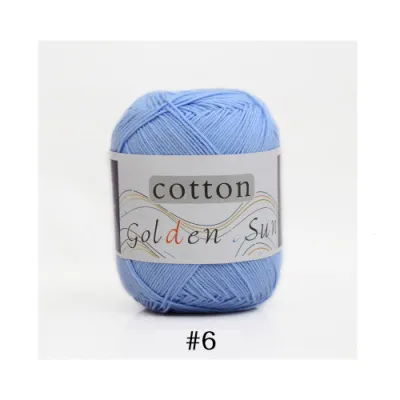
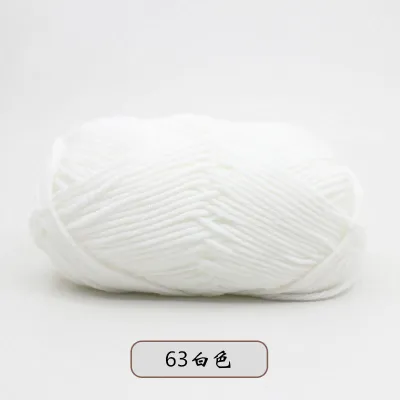
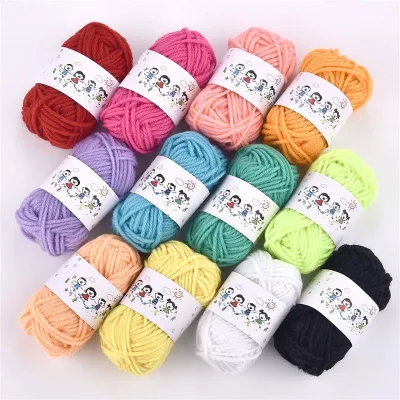
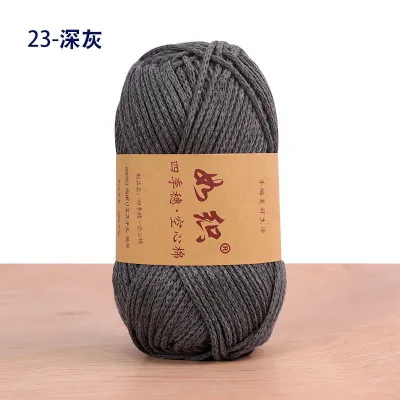
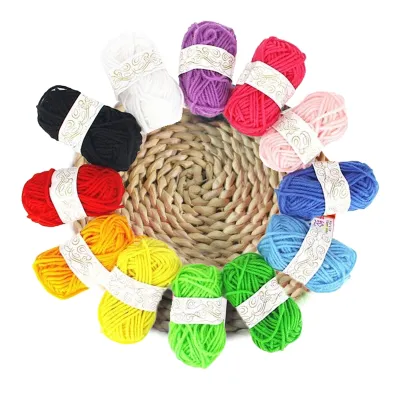
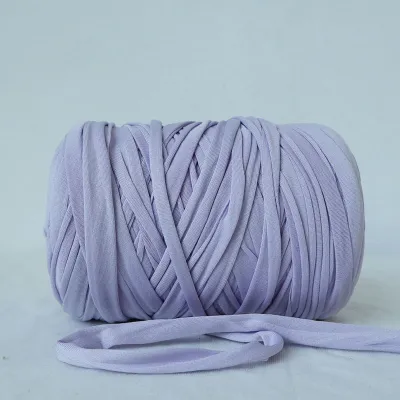
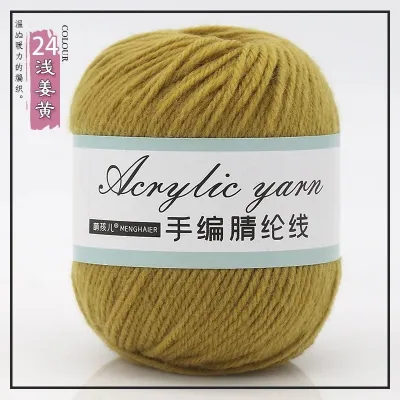
Prices are valid at publication and may change. Please refer to the product page for the latest price.
Pricing transparency and value are best evaluated by calculating the cost per unit of weight or length, typically measured in S$ per 100 grams or per 100 meters. Some brands package their yarn in non-standard weights, such as 40-gram or 85-gram skeins, which can make direct price comparisons misleading. By converting the price to a standard S$ per 100g metric, you can accurately compare budget acrylics, mid-range cottons, and premium hand-dyed fibers. Additionally, look for brands that offer clear yardage information on their labels, as different fiber blends of the exact same weight can have vastly different lengths.
Finally, consider the brand’s color palette longevity and the availability of complementary shades. A dependable brand maintains its core colorways for years, allowing you to pause a project and return to it later without fearing that your chosen shade has been abruptly discontinued. They also design their color ranges with cohesive palettes, making it easier to select harmonious shades for multi-colored projects like granny square blankets or color-blocked garments.
Matching Yarn Characteristics to Your Crochet Project
Selecting the right yarn requires balancing your personal crochet skill level with the intended function of the finished item. The physical properties of the fiber—such as its weight, elasticity, stitch definition, and breathability—will directly dictate how easy the project is to work and how well the final piece performs in daily use.

Yarn Choices for Beginners and Practice Swatches
For those who are new to crochet, the physical structure of the yarn can either facilitate rapid learning or cause immense frustration. Beginners should look for smooth, tightly plied yarns in light, solid colors. Light shades reflect more light, making it significantly easier to identify individual stitches, count rows, and locate the correct loops to insert the hook. Tightly plied yarns, where the individual strands are twisted firmly together, resist splitting. This structural integrity prevents the crochet hook from accidentally piercing the yarn strand, which is a common issue when mastering basic stitch mechanics.
Medium-weight yarns, specifically those categorized as worsted, aran, or double knitting (DK), are highly recommended for beginners. These weights are thick enough to hold comfortably and allow you to see your stitch structure clearly, yet they are not so bulky that they tire out your hands quickly. Working with a medium-weight yarn alongside a matching hook size helps you develop a consistent tension, which is the foundation of neat, even crochet work.
During the initial learning phase, it is wise to avoid highly textured, slippery, or fuzzy yarns. Novelty yarns, such as chenille, boucle, or eyelash yarns, obscure stitch definition entirely, making it nearly impossible to see where one stitch ends and the next begins. Highly slippery fibers, such as pure bamboo or silk, can easily slide off the hook, causing dropped stitches and uneven tension. Similarly, loosely twisted single-ply yarns split easily and can tear under the uneven tension typical of a beginner’s early practice sessions.
Yarn Selections for Wearables and Home Decor
Creating crochet items for use in Singapore’s tropical climate requires careful consideration of fiber breathability and moisture management. For garments and wearable accessories, natural plant-based fibers like cotton, linen, and bamboo blends are highly suitable. Cotton is exceptionally breathable and absorbs moisture, keeping the wearer cool in warm weather. Linen offers excellent structural stability and becomes softer with every wash, making it ideal for lightweight summer tops. Bamboo blends introduce a beautiful, silky drape and a natural sheen, though they are often combined with cotton or acrylic to prevent the garment from stretching out of shape under its own weight.
For home decor items such as cushions, coasters, and blankets, durability and ease of maintenance are the primary concerns. High-use items are prone to friction, which can cause fibers to rub together and form unsightly pills. To prevent this, look for mercerized cotton or high-quality, low-pill acrylic yarns. Mercerization is a chemical treatment that strengthens cotton fibers, gives them a lustrous finish, and makes them highly resistant to fraying and pilling. If you are crocheting items like floor rugs or storage baskets, sturdy fibers such as structural cotton cords, raffia, or multi-stranded linen will provide the necessary stiffness to hold their shape.
When crafting delicate accessories like shawls, wraps, or lightweight scarves, the drape and halo of the yarn become the defining characteristics. Drape refers to how the fabric hangs and conforms to the body; lightweight lace or fingering-weight yarns made of bamboo, silk, or fine cotton blends yield a fluid, elegant drape. Halo refers to the fuzzy, mist-like surface texture typical of fibers like mohair or brushed alpaca. While a heavy halo can trap too much heat for Singapore’s climate, a subtle halo in a loose, open-stitch crochet pattern can create a stunning, airy accessory suitable for air-conditioned indoor environments.
Sourcing and Verifying Yarn Brands in Singapore
Finding authentic, high-quality yarn in Singapore involves navigating a mix of physical retail spaces, online marketplaces, and community networks. Visiting local specialty yarn shops and physical craft stores is highly recommended, especially when starting a new project or working with a brand for the first time. Physical stores allow you to feel the yarn’s texture, assess its true color under natural light, and personally verify that all the skeins you purchase share the exact same dye lot number. Additionally, experienced staff in local shops can offer valuable advice on how a specific yarn behaves when crocheted.
When shopping on general e-commerce platforms and online marketplaces, extra caution is required to avoid counterfeit products or poorly stored inventory. Always verify that you are purchasing from an authorized distributor or a highly rated seller with positive feedback specifically mentioning yarn quality. Check customer reviews for photos of the actual product received, paying close attention to whether the yarn labels match the official brand packaging. Be wary of listings with unusually low prices, as these may indicate old, damaged, or improperly stored stock that has been exposed to dust, pests, or moisture.
For access to specialized or premium international brands, checking the manufacturer’s official website is often the most reliable route. Many global brands list their authorized regional distributors or offer direct international shipping to Singapore. Purchasing directly or through certified partners ensures that you receive genuine products that have been stored in climate-controlled environments, preserving the integrity of the fibers.
Finally, engaging with local crafting groups and online community forums can provide invaluable real-world insights. Local crocheters frequently share their experiences regarding how specific yarn brands perform under Singapore’s high humidity. These communities are excellent resources for discovering which brands resist mold, which fibers maintain their tension in tropical weather, and where to find the best deals on specialty imports within the country.
Reading Yarn Labels and Testing for Crochet Suitability
Before starting any crochet project, learning to decode the wealth of information printed on a yarn label is essential. The label serves as the manufacturer’s blueprint, detailing the yarn’s weight category, fiber composition, and care instructions. Standard yarn weight symbols, usually represented by a number inside a yarn skein icon ranging from 0 (lace) to 7 (jumbo), help you quickly identify if the yarn matches your pattern’s requirements. The fiber percentage breakdown tells you exactly what you are working with, while international care icons instruct you on how to wash, dry, and iron the finished piece without causing shrinkage or distortion.
The label also provides a recommended crochet hook size, typically expressed in millimeters. However, this recommendation should be treated as a starting point rather than an absolute rule. Your personal tension—whether you naturally crochet tightly or loosely—will greatly influence the final fabric. If you have tight tension, you may need to use a hook that is half a millimeter or a full millimeter larger than recommended to achieve a soft, flexible drape. Conversely, if you crochet loosely, a smaller hook may be necessary to prevent your stitches from looking gappy and unstructured.
To guarantee success, always conduct a gauge swatch test before starting your main project. Crochet a square measuring at least 10 by 10 centimeters using the stitch pattern specified in your design. This swatch allows you to evaluate the yarn’s behavior in real-time: observe whether it splits easily when worked, how well it defines the stitches, and whether it tends to pill under friction. Once completed, wash and block the swatch according to the care instructions. This final step reveals how the yarn drapes, whether it shrinks or stretches, and how the color holds up after exposure to water, ensuring there are no unpleasant surprises once your full project is finished.
Frequently Asked Questions (FAQ)
Does the humidity in Singapore affect how crochet yarn behaves?
Yes, Singapore’s high humidity can noticeably impact both your crafting process and the finished crochet item. Natural plant-based fibers, such as cotton, linen, and bamboo, are highly hygroscopic, meaning they readily absorb moisture from the surrounding air. This absorption can make the yarn feel slightly heavier, alter your stitch tension while working, and cause the finished garment to sag or stretch over time. To prevent mold, mildew, and musty odors, store your yarn stash in airtight plastic containers with silica gel packets to absorb excess moisture. For projects requiring high structural stability, such as bags or wall hangings, synthetic fibers or synthetic-natural blends are often preferred, as they do not absorb atmospheric moisture and maintain their shape consistently.
How can I ensure I have enough yarn from the same dye lot for a large project?
To avoid noticeable color variations in a large crochet project, always check that the dye lot numbers printed on the labels of every skein match exactly before purchasing. It is highly recommended to calculate your required yardage carefully based on your pattern and purchase a buffer of 10% to 15% more yarn than estimated. If you run out of a specific dye lot and cannot find an exact match locally, you can blend the transition by alternating rows between the old and new dye lots for several rows. This technique creates a subtle, gradual transition that is virtually invisible to the eye, preventing a harsh, distracting line where the new batch of yarn begins.

Community discussion
Share your experience or ask a question. Comments are reviewed before publication.