
Selecting the right polyester yarn in Singapore requires balancing the tropical climate with the specific demands of your knitting project. While synthetic fibers offer excellent durability, resistance to mildew in high humidity, and easy maintenance, finding a reliable option involves looking past marketing claims and focusing on observable material specifications. By evaluating fiber blends, checking label details, and conducting simple home tests, you can source high-quality yarn that holds its shape and color over time.
Understanding Polyester Yarn Characteristics for Knitting
Polyester is a synthetic polymer fiber known for its exceptional strength, resilience, and resistance to shrinking or stretching. When choosing yarn for a knitting project, understanding how pure polyester behaves compared to blended fibers is essential for achieving the desired drape, texture, and longevity in your finished piece.
A 100% polyester yarn is highly durable, hydrophobic, and naturally resistant to insects and mildew. These characteristics make it particularly suited for Singapore’s humid environment, where natural animal fibers like wool can sometimes attract pests or retain moisture if not stored with desiccant packs. However, pure polyester lacks the natural elasticity of wool, meaning it will not stretch and recovery as dynamically, which can affect the springiness of certain garment ribs.
Products mentioned in this guide
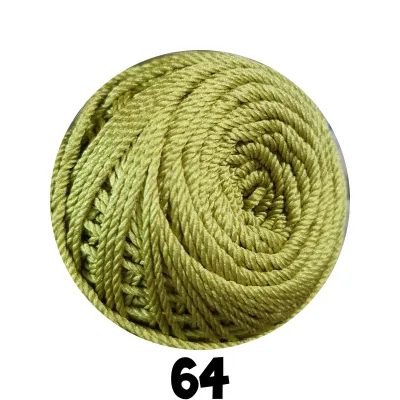
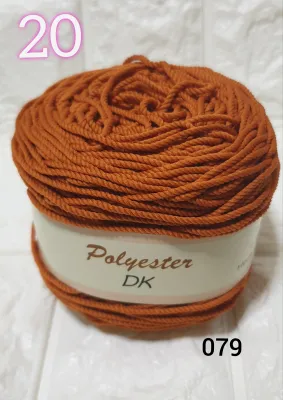
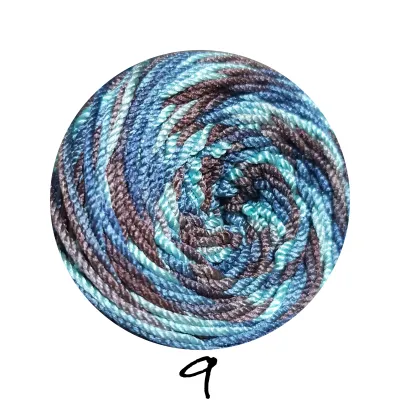
Prices are valid at publication and may change. Please refer to the product page for the latest price.
To combine the best of synthetic and natural properties, manufacturers frequently produce blended yarns. Cotton-polyester blends combine the breathability and softness of cotton with the strength and wrinkle resistance of synthetic fibers. This blend is highly popular for lightweight, everyday garments that need to withstand frequent machine washing without losing their shape or shrinking in warm water.
Wool-polyester blends offer the warmth and elasticity of animal fibers alongside the durability and easy care of synthetics. While less common for local daily wear due to Singapore’s warm climate, these blends are excellent for travel wear, structured accessories, or lightweight cardigans designed for air-conditioned offices where a balance of insulation and structural stability is needed.
When examining polyester yarn in person, look for key physical traits such as surface sheen and drape. High-quality polyester can range from a matte, cotton-like finish to a high-luster, silky sheen that mimics mercerized cotton. The drape of the finished fabric depends heavily on the spinning method; tightly spun yarns provide crisp stitch definition, while loosely spun or chenille-style polyester yarns offer a plush, velvety texture with a heavier, fluid drape.
Essential Specifications to Check on Yarn Labels
Reading a yarn label carefully is the most reliable way to verify its quality and compatibility with your knitting tools. The label contains standardized technical data that helps you avoid common mistakes, such as purchasing mismatched weights or incompatible fibers for your project.

First, identify the yarn weight category, which is typically represented by a standard number from 0 (lace) to 7 (jumbo), or terms like fingering, DK, worsted, or bulky. The ply structure—referring to the number of individual strands twisted together—also influences the yarn’s thickness and strength. For beginners, a medium worsted weight (category 4) is often the easiest to handle, while finer weights are better suited for delicate lace or lightweight summer knits.
Next, locate the manufacturer’s recommended needle size and standard gauge. This is usually presented as a small square icon showing the number of stitches and rows obtained using a specific needle size (for example, 4mm to 5mm needles). While your personal knitting tension may vary, these recommendations serve as an essential baseline to ensure your fabric is neither too loose nor too stiff.
Care instructions are critical for synthetic fibers, which can be sensitive to high heat. Check the label for standard international care symbols indicating washing temperature limits, machine washability, and drying instructions. Most polyester yarns can be machine washed on a cool, gentle cycle, but they should generally be dried flat or tumble-dried on a low, no-heat setting to prevent the fibers from melting or distorting.
Finally, always check the dye lot number when purchasing multiple skeins for a single project. Even if two skeins share the exact same color name or code, subtle variations in the dyeing process can create visible color blocks in your finished work. Ensuring all your skeins share an identical dye lot number guarantees consistent color throughout your project.
Sourcing Reputable Polyester Yarn in Singapore
Sourcing yarn in Singapore involves navigating a mix of traditional brick-and-mortar shops, specialty craft boutiques, and online marketplaces. Each sourcing channel offers distinct advantages depending on whether you prioritize tactile inspection or convenience.
Visiting local physical craft shops, such as those located in central shopping districts or older housing estates, allows you to feel the yarn before buying. This hands-on experience is invaluable for assessing the softness, sheen, and potential scratchiness of synthetic fibers. Physical stores also offer the opportunity to seek advice from experienced staff who understand the local crafting community.
Online marketplaces and e-commerce platforms offer a wider variety of imported brands and specialty textures, often at competitive prices. When shopping online, it is crucial to verify the seller’s credentials by checking their overall rating, transaction history, and return policies. Reliable sellers typically offer clear return windows for unused, unopened skeins if the color or texture does not match your expectations.
Before making a purchase, read customer reviews specifically looking for mentions of yarn quality. Look for feedback regarding color accuracy compared to product photos, the presence of factory knots within a single skein, and whether the yarn tends to split during use. A high frequency of knots or splitting is a common indicator of lower-grade manufacturing.
To evaluate the true value of a yarn, calculate the price per gram or price per meter in S$ rather than relying solely on the price per skein. A cheaper skein may contain significantly less yardage, making it more expensive in the long run for larger projects. Comparing the unit cost helps you make an objective financial decision.
If you are planning a large project, such as a blanket or a sweater, consider purchasing a single sample skein first. This allows you to test the yarn’s feel, color, and workability at a low financial risk before committing to a bulk purchase.
Matching Yarn Properties to Specific Knitting Projects
Different knitting projects demand different physical properties from your yarn. Matching the characteristics of your polyester yarn to the intended use of the finished item ensures both aesthetic success and practical durability.
For wearable garments, comfort and breathability are paramount, especially in Singapore’s warm and humid weather. Pure polyester can trap heat and moisture against the skin, making it uncomfortable for daily outdoor wear. If you are knitting clothing, opt for lightweight polyester-cotton blends, which offer the breathability of natural cotton alongside the quick-drying, wrinkle-resistant properties of synthetic fibers.
Amigurumi and stuffed toys require a yarn that provides excellent stitch definition and structural strength. Polyester is highly favored for toy making because it does not stretch out of shape easily and can withstand tight tension. Choose a tightly spun, low-stretch polyester yarn or a plush chenille-style synthetic yarn to ensure the stuffing does not peek through the stitches and the toy maintains its shape over years of handling.
Home decor items, such as throw blankets, cushion covers, and bath mats, benefit greatly from the durability and washability of polyester. These items are subject to frequent wear, spills, and regular laundering. A medium to bulky weight polyester yarn is ideal here, as it knits up quickly, resists pilling, and can be easily cleaned in a standard washing machine without shrinking.
Testing and Swatching to Verify Yarn Performance
Before casting on your main project, knitting a test swatch is a critical step to verify how the yarn behaves under tension and after washing. This process prevents unexpected sizing issues and helps you evaluate the yarn’s physical performance.
Begin by knitting a standard square swatch, typically measuring 10 by 10 centimeters, using the recommended needle size. As you knit, observe how easily the yarn glides over your needles and whether the plies tend to split. Splitting yarn can slow down your progress and create untidy stitches, indicating that you may need to adjust your knitting style or switch to a different needle type.
Once the swatch is complete, measure your stitch and row gauge, then wash and block the swatch according to the care instructions on the label. This step is essential because synthetic fibers can stretch or relax once wet. Blocking allows you to see the true drape of the finished fabric and verify if the dimensions change significantly after laundering.
After the swatch has dried, inspect it closely for common synthetic fiber issues such as pilling, static buildup, or color bleeding. Rub the surface of the swatch gently to see if loose fibers begin to ball up, which indicates a higher likelihood of pilling over time. If you are using contrasting colors, check the edges to ensure the darker dye has not bled into the lighter sections.
Based on these observations, make an informed decision on whether to proceed with your project. If your gauge is too loose, consider switching to a smaller needle size; if the fabric feels too stiff, a larger needle size can help improve the drape. Taking the time to swatch ensures your final knitted item looks professional and performs reliably.
Frequently Asked Questions (FAQ)
Is 100% polyester yarn suitable for baby garments?
When knitting for infants, safety and comfort are the primary concerns. While 100% polyester is highly durable, stain-resistant, and easy to machine wash, it lacks the natural breathability of cotton or bamboo, which can lead to overheating in warm climates. If you choose to use polyester for baby items, look for yarns that carry independent safety certifications, such as the OEKO-TEX Standard 100, which verifies that the textile is free from harmful levels of chemicals. For everyday baby clothing, a cotton-polyester blend is often a more comfortable choice than pure synthetic yarn.
How can I prevent slippery polyester yarn from falling off my needles?
Polyester fibers often have a smooth, low-friction surface that can make stitches slide off metal knitting needles easily. To improve control, switch to needles made from high-friction materials such as wood or bamboo, which naturally grip the yarn and prevent accidental dropped stitches. Additionally, using needle stoppers or point protectors on the tips of your needles when you pause your work prevents the stitches from slipping off during storage. Maintaining a consistent, slightly firmer tension and using a relaxed grip can also help you manage slippery yarns more effectively.

Community discussion
Share your experience or ask a question. Comments are reviewed before publication.