
Selecting a reliable magnetic board for a child’s daily drawing activities requires looking beyond vibrant frame colors and focusing on structural engineering, material safety, and screen longevity. In Singapore’s warm, humid climate, the integrity of the screen seal and the durability of the internal magnetic emulsion are critical. A reliable brand is one that uses thick, impact-resistant ABS plastic, provides a fully sealed drawing chamber, and offers a robust erasing mechanism that does not jam after repeated use. By understanding the key construction standards and safety certifications, parents can make an informed decision that ensures hours of creative play without the risk of premature product failure.
While budget-friendly options are widely available on online marketplaces, investing in a reputable brand often saves money in the long run by avoiding frequent replacements. High-quality magnetic boards are designed to withstand the rough handling typical of toddlers and young children, maintaining their drawing contrast and erasing capabilities over years of daily use. This guide outlines the essential criteria for evaluating magnetic board brands, helping you identify a durable, safe, and age-appropriate tool for your child’s artistic development.
Core Standards for Evaluating Magnetic Board Durability
The physical durability of a magnetic drawing board is the primary indicator of how well it will survive daily use in a busy household. Children naturally subject their toys to drops, impacts, and heavy pressure, meaning the outer casing must be exceptionally robust. When evaluating different brands, look closely at the frame construction. High-quality manufacturers utilize thick, virgin ABS (Acrylonitrile Butadiene Styrene) plastic rather than recycled or brittle polystyrene. ABS plastic offers superior impact resistance, preventing the frame from cracking or warping when dropped onto hard tiled floors, which are common in Singapore homes. Additionally, look for designs featuring reinforced, rounded corners and double-walled frames, which distribute the force of an impact more evenly.
Products mentioned in this guide
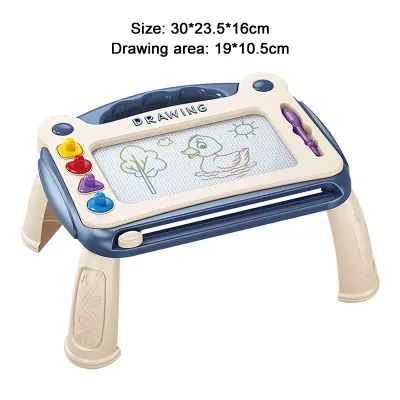
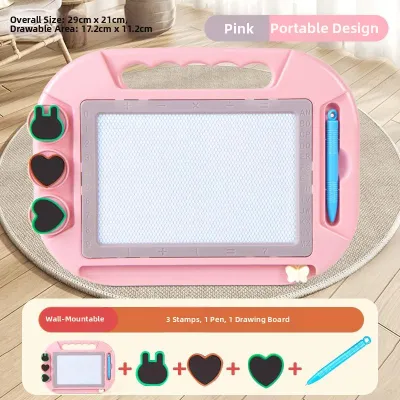
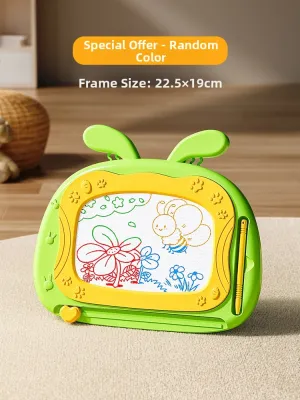
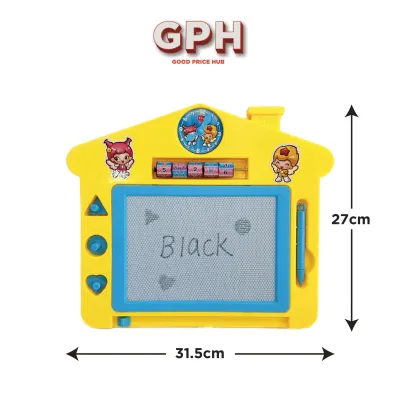

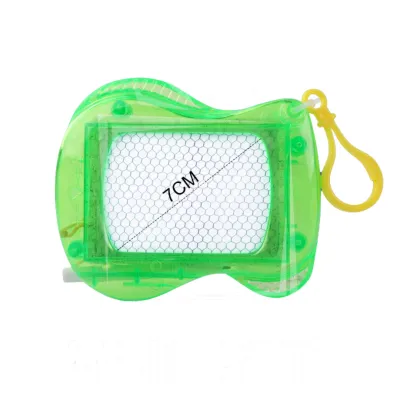
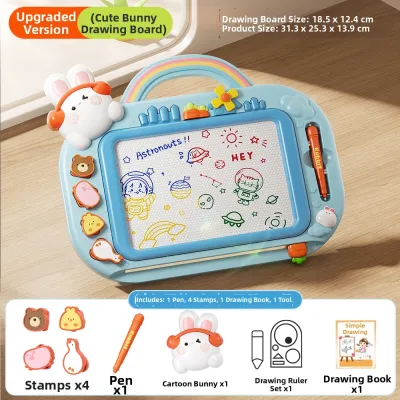
Prices are valid at publication and may change. Please refer to the product page for the latest price.
Beyond the outer frame, the internal screen technology determines the board’s functional lifespan. A magnetic drawing board operates using a honeycomb grid sandwiched between two plastic sheets. Each tiny cell in this grid contains a high-viscosity liquid—typically a mixture of glycol, water, and thickening agents—along with fine magnetic particles, usually iron oxide. When the magnetic stylus passes over the screen, these particles are drawn to the surface, creating a visible line. If the brand uses low-quality materials, the honeycomb walls can rupture, causing the liquid and particles to migrate between cells. This results in permanent dark patches, “bleeding” lines, or dead zones where the stylus no longer works. A reliable brand ensures that the internal grid is structurally sound and that the liquid viscosity remains stable across varying temperatures.
The erasing mechanism is another common failure point on lower-end magnetic boards. The slider eraser consists of a plastic handle connected to a magnetic bar that runs along the back of the screen. When slid across, this bar pulls the magnetic particles back down to the bottom of the honeycomb cells, clearing the screen. Cheaply made boards often feature thin plastic slider tracks that easily bend, warp, or derail. If the magnetic bar loses close contact with the screen, it will leave faint, unerased lines behind, a phenomenon known as ghosting. Premium brands design their erasing tracks with tight tolerances and use spring-loaded or reinforced magnetic bars to ensure consistent, edge-to-edge clearing even after thousands of swipes.
Finally, the build quality of the stylus and its accessories must not be overlooked. The stylus is the most frequently handled component and is highly susceptible to being dropped, chewed on, or lost. A durable stylus should have a solid, non-retractable magnetic tip that cannot be easily pushed into the pen body. The tether connecting the stylus to the board is equally critical; look for brands that use thick, braided nylon cords or heavy-duty coiled polyurethane straps rather than thin, easily snapped strings. Furthermore, reputable brands often design their boards with secure, molded storage slots that hold the stylus and any included magnetic stamps firmly in place when not in use, reducing the likelihood of misplaced accessories.
Essential Safety and Compliance Checks for Daily Play
Safety is paramount when selecting any toy for daily use, and magnetic drawing boards require specific scrutiny due to their internal components. The primary safety concern is the containment of the magnetic particles and the viscous liquid within the screen. If a board cracks or splits open, these materials can pose a significant choking hazard or chemical exposure risk. High-quality brands prevent this by using ultrasonic welding to fuse the plastic frame and screen layers together, creating a virtually unbreakable seal. When researching brands, verify that they have a proven track record of structural integrity and do not rely solely on cheap adhesives or snap-fit joints that can easily pry apart under pressure.

To ensure the materials used are safe for close, prolonged contact with children, always check for international safety certifications on the packaging. Reputable brands will clearly display compliance labels such as ASTM F963 in the United States, EN71 in Europe, or ISO 8124 internationally. In Singapore, toys should ideally comply with the Consumer Protection (Safety Requirements) Registration Scheme. These certifications guarantee that the plastic is free from harmful chemicals, including bisphenol A (BPA), phthalates, and heavy metals like lead. Since young children frequently put toys or their hands in their mouths after playing, choosing a certified non-toxic board provides essential peace of mind.
Physical design details also play a crucial role in preventing minor injuries during play. Inspect the board for any sharp plastic flashing or rough edges left behind during the manufacturing process. The slider eraser should have a smooth, rounded handle that is easy for small hands to grip without the risk of pinching fingers in the track. If you are considering a magnetic board with electronic features, such as a light-up screen or sound effects, pay close attention to the battery compartment. It must be securely locked with a screw to prevent children from accessing and potentially swallowing button batteries, which can cause severe internal chemical burns within hours.
Matching Board Features to Your Child's Age and Habits
A magnetic board that is perfect for a toddler may frustrate an older child, making it essential to match the board’s features to your child’s developmental stage. For toddlers and preschoolers aged one to three, the focus should be on simplicity, ease of use, and motor skill development. Children in this age group typically use a palmar grasp, holding the stylus with their entire fist. Therefore, look for brands that offer chunky, ergonomically shaped styluses that are easy for tiny hands to control. The board itself should be lightweight—ideally under 500 grams—and feature a large, easily operated erase slider that requires minimal physical effort to move back and forth.
As children transition into school age (four years and older), their drawing habits become more detailed, and they begin practicing writing letters and numbers. For these older children, look for brands that offer larger drawing surfaces and finer stylus tips that allow for precise lines. Multi-color screens are highly engaging for this age group; these screens are divided into four or more color quadrants, allowing drawings to appear in vibrant hues rather than standard monochrome grey. Additionally, look for boards that include magnetic stamps in various geometric shapes, such as circles, triangles, and stars. These stamps not only expand creative options but also help reinforce early math and geometry concepts.
The primary usage environment should also influence your choice of board design. For families living in Singapore’s compact urban apartments, space-saving and multi-functional designs are highly beneficial. If the board is intended for dedicated art spaces at home, a sturdy, double-sided magnetic easel that folds flat for easy storage is an excellent investment. On the other hand, if you need a quiet activity for car rides, public transport, or dining out, prioritize compact, travel-friendly models. These should feature built-in carrying handles, fully enclosed stylus docks, and magnetic stamps that click securely into their slots to prevent them from falling out and getting lost on the go.
Verifying Brand Reputation and Real-World Longevity
With numerous generic options flooding online marketplaces, verifying a brand’s reputation is crucial to ensuring you receive a durable product. Start by analyzing long-term user feedback on e-commerce platforms and parenting forums. Instead of focusing solely on five-star ratings, filter reviews to look at three-star and two-star feedback, which often contains more detailed, objective observations. Search specifically for recurring complaints regarding screen cracking, magnet failure, or the slider mechanism jamming after a few weeks of use. A pattern of reviews mentioning that the screen turned permanently grey or developed dark spots indicates a low-quality magnetic emulsion that will not withstand daily play.
Another strong indicator of a brand’s reliability is the availability of local warranty coverage and after-sales support. Established brands often have official distributors or dedicated customer service channels in Singapore. Check the manufacturer’s website to see if they offer a warranty against manufacturing defects, even if it is only for 30 to 90 days. A brand that stands behind its product and provides clear contact information is far more likely to assist you if the board arrives damaged or if a component fails prematurely. Furthermore, check if the brand sells replacement parts, such as extra styluses or stamp sets, which can extend the overall lifespan of the board if original pieces are lost.
Finally, cross-reference the manufacturer’s official specifications with independent user observations. Many brands use marketing jargon like “shatterproof” or “ultra-durable” without providing concrete details. Look for specifications that list the exact materials used, such as virgin ABS plastic, and compare these with unboxing videos or parent blog reviews. These independent sources often demonstrate the board being handled by actual children, providing a realistic view of the screen’s contrast, the smoothness of the eraser slider, and how well the stylus tether holds up under tension.
Daily Maintenance to Protect and Extend Board Lifespan
Proper maintenance is essential to preserve the functionality of a magnetic drawing board and prevent premature degradation of the screen. Singapore’s tropical climate, characterized by high humidity and warm ambient temperatures, presents unique challenges for toys containing liquids. To protect the internal magnetic emulsion, store the board in a cool, dry indoor environment away from direct sunlight. Avoid leaving the board in a hot car parked outdoors, as extreme heat can cause the liquid inside the honeycomb cells to expand, potentially rupturing the internal seals and causing the magnetic particles to clump permanently.
When it comes to cleaning the drawing surface, avoid using harsh chemical solvents, alcohol-based sanitizers, or abrasive glass cleaners. These substances can strip away the protective anti-scratch coating on the plastic screen, leaving it cloudy, sticky, or highly susceptible to scratching. Instead, clean the surface using a soft, lint-free microfiber cloth that has been slightly dampened with plain water. Wipe the screen gently in circular motions to remove fingerprints and dust, and immediately follow with a dry microfiber cloth to prevent any moisture from seeping into the edges of the frame or the slider track.
Proper stylus and accessory management will also prevent unnecessary wear and tear. Teach your child to return the stylus to its designated dock immediately after use rather than letting it dangle from its tether, which can strain the cord over time. Ensure that children do not use real pens, pencils, keys, or other sharp metal objects on the screen, as these will permanently scratch the plastic surface and ruin the magnetic responsiveness. If the magnetic stamps or stylus tip accumulate dust or lint, wipe them clean with a dry cloth to maintain strong magnetic contact with the screen.
Frequently Asked Questions (FAQ)
Do magnetic drawing boards eventually lose their ability to clear?
Yes, magnetic drawing boards can eventually lose their ability to clear completely due to mechanical wear and environmental factors. Over time, the magnetic bar inside the slider mechanism can become misaligned or lose its magnetic strength, preventing it from pulling the particles back down. Additionally, debris such as dust, hair, or crumbs can accumulate inside the slider track, causing the eraser to jam or lift away from the screen. Extreme temperature exposure can also degrade the internal liquid, causing the magnetic particles to clump and resist being cleared by the slider.
What should I do if the screen develops permanent dark spots?
If your magnetic board develops localized dark spots, it is usually due to magnetic particles becoming temporarily stuck or clumped in a specific area. You can attempt to resolve this by gently sweeping the magnetic stylus or a magnetic stamp over the dark spot in a circular motion to help redistribute the particles. If this does not work, try tapping the back of the board gently against a flat, carpeted surface to dislodge the stuck particles. Never press hard on the screen, use sharp objects, or attempt to open the sealed plastic casing, as this can permanently damage the honeycomb grid or cause the internal liquid to leak.
Community discussion
Share your experience or ask a question. Comments are reviewed before publication.