
The most reliable jeans button pins for repairing denim in Singapore are those made from rust-resistant metals like solid brass or zinc alloy, featuring a secure locking mechanism that matches your specific waistband thickness. Because Singapore’s tropical climate exposes garments to high humidity and frequent washing, avoiding cheap iron-based pins is essential to prevent rust stains and structural failure. By selecting a button with the correct shank length and face diameter, you can restore your favorite jeans to fully functional condition without any sewing.
Choosing the right replacement button requires understanding how different fasteners grip the fabric and withstand daily tension. Whether you prefer a permanent fix or an adjustable option, matching the hardware to your lifestyle and the weight of your denim ensures a repair that lasts as long as the garment itself.
Understanding No-Sew Jeans Button Mechanisms
No-sew jeans buttons generally fall into three categories, each offering distinct advantages depending on your tools, skill level, and how you use your garments. Understanding these mechanisms allows you to select the most secure option for your specific repair needs.
Products mentioned in this guide
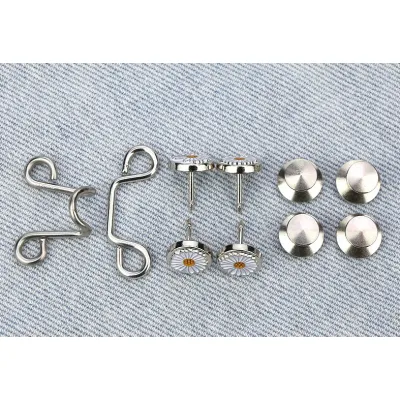
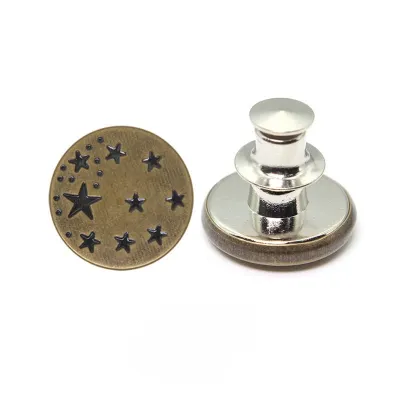
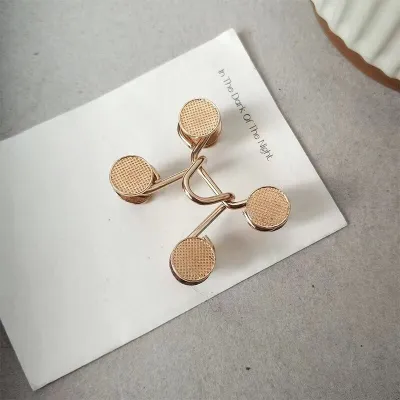
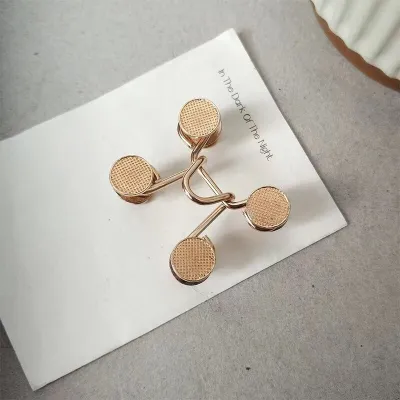
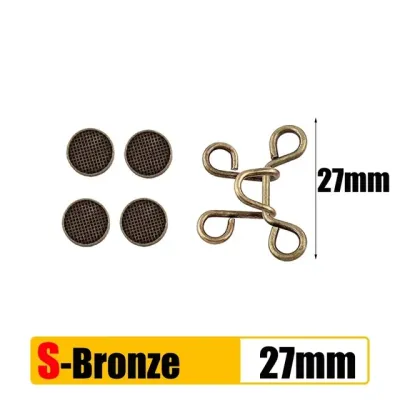
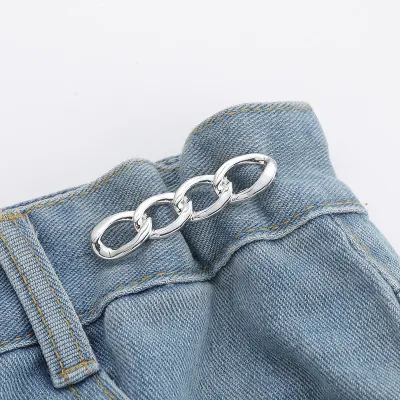
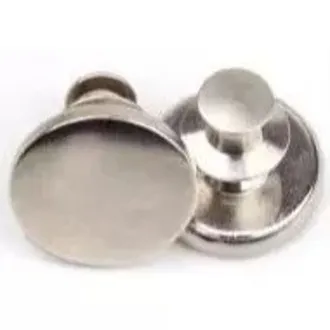
Prices are valid at publication and may change. Please refer to the product page for the latest price.
Screw-back buttons feature a two-part design consisting of a threaded post and a button cap. To install them, you pass the tiny screw through the fabric from the inside of the waistband and tighten the button head onto it using a small screwdriver. This mechanism is highly valued for its adjustability and ease of installation, making it an excellent choice if you want to adjust your waistband size or reuse the hardware on another garment later. However, because the connection relies on threads, daily movement and friction can cause the screw to back out over time, requiring occasional tightening.
Tack buttons, also known as hammer-on buttons, are the industry standard for factory-made denim. They utilize a sharp, nail-like tack that is driven through the back of the fabric directly into a hollow, receptive chamber in the button cap. Once compressed with a hammer or mallet, the tack deforms or locks permanently inside the cap, creating an incredibly rigid and secure hold. This style is ideal for heavy-duty denim and daily wear because it cannot loosen over time, though it requires careful alignment during installation as it cannot be easily removed or adjusted once set.
Spring-loaded or snap-fit button pins are designed for instant, tool-free application. These pins feature a sharp post attached to the button head and a separate backing cap containing an internal spring-loaded clutch or locking teeth. You simply push the pin through the denim and slide the backing cap on until it clicks into place. While incredibly convenient for quick fixes on the go, the backing caps tend to be bulkier than other styles, which can sometimes press uncomfortably against your skin, and they generally offer lower shear strength under heavy tension compared to traditional tack buttons.
Key Selection Criteria for a Secure Denim Repair
Achieving a professional-grade repair that does not damage your clothing requires paying close attention to physical dimensions and material specifications. Before purchasing any replacement hardware, take a moment to measure your garment and evaluate the material quality of the pins.

Matching the shank length of the button pin to the compressed thickness of your denim waistband is critical. A typical jeans waistband consists of two layers of denim, internal interfacing, and sometimes folded seam allowances. If the shank of the button pin is too short, it will pinch the fabric too tightly, causing puckering, discomfort, and eventual tearing of the fibers under tension. Conversely, if the shank is too long, the button will droop, wobble, and fail to sit flush against the waistband, making it difficult to keep the pants securely fastened.
Button face diameter must also align with the existing buttonhole on your jeans. The standard size for classic jeans buttons is 17mm (approximately 0.67 inches), which fits most standard denim buttonholes perfectly. Oversized jeans, heavy denim jackets, or workwear garments may require 20mm buttons to prevent them from slipping out of larger buttonholes. For youth clothing, lightweight denim, or fashion skirts, smaller 14mm or 15mm variants are often more appropriate. Using a button that is too small will result in constant unbuttoning, while an oversized button will stretch and fray the buttonhole stitching.
Given Singapore’s hot and humid weather, material composition is a non-negotiable factor for longevity. Cheap, low-grade iron pins will quickly corrode when exposed to sweat and atmospheric moisture, leaving unsightly orange rust stains on your denim and weakening the fastener until it snaps. Opt for high-quality materials such as solid brass, zinc alloy, or stainless steel. Look for buttons with durable electroplated finishes—such as antique brass, gunmetal, or copper—which provide an extra layer of protection against moisture and easily withstand repeated cycles through washing machines and tumble dryers.
Where to Source Haberdashery Supplies in Singapore
Finding reliable jeans button pins in Singapore involves exploring both traditional brick-and-mortar haberdashery shops and reputable online platforms. Each sourcing channel offers unique benefits depending on whether you need immediate assistance or a wider variety of styles.
For those who prefer to inspect the weight, color, and quality of the metal in person, traditional sewing and craft shops are excellent resources. Historic textile districts, such as the haberdashery stalls located in Chinatown’s People’s Park Centre and People’s Park Complex, house long-standing family businesses that sell loose buttons and individual repair components. Visiting these shops allows you to bring your jeans along, match the metal finish directly to your existing rivets, and receive practical advice from experienced shopkeepers. Additionally, larger craft retail chains located in central shopping malls like Plaza Singapura offer pre-packaged denim repair kits that include both the buttons and the basic tools needed for installation.
If you prefer the convenience of online shopping, general e-commerce platforms and specialized sewing supply websites offer a vast selection of no-sew buttons. When browsing online marketplaces, avoid buying the cheapest bulk assortments that lack detailed product descriptions. Instead, look for listings that provide clear technical drawings, precise millimeter measurements for all components, and explicit material listings. Reading customer reviews can provide valuable insight into whether the pins tend to bend during installation or if the metal finish degrades after washing.
Step-by-Step Installation and Post-Repair Checks
Installing a replacement button pin is a straightforward process, but taking your time and using the correct technique will prevent damage to both the hardware and your fingers. Follow these steps to ensure a clean, secure installation.
First, prepare the fabric around the repair site. If the original button tore out, it likely left a frayed, weakened hole in the waistband. Pushing a new pin directly through this damaged area will result in the button pulling through the fabric again almost immediately. To prevent this, reinforce the area by cutting a small square of iron-on denim repair patch or heavy-duty fusible interfacing. Apply it to the inside of the waistband over the hole using a household iron. This simple step stabilizes the fabric fibers and distributes the pulling force across a wider, healthier area of denim.
Next, gather your tools. If you are installing a traditional tack button, do not strike the metal button face directly with a steel hammer, as this will dent, scratch, or warp the decorative cap. Instead, place the button face down on a firm, flat surface, such as a wooden cutting board, protected by a folded soft cloth or a piece of cardboard. Align the tack from the inside of the waistband, pushing the sharp point through your reinforced fabric patch and into the hollow shank of the button head. Use a rubber mallet, or a standard hammer cushioned with a thick cloth, to strike the tack. Deliver firm, straight, downward blows; striking at an angle will bend the post and ruin the alignment.
Finally, conduct a thorough post-installation check. Visually inspect the button to ensure it sits completely flat and flush against the denim without any tilting. Gently pull the button away from the waistband to verify that the locking mechanism has fully engaged and cannot be pulled apart. Button and unbutton your jeans several times to confirm that the button slides smoothly through the buttonhole and that the backing pin does not rub or scratch against your skin when you move.
Troubleshooting Common Installation Issues
Even with careful preparation, you may occasionally encounter minor issues during the installation process. Knowing how to diagnose and correct these problems will save you from wasting hardware or damaging your clothing.
A bent post is the most common issue encountered when installing hammer-on tack buttons. This usually happens when the hammer strikes the tack at an angle or with excessive force. Once a post is bent, the button cap will sit crookedly and will not lock securely. Do not attempt to bend the post back into shape, as the metal will be structurally compromised and prone to snapping later. Instead, use a pair of wire cutters to carefully snip the bent post from the inside of the waistband, discard the ruined pin, and start over with a fresh tack.
If you find that the button wobbles because the post is slightly too long for your specific denim weight, you can easily adjust the fit. Remove the button and insert a small, homemade washer—cut from a scrap of leather, thick felt, or heavy canvas—onto the post on the inside of the waistband before driving it into the button cap. This extra layer acts as a spacer, absorbing the excess length and ensuring a snug, wobble-free fit. If the post is too short to feed through the waistband, you may need to compress the denim layers using a pair of pliers before attempting to push the pin through.
While DIY button pins are highly effective for standard repairs, some waistband damage is too severe for a simple pin. If the denim around the button area is completely shredded, missing large sections of fabric, or stretched beyond recognition, a pin will not have enough structural support to hold. In these situations, it is best to stop DIY attempts and take your jeans to a professional tailor or alteration shop in Singapore. A professional can rebuild the waistband structure using matching denim patches and industrial darning techniques before setting a new heavy-duty button.
Frequently Asked Questions (FAQ)
Can I reuse a jeans button pin after removing it?
Whether you can reuse a jeans button pin depends entirely on its locking mechanism. Screw-back buttons and spring-loaded snap-fit pins are designed to be fully removable and reusable, making them highly versatile for temporary adjustments or transferring between garments. Traditional hammer-on tack buttons, however, are permanent fasteners. Removing a tack button requires physically cutting or prying the metal post apart, which deforms the internal locking chamber and renders the hardware unusable for future repairs.
Will the metal button pin trigger airport security scanners?
Standard jeans button pins made of brass, zinc alloy, or copper are relatively small and generally do not trigger modern airport walk-through metal detectors on their own, behaving exactly like the original factory-installed hardware on your clothing. However, if you are wearing jeans repaired with multiple heavy-duty steel pins, or if you pass through highly sensitive security screening environments, they may occasionally register. Because they are standard clothing components, security personnel can easily identify them during a routine secondary screening.
Community discussion
Share your experience or ask a question. Comments are reviewed before publication.