
Crocheting in Singapore’s warm, tropical climate requires materials that are breathable, comfortable to work with, and highly durable. Cotton yarn stands out as an exceptional choice for local crafters, offering excellent stitch definition and a cool feel that synthetic fibers often lack. Selecting the right cotton yarn involves understanding how different fiber structures, processing methods, and weights behave under your crochet hook. By focusing on key quality indicators and matching the yarn’s physical properties to your specific project, you can ensure your handmade creations look professional and withstand the test of time.
What Makes Cotton Yarn Suitable for Crochet
Cotton is a natural cellulose fiber harvested from the seedpods of the cotton plant. Its physical structure makes it uniquely suited for crochet, a craft characterized by dense, interlocking stitches that can easily become heavy or stiff if worked with the wrong material. Unlike animal fibers, cotton does not trap heat, making it the preferred choice for items intended for use in warm climates.
When selecting cotton yarn, the fiber composition and blend ratio are critical factors to consider. While 100% pure cotton offers maximum absorbency and a classic matte look, blends can significantly alter the performance of the yarn. For instance, a cotton-acrylic blend combines the breathability of cotton with the lightweight loft and elasticity of acrylic, resulting in a yarn that is easier on the hands and less prone to sagging. On the other hand, a cotton-bamboo blend introduces a silky drape, a subtle sheen, and natural softness, which are highly desirable for garments worn close to the skin in humid weather.
Products mentioned in this guide
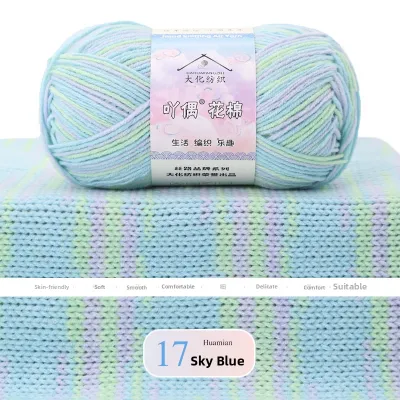
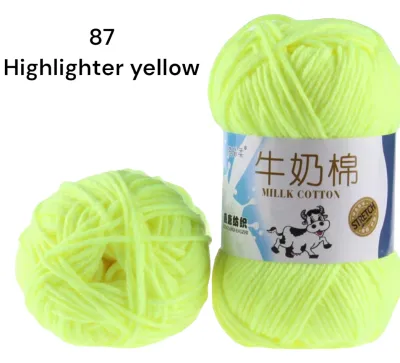
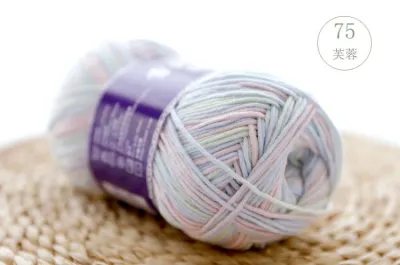
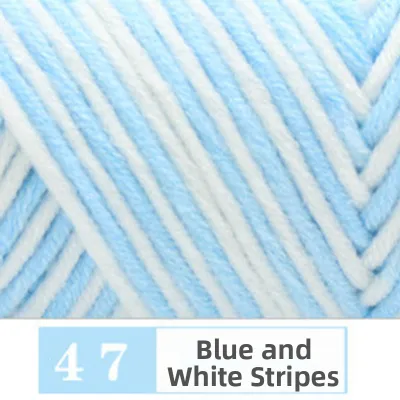
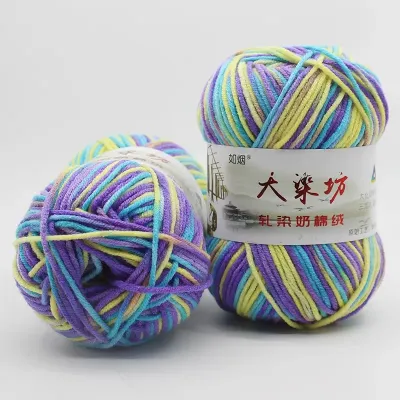
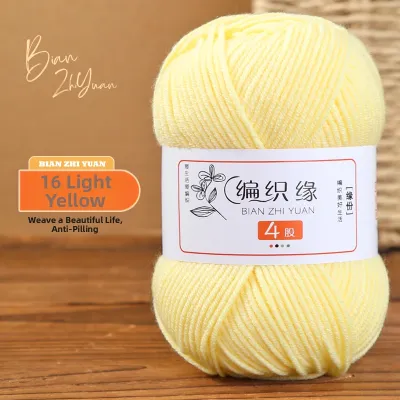
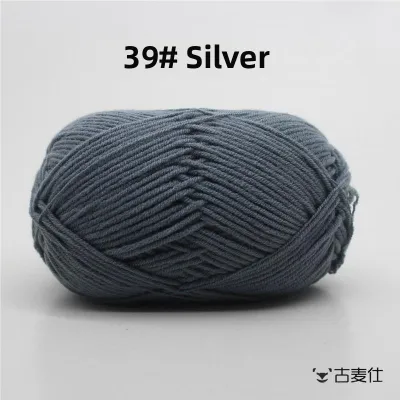
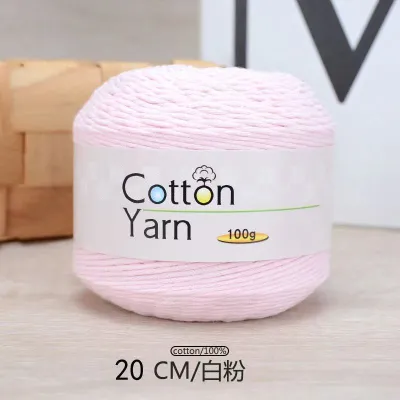
Prices are valid at publication and may change. Please refer to the product page for the latest price.
Yarn weight categories directly dictate the scale and texture of your crochet projects. Fingering and sport weight cotton yarns are ideal for delicate, intricate work such as lace shawls, lightweight summer tops, and detailed doilies. These thinner weights allow for a fabric that is light and breathable, preventing the finished garment from feeling suffocating in tropical heat. Medium weights, such as DK and worsted, are highly versatile and widely used for amigurumi, bags, and home accessories. They offer a great balance of speed and stitch definition, making them excellent for both beginners and experienced crocheters.
The twist and ply structure of the yarn determines its durability and how smoothly it glides on your hook. Cotton yarn is made by twisting individual strands, or plies, together. A high-twist yarn, where the plies are tightly spun, creates a round, smooth strand that resists splitting and provides exceptional stitch clarity. This structure is highly durable and holds up well to the friction of crocheting and repeated washing. Conversely, a low-twist or single-ply cotton yarn is much softer and offers a rustic, fluffy texture, but it is highly susceptible to splitting and pilling, requiring a gentle touch and careful hook manipulation.
How to Evaluate Cotton Yarn Brand Quality
Evaluating the quality of a cotton yarn brand before committing to a large purchase can save you significant time and frustration. High-quality brands maintain strict manufacturing standards that ensure consistency across different batches, allowing you to complete large projects with confidence.

Colorfastness and dye lot consistency are paramount when working with vibrant or multi-colored designs. Because cotton is a plant fiber, its dye absorption can vary slightly from one production run to another. Always check the paper band on each skein to ensure the dye lot numbers match exactly; even a subtle difference can create a visible line across your finished project. To test a new brand’s colorfastness, cut a small strand of yarn, wet it thoroughly, and press it firmly between two sheets of white paper towel. If any color transfers, the dye is not fully set, and you will need to wash the finished item separately in cold water or use a commercial color-fixative to prevent bleeding.
The mercerization process is another key quality indicator to evaluate. Mercerized cotton has been treated with an alkaline solution under tension, which swells the cell walls of the fiber, making them rounder and smoother. This process gives the yarn a lustrous, silk-like sheen, increases its strength, and makes it highly receptive to dyes, resulting in deep, saturated colors that do not fade easily. Non-mercerized cotton, often referred to as natural or matte cotton, skips this treatment. It is softer, more absorbent, and has a slightly textured surface, making it incredibly comfortable for garments but less shiny and slightly more prone to shrinking.
Packaging quality and labeling accuracy reflect a brand’s commitment to quality control. A reliable yarn label should clearly state the fiber content, weight in grams, length in meters or yards, recommended hook sizes, and care instructions. The yarn should be wound neatly into a skein, ball, or cake that does not easily collapse or tangle from the center. Additionally, high-quality brands minimize the number of knots or joins within a single skein; finding more than one or two knots in a standard 50-gram skein is often a sign of poor quality control during the spinning process.
Matching Yarn Profiles to Your Crochet Projects
Different crochet projects demand different yarn characteristics to achieve optimal results. Matching the physical profile of the cotton yarn to the intended use of your project ensures both aesthetic appeal and functional durability.
For amigurumi and stuffed toys, structural integrity and a clean finish are essential. You want a yarn that allows you to work tight, dense stitches that will not stretch out when stuffed. A tightly plied, non-mercerized 100% cotton yarn in a sport or DK weight is the ideal choice here. The matte finish of non-mercerized cotton gives toys a classic, soft appearance, while the tight ply prevents the crochet hook from splitting the yarn during rapid, repetitive single crochet stitches. This structure also ensures the toy maintains its shape and resists pilling even after heavy handling.
Garments and wearables require a completely different approach, focusing on drape, softness, and breathability. Pure cotton can sometimes produce a stiff, heavy fabric that does not drape well on the body. To create comfortable clothing suitable for Singapore’s climate, look for cotton-bamboo or cotton-acrylic blends in fingering or sport weights. These blends are significantly lighter than pure cotton, allowing the fabric to move naturally with the body. They also dry much faster after washing, which is a major advantage in humid environments where heavy cotton garments can take days to dry completely.
Home decor items, such as coasters, placemats, market bags, and plant hangers, need to be exceptionally durable and easy to clean. For these projects, highly durable, mercerized cotton in a worsted or aran weight is unmatched. The stiffness of mercerized cotton helps coasters and placemats lie flat on tables without curling at the edges. It also provides the tensile strength needed for market bags to carry heavy items without stretching excessively. Furthermore, mercerized cotton can withstand frequent machine washing and resists staining better than untreated cotton.
Where to Buy Reliable Cotton Yarn in Singapore
Sourcing high-quality cotton yarn in Singapore involves navigating both local physical stores and online marketplaces. Knowing what to look for in a seller can help you avoid low-quality counterfeits and ensure you get the best value for your money.
Visiting local craft stores and specialty yarn shops is highly recommended, especially when trying a new brand or fiber blend. Physical stores allow you to touch the yarn to assess its softness, inspect the ply structure for potential splitting, and view the colors under natural light, which is often different from how they appear on a digital screen. Local shop owners are also an invaluable resource; they can provide expert advice on yarn substitution and recommend specific brands that perform well in Singapore’s humid climate.
When shopping online, it is crucial to identify authorized distributors and official brand storefronts on major e-commerce platforms. Purchasing from official channels guarantees that you are receiving genuine products rather than cheap imitations that may contain synthetic fillers, inconsistent weights, or unsafe dyes. Look for sellers that display official brand badges or have a proven track record of selling authentic craft supplies. While budget-friendly cotton yarns can start from as low as S$2 to S$4 per 50-gram skein, premium mercerized or organic cotton options may range from S$8 to S$15. Investing in a slightly higher-priced, reputable brand often saves money in the long run by reducing waste from split or unusable yarn.
Before making an online purchase, take the time to verify seller ratings, customer reviews, and return policies. Pay close attention to how the seller packages the yarn for shipping. In Singapore’s highly humid environment, yarn must be protected from moisture during transit to prevent the growth of mold and mildew. Reliable sellers will package yarn in sealed, airtight plastic bags and ship them in sturdy boxes. Once your yarn arrives, store it in airtight plastic containers with silica gel packets to keep it dry and fresh until you are ready to start your project.
Frequently Asked Questions (FAQ)
Is Cotton Yarn Stretchy Enough for Crochet Garments?
Cotton fiber naturally lacks the elasticity and memory found in animal fibers like wool. When you stretch a cotton garment, it does not easily spring back to its original shape, which can lead to sagging elbows, stretched-out necklines, and a loose fit over time. To overcome this limitation, you can choose a cotton blend that incorporates a small percentage of elastic synthetic fiber, such as nylon or polyester. Alternatively, you can design your garment with ribbed borders, use smaller hook sizes to create a denser fabric, or choose stitch patterns like seed stitch or thermal stitch that naturally provide mechanical stretch and structure.
How to Prevent Cotton Yarn from Splitting While Crocheting?
Yarn splitting is a common frustration, especially with loosely plied cotton. To prevent this, pay close attention to your crochet hook selection. Hooks with a tapered head and a rounded tip glide more smoothly over plied fibers without piercing the strand, whereas inline hooks with sharp throats are more likely to catch and split the yarn. Additionally, maintaining a relaxed, consistent tension and avoiding pulling your stitches too tight will help keep the yarn plies together. If you are a beginner, practicing with a highly twisted, mercerized cotton yarn will make it much easier to learn the stitches without dealing with split strands.
Community discussion
Share your experience or ask a question. Comments are reviewed before publication.