
Choosing high-quality wool yarn in Singapore does not require spending a fortune on luxury hand-dyed skeins. By focusing on fiber composition, understanding yarn construction, and leveraging smart sourcing strategies, you can find durable, beautiful materials that fit your budget. Navigating the local craft landscape requires balancing the tactile benefits of physical retail with the cost efficiencies of online sourcing, all while keeping Singapore’s tropical climate and unique lifestyle needs in mind.
To make the most of your crafting budget, you must look past premium branding and instead evaluate the physical characteristics of the fiber—such as fiber composition, ply structure, and twist density. By matching these technical specifications to your specific project needs and strategically navigating local craft stores, specialty boutiques, and online platforms, you can build a high-quality yarn collection at a reasonable cost.
Understanding Wool Yarn Quality: Beyond the Price Tag
Evaluating wool yarn quality requires looking beyond aesthetic appeal and price tags to examine the physical characteristics of the fiber. Understanding these technical specifications allows you to make informed purchasing decisions, ensuring that you select a yarn that is durable, easy to work with, and perfectly suited to your project.
Products mentioned in this guide
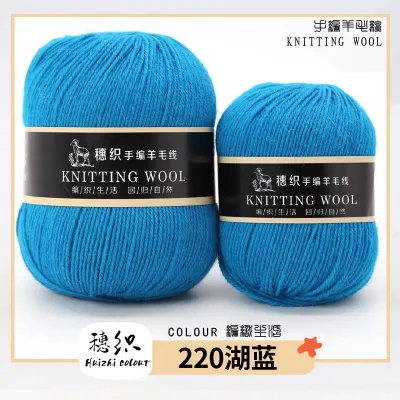
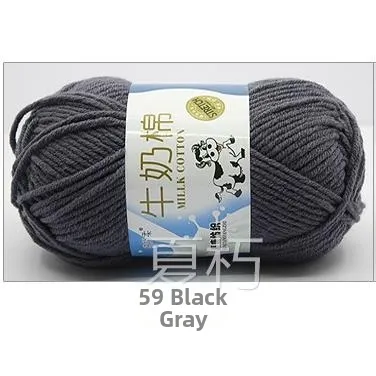
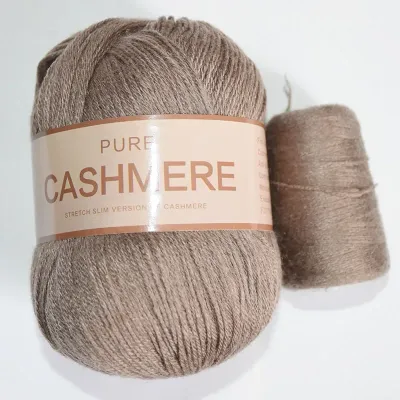
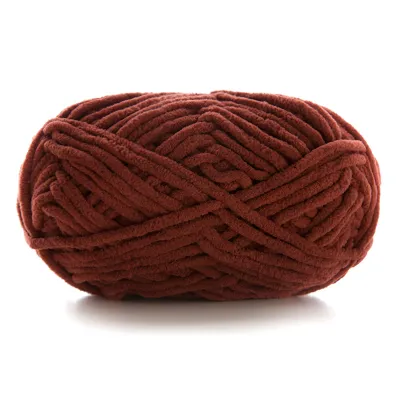
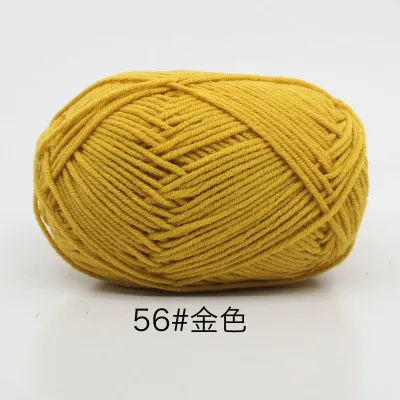
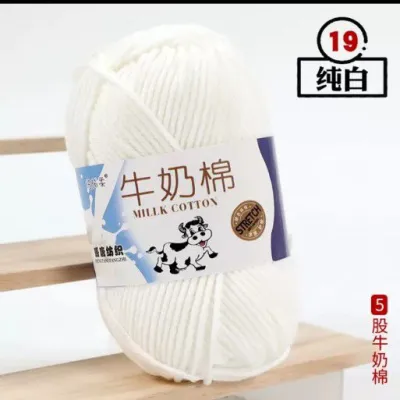
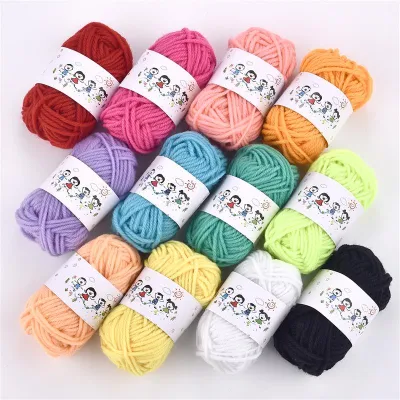
Prices are valid at publication and may change. Please refer to the product page for the latest price.
Fiber Content and Blends
Pure 100% wool offers exceptional warmth, natural elasticity, and excellent moisture-wicking properties, but it can be expensive and requires delicate care to prevent felting. Blending wool with synthetic fibers like acrylic or nylon significantly reduces the price per skein while enhancing the yarn’s durability and ease of maintenance.
For example, a classic sock yarn blend consisting of 75% superwash wool and 25% nylon provides the perfect balance of natural warmth and essential wear resistance. The nylon fibers reinforce the wool, preventing the friction of daily wear from wearing holes in the fabric, making it a highly cost-effective choice for high-wear garments. When evaluating blends, look for options where wool remains the primary fiber to ensure the finished piece retains the natural breathability and stitch memory of wool.
Different types of wool also offer distinct characteristics. Merino wool is highly prized for its exceptionally fine fibers, which feel incredibly soft against the skin and do not cause the itchiness associated with coarser wools. Breeds like Corriedale or Shetland offer longer, sturdier fibers that provide excellent structure and durability for outerwear and home decor, often at a more accessible price point than Merino.
Yarn Weight and Ply
Yarn weight refers to the thickness of the individual strand, ranging from delicate lace and fingering weights to heavy bulky and super bulky options. Standardizing these categories using the Craft Yarn Council’s numbering system (from 0 for lace to 7 for jumbo) helps you accurately match your yarn to your pattern requirements.
Finer yarn weights typically offer significantly more yardage or meterage per gram than bulkier options. This means that while a skein of fingering-weight wool and a skein of bulky-weight wool may cost the same, the fingering-weight skein will provide much more crafting time and material, making it a highly economical choice for detailed, lightweight projects.
Ply refers to the number of individual strands twisted together to form a single yarn. A single-ply yarn (often called a “single”) consists of one untwisted strand, offering a rustic, fluffy appearance with a soft halo, but it is highly prone to pilling and splitting. Multi-ply yarns, such as 4-ply, 8-ply, or cabled yarns, distribute tension evenly across multiple strands, providing superior structural integrity, excellent stitch definition, and high resistance to wear.
To verify the weight of an unlabeled or mystery yarn in your collection, you can perform a simple “wraps per inch” (WPI) test. Wind the yarn firmly but gently around a ruler or pencil over a one-inch space, ensuring the strands sit side-by-side without overlapping or gaps. Count the number of wraps within that inch to determine the yarn’s weight category, allowing you to utilize leftover stash yarn accurately and avoid unnecessary new purchases.
Twist and Construction
The twist of a yarn refers to how tightly the individual plies are spun together during manufacturing, which directly dictates how the yarn behaves under tension and wear. You can physically inspect the twist by holding a small section of the strand and rolling it between your fingers to observe the tightness and angle of the spirals.
A tight, high-twist yarn locks the fibers securely in place, which dramatically improves durability, minimizes pilling, and prevents the yarn from splitting when caught by a knitting needle or crochet hook. This construction is highly recommended for structured garments and everyday accessories that experience frequent friction.
Conversely, a loose-twist yarn feels incredibly soft and lofty to the touch, but it is inherently delicate. The loose fibers are easily pulled apart by friction, leading to rapid pilling and structural wear. When budget is a primary consideration, prioritizing high-twist, multi-ply yarns ensures that your finished project will maintain its appearance and structural integrity for years, protecting your investment of time and money.
Smart Sourcing: Where to Buy Yarn in Singapore on a Budget
Sourcing quality wool yarn in Singapore requires navigating a unique retail environment. By understanding the trade-offs between physical stores and online platforms, and by applying strategic purchasing tactics, you can acquire high-quality materials without overspending.

Local Large-Scale Craft Retailers vs. Specialty Shops
Singapore’s physical retail landscape for fiber crafts is divided into large-scale commercial retailers and independent specialty shops. Large craft chains, typically located in suburban shopping malls, specialize in mass-market, budget-friendly commercial brands. These stores frequently offer store-wide promotions, clearance events, and membership loyalty discounts, making them highly economical for large-scale projects like blankets or heavy sweaters.
Independent specialty yarn shops, often situated in central districts or creative hubs, focus on hand-selected natural fibers, artisan hand-dyed skeins, and premium imported brands. While their baseline prices are higher, these boutique shops provide invaluable tactile feedback. Visiting a specialty shop allows you to perform a “scratch test” by holding a yarn swatch against your neck or inner wrist to verify skin compatibility before committing to a large purchase.
Specialty shops also offer expert advice, community knitting groups, and physical swatches that demonstrate how a specific yarn drapes and blocks. For projects where next-to-skin comfort is critical, the ability to physically verify the yarn’s texture in-store can prevent costly purchasing mistakes, making the slightly higher retail price a worthwhile investment.
Navigating Online E-commerce Platforms
Sourcing wool yarn online opens up a vast global inventory, allowing you to access pure wool, superwash merino, and specialized weights at highly competitive base prices. When purchasing from international craft retailers or global online marketplaces, however, you must carefully calculate the total cost of delivery to Singapore.
Always factor in international shipping fees, currency exchange rates, and Singapore’s Goods and Services Tax (GST), which applies to all imported goods, including low-value items. To maximize value, look for online stores that offer free international shipping thresholds. Consolidating your orders with fellow crafters or purchasing enough yarn for multiple planned projects in a single order is an excellent way to bypass high individual shipping fees.
When shopping on online marketplaces, verify the seller’s reputation by reading user reviews and checking their historical rating. Be cautious of listings with prices that seem too good to be true, as they may feature synthetic fibers mislabeled as pure wool. Reading customer feedback specifically looking for mentions of color accuracy, splitting, and fiber texture will help you avoid low-quality imitations.
Strategic Purchasing Tactics
To stretch your budget further, adopt a systematic purchasing approach before buying any yarn. Always calculate your project’s total yardage requirements using your pattern guidelines, and purchase the entire amount in a single transaction. This guarantees that all your skeins come from the same manufacturing dye lot, preventing mismatched color bands in your finished fabric.
To calculate your yarn usage precisely and avoid buying excess skeins, knit or crochet a small gauge swatch using a single skein, measure its dimensions, and weigh it on a digital kitchen scale. By calculating the weight of the swatch relative to its surface area, you can estimate the exact amount of yarn required for your finished garment, allowing you to purchase only what you need.
Additionally, monitor the clearance, outlet, or “destash” sections of both local and international online retailers, where discontinued colorways and overstock items are sold at steep discounts. Subscribing to store newsletters and following official brand channels can grant you early access to seasonal promotional codes, holiday sales, and inventory clearance events.
Reliable Yarn Categories and Brands for Every Budget
To build a high-quality yarn collection without overspending, it is helpful to understand the three primary categories of wool yarn available to Singapore crafters. Each category offers a unique balance of accessibility, price, and fiber quality.
Mass-Market Craft Brands
Mass-market utility brands are widely accessible in Singapore’s physical craft stores and suburban retail chains. The primary advantages of these brands are their highly affordable pricing, consistent color availability, and high structural durability. These yarns are designed to withstand heavy wear and frequent washing, making them excellent choices for everyday utility items.
However, to maintain their low price points, many budget-friendly options in this category are wool-synthetic blends rather than 100% pure wool. These blends often feature high percentages of acrylic combined with a smaller portion of wool. While acrylic adds durability and lowers the cost, it lacks the breathability, natural temperature regulation, and elastic memory of real wool.
When browsing mass-market brands, always read the fiber content label carefully. To ensure your finished project benefits from the natural properties of wool, look for blends that contain at least 20% to 30% wool. This proportion provides a good balance of synthetic durability and natural fiber performance, ensuring your project remains comfortable and holds its shape over time.
Online-First and Direct-to-Consumer Brands
Direct-to-consumer (DTC) online brands ship directly from manufacturing mills or centralized warehouses, bypassing traditional retail markups. This business model allows online-first brands to offer high-quality fibers, such as 100% superwash merino, organic wool, and specialized weights, at prices comparable to mass-market retail blends.
This category is highly beneficial for crafters who want to work with pure, natural fibers without paying boutique prices. You can find a wide variety of weights, from delicate lace to chunky roving, in extensive color palettes that are updated regularly to match current design trends.
The primary limitation of online-first brands is the inability to physically touch the yarn or verify color accuracy before purchasing. Digital screens can distort colors, and texture is impossible to evaluate online. To mitigate this, order a single sample skein to test the fiber’s texture and colorfastness before committing to a large, expensive project, and rely heavily on user reviews for feedback on splitting and softness.
Entry-Level Lines from Premium Spinners
Many world-renowned commercial spinning mills produce budget-friendly “workhorse” or basic lines alongside their luxury, hand-dyed, or exotic fiber collections. These entry-level lines benefit from the same high-standard manufacturing processes, strict quality control, and premium raw material sourcing as their expensive counterparts, but they are produced in larger volumes to keep costs down.
Choosing a premium spinner’s core wool line ensures consistent yarn thickness, minimal knots within the skein, and highly accurate gauge measurements. These lines typically feature 100% pure wool or high-quality wool-nylon blends in classic, solid colorways, providing a reliable foundation for intricate stitch patterns, cables, and colorwork.
To acquire these premium basics at mass-market prices, monitor online craft distributors for restock cycles and end-of-season clearance sales. Signing up for retailer newsletters often provides access to exclusive discounts, allowing you to purchase high-quality, mill-spun yarn at a fraction of its standard retail price.
Project Matching: Choosing the Right Yarn to Avoid Waste
One of the most effective ways to avoid overspending is to match your yarn selection precisely to your project’s requirements. Using an expensive, delicate yarn for a heavy-use household item is a waste of money, while using a cheap, scratchy yarn for a next-to-skin garment can result in an unwearable item that wastes your crafting time.
Garments (Sweaters, Cardigans)
When knitting or crocheting garments that will be worn close to the skin, prioritizing softness, drape, and breathability is essential. Coarser wools can cause skin irritation, especially in Singapore’s warm and humid environment when the skin is highly sensitive. For these projects, allocate a larger portion of your budget to high-quality Merino wool or fine wool-cotton blends.
Because Singapore’s climate is tropical, heavy wool sweaters are impractical for outdoor wear. Instead, focus on lightweight Merino wool (fingering or sport weight) or wool blends, which are perfect for air-conditioned indoor environments like offices, classrooms, and cinemas. Investing in a softer, more breathable fiber ensures that your finished garment is comfortable and highly wearable, justifying the higher upfront cost.
Accessories (Hats, Mittens, Scarves)
Accessories are excellent projects for mid-range budgets because they require relatively low yardage. For items like structured hats, cowls, or mittens, standard pure wools or woolen-spun yarns are highly effective. These fibers offer excellent stitch definition, natural elasticity, and structural warmth without needing the extreme softness of next-to-skin garment yarns.
You can easily achieve beautiful, durable results using affordable 100% pure wool skeins from mid-tier brands. Because these projects require only one or two skeins, you can enjoy working with high-quality natural fibers without a significant financial commitment.
Home Decor (Blankets, Cushions)
For heavy-use household items like blankets, throws, and cushion covers, durability and ease of maintenance are the primary considerations. Pure, untreated wool can easily felt, shrink, or pill if subjected to accidental machine washing, making it impractical for large home items that require regular cleaning.
Instead, select durable wool-acrylic blends or superwash wools that are explicitly certified as machine-washable on their care labels. These blends manage costs effectively over large-scale projects requiring multiple skeins, while ensuring that the finished piece can withstand daily wear and machine washing without losing its shape or texture.
Project Selection Matrix
The following table maps common project types to their recommended yarn characteristics and budget allocation strategies, helping you quickly align your purchases with your crafting goals:
| Project Type | Recommended Yarn Characteristics | Budget Allocation Strategy |
|---|---|---|
| Garments (Sweaters, Cardigans) | High softness, excellent drape, breathable (e.g., Merino, fine wool-cotton blends) | High: Allocate more budget here for next-to-skin comfort and durability. |
| Accessories (Hats, Scarves, Cowls) | Good stitch definition, structural warmth, medium softness (e.g., standard pure wool) | Medium: Use mid-tier pure wools; low yardage requirements keep overall costs low. |
| Home Decor (Blankets, Cushions) | High durability, pill resistance, machine-washable (e.g., superwash wool blends) | Low to Medium: Choose economical, large-format wool-acrylic blends to manage cost. |
| Socks | High wear resistance, elastic recovery, nylon reinforcement (e.g., wool-nylon blends) | Medium: Opt for specialized, budget-friendly multi-pack sock yarns. |
The Pre-Purchase Checklist: Securing Your Investment
Before finalizing your yarn purchase, whether in-store or online, perform this final verification routine to ensure your selected yarn meets quality expectations and to avoid post-purchase frustrations.
- Dye Lot Verification: Verify that the dye lot numbers printed on the paper bands of every skein are identical. Even minor variations in the manufacturing process can cause distinct, visible color bands across your finished fabric, which can ruin the appearance of a garment. If you are purchasing online and cannot physically inspect the bands, add a note to your order requesting that the retailer pick skeins from the same dye lot.
- Care Label Inspection: Always read the care instructions printed on the yarn label or listed on the product page before buying. Standard untreated wool requires gentle hand washing in cool water with a specialized wool detergent, followed by flat drying to prevent stretching. If your lifestyle or the intended recipient of the item requires a low-maintenance care routine, restrict your search to yarns labeled "superwash," which have undergone treatments to prevent felting in washing machines.
- Return and Exchange Policies: Familiarize yourself with the retailer's return and exchange policies, particularly when ordering from online platforms. Verify whether the store accepts returns on unused, unopened skeins if you accidentally purchase too much yarn, or if they offer recourse if a skein arrives with manufacturing defects like broken plies or excessive knots inside the skein. Knowing these terms beforehand protects your investment and ensures a stress-free crafting experience.
Frequently Asked Questions (FAQ)
How should I store wool yarn in Singapore's humid climate?
To protect your wool yarn from Singapore’s high relative humidity and potential pest infestations, store your stash in airtight plastic containers or heavy-duty vacuum-sealed bags. High humidity can introduce moisture into natural fibers, leading to mildew and musty odors. To prevent this, place silica gel packets inside the storage containers to absorb any trapped moisture.
Additionally, use natural deterrents like cedar blocks or dried lavender sachets inside the containers to ward off fabric pests, avoiding chemical mothballs which can leave a permanent, unpleasant chemical scent on the wool fibers. Keep your storage containers in a cool, dark closet away from direct sunlight to prevent the colors from fading over time.
Is it worth buying expensive indie-dyed wool yarn for beginners?
For beginners, it is generally highly recommended to start with affordable, smooth, mass-market wool blends rather than expensive indie-dyed yarns. When you are first learning, your tension will naturally be inconsistent, and you will likely need to unravel and re-knit your work multiple times.
This repeated friction can cause delicate, high-end fibers to split, pill, or lose their structural integrity. Practicing with a budget-friendly, tightly twisted wool blend allows you to master basic stitches, tension control, and stitch recognition without the pressure of working with costly materials. Once you are confident in your technical skills, you can reward yourself by investing in premium, hand-dyed artisan yarns for special projects.
Community discussion
Share your experience or ask a question. Comments are reviewed before publication.