
Selecting the right polyurethane (PU) leather sheet for your sewing and DIY projects requires looking beyond surface aesthetics. High-quality PU leather must balance flexibility, structural integrity, and ease of stitching to ensure your handmade items endure daily wear without peeling, cracking, or tearing at the seams. By evaluating the backing material, testing the surface coating’s adhesion, and checking the physical flexibility of the sheet, you can confidently select a material that behaves beautifully under your sewing machine and maintains its appearance over time.
Evaluating Backing Materials and Construction
The backing of a PU leather sheet serves as its structural foundation, directly dictating how the material drapes, stretches, and holds a stitch. When browsing options, you will generally encounter three primary backing types: knit, woven, and non-woven (often microfiber or felt-like) fabrics. Each type alters the mechanical properties of the sheet, making it critical to match the backing to your specific project requirements.
Knit backings, recognizable by their looped thread patterns on the reverse side, offer excellent elasticity and a softer drape. This inherent stretch makes them highly suitable for form-fitting items, apparel, or projects requiring curved edges, but it also means they can distort under high tension. If you are sewing a structured bag, a highly stretchy knit backing might cause the seams to wavy or sag unless paired with a firm stabilizer.
Products mentioned in this guide
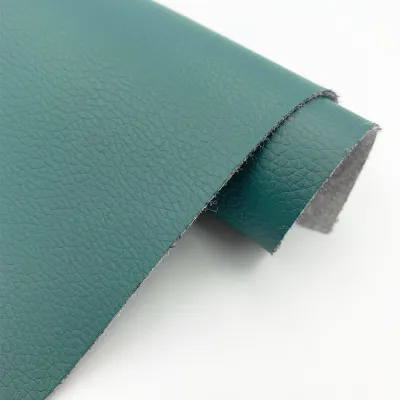
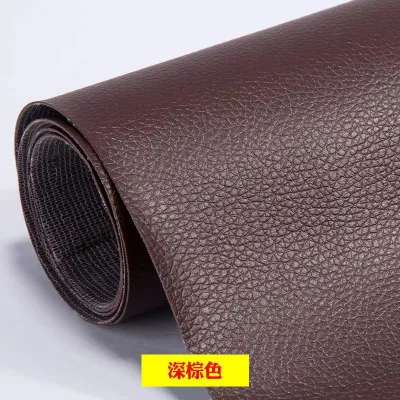
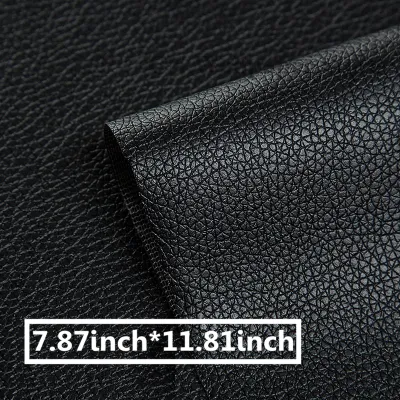
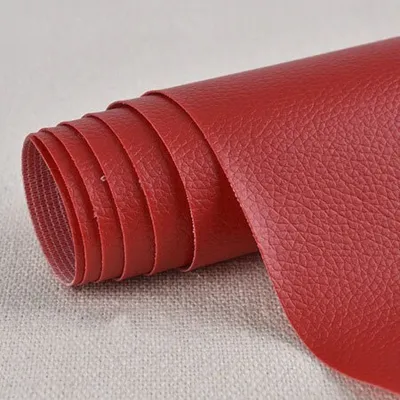
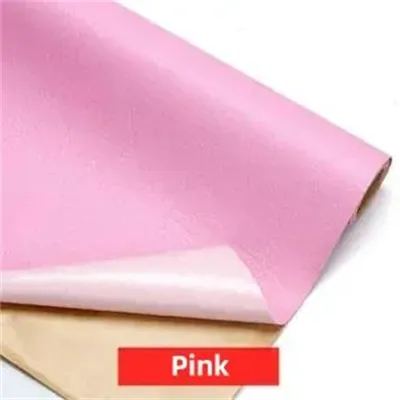
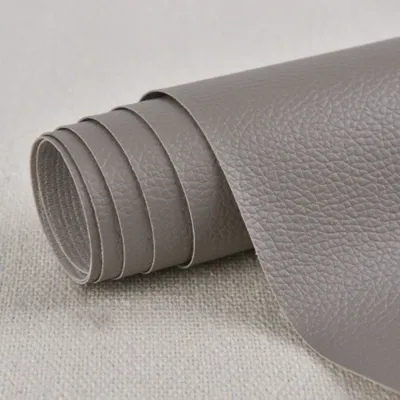
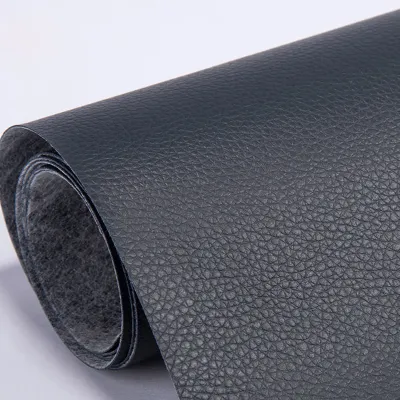
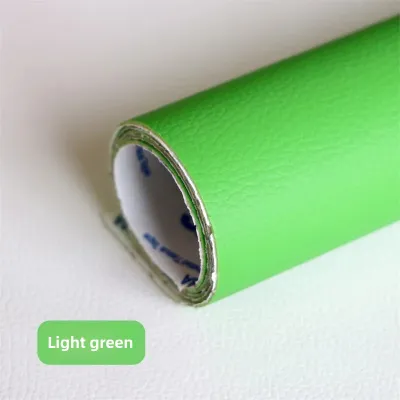
Prices are valid at publication and may change. Please refer to the product page for the latest price.
Woven backings feature a traditional grid of warp and weft threads, providing a stable, low-stretch foundation. This stability is ideal for straight seams, utility pouches, and items that must support weight without warping. However, woven backings can sometimes fray at raw edges if not properly sealed or enclosed within a seam, and they offer less give when turning a finished project right-side out.
Non-woven backings, such as compressed fibers or microfiber bases, mimic the fibrous underside of genuine animal hide. These backings provide uniform strength in all directions, meaning they do not have a distinct grain line or bias stretch. They are highly resistant to tearing at stitch lines because the dense, tangled fibers grip the sewing thread securely, preventing the needle holes from elongating under stress.
Beyond the backing type, you must inspect the bond between the textile base and the polyurethane surface layer. Gently pry at an exposed edge or corner of the sheet to verify that the plastic coating does not easily separate from the fabric. A high-quality PU leather sheet features a deeply integrated coating that resists delamination, ensuring the surface will not bubble or peel away when subjected to friction or tension during construction.
Performing Visual and Tactile Quality Checks
Before committing your scissors to a new PU leather sheet, a series of hands-on visual and tactile inspections can reveal hidden manufacturing flaws. Begin by examining the surface texture under bright, natural light to assess the consistency of the grain. High-quality sheets display a uniform pattern without bald spots, flat patches, or sudden changes in glossiness, which often point to uneven heat or pressure application during the embossing process.

Color uniformity is another critical indicator of production quality. Scan the entire sheet for subtle color shifts, splotches, or dye pooling, which can ruin the look of larger pattern pieces. If you are purchasing multiple sheets for a single project, check that they belong to the same dye lot, as synthetic dyes can vary slightly between production runs.
Next, evaluate the material’s flexibility and recovery by performing a simple fold test. Fold a corner of the sheet tightly between your fingers, apply moderate pressure for a few seconds, and release it. A premium PU leather sheet should spring back quickly without leaving a sharp, permanent crease or a white stress line in the polyurethane coating. If the crease remains deeply embedded or the surface shows signs of micro-cracking, the material is likely too brittle for projects that undergo frequent movement, such as wallets or bags.
The scent of the material also offers valuable clues about its chemical stability. While all synthetic materials have a faint plastic smell when new, a strong, pungent chemical odor resembling gasoline or harsh solvents indicates incomplete curing or low-grade chemical stabilizers. These sheets can off-gas in your workspace, causing discomfort, and the uncured polyurethane layer may degrade or become sticky over time, especially in warm, humid climates.
Finally, run your fingers along the cut edges and rub the backing material firmly. High-quality sheets feature clean, stable edges that do not shed excessive fibers or fuzz. To test colorfastness, rub a damp white cotton cloth vigorously across the surface of the PU leather several times; if any pigment transfers to the cloth, the dye is unstable and may bleed onto clothing or lining fabrics during use.
Testing Workability for Sewing and Crafting
A PU leather sheet might look exceptional on a cutting table, but its true value is proven under the needle. Unlike woven cotton or linen, polyurethane is non-healing; once a needle penetrates the surface, the resulting hole is permanent. This characteristic makes needle penetration resistance a vital factor to test on a small scrap before starting your main project.
To evaluate workability, stitch a few test lines on a scrap piece using your planned machine settings. Observe how easily the needle pierces the material; if the machine struggles, makes a loud punching sound, or skips stitches, the PU layer or backing may be too dense or sticky for standard setups. Additionally, tug gently on the stitched scrap to see if the needle holes stretch or tear; high-quality sheets maintain their structural integrity around the stitches without showing signs of slotting or pulling apart.
Adhesive compatibility is equally important for modern crafting techniques, such as temporary basting, edge painting, or securing hardware. Apply a small dab of your preferred fabric glue or contact cement to a scrap piece of the PU leather, let it cure according to the manufacturer’s instructions, and attempt to pull the bonded pieces apart. Quality PU sheets accept adhesives readily on both the backing and the finished surface, allowing for clean edge-folding and secure hardware installation without the glue dissolving or bubbling the polyurethane layer.
Lastly, simulate the assembly process by folding a scrap piece at a sharp angle and turning it inside out. This test is crucial for bags and pouches that are sewn wrong-sides together and then inverted. If the material resists turning, develops permanent wrinkles, or shows surface cracking along the folded edges during inversion, it lacks the structural resilience needed for complex, turned designs and should be reserved for flat, raw-edge construction.
Matching Thickness and Sheet Size to Your Project
Selecting the appropriate thickness of your PU leather sheet is a balancing act between structural support and machine capability. Thickness is typically measured in millimeters, ranging from ultra-thin options around 0.5 mm to heavy-duty sheets exceeding 1.5 mm. Choosing the wrong weight can lead to broken needles, jammed sewing machines, or a finished project that is either too floppy or too stiff to function.
Lightweight sheets (0.5 mm to 0.8 mm) are highly flexible and mimic thin garment leathers. They are ideal for apparel accents, gathered details, delicate pouches, and projects where multiple layers must be folded and stitched together. However, they lack the body required to stand upright on their own and will require heavy interfacing or stabilizers if used for structured bags.
Medium-weight sheets (0.9 mm to 1.2 mm) offer the most versatility for general crafting and sewing. They provide enough structure for wallets, tote bags, and book covers while remaining pliable enough for standard domestic sewing machines to handle without specialized industrial motors.
Heavyweight sheets (1.3 mm to 1.6 mm and above) are designed for rigid, structured items like belts, heavy straps, and molded cases. Before purchasing these thick sheets, verify that your sewing machine can handle the bulk, especially at seam intersections where four or more layers of material may overlap.
When calculating how much material to buy, do not rely solely on standard fabric yardage formulas. PU leather sheets are often sold in pre-cut dimensions, such as A4, A3, or specific roll widths. Map out your pattern pieces on paper first, keeping in mind that synthetic leather does not have a natural grain line like animal hide, but it may still have a directional stretch depending on the backing fabric. Arrange your pieces to minimize waste, account for generous seam allowances to prevent edge blowout, and ensure you have enough continuous material to avoid awkward piecing.
Navigating Purchasing Red Flags and Verification
Buying PU leather sheets online can be challenging due to the inability to touch or smell the material before paying. To protect your budget and avoid substandard batches, adopt a systematic approach to verifying listings and seller credibility. Whenever possible, purchase a small sample pack or request physical swatches before committing to a large order, especially if you are planning a high-volume project or sourcing materials for a small craft business.
Be highly skeptical of vague or misleading marketing terms used by online sellers. Phrases like “genuine PU leather,” “organic synthetic leather,” or listings that fail to specify the backing material or exact thickness are major red flags. A reputable seller will clearly state the composition of both the face layer (100% polyurethane) and the backing fabric (such as polyester knit or cotton TC woven), along with precise millimeter measurements.
Before finalizing your purchase, review the seller’s return and exchange policies regarding material defects. Check if they offer recourse for sheets that arrive with permanent creases from poor packaging, uneven dye lots, or a strong chemical odor that does not dissipate. If you are purchasing from an online marketplace, read customer reviews specifically looking for mentions of peeling, cracking during sewing, or receiving sheets folded rather than rolled, as folding can cause irreversible damage to the polyurethane coating during transit.
Frequently Asked Questions (FAQ)
Can I use a standard sewing machine needle for PU leather sheets?
While a standard universal needle can pierce thin PU leather, it is not the ideal choice for most projects. Universal needles have a slightly rounded tip designed to slip between fabric threads, which can cause skipped stitches or excessive friction when trying to punch through a solid polyurethane layer. Instead, opt for a Microtex (sharp) needle or a specialized leather needle. Microtex needles feature a very slim, sharp point that cuts clean, tiny holes through the synthetic coating, reducing strain on your machine. For thicker PU sheets with dense backings, a leather needle with a triangular cutting point can be used, but test it first on a scrap to ensure the cut hole does not weaken the seam.
How do I prevent PU leather from sticking to the sewing machine foot?
The polyurethane coating on PU leather sheets has a naturally high-friction surface that tends to stick to the metal or plastic underside of a standard presser foot. This sticking causes uneven feeding, resulting in bunched fabric, skipped stitches, and uneven stitch lengths. To resolve this, replace your standard foot with a Teflon (non-stick) presser foot or a roller foot, both of which glide smoothly over sticky synthetic surfaces. If you do not have these specialized feet on hand, you can place a strip of matte masking tape on the bottom of your standard presser foot, or sandwich your seam between layers of lightweight tissue paper, which can be easily torn away after stitching.
Community discussion
Share your experience or ask a question. Comments are reviewed before publication.