
Selecting high-quality positive affirmation cards in Singapore requires a thoughtful balance between tactile durability and emotional resonance. In a fast-paced urban environment where daily pauses for mindfulness are increasingly valued, these cards serve as physical anchors for reflection, goal-setting, and mental well-being. To find a deck that truly elevates your daily routine or serves as a meaningful gift, you must look beyond surface-level aesthetics. A durable deck must withstand daily handling and the challenges of a tropical climate while delivering clear, legible, and culturally appropriate messages. By focusing on material specifications, sourcing channels, and thematic alignment, you can confidently choose a deck that inspires lasting positive habits.
Evaluating Physical Quality and Print Standards
When assessing affirmation cards, the physical construction and paper weight are primary indicators of longevity. Paper weight is measured in GSM (grams per square meter), with standard printer paper typically hovering around 80 GSM and standard greeting cards ranging from 250 to 300 GSM. For affirmation cards, which are designed for daily handling, shuffling, and carrying, look for a weight between 300 GSM and 400 GSM. This thickness provides a satisfying stiffness, prevents the edges from fraying quickly, and ensures the cards do not bend or crease easily under regular use.
The tactile texture of the paper also plays a significant role in the user experience. Common options include smooth matte, soft-touch lamination, or textured linen. A linen texture adds a premium, tactile feel that naturally resists fingerprints, while soft-touch lamination offers a velvety grip that makes shuffling easier. If you are shopping in-store, gently flex the card to test its resilience; it should spring back to its original flat shape without leaving a crease.
Products mentioned in this guide
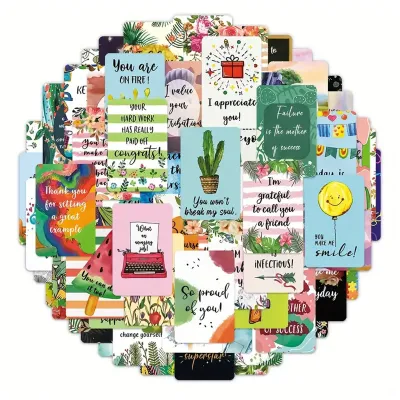
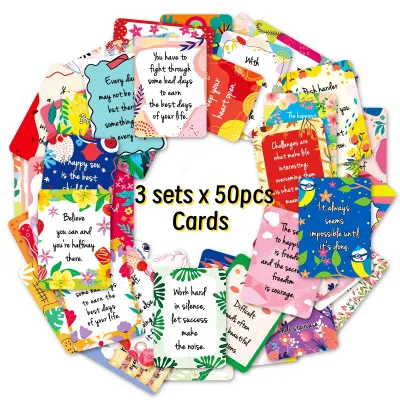
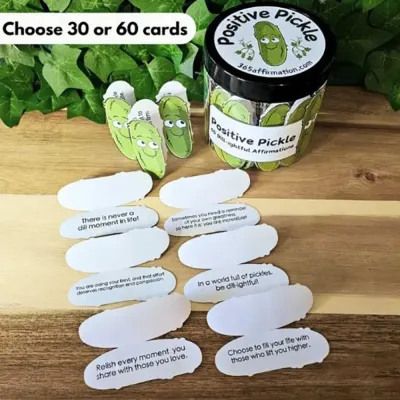
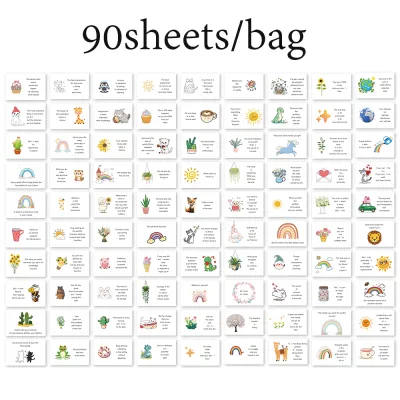
Prices are valid at publication and may change. Please refer to the product page for the latest price.
Printing techniques and ink quality directly impact both the visual appeal and the durability of the cards. Sharp typography is essential because small, blurry text can disrupt the reading experience and strain the eyes. Look for crisp printing where the edges of letters are sharply defined, and ensure the color saturation is uniform across the entire deck without any fading or bleeding. Matte finishes are generally preferable for daily use as they reduce glare under indoor lighting, making the text easier to read during morning or evening reflections.
Singapore’s high relative humidity presents a unique challenge for paper products, as moisture absorption can lead to warping, limpness, or mold over time. Therefore, the packaging is just as important as the cards themselves. Look for decks housed in rigid, heavy-duty boxes—such as two-piece lift-off boxes or magnetic-closure boxes—rather than flimsy tuck-end paper cartons. If ordering online, verify that the packaging includes protective cellophane wrapping or moisture-barrier sleeves to shield the paper fibers from humidity during transit and storage.
Where to Source Affirmation Cards in Singapore
Finding the right retail channel is key to verifying the quality and authenticity of your affirmation cards. Independent stationery boutiques and lifestyle concept stores, often located in creative districts or heritage neighborhoods, specialize in highly curated selections. These venues frequently showcase independent designers and local illustrators whose work features unique paper stocks, hand-pressed foil details, and niche themes. Visiting these physical stores allows you to feel the paper weight, test the card texture, and observe the true color accuracy under natural light before making a purchase.

For widely recognized international and regional brands, established bookstores across major shopping malls offer a reliable and convenient option. These retailers maintain consistent quality control and clear return policies if you encounter manufacturing defects. Their inventory typically covers broad, universally appealing themes such as general mindfulness, stress reduction, and gratitude, making them excellent stops for last-minute gifts where immediate availability is a priority.
When shopping online through local ecommerce platforms or direct-to-consumer brand websites, physical inspection is impossible. To mitigate this, carefully read customer reviews, paying close attention to uploaded photos that show the cards in real-world lighting. Look for feedback regarding paper stiffness, ink smudging, and packaging durability. Verify the seller’s authenticity by checking their rating, return policy, and responsiveness to customer inquiries before finalizing your checkout.
Selecting Meaningful Messages for Personal Use or Gifting
Affirmation cards are highly personal tools, and their effectiveness depends heavily on how well the messages align with the recipient’s emotional needs. Some decks focus on gentle mindfulness, grounding prompts, and self-compassion, which are ideal for winding down in the evening or managing daily stress. Other decks employ high-energy, action-oriented language tailored for career motivation, creative blocks, or athletic performance. Matching the tone to the user’s current life stage ensures the cards serve as a helpful resource rather than a mismatched distraction.
Consider how the language aligns with local sensibilities and daily realities. In a fast-paced, multicultural environment like Singapore, overly abstract or highly Westernized idioms may sometimes feel disconnected from daily life. Look for cards that use clear, universally relatable language that respects diverse backgrounds. The phrasing should feel authentic and achievable rather than overly idealistic; realistic affirmations that acknowledge challenges while encouraging resilience tend to have a deeper, more sustainable impact on mental well-being.
The visual presentation directly influences how a message is received and processed. High-contrast typography—such as dark text on a light, neutral background—ensures readability even in low-light settings, such as during early morning meditation or late-night journaling. Avoid decks with overly busy background patterns, chaotic color schemes, or highly decorative fonts that force the eye to strain. A clean, minimalist layout allows the mind to focus entirely on the words, facilitating a deeper state of reflection.
Creating Custom Alternatives: A DIY Approach
If commercial decks do not align with your specific aesthetic or thematic needs, crafting your own cards is a highly rewarding alternative. Begin by selecting premium blank cardstock, ideally between 250 and 300 GSM, which is compatible with standard home printers or manual lettering. If you prefer hand-writing your affirmations, test your writing instruments—such as fountain pens, brush markers, or gel pens—on a scrap piece of the cardstock first. This step ensures the ink does not bleed through, feather, or smudge on the paper surface.
Gather quotes, personal mantras, or specific goals that hold deep personal meaning. When designing the layout, maintain generous margins and utilize basic design principles like the rule of thirds to create a balanced composition. If printing at home, adjust your printer settings to “heavy paper” or “cardstock” to prevent paper jams and ensure the ink bonds correctly to the thicker fibers.
To elevate DIY cards into a thoughtful gift, incorporate tactile and artisanal details. You can apply edge gilding using metallic ink pads, use custom rubber stamps to create consistent border designs, or seal a bundle of cards with a personalized wax seal. When using adhesives, spray sealants, or hot wax tools, always work in a well-ventilated space and follow the manufacturer’s safety instructions to ensure a clean, hazard-free crafting process.
Frequently Asked Questions (FAQ)
How to Store and Preserve Physical Cards
To maintain the pristine condition of your affirmation cards, store them in a cool, dry environment away from direct sunlight, which can cause UV fading and accelerate paper yellowing. Singapore’s tropical climate makes paper susceptible to moisture absorption and warping; therefore, avoid keeping your cards in humid areas like bathrooms or near open windows. Instead, store the deck in a dedicated rigid box, a metal tin, or individual archival-quality plastic sleeves. These protective enclosures shield the paper edges from dust, accidental spills, and physical wear, ensuring your cards remain crisp and vibrant for years of daily use.
Digital vs. Physical Cards: Which Format Fits Your Routine?
Choosing between digital and physical affirmation formats depends largely on your lifestyle and daily habits. Physical cards offer a tactile, screen-free mindfulness ritual that encourages you to slow down, shuffle, and physically hold a message, making them excellent for morning routines or journaling sessions. Conversely, digital formats—such as mobile apps, lock-screen widgets, or downloadable templates—provide unmatched convenience, portability, and the ability to set automated daily reminders. If you opt for digital cards, check your device’s screen readability under different lighting conditions and adjust your notification settings so the prompts integrate smoothly into your day without becoming another source of digital distraction.

Community discussion
Share your experience or ask a question. Comments are reviewed before publication.