
Finding the perfect love card in Singapore involves more than just picking a pleasing design off a retail rack. A truly memorable card serves as a physical keepsake of a relationship milestone, requiring a careful balance of tactile quality, artistic design, and personal expression. By understanding how to evaluate paper stocks, printing techniques, and retail sources, you can select a card that elevates your romantic message and stands the test of time.
In a digital age, a physical card carries significant emotional weight. The effort of choosing, writing, and presenting a card shows a level of care that digital messages cannot replicate. To ensure your sentiment is matched by the physical presentation, it is helpful to understand the key elements of high-quality stationery before making your purchase.
Key Criteria for Evaluating Love Card Quality
The tactile experience of holding a card is the first indicator of its quality. Paper weight is measured in grams per square meter (GSM). Standard, mass-produced cards often use lightweight cardstock around 200 to 250 GSM, which can feel flimsy and warp easily in Singapore’s humid climate. Premium brands typically utilize heavy-weight cardstock ranging from 300 to 350 GSM or higher, giving the card a substantial, luxurious feel.
Products mentioned in this guide

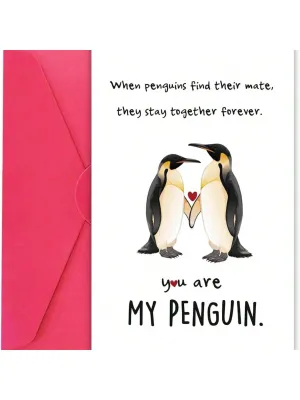
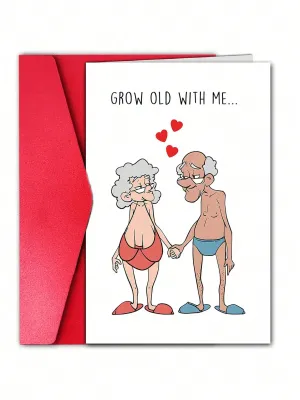

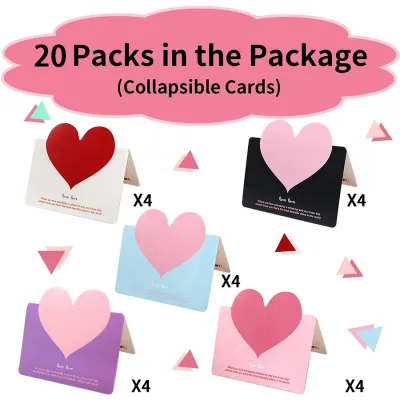
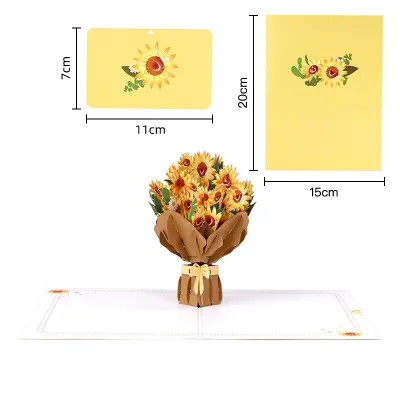
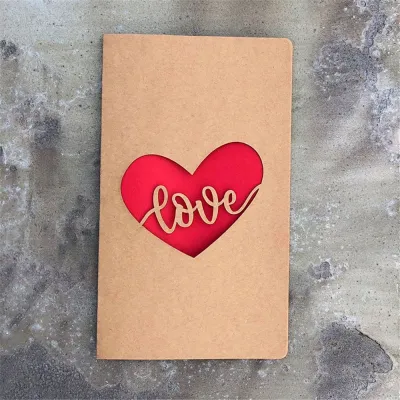
Prices are valid at publication and may change. Please refer to the product page for the latest price.
Beyond weight, the texture of the paper plays a significant role in its overall appeal. Uncoated cotton paper offers a soft, organic feel and is highly receptive to ink, making it a favorite for high-end stationery. Felt-finished and linen-textured papers provide subtle, tactile patterns that catch the light and add depth to the design. When selecting a card, run your fingers over the surface to check for a consistent, premium texture that resists bending under its own weight.
The method used to apply designs to the paper greatly influences the card’s visual and tactile appeal. Letterpress printing, one of the oldest and most prestigious techniques, presses ink deep into thick cotton paper, creating a distinct debossed effect you can feel. Foil stamping applies metallic or colored foils using heat and pressure, resulting in a brilliant, reflective finish that adds a touch of elegance to romantic themes. Embossing raises specific design elements above the paper surface, creating a three-dimensional effect. When evaluating these techniques, inspect the crispness of the lines and the alignment of the print to ensure there is no smudging or misalignment.
The inside of a love card is where your personal sentiment resides. Many premium cards are left entirely blank inside, offering a clean canvas for your handwritten message. If you prefer a card with a pre-printed verse, ensure the typography matches the cover’s aesthetic and the sentiment aligns naturally with your relationship’s tone. For those who plan to write long, heartfelt messages, ink compatibility is a crucial factor. High-quality, uncoated papers absorb ink beautifully without feathering (where ink spreads along the paper fibers) or bleeding through to the back of the card. If you use a fountain pen or a gel pen, test a small, inconspicuous corner of the card or envelope first to observe the drying speed and ensure the ink does not smudge.
A premium card is incomplete without a matching, high-quality envelope. The envelope should be constructed from thick paper, typically 120 GSM or higher, to protect the card during transit and prevent the contents from showing through. Look for envelopes with elegant design details, such as a contrasting inner lining, a classic pointed flap (baronial style), or a modern square flap. The adhesive seal is also an important consideration; high-quality envelopes feature reliable gummed seals that require moisture or convenient peel-and-stick adhesive strips that maintain their stickiness even in humid environments.
Design Styles to Match Your Romantic Occasion
For partners who appreciate modern, clean aesthetics, minimalist and typographic love cards are an excellent choice. These designs rely on elegant calligraphy, bold sans-serif fonts, and generous negative space to deliver a clear, focused message. The beauty of these cards lies in their simplicity, allowing the quality of the paper and the precision of the print to take center stage. They are highly versatile and suitable for both early-stage relationships and long-term partnerships where an understated, sophisticated tone is preferred.

Artistic designs offer a more expressive and visual way to convey romance. Watercolor illustrations bring a soft, dreamy, and romantic feel, often featuring floral motifs, scenic landscapes, or whimsical characters. Hand-drawn illustrations can range from intricate, detailed sketches to playful, cartoonish drawings that add a lighthearted touch. Photographic cards use high-resolution imagery to evoke nostalgia or capture a specific mood. When choosing an artistic style, consider your partner’s personal taste in art and home decor to ensure the card resonates with their aesthetic preferences.
If you want to make a lasting impression, look for cards that incorporate interactive or tactile elements. Pop-up cards unfold into intricate three-dimensional structures, such as floral bouquets or romantic scenes, creating an immediate sense of wonder. Pull-tabs, slide-outs, and rotating wheels add a playful, engaging dimension to the reading experience. Tactile embellishments like hand-tied silk ribbons, wooden charms, or pressed flowers add physical depth and make the card feel like a hand-crafted gift rather than a simple piece of stationery.
The emotional tone of the card should match the specific milestone you are celebrating. For major anniversaries or deep declarations of love, a poetic or deeply sentimental card with elegant design elements is highly appropriate. For casual occasions, birthdays, or just-because moments, a humorous or playful card can bring a smile to your partner’s face. Ensure the humor is affectionate and aligns with your shared inside jokes, avoiding anything that might detract from the romantic intent of the occasion.
Where to Source Reliable Card Brands in Singapore
For those who need a card immediately or prefer to inspect the physical quality before buying, major bookstores and stationery chains located in Singapore’s shopping districts are highly reliable. These retailers stock a wide selection of established international stationery brands. Shopping in person allows you to feel the paper weight, check the texture, and verify that the envelopes are pristine and unbent.
If you are looking for unique, artistic, or locally inspired designs, boutique gift shops and independent stationery stores are excellent resources. Often found in creative neighborhoods like Tiong Bahru, Haji Lane, or local craft markets, these shops curate collections from homegrown Singaporean designers and niche international studios. These cards often feature hand-drawn illustrations, eco-friendly recycled papers, and distinct cultural references that make your greeting feel incredibly personal and thoughtful.
For the widest possible selection, online marketplaces and official brand websites offer unparalleled variety. You can browse thousands of designs from the comfort of your home, filtering by style, occasion, and price. This is particularly useful for finding highly specific themes or ordering custom-made cards. When shopping online, it is essential to read product descriptions carefully to verify specifications like GSM, dimensions, and included accessories.
To ensure a smooth online purchasing experience, always check the seller’s ratings and read customer reviews. Look for feedback regarding packaging quality, as cards can easily bend or suffer water damage during shipping. Verify the seller’s return policies in case the card arrives damaged. Most importantly, pay close attention to delivery lead times, especially if you are ordering close to a specific date like an anniversary or Valentine’s Day. Allow extra buffer time for international shipping or custom orders to avoid last-minute stress.
Building a Shortlist and Making the Final Decision
While a single premium love card in Singapore typically ranges from S$5 to S$15, the investment is often justified by the exceptional materials and craftsmanship. If you frequently write romantic notes or want to keep a stock of beautiful stationery on hand, consider purchasing curated box sets. Box sets offer a lower cost per card while maintaining a high standard of design and paper quality, making them a practical and economical choice for stationery enthusiasts.
Elevate the presentation of your love card by pairing it with complementary stationery accessories. A matching envelope liner adds an unexpected pop of color or pattern when opened. Consider sealing the envelope with a traditional wax seal or a decorative sticker to create an elegant, old-world aesthetic. Using a high-quality pen with archival-grade ink ensures your written words remain vibrant and legible for decades without fading or smudging.
Singapore’s tropical climate and high humidity can affect paper products if they are not stored or shipped correctly. When ordering online, verify that the seller packages the card in a rigid cardboard mailer or a protective plastic sleeve to prevent moisture absorption and bending during transit. Once your card arrives, store it in a cool, dry place away from direct sunlight to preserve the paper’s crispness and prevent the colors from fading before you present it to your partner.
Before finalizing your purchase, take a moment to review customer feedback specifically focusing on print accuracy and paper stiffness. Look for user-uploaded photos to verify that the colors match the online product images. Pay attention to comments about whether the card feels substantial or if the envelopes are too thin. This step helps you avoid low-quality imitations and ensures that the card you receive matches your expectations of a premium romantic keepsake.
Frequently Asked Questions (FAQ)
What paper weight is considered premium for a greeting card?
For a greeting card to feel premium and substantial, look for a paper weight of 300 GSM (grams per square meter) or higher. Standard cardstock used in mass-market cards typically ranges from 200 to 250 GSM, which can feel thin and prone to bending. A 300 GSM card has a satisfying stiffness, stands upright easily on a shelf without sagging, and provides excellent resistance to ink bleeding and feathering, making it ideal for heartfelt handwritten messages.
Can I customize or personalize love cards from local brands?
Yes, many local independent designers and boutique stationery brands in Singapore offer customization options. This can range from simple personalizations, such as printing your partner’s name on the front cover, to fully custom interior messages or bespoke illustrations. Keep in mind that customized cards require additional design and production time, so it is important to check the seller’s specific lead times and any extra fees before placing your order to ensure it arrives in time for your occasion.
Community discussion
Share your experience or ask a question. Comments are reviewed before publication.