
Finding the perfect greeting card in Singapore is an essential part of the gifting ritual. A thoughtful card does more than carry a message; it sets the tone for the entire gift, reflecting the effort and care you have put into the gesture.
Whether you are celebrating a milestone, expressing gratitude, or sending holiday wishes, the physical quality of the card speaks volumes. The weight, texture, and print finish of the paper communicate a sense of value before the recipient even reads your handwritten words.
In Singapore’s diverse retail landscape, you will find everything from minimalist international stationery to vibrant, locally designed cards that capture unique cultural nuances. Choosing the right card requires balancing aesthetic appeal with material durability.
Products mentioned in this guide
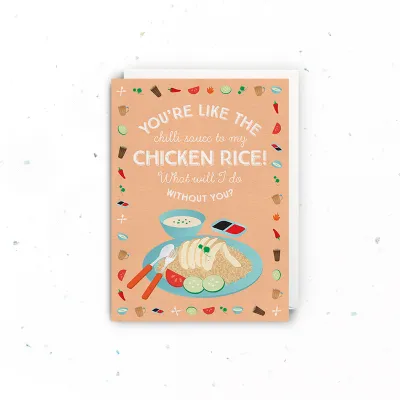


Prices are valid at publication and may change. Please refer to the product page for the latest price.
By understanding what makes a greeting card truly premium, you can confidently select a piece that complements your gift. This guide will help you navigate paper types, sourcing channels, and design matching to find the perfect card.
Understanding Greeting Card Quality and Paper Types
The tactile experience of holding a greeting card is the first indicator of its quality. This experience is primarily determined by the paper weight, which is measured in grams per square meter (GSM).
Standard, mass-produced cards often use paper weights between 200 and 250 GSM. These can feel flimsy or bend easily under their own weight, detracting from the presentation of a premium gift.
For a high-quality gift, look for brands that utilize cardstock ranging from 300 GSM to 350 GSM or higher. This heavier weight ensures the card stands upright on a desk or shelf without bowing, maintaining its structural integrity over time.
Beyond weight, the surface texture of the paper plays a crucial role in both visual appeal and writing comfort. Matte finishes are highly popular for their modern, non-reflective look and excellent ink absorption, making them compatible with almost any pen type.
Textured papers, such as linen, felt-marked, or cotton rag, offer a luxurious, tactile sensation that immediately elevates the card’s perceived value. These textured surfaces catch the light subtly and provide a sophisticated backdrop for both printed designs and handwritten notes.
Glossy finishes, while vibrant and excellent for reproducing high-contrast photographs, can be challenging to write on. They are highly prone to fingerprint smudges and require specific ink types to prevent smearing.
The printing technique used on the card is another key hallmark of quality. High-end stationery brands often employ traditional printing methods like letterpress, where the design is physically debossed into thick cotton paper, creating a deep, touchable texture.
Foil stamping, which applies metallic foil using heat and pressure, should feature crisp, clean edges. Look closely to ensure there is no flaking, peeling, or misalignment of the metallic elements.
For digitally printed cards, inspect the ink coverage carefully. The colors should be rich and solid, without visible banding, pixelation, or fuzzy outlines along the edges of the illustrations.
An often-overlooked component of a premium greeting card is the accompanying envelope. A high-quality card should always be paired with an equally robust envelope, typically made from paper weighing at least 120 GSM.
The envelope should feel substantial and opaque enough to keep the contents private. Look for thoughtful details such as a contrasting inner lining, an elegantly shaped flap, and a reliable gummed seal that adheres securely without warping the paper when moistened.
Where to Find Greeting Card Brands in Singapore
Singapore offers a rich variety of shopping destinations where you can source exceptional greeting cards, catering to different tastes, budgets, and timelines.

If you prefer a hands-on shopping experience where you can physically feel the paper texture and inspect the print quality, brick-and-mortar retail is your best option. Major bookstores and high-end lifestyle boutiques across the city-state carry curated selections of renowned international stationery brands.
These physical locations are ideal for finding classic, elegant designs, sophisticated floral patterns, and high-quality minimalist cards. They are particularly suited for formal or professional occasions where a traditional aesthetic is preferred.
For those seeking something more distinctive and culturally resonant, Singapore’s local design scene is incredibly vibrant. Independent boutiques, museum gift shops, and weekend artisan markets are treasure troves for locally designed greeting cards.
Many Singaporean illustrators and independent brands create cards featuring local landmarks, colloquial expressions, and festive designs. These are tailored to occasions like Chinese New Year, Hari Raya, Deepavali, and National Day.
Purchasing from these local creators adds a unique, personalized touch to your gift that international brands cannot replicate. It also supports the local creative community and offers a memorable keepsake for international recipients.
If convenience is your priority, or if you are looking for a highly specific niche brand, online shopping platforms offer unparalleled variety. Many independent stationery brands operate their own official e-commerce stores, delivering directly to Singapore.
When shopping online, it is crucial to read product specifications carefully. Pay close attention to dimensions, paper weight, and included accessories to avoid surprises upon delivery.
To ensure a smooth purchasing experience, verify the seller’s ratings and read customer reviews. Look at uploaded photos from other buyers to confirm the real-world appearance and color accuracy of the cards.
Additionally, factor in shipping times and potential transit delays, especially during peak festive seasons. Ordering well in advance ensures your card arrives in pristine condition before your gifting occasion.
Matching the Card to Your Gift and Recipient
A greeting card should never feel like an afterthought; instead, it should harmonize beautifully with the gift it accompanies. The physical size and format of the card are the first elements to consider.
A standard folded card, such as an A2 or A6 size, is highly versatile and fits comfortably inside most gift bags or alongside wrapped boxes. It provides ample space for a thoughtful message without overpowering the gift itself.
For larger, more dramatic gifts, a larger card format can make a bolder statement. Conversely, if you are presenting a delicate piece of jewelry or a small accessory, a miniature gift enclosure card is more appropriate, as it will not overwhelm the main item.
The structural format of the card can also enhance the unboxing experience. Pop-up cards, laser-cut designs, and three-dimensional folding cards double as decorative ornaments, making them excellent choices for major milestones like weddings or milestone birthdays.
Postcard-style cards offer a casual, modern aesthetic that works well for informal thank-you notes or spontaneous gestures of appreciation. Ensure that the complexity of the card’s design matches the recipient’s personality.
A minimalist friend may appreciate clean typography and ample negative space, while a family member might delight in intricate, colorful illustrations. Matching the visual style shows a deep understanding of the recipient’s tastes.
The tone of the card’s design and messaging must align with your relationship with the recipient. For professional contexts, such as gifting a colleague, client, or mentor, opt for understated elegance.
Understated designs often feature neutral color palettes, subtle foil accents, and blank or simple “Thank You” or “Congratulations” inscriptions. This maintains a respectful and polished boundary.
For close friends and family, you have the freedom to choose humorous, whimsical, or deeply sentimental designs. These cards can feature playful illustrations or heartfelt pre-printed messages that reflect your shared history.
Finally, consider the practical aspect of writing your message. The interior of the card should offer a clean, writable surface that accommodates your chosen writing instrument.
Avoid cards with highly coated, glossy interiors, as they repel ink and cause severe smudging. A matte, uncoated, or lightly textured interior is ideal, providing enough tooth for your pen to glide smoothly while absorbing the ink quickly.
Checklist for Inspecting and Purchasing Greeting Cards
To ensure the greeting card you select meets the highest standards of quality, use this practical checklist whether you are browsing in a physical store in Singapore or evaluating options online.
First, perform a thorough visual and tactile inspection of the card’s construction. Check the fold line; it should be perfectly crisp, straight, and centered, without any cracking or fraying along the paper spine.
Examine the edges of the card to ensure they are cleanly cut. There should be no paper burrs, uneven corners, or rough edges that detract from the card’s premium feel.
If the card features specialty finishes like foil stamping or embossing, look closely at the registration. The foil or raised pattern should align perfectly with the printed design underneath, with no overlapping or bare spots.
Second, test the compatibility of the envelope. Slide the card into the envelope to ensure a smooth fit. The card should glide in easily without catching on the inner seams.
There should be a small amount of clearance, around two to three millimeters, on all sides. This ensures the envelope does not bulge, warp, or tear at the seams when sealed.
Check the adhesive strip on the envelope flap. It should be clean, evenly applied, and free of any premature peeling or discoloration that could compromise the seal.
Third, if you are purchasing online, protect your investment by reviewing the retailer’s packaging and shipping policies. Ensure the seller packages the cards in rigid, bend-proof mailers or protective cardboard sleeves.
This packaging prevents bending, corner dings, or water damage during transit. Finally, verify the return or replacement policy in case the items arrive damaged, and check the estimated delivery window to guarantee the card arrives in time.
Frequently Asked Questions (FAQ)
Do I need to match the greeting card brand to the gift brand?
No, there is no need to match the greeting card brand to the brand of your gift. In fact, mixing brands often creates a more thoughtful, curated presentation that feels highly personalized.
Focus instead on aesthetic and tonal harmony between the card and the gift. For example, if you are gifting a luxury skincare item in minimalist packaging, pair it with a card that shares a similar clean, elegant design language.
The goal is to create a cohesive unboxing experience where the card feels like a natural extension of the gift. This approach shows that you curated each element of the present individually, rather than relying on a pre-packaged set.
How can I ensure my handwritten message does not smudge on specialty paper?
To prevent smudging, match your pen type to the card’s paper finish. For matte or uncoated papers, gel pens, fine-liners, and fountain pens work beautifully as the paper absorbs the ink quickly.
For textured or cotton papers, a high-quality ballpoint pen or archival felt-tip pen is recommended. These instruments prevent ink from bleeding along the paper fibers, keeping your handwriting sharp and legible.
If the card has a slightly semi-gloss or coated interior, stick to a standard ballpoint pen. Oil-based inks dry much faster on non-porous surfaces compared to water-based gel or fountain pen inks.
Always perform a quick test write on a discreet area, such as the inner fold or the envelope flap, to check drying times. Allow the ink to dry completely before folding the card or placing it inside the envelope.
Community discussion
Share your experience or ask a question. Comments are reviewed before publication.