
Selecting a high-quality farewell card for a departing colleague in Singapore requires balancing professional respect with genuine appreciation. A well-chosen card often serves as the emotional anchor of the best farewell gift for a colleague, preserving shared memories and well-wishes long after they have transitioned to their next role. To ensure the card reflects the significance of the occasion, you must evaluate tangible material specifications, design aesthetics, and practical signing requirements.
In professional environments, the tactile feel of a card speaks volumes before the recipient even reads the message. Cheap, flimsy cardstock can diminish the sentiment, while a heavy, textured card conveys thoughtfulness and effort. By understanding how to assess paper quality, where to source premium options locally, and how to match the card’s tone to your workplace relationship, you can make an informed choice that resonates with your departing coworker.
Key Features to Look for in Professional Farewell Cards
Evaluating the physical and aesthetic properties of a greeting card before purchasing ensures it survives the signing process and stands the test of time as a keepsake. The first and most critical technical specification to check is the paper weight, measured in grams per square meter (gsm). Standard, low-cost cards often use paper weights under 250 gsm, which can feel flimsy and crease easily under hand pressure. For a premium feel, look for cards crafted from cardstock weighing between 300 gsm and 350 gsm, which provides a rigid, substantial structure that feels satisfying to hold.
Products mentioned in this guide

![[MIN 3 CARDS] 🇸🇬SG Farewell Colleagues Office Thank You Card Special Funny Editions Message Greeting Card](https://img.lazcdn.com/g/ff/kf/S86bba52823c4435db8ceee3b5ac78775I.jpg_400x400q80.jpg_.webp)
Prices are valid at publication and may change. Please refer to the product page for the latest price.
The surface finish of the cardstock directly impacts how well it accepts different types of ink. High-gloss finishes, while vibrant, are highly prone to smudging, especially when multiple colleagues sign the card in rapid succession. Gel pens, rollerballs, and fountain pens require a porous surface to dry properly. Uncoated, matte, or lightly textured paper finishes (such as linen, felt, or cotton blends) are highly recommended because they absorb ink quickly, minimize feathering, and prevent accidental smudging as the card is passed around the office.
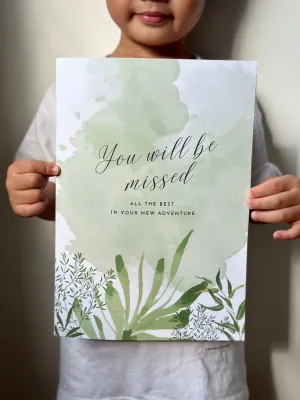
Design tone is another vital consideration for maintaining professional boundaries. While humorous cards can work well for close teammates, they can easily backfire if the humor is overly casual, sarcastic, or potentially offensive. Opt for clean, sophisticated designs featuring elegant typography, minimalist geometric patterns, or subtle botanical illustrations. The visual presentation should align with your company’s culture, ensuring the gesture remains respectful and polished.
Finally, examine the interior layout of the card. Many commercial cards feature large, pre-printed sentiments that leave very little blank space for personalized messages. For workplace farewells, completely blank interiors are highly preferable. This layout provides maximum flexibility, allowing you to write a detailed personal note or accommodating signatures from an entire department without crowding the design.
Where to Source Reliable Greeting Card Brands in Singapore
Finding the right card involves knowing where to shop, whether you prefer a hands-on tactile inspection or the convenience of online browsing. Visiting physical retail locations in Singapore allows you to feel the paper texture and verify the construction quality firsthand. Premium bookstores, specialized stationery boutiques, and lifestyle concept stores in districts like Orchard Road, Bras Basah, and Tiong Bahru are excellent starting points. These venues curate international and local design brands that prioritize high-grade materials and unique printing techniques, such as letterpress or foil stamping.

If you prefer shopping online, official brand websites and local online marketplaces offer a vast selection. When navigating these digital platforms, look for listings that explicitly state paper specifications, such as “300 gsm acid-free paper” or “textured matte cardstock.” Read customer reviews carefully, paying close attention to feedback regarding packaging protection during transit and actual ink drying experiences. Additionally, verify the seller’s location and estimated delivery lead times to ensure the card arrives well before your colleague’s final day at the office.
When sourcing your card, consider the trade-offs between mass-market commercial brands and independent local stationery designers. Mass-market cards are widely accessible and cost-effective, but they often feature generic designs and standard glossy finishes. In contrast, independent local designers frequently produce limited-run collections using eco-friendly, FSC-certified recycled papers and unique hand-drawn illustrations. Supporting local design studios not only provides you with a distinctive, high-quality product but also adds a touch of local charm that Singapore-based colleagues will appreciate.
Matching the Card Style to Your Workplace Relationship
The nature of your professional relationship with the departing colleague should dictate the style and format of the card you select. For close team members and daily collaborators with whom you have shared projects, challenges, and daily lunches, a warm and slightly personalized card is highly appropriate. You can choose designs with cheerful illustrations or subtle, lighthearted themes that reflect a friendly, supportive dynamic, leaving ample space to recount specific shared experiences and inside jokes.
When selecting a card for direct managers, senior executives, or professional mentors, the design should lean toward elegant minimalism. Opt for sophisticated color palettes—such as navy, forest green, cream, or charcoal—complemented by understated gold or silver foil accents. The message space should be used to express sincere gratitude for their leadership, guidance, and impact on your career development. A clean, structured card design reinforces your professional respect and maintains an appropriate executive tone.
For department-wide or company-wide departures, standard-sized cards are rarely sufficient. When dozens of colleagues need to sign, opt for oversized formats, such as A5 or A4 folded cards, or specialized multi-panel accordion designs. These larger structures provide designated zones for different teams or individuals to write their messages without overlapping or rendering the card illegible. Choosing a card with a structured, clean layout ensures that the final collective presentation looks organized and respectful rather than chaotic.
Pairing the Card with the Best Farewell Gift for a Colleague
A thoughtful farewell card achieves its maximum impact when seamlessly integrated into a broader farewell gesture. If your team has organized a physical gift, try to coordinate the card’s aesthetic with the gift itself. For example, if you are presenting a premium leather-bound notebook, a sleek brass desk pen, or a curated gourmet hamper, select a card that shares a similar color scheme or design language. This visual cohesion elevates the entire presentation, making the gift feel like a unified, carefully planned tribute.
In cases where a physical gift is not feasible—perhaps due to a short departure notice, a remote working arrangement, or a distant working relationship—a high-quality standalone card is a complete and highly respectful gesture on its own. Do not underestimate the value of a beautifully written, sincere message. In a digital-first work environment, a physical card filled with genuine handwritten notes from colleagues often holds far more sentimental value than a generic, last-minute retail item.
Before finalizing your farewell plans, always review your organization’s internal policies regarding gift-giving. Many companies in Singapore, particularly in the public sector, multinational corporations, or financial institutions, enforce strict compliance limits on the monetary value of gifts employees can receive, often capped between S$50 and S$100. Ensure your collective gift falls safely within these boundaries. Finally, plan the handover moment carefully; presenting the card and gift during a dedicated farewell tea, team lunch, or a quiet moment at the end of their final day ensures a warm and memorable send-off.
Frequently Asked Questions (FAQ)
How many colleagues should sign a group farewell card?
The ideal number of signatures depends entirely on the physical dimensions of the card. A standard folded card (approximately 10 cm by 15 cm) can comfortably accommodate three to five short, legible messages. If you have a medium-sized team of six to fifteen people, opt for an A5-sized card to ensure everyone has room to write a meaningful sentence. For departments larger than fifteen people, standard cards will quickly become overcrowded and messy. In these scenarios, consider using a large A4 folding card, adding a high-quality paper insert for extra signatures, or utilizing a structured signing board to keep the presentation neat.
Is it appropriate to give a humorous farewell card to a manager?
Giving a humorous card to a manager carries professional risks and is generally discouraged unless you share an exceptionally close, long-standing working relationship. Humorous designs can easily be misinterpreted, especially when read out of context or viewed by other senior leaders. If you are in doubt about how the humor will be received, always default to an elegant, appreciative, and minimalist design. A sophisticated card focusing on professional gratitude, mentorship, and future success is a safe, respectful, and universally well-received choice that preserves your professional reputation.
Community discussion
Share your experience or ask a question. Comments are reviewed before publication.