
Finding the right positive affirmation cards in Singapore involves balancing aesthetic appeal with physical durability and thematic depth. Whether you are seeking a daily mindfulness tool to anchor your morning routine or looking for a meaningful, personalized gift for a loved one, the local market offers a diverse array of options. Navigating these choices requires understanding what makes a deck truly functional and resonant over long-term use.
By evaluating key physical characteristics, thematic alignments, and sourcing methods, you can select a deck that integrates seamlessly into your daily life. This guide provides a structured framework to help you compare available options, verify product quality, and even explore custom DIY alternatives to create the perfect motivational tool.
What to Look for in a Quality Affirmation Deck
The physical quality of an affirmation deck directly impacts how often you will use it. Because these cards are designed to be handled daily, shuffled, and displayed, selecting a deck made from durable paper stock is essential. Look for cards printed on heavy cardstock, typically between 300 gsm and 350 gsm (grams per square meter). This thickness ensures the cards resist bending, creasing, and edge fraying over time, maintaining their premium feel even with frequent handling.
Products mentioned in this guide
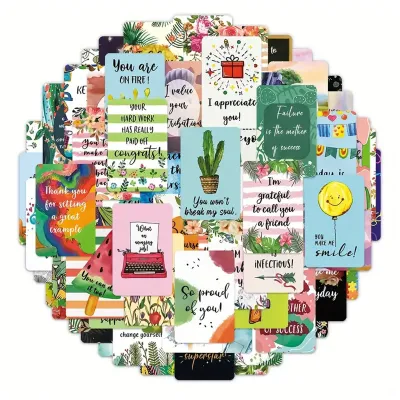
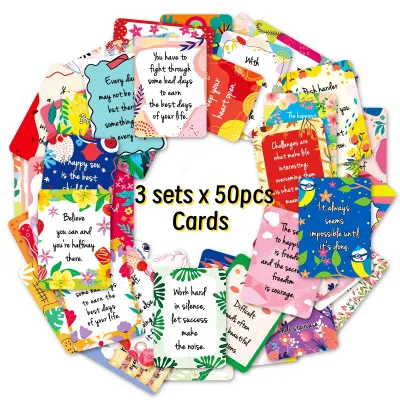
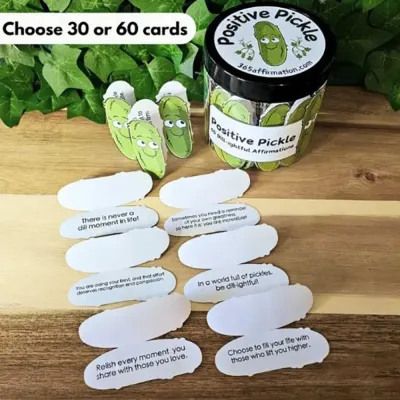
Prices are valid at publication and may change. Please refer to the product page for the latest price.
The finish of the paper is equally important for readability and aesthetic appeal. Matte finishes are highly recommended for daily use because they minimize glare under typical indoor fluorescent lighting or bedside lamps. This makes the text easy to read at any angle and prevents distracting reflections. Glossy finishes, while vibrant and visually striking, tend to show fingerprints and oil stains more easily, which can detract from the clean look of the cards over time.
Card dimensions dictate how you will interact with the deck. Standard playing card sizes (approximately 63.5 x 88.9 mm) are highly portable and fit easily into a handbag or pocket for on-the-go motivation. Larger tarot-sized cards (approximately 70 x 120 mm) offer more space for detailed illustrations and larger typography, making them ideal for stationary display on a desk or altar. Consider where you plan to use the cards most frequently before deciding on the physical size.
Finally, pay close attention to typography and layout. The core purpose of an affirmation card is to deliver a clear, impactful message. High-contrast text, clean sans-serif or elegant serif fonts, and generous white space ensure that the message is immediately legible. Avoid decks with overly busy background patterns or low-contrast text colors, as they can strain the eyes and distract from the mindfulness practice.
How to Match the Deck to Your Personal or Gifting Needs
To get the most value out of an affirmation deck, the content must align with your daily routine or the recipient’s specific mindset. Decks generally fall into two categories: quick-read motivational cards and deep-dive journaling prompts. If you have a busy schedule, a deck featuring short, punchy one-liners is ideal for a quick morning draw before commuting. For those who practice dedicated mindfulness or evening journaling, decks with open-ended questions or reflective prompts offer deeper cognitive engagement.

When selecting a deck as a gift, consider the recipient’s personality and your relationship with them. For colleagues or acquaintances, choose decks with universally relatable themes such as work-life balance, resilience, or general positivity. Ensure the language is inclusive and non-denominational to respect diverse backgrounds. For close friends or family members, you can opt for more intimate themes like self-love, emotional healing, or overcoming specific anxieties.
Age-appropriateness is another critical factor. Decks designed for teenagers and students often focus on academic stress, self-esteem, and navigating social relationships, using vibrant, modern designs. In contrast, decks for adults may explore complex emotional landscapes, professional growth, and mindfulness practices. Checking the tone and vocabulary of the prompts ensures the deck feels supportive rather than patronizing or overly simplistic.
If you want to give a truly unique and personalized gift, consider a hybrid DIY approach. You can purchase high-quality blank cardstock and use fine-liner pens, calligraphy markers, or custom stamps to write personalized affirmations tailored specifically to the recipient’s life journey. This combines the polished, tactile feel of professional stationery with a deeply personal touch that commercial decks cannot replicate, making it an incredibly thoughtful gesture.
Where to Find and Verify Card Brands in Singapore
To ensure you are purchasing a genuine, high-quality product, it is beneficial to inspect the cards physically whenever possible. Visiting local independent bookstores, specialty stationery shops, and lifestyle boutiques in Singapore’s central shopping districts allows you to feel the paper weight, check the print clarity, and evaluate the sturdiness of the packaging firsthand. Physical inspection is the most reliable way to verify that the card edges are clean and the colors are true to life.
When shopping on e-commerce platforms and online marketplaces, extra caution is required to avoid low-quality counterfeits or unauthorized print runs. Prioritize official brand stores or highly rated local distributors who specialize in wellness and stationery products. Be skeptical of listings with generic product titles, unusually low prices, or pixelated product images, as these are common indicators of unauthorized reproductions printed on thin, low-grade paper.
Reading verified buyer reviews can provide crucial insights into the long-term durability of the deck. Look specifically for reviews that mention how the cards hold up under Singapore’s humid climate. High humidity can cause low-quality paper to warp or the ink to become slightly tacky. Reviews that highlight sturdy rigid boxes, linen finishes, or protective storage tins are good indicators of a product designed to withstand local environmental conditions.
Before finalizing an online purchase, always check the seller’s return and exchange policies. Because affirmation decks are typically sold sealed in plastic wrap or sticker-sealed boxes, you cannot inspect the internal cards prior to opening. A reputable seller should offer a clear return policy for manufacturing defects, such as misprinted text, missing cards, or damaged edges, giving you peace of mind when ordering online.
Structuring Your Shortlist: Key Features to Compare
When comparing different affirmation decks, structuring your options based on objective criteria will help you make a practical decision. The price-to-value ratio in S$ should be evaluated by looking at what is included in the package. While some basic decks contain only cards, others come with valuable accessories such as solid wooden display stands, protective velvet pouches, or detailed guidebooks that explain the philosophy behind each prompt.
Visual design styles should match the environment where the cards will be kept. A minimalist deck with clean typography and neutral tones fits perfectly on a modern corporate office desk, offering a professional yet calming presence. On the other hand, decks featuring warm watercolor illustrations, botanical prints, or rich photographic backgrounds are well-suited for a bedside table, personal altar, or cozy reading corner, enhancing the relaxing atmosphere of the space.
Consider the versatility of the deck’s structure. Some decks are designed as a structured, sequential journey (such as a 30-day mindfulness challenge), while others are completely open-ended, allowing you to draw cards at random. Decks that include a few blank cards are highly versatile, as they allow you to write down personal goals or custom affirmations that integrate seamlessly with the rest of the printed set.
To help you finalize your selection, the table below contrasts three common types of affirmation decks available in the market, highlighting their typical features, ideal use cases, and price ranges in S$:
| Deck Type | Card Count | Ideal Use Case | Key Physical Feature | Typical Price Range (S$) |
|---|---|---|---|---|
| Minimalist Desk Deck | 30–40 cards | Office desk display, quick daily focus | Heavy matte cardstock, wooden stand included | S$25 – S$45 |
| Deep Reflection Journaling Deck | 50–60 cards | Evening journaling, self-reflection | Large format, detailed guidebooks | S$35 – S$60 |
| Portable Mindfulness Deck | 40–50 cards | Commuting, travel, quick check-ins | Compact size, protective tin or pouch | S$20 – S$40 |
Frequently Asked Questions (FAQ)
How many cards should a standard affirmation deck contain?
A standard affirmation deck typically contains between 30 and 60 cards. Decks with around 30 cards are excellent for monthly challenges, allowing you to focus on one specific affirmation per day before repeating the cycle. Larger decks with 50 or more cards offer greater variety, reducing repetition fatigue and keeping the daily practice feeling fresh and engaging over several months.
Can I use positive affirmation cards for group or team activities?
Yes, affirmation cards can be highly effective tools for team-building, icebreakers, or workshop reflections in professional and educational settings. When using cards in a group, select a deck with inclusive, non-denominational, and professionally appropriate prompts. It is important to review the card content beforehand to ensure the messages respect diverse backgrounds and maintain comfortable personal boundaries for all participants.
How do I store and maintain my affirmation cards to prevent damage?
To protect your cards from dust, moisture, and bent corners, store them in their original rigid box, a dedicated storage tin, or a fabric pouch when not in use. Given Singapore’s humid climate, keeping a small, food-safe silica gel packet inside the storage box can help absorb excess moisture and prevent the paper from warping. Always handle the cards with clean, dry hands, and avoid placing them in direct sunlight for extended periods to prevent the printed designs from fading.

Community discussion
Share your experience or ask a question. Comments are reviewed before publication.