
When shipping fragile items, relying solely on a brand name is rarely enough to guarantee that your valuables will arrive intact. The best protection comes from understanding the physical specifications of the plastic wrapping film, such as its material composition, thickness, and structural design. Reliable manufacturers distinguish themselves by providing transparent technical data sheets rather than vague marketing claims. To secure delicate items for transit, you must evaluate the film’s structural integrity, choosing between cushioning bubble wraps and securing stretch films based on measurable performance metrics.
Quick Criteria for Choosing Protective Plastic Film
To identify high-quality plastic wrapping film, look past subjective labels like “heavy-duty” or “premium.” Instead, focus on objective, measurable specifications that directly influence protective performance. The first key metric is film thickness, typically measured in microns (for stretch films) or mils (for bubble and foam wraps). Thicker films offer higher puncture resistance and tensile strength, reducing the risk of sharp edges tearing through the protective layer during handling.
Another critical factor is the presence of a barrier layer. Standard, low-cost bubble wraps are often made of single-layer polyethylene, which slowly leaks air under continuous pressure. High-performance brands utilize multi-layer co-extrusion, sandwiching a thin nylon barrier layer between layers of polyethylene. This barrier significantly reduces air permeation, ensuring the bubbles remain fully inflated throughout long transit times and temperature fluctuations.
Products mentioned in this guide
![[Hommly SG Instock] Shrink Wrap | Stretch Film | Cling Wrap | Pallet Furniture Wrap | Plastic Wrap | Plastic Film|Moving](https://img.lazcdn.com/g/p/e09c6c058a9d85d92a83a2dc21a98bbc.jpg_400x400q80.jpg_.webp)
![[SG Stock] Stretch Film | Heavy Duty Shrink Wrap Packaging | Pallet Wrap | Cling Wrap | Furniture Wrap | 2.5/3kg](https://img.lazcdn.com/g/p/7c4636ed40f09d680825c6d01a74b8f8.png_400x400q80.png_.webp)
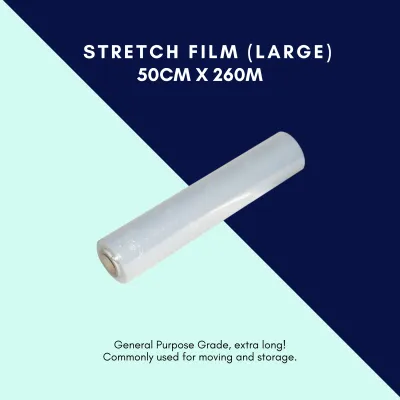
![🏅[CHEAPEST] Stretch Film/ Shrink Wrap / Cling Wrap /Pallet wrapping /Moving Supplies/pallet Wrap/Pallet wrapping](https://img.lazcdn.com/g/p/c69357eb04f4e35ac9ee2d124f108fda.jpg_400x400q80.jpg_.webp)
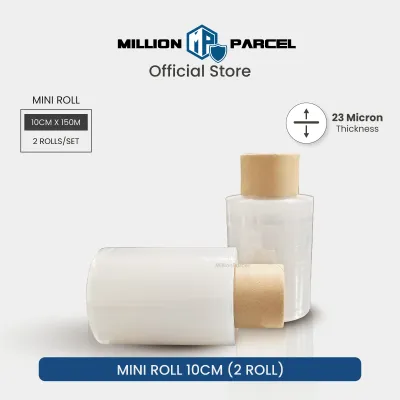
![[SG SELLER] Self Adhesive Clear OPP Transparent Packaging Poly Plastic Bag Retailer Clothes Sealing Wrap Plastic Storage](https://img.lazcdn.com/g/p/22be75670b3840eb6258305648fc2f8f.png_400x400q80.png_.webp)
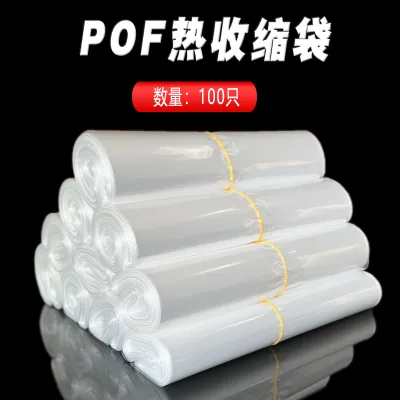
![91m/20m/10m BubbLest™ [FREE PENKNIFE] Bubble Packaging Material Direct Singapore Manufacturer | Clingwrap | Plasticwrap | Cling Wrap | Plastic Wrap | Bubble Roll |](https://img.lazcdn.com/g/p/118908581c7285d2410f3d4422311ca0.png_400x400q80.png_.webp)
Prices are valid at publication and may change. Please refer to the product page for the latest price.
Additionally, verify the physical dimensions and compatibility of the film rolls before purchasing. Check the roll width (commonly ranging from 300 mm to 500 mm) to ensure it fits your specific packaging needs. The inner core diameter (typically 50 mm or 76 mm) must also match your manual or automatic dispensers to prevent operational delays.
Always verify whether the manufacturer provides a comprehensive technical specification sheet. Reliable brands publish data on tensile strength, elongation at break, and impact resistance. If a brand only offers vague marketing descriptions without these technical details, it is difficult to verify its protective capabilities before purchasing.
Film Types: Cushioning vs. Securing
Selecting the right plastic wrapping film requires distinguishing between materials designed for shock absorption and those designed for load stabilization. Using the wrong type of film can lead to packaging failure, even if the material itself is of high quality.

Bubble wrap is the primary choice for shock absorption and void filling. It consists of regularly spaced, air-filled hemispheres that compress under impact, dissipating kinetic energy before it reaches the fragile item. Standard small bubble wrap (typically 10 mm diameter and 4 mm height) is ideal for surface protection and wrapping smaller items. Large bubble wrap (typically 25 mm diameter and 12 mm height) provides substantial cushioning and is best suited for filling empty spaces inside a shipping box or wrapping larger, heavier objects.
Foam wrap, made from Expanded Polyethylene (EPE) or Polyethylene (PE) foam, serves a different protective function. It is highly effective at preventing surface scratches, abrasions, and dust accumulation on delicate finishes, such as polished wood, glass, or metal. While foam wrap offers excellent surface protection, it has less compression depth than bubble wrap, making it less suitable as a standalone cushion for heavy impacts.
Stretch wrap and shrink film are designed for securing and unitizing loads rather than providing direct drop cushioning. Stretch wrap is a highly elastic plastic film wrapped tightly around items or pallets to hold them together and prevent shifting. Shrink film is applied loosely and then heated to shrink tightly around the contours of an object. While both films excel at keeping items immobilized and protecting them from dust and moisture, they do not possess the air-filled structure required to absorb shocks from drops or rough handling.
Within stretch wraps, you will encounter cast and blown films. Cast stretch wrap is highly transparent, unrolls quietly, and offers excellent cling, making it suitable for general warehouse use. Blown stretch wrap is hazier and noisier to unroll, but it provides superior puncture resistance and holding power, making it the preferred choice for securing heavy, sharp-edged, or irregularly shaped loads.
How to Evaluate Brand Quality Without Lab Tests
When purchasing plastic wrapping film in bulk, you can assess the manufacturing quality using simple, observable checks without relying on specialized laboratory equipment. These practical tests help identify whether a brand maintains consistent production standards.
First, request or download the Technical Data Sheet (TDS) from the manufacturer. A reputable brand will clearly state the film’s physical properties, including tensile strength (the force required to pull the film to its breaking point) and puncture resistance. Look for compliance with international standards, such as ASTM test methods, which indicate that the film has undergone standardized quality control.
Upon receiving a roll of film, inspect its physical consistency. Unroll a few meters to check for uniform bubble inflation. In low-quality brands, you may find flat or partially deflated bubbles, which compromise cushioning. Examine the edge seals of the bubbles; they should be clean and robust, with no signs of delamination or air leakage when gentle pressure is applied.
The roll itself should be flat and evenly wound. Uneven winding, telescoping rolls, or visible wrinkles within the roll often indicate poor tension control during manufacturing, which can lead to uneven stretching and weak spots when the film is applied.
For stretch films, perform a manual stretch and cling test. High-quality stretch wrap should easily stretch to its rated capacity (often 150% to 300%) without snapping prematurely. It should also exhibit strong self-cling properties, adhering firmly to itself when wrapped but leaving no sticky residue on the product surface.
Additionally, check if the brand offers a structured product line categorized by protection levels, such as light, medium, or heavy cushioning. Brands that provide specialized options for different weight classes generally demonstrate a deeper understanding of packaging engineering than those offering a single, generic “one-size-fits-all” film.
Matching Film Specs to Item Weight and Fragility
To optimize protection, you must match the physical specifications of the plastic film to the weight, shape, and fragility of the item being shipped. Using an incorrect specification can result in either under-protection or unnecessary material waste.
For lightweight, highly fragile items like porcelain figurines, glassware, or delicate electronics, small bubble wrap is the most effective choice. The high density of small bubbles distributes the point loads evenly across the item’s surface, preventing localized pressure from causing cracks. The smaller profile also allows the film to conform closely to intricate shapes without leaving unprotected gaps.
For heavier, bulkier items such as small appliances, heavy ceramic pots, or metal components, large bubble wrap is necessary. Heavy items exert greater force upon impact, which can easily bottom out small bubbles, leaving the item unprotected against the hard outer box. Large bubbles contain a greater volume of air, providing the necessary depth to decelerate heavier masses and dissipate high-impact energy.
Calculating the number of wrapping layers is a critical step in packaging design. As a general guideline, lightweight items (under 1 kg) typically require at least two layers of small bubble wrap. Medium-weight items (1 kg to 5 kg) benefit from three to four layers of small bubble wrap or two layers of large bubble wrap. Heavy items (over 5 kg) should be wrapped in multiple layers of large bubble wrap, combined with corner protectors to prevent the item’s weight from puncturing the film.
Consider the item’s center of gravity and any protruding parts. Sharp corners or delicate handles require extra layers of foam or bubble wrap to prevent them from piercing the outer packaging or breaking off during transit.
Packing Techniques to Maximize Film Performance
Even the highest-quality plastic wrapping film will fail to protect an item if applied incorrectly. Proper packing techniques ensure that the film’s physical properties are fully utilized to safeguard your shipment.
Always wrap items with the bubble side facing inward, directly touching the object. This orientation ensures that the flat backing film faces outward, creating a smooth, continuous barrier that resists external punctures and tears. Placing the bubbles inward also allows them to conform tightly to the item’s contours, providing direct, localized cushioning and preventing the item from slipping within the wrap.
Secure all edges, seams, and overlapping layers with a compatible packaging tape. Ensure the tape adheres firmly to the flat backing of the film without compressing or popping the bubbles. Loose ends can catch on other packages during transit, causing the wrapping to unravel and exposing the fragile item to damage.
Once the item is wrapped, it must be properly positioned within the outer shipping box. Do not allow the wrapped item to touch the inner walls of the box directly. Fill all remaining empty spaces with appropriate void fill, such as packing peanuts, crumpled paper, or air pillows. This step eliminates internal movement, preventing the item from shifting and gaining momentum during handling, which is a primary cause of transit damage.
For extremely valuable or highly fragile items, consider the “box-in-box” method. Wrap the item securely and place it in a small inner box. Then, wrap the inner box in several layers of plastic film or bubble wrap before placing it inside a larger outer shipping box filled with void fill. This double-barrier system provides an extra layer of deceleration during severe impacts.
In warm and humid climates, such as Singapore, store your plastic wrapping films in a cool, dry place away from direct sunlight. High temperatures and UV exposure can degrade polyethylene over time, reducing its elasticity and causing the adhesive on stretch wraps to lose its cling properties.
Frequently Asked Questions (FAQ)
Can I reuse plastic wrapping film for shipping fragile items?
Reusing plastic wrapping film is acceptable only if the material is thoroughly inspected and meets strict quality criteria. Before reusing bubble wrap, check for popped bubbles, loss of air pressure, and tears along the seams. If a significant portion of the bubbles are deflated, the film will no longer provide adequate shock absorption and should not be used for fragile items. Reused film that has lost its structural integrity can still be utilized as light void fill or as a secondary outer layer for non-fragile goods, but critical shipments should always use fresh, fully inflated film.
Does the color of the bubble wrap indicate its strength?
No, the color of bubble wrap does not indicate its physical strength or cushioning capacity. Standard bubble wrap is transparent, while colored variations are typically used for specific functional properties or identification. For example, pink bubble wrap indicates that the film has been treated with an anti-static additive, making it safe for wrapping sensitive electronic components that could be damaged by electrostatic discharge. Other colors, such as green, may indicate that the film contains recycled content. Always refer to the manufacturer’s technical data sheet for actual strength metrics rather than relying on the color of the plastic.
Community discussion
Share your experience or ask a question. Comments are reviewed before publication.