
Selecting the perfect Singapore souvenir often means balancing traditional charm with modern utility. Near-field communication (NFC) fridge magnets offer an innovative solution by embedding a small, passive wireless chip inside a physical keepsake. When a recipient taps their smartphone against the magnet, it triggers a digital action—such as opening a curated travel itinerary, launching a photo gallery of your trip, or playing a personalized greeting. This blend of physical craftsmanship and digital interactivity transforms a simple refrigerator ornament into a dynamic storytelling tool. To find the best options, you must evaluate both the physical durability of the magnet and the technical specifications of the embedded chip, ensuring the souvenir remains functional and beautiful for years to come.
This digital integration opens up a wide array of personalized possibilities. A traveler can link the magnet to a shared digital photo album of their adventures in Marina Bay, a curated playlist of local music, an interactive map of their favorite hawker centers in Chinatown, or even a custom video message wishing the recipient well. The true appeal of these items lies in this dual nature: they serve as an attractive physical ornament on the refrigerator while acting as a portal to a rich, dynamic digital experience. To choose the best NFC fridge magnet, you must look beyond the surface design and evaluate the technical reliability, material durability, and overall compatibility of the embedded technology.
Key Criteria for Selecting High-Quality NFC Magnets
Evaluating a tech-enabled souvenir requires a balance of physical and electronic inspection. The first physical element to consider is the magnet itself. A high-quality souvenir should feature a strong magnetic backing, such as a neodymium disc or a thick, fully covered rubber magnetic sheet. This ensures the magnet remains securely attached to the refrigerator door without sliding down under its own weight or when holding up a postcard. Equally important is the backing material; look for magnets that feature a soft protective layer, such as vinyl, rubber, or felt. This layer prevents the magnet from scratching or scuffing the delicate stainless steel or painted finishes of modern household appliances.
Products mentioned in this guide
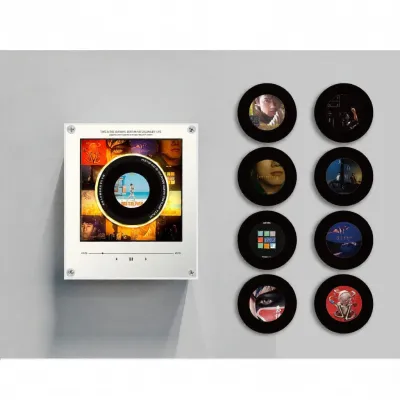
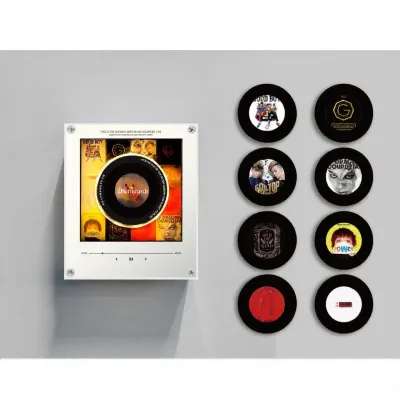
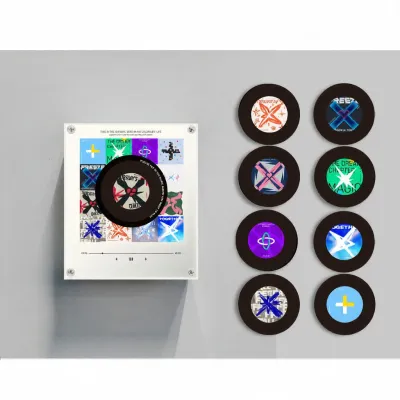
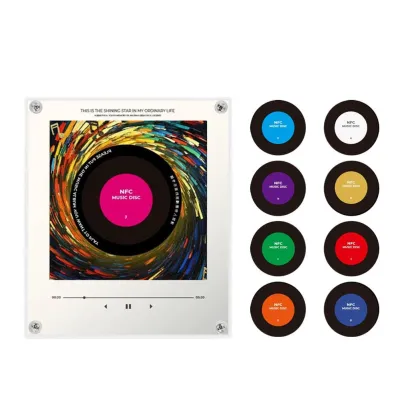
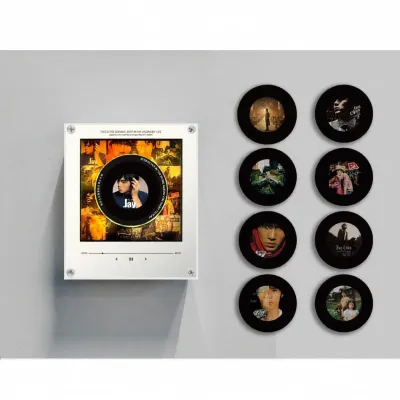
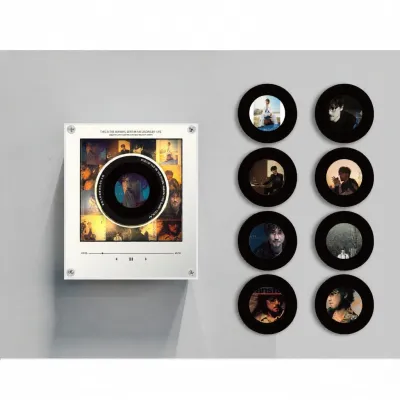
Prices are valid at publication and may change. Please refer to the product page for the latest price.
The durability of the outer casing is another critical factor, especially given Singapore’s tropical climate. High humidity levels can easily penetrate poorly sealed souvenirs, leading to moisture buildup that can degrade the internal chip or cause paper and wood elements to warp and mold. To protect the internal components, prioritize magnets with fully sealed casings made from water-resistant materials like high-grade acrylic, epoxy resin, or treated hardwoods. A seamless seal not only keeps moisture out but also protects the delicate copper antenna and silicon chip from physical impact if the magnet is accidentally dropped.
On the technical side, you must evaluate the specifications of the embedded NFC chip. Most consumer-grade smart magnets utilize chips from the NTAG family, such as the NTAG213, NTAG215, or NTAG216. These chips operate on the standard 13.56 MHz frequency and are highly compatible with modern smartphones. When choosing a magnet, check the memory capacity of the chip; an NTAG213 chip offers 144 bytes of usable memory, which is more than enough to store a standard website URL or a short text string. If you plan to store more complex data or use advanced programming, look for chips with larger memory capacities, such as the NTAG215 (504 bytes) or NTAG216 (888 bytes).
Additionally, pay close attention to whether the chip is configured as read-only or rewritable. Rewritable chips offer maximum flexibility, allowing you or the recipient to update the linked digital content whenever you choose. Conversely, write-protected or read-only chips are locked by the manufacturer, ensuring that the pre-programmed digital experience remains permanent and cannot be accidentally overwritten. The expected read range is also a vital specification; a well-designed magnet should allow a smartphone to detect the chip from a distance of one to five centimeters, ensuring a smooth and responsive user experience without requiring precise alignment.
Evaluating Singapore-Themed Designs and Craftsmanship
A great souvenir must be visually compelling, serving as an artistic representation of Singapore’s unique identity. Look for designs that feature high-resolution prints or intricately crafted motifs of iconic landmarks, such as the futuristic Supertrees of Gardens by the Bay, the historic shophouses of Katong, or the majestic Merlion. Cultural heritage elements, such as Peranakan tile patterns, traditional batik motifs, or illustrations of local culinary delights like laksa and durian, add a layer of authentic storytelling to the gift. The design should feel intentional and artistic, rather than a generic image hastily printed onto a plastic backing.

The choice of material significantly influences both the aesthetic appeal and the longevity of the design. Acrylic magnets offer a sleek, modern look with vibrant color reproduction and excellent scratch resistance. Wood magnets, particularly those made from sustainably sourced bamboo or laser-engraved birch, provide a warm, tactile, and eco-friendly alternative that ages beautifully. For a more premium feel, molded enamel or die-cast metal magnets offer classic weight and durability, though they require specific design considerations to ensure the metal does not interfere with the wireless signal.
Indeed, the relationship between the physical materials and the NFC technology is a crucial design consideration. Metal is highly conductive and can act as an electromagnetic shield, absorbing or distorting the radio frequency signals emitted by the smartphone and the NFC chip. If you are drawn to a metal or metallic-finished magnet, verify that the design includes a non-metallic spacer, a plastic backing, or a dedicated “tap zone” made of resin or acrylic where the chip is housed. Avoid magnets that use heavy metallic paints or thick gold foil overlays directly on top of the chip area, as these decorative elements can severely degrade the read range or render the chip completely unreadable.
How to Verify NFC Functionality and Compatibility
Before purchasing multiple magnets to give as gifts, or immediately after receiving your order, it is essential to test the technology to ensure a seamless experience for your recipients. To begin testing, you must locate the NFC reading zone on your smartphone. On Apple iPhones, the NFC antenna is located at the very top edge of the device, near the front-facing camera. On Android devices, the antenna is typically positioned in the center of the back cover, though its exact location can vary depending on the manufacturer and model. Slowly bring the designated area of your phone close to the magnet, holding it steady for a second or two rather than waving it quickly, to allow the electromagnetic field to power the chip.
Understanding compatibility limitations will help you manage expectations and troubleshoot issues for your gift recipients. Most modern smartphones running iOS 13 or later, and Android 5.0 or later, feature native background NFC reading. This means the user does not need to open a specific app to scan the magnet; they simply need to unlock their phone screen and tap the device against the magnet to trigger the digital action. However, older smartphone models may lack NFC hardware entirely, or they may require the user to manually enable NFC in their system settings or download a dedicated reader application from their device’s app store.
If a magnet fails to respond during your test, follow a systematic troubleshooting process to identify the cause. First, ensure that the smartphone is unlocked and that any thick, heavy-duty, or metal-lined phone cases are removed, as these can block the signal. Next, verify that the phone’s NFC setting is turned on in the wireless connection menu. If the chip reads but triggers an unexpected prompt or redirects to a broken link, you can use a free mobile application, such as NFC Tools, to inspect the data payload. This software allows you to read the exact URL written to the chip, check for typos or formatting errors (such as a missing “https://” prefix), and rewrite the link if the chip is unlocked.
Where to Source and Purchase Authentic Tech Souvenirs
Finding high-quality NFC-enabled souvenirs in Singapore requires knowing where to look, as these specialized items are less common than standard tourist trinkets. Official gift shops at major cultural institutions and attractions, such as the National Museum of Singapore, the National Gallery, or the visitor centers at Gardens by the Bay, are excellent starting points. These venues often collaborate with local designers and tech startups to produce curated, premium souvenirs that meet strict quality control standards. Purchasing from these official channels ensures that you are getting an authentic, functional product while supporting local cultural preservation efforts.
For a wider variety of artistic and customizable options, explore local artisan markets, boutique design stores in neighborhoods like Kampong Glam or Tiong Bahru, and specialized online marketplaces. Many local independent creators list their handmade or small-batch tech souvenirs on regional ecommerce platforms. When shopping online, it is crucial to read customer reviews carefully, paying close attention to feedback regarding the reliability of the digital components. Look for listings that provide detailed technical specifications, including the specific chip model and memory capacity, rather than those that rely on vague marketing terms like “smart digital magnet” without explaining the underlying technology.
Before finalizing your purchase, especially when buying in bulk for corporate gifts or wedding favors, contact the seller or manufacturer to clarify their return and exchange policies. Because passive NFC chips are electronic components, there is always a small margin for manufacturing defects or damage incurred during transit. A reputable seller should offer a clear guarantee or replacement policy for any non-functional chips. Additionally, if you require customized digital content pre-loaded onto the magnets, verify whether the seller offers encoding services or if they provide clear instructions on how you can program the chips yourself using free mobile applications.
Frequently Asked Questions (FAQ)
Can I change the digital link on an NFC fridge magnet after gifting it?
Whether you can update the digital link depends entirely on the configuration of the embedded NFC chip. If the manufacturer left the chip unlocked (rewritable), you can easily change the destination URL at any time using a free smartphone app like NFC Tools. This allows you to update the linked photo album or message even after the recipient has placed the magnet on their fridge. However, if the manufacturer locked the chip during production to prevent tampering, the link is permanent and cannot be altered. Always check the product specifications or ask the seller if the chip is rewritable before purchasing.
Do NFC fridge magnets require a battery or charging?
No, NFC fridge magnets do not require batteries, charging cables, or any external power source to function. They utilize passive NFC technology, meaning the embedded chip remains completely dormant until it comes into close proximity with an active NFC reader, such as a smartphone. When you tap your phone against the magnet, the phone’s antenna emits a tiny electromagnetic field that temporarily powers the chip, allowing it to transmit its stored data back to the phone. Because there are no internal batteries to degrade, the digital functionality of the magnet can last indefinitely under normal conditions.
Will the magnet damage my refrigerator or other metal surfaces?
The integrated NFC chip itself poses absolutely no risk of damage to your refrigerator or other household appliances, as it does not emit any harmful radiation or magnetic fields. However, the physical magnet backing can cause surface scratches if it is dragged across painted or stainless steel surfaces. To prevent cosmetic damage, choose magnets that feature a soft protective backing, such as a layer of vinyl, rubber, or felt. When moving or repositioning the magnet, always lift it cleanly off the surface rather than sliding it, which can trap abrasive dust particles and scratch the appliance’s finish.

Community discussion
Share your experience or ask a question. Comments are reviewed before publication.