
Preparing your child for their first year of primary school in Singapore is an exciting milestone, but it also comes with a mountain of preparation, including labeling dozens of individual school supplies. From textbooks and exercise books to water bottles, lunchboxes, uniforms, and tiny stationery items like pencils and erasers, keeping track of your child’s belongings is a major challenge. Selecting the right name sticker depends on matching the sticker material and adhesive to the specific surface and wear conditions of each school item, ensuring belongings are easily identifiable and compliant with school expectations. By understanding the unique demands of the school environment—such as high humidity, daily washing, and frequent handling—you can choose labels that remain intact and legible throughout the academic year.
Understanding Primary School Labeling Needs
Primary school students handle a wide variety of items daily, each made from different materials that require specific labeling approaches. To choose the right stickers, it is helpful to categorize your child’s belongings by their surface characteristics. Porous surfaces, such as paper textbooks, cardboard folders, and drawing blocks, absorb adhesives differently than non-porous surfaces like plastic water bottles, metal cutlery, and glass food containers. Standard paper stickers adhere well to paper surfaces but will quickly disintegrate or peel when applied to plastic or metal items that undergo regular washing or exposure to moisture.
Wear and tear levels also dictate the type of label required. High-wear and high-moisture items, including water bottles, snack boxes, and school shoes, are subjected to friction, sweat, and daily cleaning. These items require heavy-duty, water-resistant labels that can withstand soapy water and physical abrasion without losing their grip or fading. Conversely, low-wear items like files, assessment books, and pencil cases experience less friction and do not come into contact with water, making them suitable for standard paper or matte labels.
Products mentioned in this guide
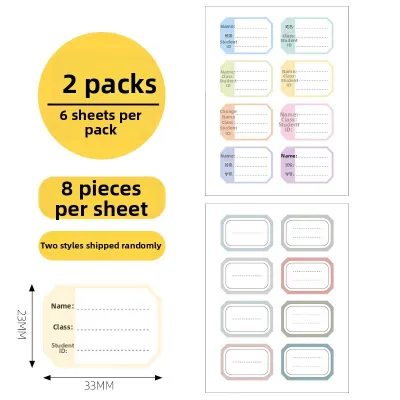
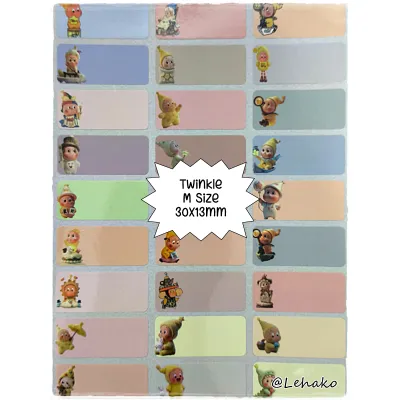
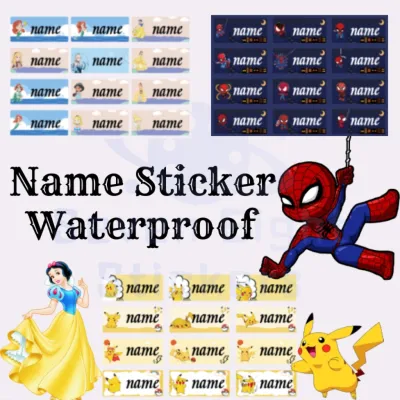
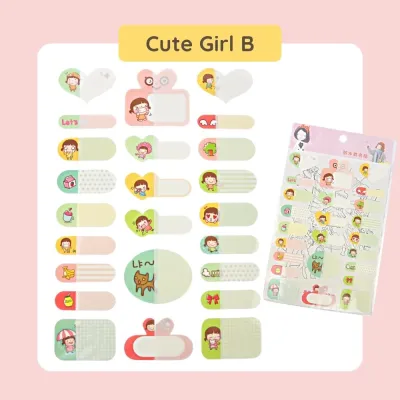
![[SG Stock] Iron on Clothing labels Daycare labels Kids name stickers Name labels](https://img.lazcdn.com/g/ff/kf/S0c6bc16b579647c99d8ee477aaf77ddf8.jpg_400x400q80.jpg_.webp)
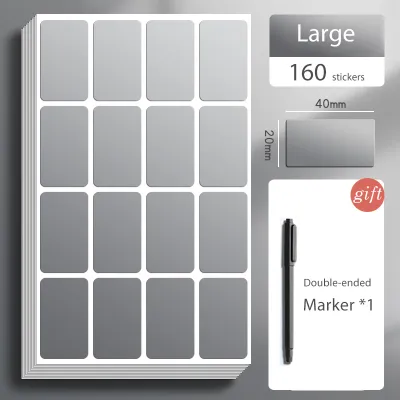
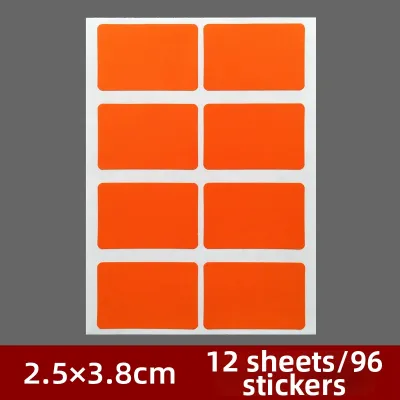
Prices are valid at publication and may change. Please refer to the product page for the latest price.
Furthermore, Singapore primary schools have specific expectations regarding student organization and ownership. Teachers often request that all personal items, including individual color pencils, rulers, and glue sticks, be clearly labeled to prevent disputes and minimize lost property in shared classroom spaces. Uniforms, physical education attire, school bags, and hats also require clear, visible identification. Meeting these expectations not only helps your child identify their own items in a busy classroom but also assists teachers in returning misplaced belongings quickly.
Types of Name Stickers for School Supplies
When browsing online marketplaces or specialty stationery shops, you will encounter three primary categories of name stickers: vinyl, paper, and fabric-based labels. Each material is engineered for specific applications, and using the wrong type can lead to peeling, smudged ink, or damaged surfaces. Vinyl stickers are highly durable and water-resistant, making them the standard choice for hard, washable items. Paper stickers are cost-effective and easy to write on, making them ideal for books and stationery. Fabric labels are designed to bond with textiles, offering a flexible solution for clothing and bags. Because a primary school supply list contains a diverse mix of materials, a single sticker type is rarely sufficient to cover all your child’s labeling needs.

Waterproof and Vinyl Stickers for Hard Items
For items that are regularly washed or exposed to condensation, waterproof vinyl stickers are the most reliable option. When selecting vinyl labels for water bottles, food containers, and cutlery, always check the manufacturer’s specifications regarding water resistance and dishwasher safety. While most vinyl stickers can handle hand washing, some high-temperature dishwashers or sterilizers can weaken the adhesive over time. Ensuring the sticker is rated for thermal exposure is crucial if you plan to sanitize these items regularly.
Adhesive strength and flexibility are equally important when labeling curved or uneven surfaces. Standard flat stickers may lift at the edges when applied to cylindrical water bottles or thin, round pencils. Look for vinyl stickers that feature high-tack, flexible adhesives designed to wrap securely around tight curves without popping open. The material should be thin enough to conform to the shape of the item while remaining tough enough to resist scratches and daily handling.
Size variety is another key factor to verify before purchasing. A standard primary school stationery set includes items of various dimensions, from large lunchboxes to incredibly small items like erasers, sharpeners, and individual color pencils. Many custom sticker packages offer multi-size sheets that include ultra-thin pencil labels alongside medium and large name tags. Verifying these dimensions ensures you have the right fit for every item without needing to manually trim larger stickers, which can compromise their adhesive borders and lead to premature peeling.
Paper and Matte Stickers for Books and Notebooks
Books, exercise books, and files have porous paper or laminated cardboard covers that do not require waterproof vinyl. For these items, paper and matte stickers are highly suitable. When choosing paper labels, look for smudge-resistant or laser-printed options. Children often handle their textbooks with damp hands after recess or physical education class, and standard inkjet-printed labels can easily bleed or smudge, rendering the name illegible. Matte-finished paper labels are particularly useful because they allow you to write additional details, such as the class name or subject, using a standard ballpoint pen or permanent marker without the ink smearing.
To extend the lifespan of paper labels on high-friction items like frequently used textbooks, consider using clear or transparent protective overlays. These are clear plastic self-adhesive covers that you place directly over the paper name sticker. The overlay acts as a shield against friction, sweat, and minor spills, preventing the edges of the paper sticker from fraying or peeling back during the school term.
Additionally, assess the manufacturer’s claims regarding removability and adhesive residue. Many parents prefer to pass down textbooks to younger siblings or donate them to school book donation drives at the end of the academic year. If you plan to reuse or donate the books, look for labels with semi-permanent or removable adhesives that can be peeled off cleanly without tearing the underlying book cover or leaving a sticky, dirt-attracting residue.
Fabric Labels and Alternatives for Uniforms and Shoes
Labeling school uniforms, physical education kits, socks, and school bags requires specialized solutions that can withstand the washing machine and constant movement. Fabric labels generally fall into three categories: iron-on, sew-in, and stick-on fabric labels. Iron-on labels use a heat-activated adhesive that fuses with the fabric fibers, providing excellent wash durability with moderate application effort. Sew-in labels offer a traditional, permanent solution that is completely chemical-free but requires basic sewing skills. Stick-on fabric labels are the quickest to apply, adhering directly to the care tags of garments, though they may have a shorter lifespan under heavy washing compared to iron-on or sew-in alternatives.
When choosing fabric labels, safety and comfort are paramount. Check product descriptions for skin-safe adhesives and non-toxic, certified materials, especially for labels that will be placed on the inside collar of shirts or the waistband of shorts where they have direct, prolonged contact with your child’s skin. Rough or stiff label edges can cause irritation and scratching, so look for soft, woven, or flexible satin-finish labels that remain pliable even after multiple washes.
Footwear presents a unique labeling challenge due to high friction, moisture from sweat, and constant movement. Standard stickers applied to the inside sole of a shoe will quickly wear away or peel off. To label school shoes effectively, explore shoe-specific labels that come with durable, clear protective overlays. These overlays are designed to cover the name sticker completely, protecting the printed text from the abrasive friction of the child’s heel and preventing moisture from breaking down the adhesive.
Essential Features to Check Before Purchasing
Before placing an order for custom name stickers, it is essential to run through a verification checklist to ensure the products are safe, legible, and practical for daily school use. First, prioritize material safety. Since primary school children frequently handle their stationery and may occasionally put pencils or labeled items near their mouths, verify that the stickers are free from harmful chemicals like phthalates, lead, and BPA. Look for manufacturers that explicitly state their products use non-toxic inks and child-safe adhesives.
Legibility and design are critical for helping your child identify their belongings quickly, especially for younger students in Primary 1 who may still be developing their reading skills. Choose high-contrast color schemes, such as dark text on a light background, and clear, sans-serif fonts that are easy to read from a distance. Many custom sticker services allow you to add a small, recognizable icon—such as an animal, vehicle, or simple shape—alongside the name. This visual cue helps early readers identify their items instantly even if they cannot yet read their full name. Additionally, ensure the customization options allow you to include essential details like a class name or a parent’s contact number on larger labels.
Adhesive quality should be carefully evaluated by reviewing product descriptions and user feedback on online platforms. Look for labels that specify temperature tolerance, particularly if the items will be exposed to the hot sun during outdoor activities or placed in warm school bags. High-quality adhesives should remain stable under heat and resist turning into a gooey residue when peeled off.
Finally, consider the ordering logistics. The weeks leading up to the start of the school year are peak periods for stationery suppliers, which can lead to longer turnaround times. Confirm the estimated production and shipping times to ensure the stickers arrive well before school starts. Check the minimum order quantities and batch options; purchasing a mixed-size pack that covers various materials is often more economical and practical than buying large quantities of a single sticker size.
Best Practices for Applying and Maintaining Name Stickers
Even the highest-quality name sticker will fail if it is not applied correctly. To ensure your child’s labels last throughout the school year, proper surface preparation is essential. Before applying any sticker, thoroughly clean the surface of the item to remove dust, oil, fingerprints, and manufacturing residues. Wash plastic and metal items with dish soap and water, then dry them completely. For an optimal bond, wipe the application area with a small amount of rubbing alcohol and let it air dry. Avoid touching the adhesive side of the sticker with your fingers, as natural skin oils can weaken the glue.
Once the sticker is positioned, apply firm, even pressure across the entire surface, starting from the center and smoothing outward to the edges. This helps eliminate air bubbles and ensures complete contact between the adhesive and the item. Pay extra attention to the corners and edges, pressing them down firmly. After application, respect the required curing time. Most pressure-sensitive adhesives require at least 24 to 48 hours to cure and reach their maximum bond strength. Do not wash, wet, or heavily handle the labeled items during this waiting period, as premature exposure to moisture can permanently compromise the adhesive bond.
To maintain the labels over time, follow gentle care guidelines. When washing labeled water bottles and lunchboxes, avoid using abrasive scrubbing pads or harsh chemical cleaners directly over the sticker. Hand washing with a soft sponge is highly recommended to prevent physical wear on the printed design. If you notice a sticker beginning to peel at the corners, do not attempt to glue it back down with household adhesives, which may contain solvents that damage the item or pose safety risks to children. Instead, replace the damaged sticker promptly. If stickers consistently fail to adhere to a specific material despite proper preparation, stop and consult the manufacturer to verify if the material has a low-surface-energy coating that requires a specialized adhesive.
Frequently Asked Questions (FAQ)
Can I use regular paper stickers for my child's water bottle?
Using regular paper stickers on water bottles is not recommended. Standard paper labels lack water resistance, meaning exposure to condensation, spills, and daily washing will quickly degrade the paper fibers and dissolve the adhesive. This leads to the sticker peeling off, tearing, or turning into a messy residue. Furthermore, standard inks used on paper stickers are prone to bleeding when wet, which will quickly make your child’s name unreadable. To verify if a sticker is suitable for drinkware, check the product specifications for waterproof vinyl materials and water-resistant inks before application.
How do I remove old name stickers without damaging school books?
Removing old name stickers from paper book covers requires a gentle, patient approach to avoid tearing the page. Start by using a flat, blunt tool like a plastic card or your fingernail to gently lift one corner of the sticker. Slowly peel the sticker back at a sharp angle, keeping it close to the surface to minimize tension on the paper. If the sticker is stubborn, avoid using harsh chemical solvents or excessive heat from a hair dryer, as these can warp plastic book covers or dissolve bookbinding glues. Instead, apply a tiny drop of a mild, paper-safe adhesive remover or baby oil to a cotton swab, dab it lightly along the lifting edge of the sticker to break down the adhesive, and peel it away gently. Wipe away any remaining residue with a dry, clean microfiber cloth.
Are custom name stamps a viable alternative to stickers for primary supplies?
Custom name stamps are a highly efficient and cost-effective alternative for specific school supplies, but they cannot completely replace stickers. Stamps are excellent for paper goods, exercise books, and fabric items like uniform tags or socks, where the ink can absorb directly into the fibers and dry quickly. However, stamps have significant limitations on dark-colored materials, glossy book covers, and non-porous surfaces like plastic water bottles or metal cutlery. On these surfaces, the ink is likely to smudge, rub off, or fail to show up clearly. For a comprehensive school preparation strategy, a combination of custom stamps for textiles and paper, alongside durable vinyl stickers for hard items, offers the most practical solution.
Community discussion
Share your experience or ask a question. Comments are reviewed before publication.