
Selecting the perfect metallic yarn in Singapore requires balancing eye-catching sparkle with physical comfort and ease of crafting. Because metallic fibers are inherently stiffer and less elastic than natural wool or cotton, finding a yarn that drapes beautifully without irritating the skin is a common challenge. By understanding how different fiber blends, yarn structures, and sourcing methods interact, you can confidently choose a material that elevates your next knitting or crochet project.
In Singapore’s warm, humid climate, the choice of metallic yarn also depends heavily on how the finished item will be worn or used. Lightweight blends that incorporate breathable fibers are highly favored for local wear, while stiffer, highly reflective metallic threads are excellent for structured home decor or festive accessories. Taking the time to evaluate these materials before purchasing ensures your handmade creations are both stunning and practical.
How to Evaluate Sparkle, Softness, and Usability
When assessing metallic yarn, the fiber blend listed on the manufacturer’s label is your most reliable guide to predicting how the finished fabric will feel and drape. Pure metallic threads, often made from thin polyester film coated with vaporized aluminum, are highly reflective but tend to be stiff and scratchy. To improve softness, manufacturers frequently blend these metallic strands with base fibers such as nylon, cotton, bamboo, or merino wool. Nylon and silk blends offer excellent drape and a smooth hand, making them ideal for lightweight garments, while cotton and bamboo blends provide the breathability and structure needed for Singapore’s tropical weather.
Products mentioned in this guide
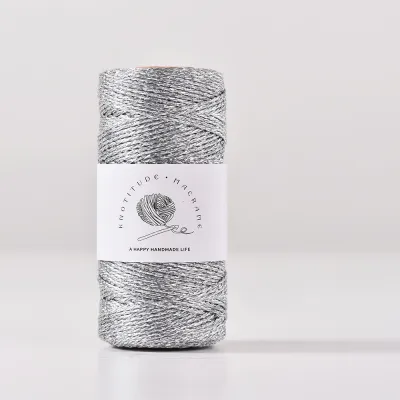
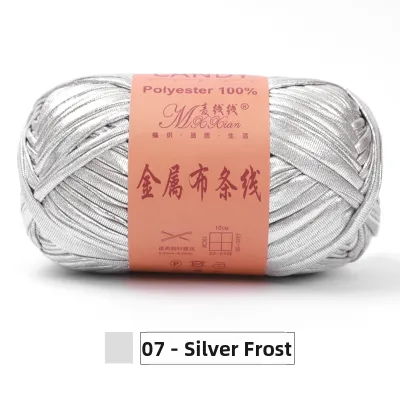
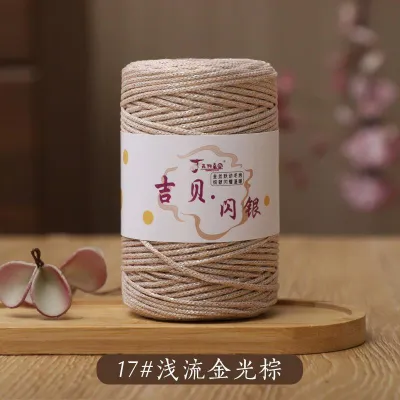
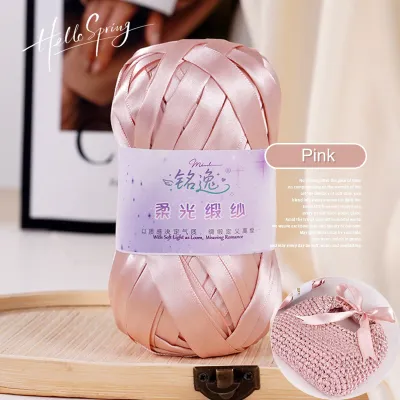
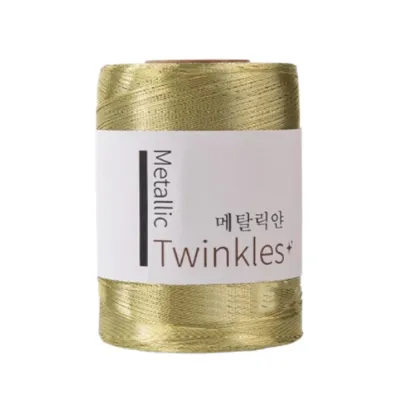
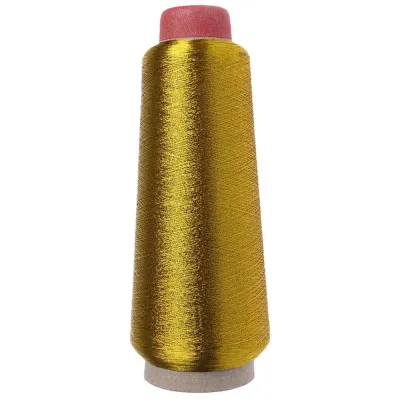
Prices are valid at publication and may change. Please refer to the product page for the latest price.
The physical structure of the yarn also plays a critical role in its usability and stitch definition. Metallic yarns generally fall into three structural categories: plied, chainette, or carry-along threads. Plied metallic yarns feature a metallic strand twisted alongside one or more strands of traditional fiber, which can sometimes result in splitting if your needle splits the plies. Chainette yarns feature a hollow, braided tube construction that naturally embeds the metallic shimmer within the fiber walls, offering superior elasticity and reducing the risk of snagging. Carry-along threads are ultra-thin metallic filaments designed to be held together with a separate, standard yarn, allowing you to add a subtle shimmer to any fiber of your choice.
Before committing to a purchase, perform a few simple tactile and visual checks to verify the quality of the yarn. Gently rub a sample of the yarn against the sensitive skin on the inside of your wrist to check for scratchiness or irritation. Inspect the skein closely under bright light to ensure the metallic foil is wrapped tightly around its core fiber; loose wrapping can lead to shedding, where tiny flecks of glitter break away during crafting or washing. Finally, pull a short length of the yarn between your hands to test its tensile strength and elasticity, as brittle metallic threads are prone to snapping under high tension.
Where to Source Metallic Yarn in Singapore
Visiting local brick-and-mortar craft and yarn shops in Singapore is the most effective way to evaluate metallic yarn before buying. Physical stores allow you to feel the texture of the fibers firsthand and verify color accuracy under natural lighting, which is crucial since metallic shades can shift dramatically between warm gold, cool silver, and bronze depending on the light source. Many independent yarn shops in central shopping districts or neighborhood hubs carry curated selections of imported metallic blends, and store staff can often provide valuable advice on how specific yarns behave when worked up.

For a broader selection of specialty or niche metallic yarns, exploring online craft marketplaces and dedicated digital yarn retailers is an excellent alternative. Online shopping opens up access to international brands, unique hand-dyed metallic blends, and a wider range of yarn weights. When browsing digital storefronts, look for listings that provide comprehensive fiber specifications, high-resolution close-up photos of the yarn plies, and detailed customer reviews that mention how the yarn handles during knitting or crochet.
When ordering metallic yarn online, pay close attention to shipping policies, delivery timelines to Singapore, and return conditions. Because metallic yarns are often produced in smaller batches, it is essential to purchase enough skeins from the same dye lot to complete your project, as subtle color variations between batches can create visible lines in your finished fabric. Verify that the online retailer guarantees matching dye lots for single orders, and check their return policy in case the physical texture of the yarn does not match your expectations upon arrival.
Crafting Techniques to Manage Friction and Drape
Working with metallic yarn can present unique challenges, as the metallic foil wrapping increases surface friction and reduces the yarn’s natural glide. To minimize snagging and hand fatigue, select your knitting needles or crochet hooks carefully based on the yarn’s texture. Smooth wooden or bamboo tools provide a slight grip that helps control slippery, high-sheen metallic blends, while highly polished metal tools are ideal for stiffer, stickier metallic threads that need to slide effortlessly. Adjusting your crafting style to maintain a slightly looser tension than usual will also prevent the metallic wrap from binding up or snapping over your tools.
If you find a metallic yarn that has the perfect level of sparkle but feels too scratchy or thin for your project, utilize the “held double” technique. By holding the metallic yarn together with a companion strand of soft, high-quality utility yarn—such as a lace-weight merino wool, a smooth bamboo, or a fine cotton—you can embed the glitter within a soft, comfortable fabric matrix. This technique not only cushions the metallic fibers against your skin but also adds structural integrity, warmth, and drape to lightweight or delicate metallic threads.
Proper care and washing are essential to preserving the luster and longevity of metallic handmade items. Metallic elements are highly sensitive to heat and friction, which can cause the polyester film to melt, warp, or tarnish. Always refer to the care instructions on the yarn label, but as a general rule, hand wash your finished items in cool water using a mild, pH-neutral detergent. When blocking your finished piece, avoid applying a hot iron directly to the fabric; instead, use a cool steam setting and keep the steamer several inches away from the surface to prevent damaging the metallic fibers.
Final Verification Checklist Before You Buy
To ensure your crafting project is a success, compile a practical checklist before finalizing your metallic yarn purchase. First, calculate the total yardage required for your pattern and purchase an extra skein as a safety margin, especially since metallic skeins often contain less yardage than standard acrylic or wool skeins. Double-check that every skein shares the exact same dye lot number printed on the label to prevent distracting color blocks in your finished work.
Next, review the manufacturer’s care symbols on the yarn band to ensure they align with the intended use of the finished item. If you are making a garment that will require frequent laundering, avoid yarns that specify dry cleaning or delicate hand washing only. For home decor items like table runners or coasters, ensure the metallic fibers can withstand light spot cleaning and gentle handling without losing their shape or shine.
Finally, consider purchasing a single test skein before investing in a large quantity for a major project. Use this skein to knit or crochet a small swatch measuring at least 10 by 10 centimeters, allowing you to evaluate the stitch definition, drape, and skin comfort of the fabric. Wash and block the swatch according to the label instructions to observe how the metallic fibers behave after laundering, ensuring the final results meet your standards before you begin the full project.
Frequently Asked Questions (FAQ)
Can metallic yarn be used for garments worn directly against the skin?
Yes, metallic yarn can be used for next-to-skin garments, but you must select your fiber blends carefully to avoid discomfort. Look for yarns where the metallic thread is plied with ultra-soft fibers like merino wool, silk, or bamboo, or choose chainette constructions that keep the scratchy metallic elements away from the surface. If a specific metallic yarn feels too rough, consider using it exclusively for decorative trims, collars, cuffs, or accessories rather than the main body of the garment, or hold it double with a soft companion yarn.
How do I prevent metallic yarn from fraying or breaking while crocheting?
To prevent fraying or breaking, use a crochet hook that is one size larger than recommended on the yarn label to reduce friction on the delicate metallic wrap. Avoid pulling the yarn repeatedly through tight stitches, as this abrasive action can strip the metallic foil from its core fiber. Maintain a relaxed, even tension while working, and consider using a hook with a smooth, polished finish to help the yarn slide easily without catching.
Is it safe to machine wash items made with metallic yarn?
While some modern metallic blends are labeled as machine washable, hand washing is always the safest method to preserve the sparkle and prevent the foil from tarnishing. If you must use a washing machine, place the item inside a mesh laundry bag, select the delicate or wool cycle, and use cold water with a mild detergent. Never tumble dry items containing metallic yarn, as the high heat can melt or warp the synthetic metallic film; instead, lay the item flat on a clean towel to air dry away from direct sunlight.

Community discussion
Share your experience or ask a question. Comments are reviewed before publication.