
Selecting the right linen yarn for your next knitting project requires a careful balance of yarn weight, fiber processing, and project-specific structural needs. Because linen is an inelastic, plant-based fiber derived from the flax plant, its behavior on the needles and in the finished fabric differs significantly from animal fibers like wool. To achieve the perfect balance of drape and structure, you must match the yarn weight to your intended garment design, evaluate brand processing quality by inspecting label details and skein construction, and verify your needle compatibility through swatching. Taking these steps ensures your finished piece maintains its shape, softens beautifully over time, and suits your local climate.
Defining Your Knitting Project Needs
Before browsing online craft stores or visiting a local boutique, you must clearly define the structural and aesthetic goals of your knitting project. Linen is celebrated for its exceptional breathability, high moisture absorption, and cool-to-the-touch feel, making it an ideal choice for warm, humid climates like Singapore’s. However, unlike wool or acrylic, linen lacks natural crimp and elasticity, meaning it will not stretch or spring back when tensioned. This physical characteristic directly influences how the finished fabric behaves under its own weight.
When planning your project, determine whether the design demands a fluid, flowing drape or a crisp, defined structure. Flowy summer garments, such as loose-fitting tees, tank tops, and open-work shawls, benefit immensely from linen’s natural tendency to hang elegantly and soften with wear. Conversely, structured items like market bags, placemats, and tailored home accessories require a denser fabric construction to prevent sagging. If your pattern relies on ribbing or elastic cuffs to hold its shape, pure linen may not perform as expected, and you may need to adjust your design expectations or look for a structured blend.
Products mentioned in this guide
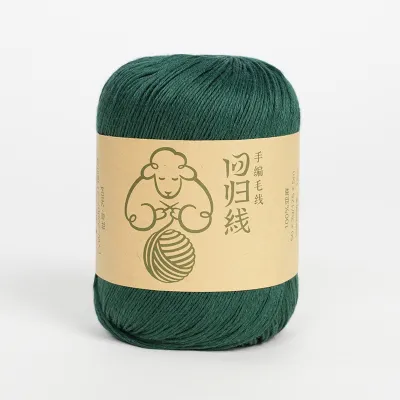
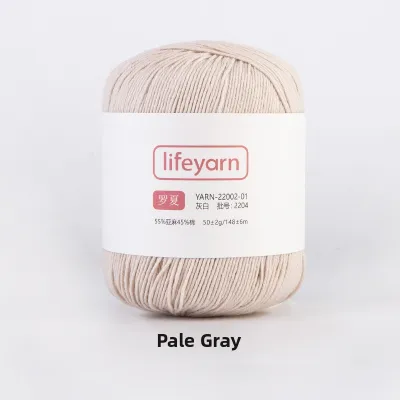
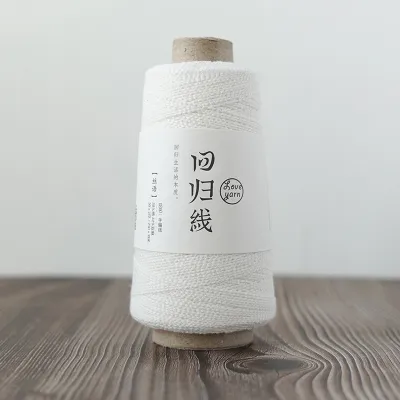
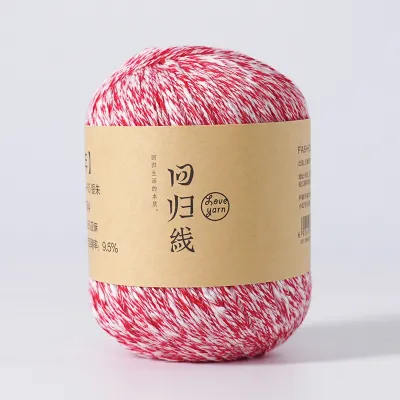
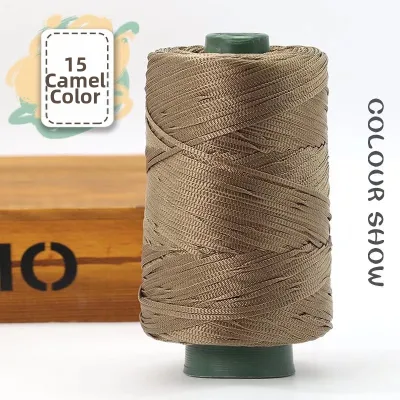
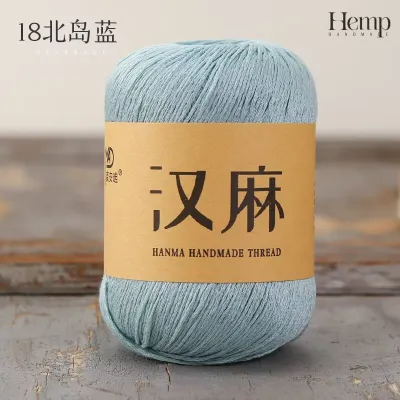
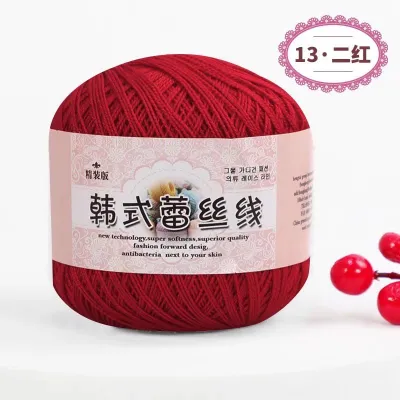
Prices are valid at publication and may change. Please refer to the product page for the latest price.
Wearability and initial stiffness are also critical factors to consider during the planning stage. Raw flax fibers are naturally stiff and can feel somewhat abrasive or rope-like while resting on your fingers during the knitting process. This initial rigidity can make maintaining an even tension challenging for knitters accustomed to the forgiving stretch of wool. Understanding that this stiffness is temporary—and that the fiber will transform into a soft, supple fabric after washing—helps you set realistic expectations for your crafting experience.
Finally, establishing precise gauge and tension expectations is paramount when working with inelastic plant fibers. Because linen does not expand or contract to fill in uneven stitches, every variation in your tension will be visible in the raw fabric. Choosing a project with a slightly relaxed gauge or incorporating textured stitch patterns, such as lace or garter stitch, can help mask minor tension inconsistencies. By aligning your pattern selection with linen’s unique physical properties, you lay a strong foundation for a successful and enjoyable knitting experience.
Selecting the Correct Linen Yarn Weight
Matching standard yarn weight categories to your specific project type is the most effective way to control the final fabric’s weight, density, and drape. Linen yarns are available in a wide range of thicknesses, from cobweb-thin lace weights to robust worsted varieties. Because linen is denser and heavier than wool, a garment knitted in a heavier linen weight will pull downward significantly more than its woolen counterpart. This downward pull can elongate your stitches and alter the overall fit of the garment if not accounted for during the selection process.

Lace and fingering weight linen yarns are the premier choices for delicate, lightweight garments and intricate lace accessories. These fine weights allow the natural breathability of the flax fiber to shine, creating airy fabrics that drape beautifully without adding bulk. Fingering weight linen is particularly popular for summer tees and camisoles, as it produces a fabric that is thin enough to remain comfortable in high temperatures while providing adequate coverage. When knitted on slightly larger needles than recommended, these fine weights bloom into exquisite, flowing lace shawls that retain their blocked shape permanently.
For projects that require more substance, faster completion, or structural integrity, double knitting (DK) and worsted weight linen yarns are highly suitable. DK weight linen strikes an excellent balance between drape and structure, making it a versatile option for lightweight cardigans, summer pullovers, and structured children’s wear. Worsted weight linen, being thicker and more robust, is ideal for home decor projects such as durable market bags, textured hand towels, table runners, and cushion covers. These heavier weights work up quickly on the needles and provide the necessary thickness to withstand daily wear and frequent laundering.
When selecting your yarn weight, always adjust your expectations to account for linen’s lack of elasticity and heavy drape. A worsted weight linen sweater will feel considerably heavier on the shoulders than a worsted weight wool sweater, and the sleeves may stretch lengthwise over time due to gravity. If you are concerned about a garment losing its shape, consider opting for a slightly lighter yarn weight than the pattern suggests, or choose a linen blend that incorporates a lighter, more resilient fiber. By carefully analyzing how the weight of the yarn interacts with the physics of the fiber, you can select a thickness that preserves the intended silhouette of your project.
Evaluating Yarn Brands and Skein Quality
When independent laboratory tests or standardized reviews are unavailable, you can assess brand reliability and yarn quality by carefully analyzing label specifications and physically inspecting the skein. Reputable yarn brands provide comprehensive information on their labels, which serves as a roadmap for predicting how the yarn will behave during knitting and after washing. Understanding how to interpret these details allows you to make informed decisions without relying on subjective marketing claims.
The first step in evaluating a brand’s offering is to examine the fiber composition listed on the label. While pure 100% linen offers the classic, crisp texture and unmatched drape of flax, many brands offer linen blends to modify the fiber’s natural characteristics. For instance, a linen-cotton blend combines the breathability of linen with the softness and slight elasticity of cotton, making it easier on the hands during knitting. A linen-silk blend, on the other hand, adds a luxurious sheen and enhances the drape, making it perfect for elegant evening wear. Evaluating these blends helps you predict the softness, stitch definition, and structural changes of the finished fabric.
Next, check the relationship between the skein’s weight, yardage or meterage, and the manufacturer’s recommended needle sizes. High-quality brands maintain strict manufacturing consistency, ensuring that the thickness of the yarn remains uniform throughout the entire skein. If a brand lists a wide range of recommended needle sizes or shows significant variance in yardage for the same weight category, it may indicate lower production standards. Comparing the yardage-to-weight ratio across different brands in the same category helps you identify yarns that are spun too tightly or too loosely for your project’s needs.
Finally, closely observe the physical construction of the skein, paying attention to the twist tightness and the presence of surface slubs. Linen yarn is typically created by spinning multiple plies together; a tighter twist generally results in a smoother, stronger yarn that is less prone to splitting on your needles. However, an overly tight twist can sometimes cause the yarn to bias or slant when knitted in stockinette stitch. Look for a balanced twist that holds the plies together securely. While minor slubs—small, thicker sections of fiber—are a natural and charming characteristic of linen, excessive or weak slubs can indicate inconsistent processing and may lead to weak spots in your fabric.
Building Your Final Linen Yarn Shortlist
Creating a systematic, conditional checklist is the best way to narrow down your options, verify your yarn selection, and calculate accurate project costs before purchasing your materials. Because linen behaves differently from other fibers, relying on standard yarn substitution guidelines can sometimes lead to purchasing too much or too little yarn. By taking a methodical approach to your shortlist, you can avoid mid-project shortages and ensure your budget is allocated efficiently.
Begin by calculating your total yardage requirements, incorporating a conservative buffer of ten to fifteen percent. Linen’s unique drape and its tendency to shrink slightly during the initial wet-blocking process mean that your actual yarn consumption may vary from the pattern’s estimates. Having an extra skein from the same dye lot ensures you can complete your project without worrying about color mismatches. This buffer is especially important when purchasing hand-dyed linen yarns, where color variations between different dye batches can be highly pronounced.
To compare the financial value of different brands objectively, calculate the cost per meter rather than comparing the price per skein. For example, if Brand A costs S$15 for a 100-meter skein and Brand B costs S$22 for a 180-meter skein, Brand B actually offers a lower cost per meter (approximately S$0.12 per meter compared to Brand A’s S$0.15 per meter). Performing this simple calculation across your shortlisted options helps you identify the most cost-effective choice for your budget, especially for large-scale projects like blankets or long-sleeved garments.
Before committing to a bulk purchase for a major project, buy a single skein to knit a comprehensive gauge swatch. This trial swatch is essential for testing the yarn’s hand-feel, observing how the stitches settle, and experiencing how the fiber softens after washing. Wash and block your swatch exactly as you plan to care for the finished garment; measure the gauge before and after washing to document any shrinkage or growth. This hands-on verification process eliminates guesswork and ensures you are completely satisfied with the fabric’s texture and drape before investing significant time and money.
Lastly, verify the dye lot consistency and review the return policies of your chosen online craft store or local retailer. When purchasing multiple skeins, ensure that the dye lot numbers printed on the labels match exactly to prevent visible color lines in your fabric. If you are buying online, check if the retailer allows returns on unused, unopened skeins in case you end up with leftover yarn from your buffer. By confirming these logistical details, you protect your investment and set yourself up for a stress-free knitting journey.
Frequently Asked Questions (FAQ)
Does linen yarn soften after washing?
Yes, linen yarn softens remarkably after washing and continues to become more supple with every subsequent wash and wear cycle. The raw flax fibers contain pectin, a natural binding agent that gives the yarn its initial stiff, straw-like texture. Wet-blocking and laundering break down these pectin bonds, allowing the individual fibers to relax, bloom, and drape beautifully. To facilitate this softening process, wash your finished project using a gentle, pH-neutral soap and warm water, then lay it flat to dry. While mechanical agitation in a washing machine can accelerate softening, it should be done with caution and according to the yarn label’s care instructions to prevent stitch distortion. For knitters with highly sensitive skin who find pure linen too abrasive during the knitting stage, choosing a linen-cotton or linen-bamboo blend can provide immediate softness right off the needles.
What needle material works best with linen yarn?
The best needle material for knitting with linen yarn depends on your personal tension and how easily you can manage the fiber’s slippery, inelastic nature. Wooden and bamboo needles offer the highest amount of surface friction, making them excellent choices for beginners or knitters who struggle with loose tension or dropping stitches. The natural grip of wood helps control the slick linen plies, ensuring more consistent stitch sizes. Conversely, polished metal needles provide a slick surface that allows the yarn to glide effortlessly, which can reduce hand fatigue during long knitting sessions but may require more focus to maintain even tension. Regardless of the material you choose, ensure your needle tips are moderately sharp; blunt tips can make it difficult to insert the needle into inelastic stitches, while overly sharp tips may split the multi-ply linen yarn.
Community discussion
Share your experience or ask a question. Comments are reviewed before publication.