
Decorating your school notebooks and planners with Kuromi stickers is an excellent way to bring a touch of mischievous charm and personality to your daily study routine. To find the best sticker sets for your academic gear, you must balance Kuromi’s signature punk-chic aesthetic with practical stationery requirements. The ideal stickers should not only look vibrant but also adhere smoothly to various paper types, resist wear and tear in your school bag, and leave enough functional space for your notes and homework trackers. By evaluating sticker sizes, material finishes, and adhesive properties, you can curate a beautifully organized set of school supplies that keeps you motivated throughout the academic term.
Key Factors When Choosing Kuromi Sticker Sets for School
Selecting the right sticker set requires looking beyond the cute designs of Sanrio’s beloved character. The first practical consideration is the physical size of the individual stickers relative to your notebook or planner grid. Large, oversized decals are excellent for personalizing outer covers, but they can quickly overwhelm the limited writing space of a standard A5 planner or a B5 school notebook. For daily logging and page layouts, look for sets that feature mini or micro-sized stickers, which fit neatly within five-millimeter grid squares or lined margins without blocking your handwriting.
The variety of designs within a single sticker pack also plays a critical role in how useful they will be throughout the school year. A well-rounded Kuromi sticker set should offer a balanced mix of large focal pieces and small, functional icons. Focal stickers, which often feature detailed illustrations of Kuromi in various outfits or poses, are perfect for marking the start of a new month or decorating subject dividers. Meanwhile, smaller icons—such as tiny skulls, stars, hearts, or expressive Kuromi faces—serve as excellent visual cues for highlighting homework deadlines, exam dates, or club activities.
Products mentioned in this guide
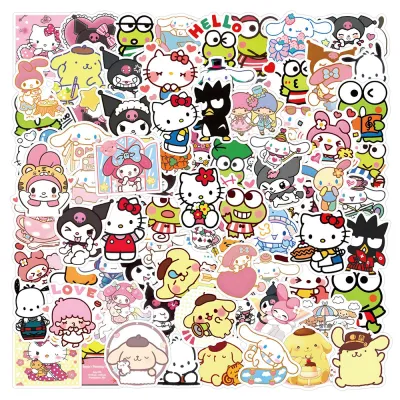
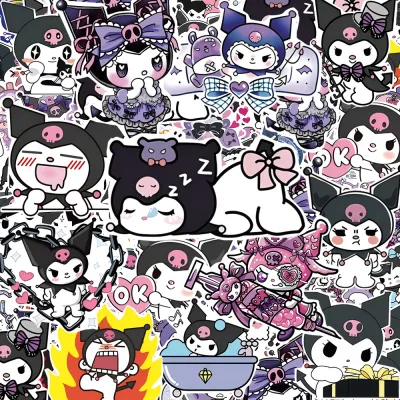
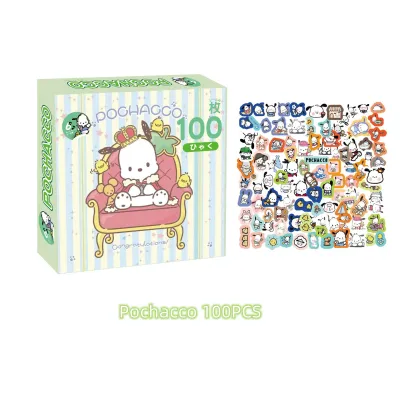
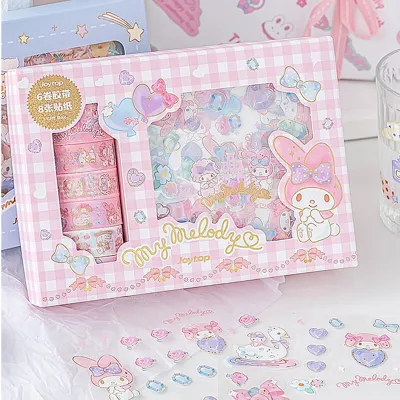
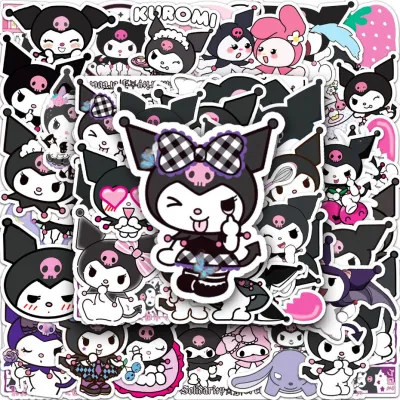
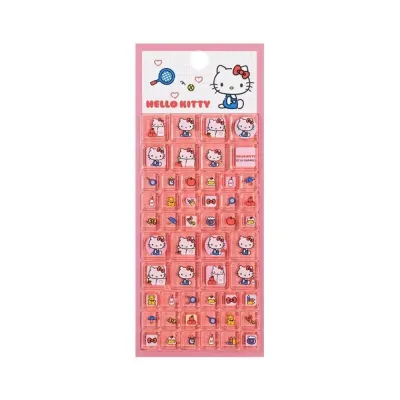
Prices are valid at publication and may change. Please refer to the product page for the latest price.
Another often-overlooked factor is the sheet layout and the precision of the cut lines. Sticker sets generally come in two formats: large sheets containing multiple designs, or individual die-cut flakes packed in a box or pouch. If you choose sticker sheets, inspect the spacing between designs to ensure you can peel them off easily without tearing the adjacent stickers. High-quality sheets feature clean, precise kiss-cut lines that allow the sticker to separate effortlessly from the backing paper, saving you time and frustration during busy study sessions.
Finally, consider how the overall color palette of the sticker set matches your existing stationery. Kuromi designs typically feature a dark, moody color scheme dominated by deep purples, blacks, and hot pinks. If your school notebooks have pastel or light-colored covers, these high-contrast stickers will stand out beautifully as bold accents. For darker covers, you may want to look for sticker sets that incorporate white borders or holographic outlines to ensure the character designs remain clearly visible and do not blend into the background.
Matching Sticker Types to Your Stationery Needs
Different school supplies demand different sticker formats to remain functional and durable throughout the academic year. Matching the physical characteristics of your stickers to the specific layout and purpose of your stationery ensures that your decorations enhance, rather than hinder, your daily study habits.

Decorating Standard School Notebooks and Textbooks
Standard school notebooks and textbooks undergo constant handling, being slid in and out of school bags, stacked on classroom desks, and carried between lectures. To keep these items looking neat, focus your sticker placement on the corners, borders, and flat surfaces of the front and back covers. Placing large decals near the spine or binding of a notebook can cause the edges of the stickers to lift over time as the book flexes, leading to peeling and dirt accumulation.
The thickness and texture of the stickers are also crucial when decorating items that are frequently stacked. Avoid using puffy, three-dimensional, or heavily textured epoxy stickers on the inside pages or covers of notebooks that you need to stack flat. Thick stickers create uneven bumps throughout the notebook, making it difficult to write smoothly on subsequent pages and causing the books to stack awkwardly in your locker or backpack. Instead, opt for thin paper or flat vinyl stickers that maintain a low profile.
Additionally, pay attention to the visual contrast between the sticker designs and your notebook covers. Because Kuromi’s signature colors are naturally dark, placing a borderless black-and-purple sticker directly onto a dark navy or black notebook cover can result in a muddy, hard-to-see design. To achieve optimal contrast, pair dark Kuromi stickers with light-colored, pastel, or white notebook covers, or select sticker sets that feature a thick, opaque white outline around the character to make the design pop against any background.
Personalizing Planners and Study Journals
Planners and study journals require a highly functional approach to decoration, where stickers serve as organizational tools rather than just visual embellishments. When shopping for planner-friendly Kuromi sets, look for designs that incorporate functional elements such as days of the week, blank speech bubbles, checkboxes, or dedicated memo lines. These elements allow you to write short reminders, track your daily habits, or check off completed assignments directly on the sticker itself.
Die-cut stickers are particularly useful for highlighting key academic milestones without cluttering your schedule. You can use small, expressive Kuromi icons to mark exam periods, project deadlines, or school holidays, creating an intuitive visual hierarchy on your monthly or weekly spreads. By assigning specific character expressions to different types of tasks—such as a determined Kuromi for study sessions and a resting Kuromi for weekends—you can assess your weekly schedule at a single glance.
The weight and quality of your planner’s paper should also dictate your sticker selection. Heavy vinyl stickers can add significant weight and bulk to a delicate, thin-paper planner, potentially causing the pages to sag or tear. Furthermore, some aggressive adhesives can cause thin planner paper to wrinkle, bleed adhesive oils, or tear when you attempt to reposition a crookedly placed sticker. For delicate planner pages, lightweight paper stickers or specialized washi-style stickers are often the safest choice, as they offer a gentle hold that respects the integrity of the paper.
Material and Functional Checks Before You Buy
Before purchasing any Kuromi sticker set, it is essential to perform a few material and functional checks to ensure the product meets your classroom needs. Start by examining the product packaging or online specifications to identify the backing paper and adhesive type. Stickers generally fall into two categories: permanent and repositionable. Permanent stickers are ideal for notebook covers where you want a long-lasting bond that resists peeling, while repositionable or removable stickers are better suited for planner pages where schedules and layouts frequently change.
The surface finish of the sticker is another critical factor, especially if you plan to write on or around the designs. Matte paper stickers are highly versatile, as they easily accept ink from standard ballpoint pens, gel pens, and pencils without smudging. Glossy and holographic vinyl stickers, while highly durable and water-resistant, have a non-porous surface that repels water-based inks. If you write on a glossy sticker with a standard school gel pen, the ink will likely pool and smudge, requiring specialized permanent markers or extended drying times to set properly.
You should also review any manufacturer warnings or care instructions printed on the sticker packaging. Some adhesives are formulated specifically for paper and may damage delicate plastic covers, synthetic leather journal binders, or thermal paper receipts if left in contact for long periods. If you plan to decorate a clear plastic pencil case or a laminated folder, verify that the stickers are rated for non-porous plastic surfaces to prevent them from sliding off or leaving a sticky, hard-to-clean residue over time.
Finally, consider the safety and environmental aspects of the sticker materials, particularly if you are purchasing stationery for younger students. Look for sticker sets that explicitly state they are made from non-toxic, acid-free materials. Acid-free stickers are especially important for long-term journaling, as they will not yellow or degrade the surrounding notebook paper over the years, ensuring your school memories remain pristine and vibrant for a long time.
Where to Find Authentic Kuromi Stickers in Singapore
To ensure you are getting high-quality stickers with reliable adhesives and vibrant prints, it is best to purchase authentic, licensed Sanrio merchandise. In Singapore, authorized retail channels are the most reliable places to find genuine Kuromi stationery. You can visit official Sanrio gift gates, recognized local stationery chains, and established lifestyle department stores located in major shopping malls across the island. These physical stores allow you to inspect the sticker sheets in person, checking the print quality and material thickness before spending your pocket money.
If you prefer shopping online, look for verified flagship stores on major local ecommerce platforms and online marketplaces. When browsing online listings, be cautious of third-party sellers offering unusually cheap bulk packs of hundreds of stickers for just a few S$. These unauthorized packs are often counterfeit, featuring low-resolution scans of official artwork, poor color calibration, and low-grade adhesives that either peel off immediately or leave a damaging, sticky residue on your expensive school gear.
To verify the authenticity of a Kuromi sticker set, always check the packaging for official licensing marks. Genuine Sanrio products feature a distinct holographic sticker or a specific copyright mark (such as “© SANRIO” or “© ’26 SANRIO”) printed clearly on the back or corner of the packaging. The print quality of authentic stickers is exceptionally sharp, with clean lines, accurate color registration, and no blurry edges or color bleeding.
Additionally, compare the physical details of the packaging. Authentic Japanese or licensed regional stationery usually comes in neatly sealed, branded packaging with clear product information, barcode labels, and safety warnings. Unlicensed products often arrive in plain, unmarked plastic bags without any official branding or manufacturer details. Investing in authentic Kuromi stickers ensures that you receive a durable, safe, and beautifully printed product that will last throughout the entire school year.
Frequently Asked Questions (FAQ)
Can I write on Kuromi stickers with standard school pens?
Whether you can write on a Kuromi sticker depends entirely on its surface finish. Matte paper and washi-style stickers are highly receptive to standard school pens, including ballpoint pens, gel pens, and fine-liners, as the porous material absorbs the ink quickly. Glossy, vinyl, or holographic stickers have a smooth, water-resistant coating that prevents standard water-based inks from drying. If you must write on a glossy sticker, use a permanent multi-surface marker and allow it to dry completely for several minutes before closing your notebook to prevent smudging.
How do I remove stickers from a notebook cover without leaving residue?
To remove a sticker from a notebook cover safely, start by peeling it slowly from one corner at a very low, flat angle rather than pulling straight up. This steady, horizontal tension helps keep the adhesive attached to the sticker backing rather than transferring it to the notebook cover. If the sticker is stubborn or leaves a sticky residue behind, check the notebook manufacturer’s care instructions first, as some plastic or paper covers can be damaged by heat or liquids. For plastic covers, gently rubbing a tiny drop of cooking oil or using a mild soapy cloth can help lift the remaining adhesive safely.
Community discussion
Share your experience or ask a question. Comments are reviewed before publication.