
Selecting a German silver coin as a souvenir gift in Singapore is an elegant way to mark a milestone, celebrate a shared history, or offer a highly personalized keepsake. These coins carry a unique blend of European artistry, historical depth, and intrinsic value, making them stand out in a sea of conventional gifts. However, finding the perfect piece requires understanding the different categories of German coinage, matching the design to the recipient’s personality, and taking specific precautions to protect the metal from Singapore’s tropical climate. By focusing on authenticity, presentation, and preservation, you can transform a simple coin into a cherished heirloom that retains its beauty and significance for decades.
Understanding German Silver Coin Categories for Gifting
German silver coins generally fall into three distinct categories, each offering a different appeal depending on your gifting goals. The first consists of modern Euro commemorative coins. Issued by the German Federal Ministry of Finance, these coins celebrate significant anniversaries, cultural milestones, famous figures, and architectural wonders. They are highly accessible, featuring striking contemporary designs that appeal to general recipients who appreciate modern European culture.
The second category comprises historical silver coins, such as those minted during the German Empire (1871–1918) or the Weimar Republic (1918–1933). These vintage pieces carry a tangible connection to the past, showcasing classic heraldry, portraits of historical rulers, and intricate engraving styles. For recipients who love history or vintage aesthetics, a historical mark offers a sense of discovery and nostalgia that modern issues cannot replicate.
Products mentioned in this guide
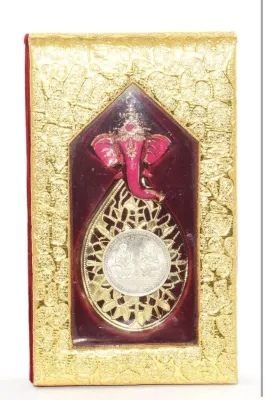
Prices are valid at publication and may change. Please refer to the product page for the latest price.
Finally, distinguish between bullion-style silver coins and numismatic collectibles. Bullion coins are valued primarily for their precious metal content and typically feature standard designs, making them ideal for those interested in the intrinsic value of silver. Numismatic collectibles derive their value from rarity, historical significance, and artistic design. For souvenir gifting, numismatic and commemorative coins are preferred, as their thematic designs and limited mintages carry far more personal and sentimental weight.
Matching Coin Types to Your Recipient
To ensure your gift resonates, match the specific style of the German silver coin to the recipient’s background. Serious numismatists and history enthusiasts will deeply appreciate historical German marks or limited-mintage Euro commemoratives. When gifting to this group, focus on coins with a well-documented history, clear provenance, and distinct design variations. The historical context of a Weimar-era coin or a rare commemorative piece from the early 20th century provides a fascinating talking point that appeals directly to their passion.

For business associates, corporate partners, or formal contacts, the presentation must reflect professionalism and prestige. In these scenarios, prioritize modern, pristine Euro commemorative coins in proof finishes, ideally housed in their official mint packaging. A flawless, high-grade modern coin represents quality and respect, making it an appropriate token of appreciation for international business relationships or corporate milestones in Singapore’s professional landscape.
Casual friends, family members, or hobbyists are often best suited for thematic Euro coins that align with their personal interests. Germany frequently issues commemorative coins celebrating universal themes, such as classic fairy tales from the Brothers Grimm, sporting events, or famous landmarks. Selecting a coin that features a recipient’s favorite story, hobby, or a city they have visited adds a thoughtful, highly personalized touch to the gift, showing that you selected the item with their unique personality in mind.
Key Specifications to Verify Before Purchasing
Before finalizing your purchase, verifying the physical and documented specifications of the coin is essential to ensure it meets premium gifting standards. Start by checking the silver purity and weight markings against official German mint specifications. Commemorative German coins are typically minted in various silver purities, such as .925 sterling silver or .999 fine silver, depending on the era and denomination. Verifying these details ensures you are paying a fair price for the actual metal content and collectible value.
Next, examine the physical dimensions, edge lettering, and surface finish of the coin. Authentic German coins often feature distinct edge inscriptions, such as “EINIGKEIT UND RECHT UND FREIHEIT” (Unity and Justice and Freedom), which should be sharp and evenly spaced. Additionally, understand the difference between “Proof” (Spiegelglanz) and “Uncirculated” (Stempelglanz) finishes. Proof coins feature mirror-like backgrounds and frosted details, offering maximum visual impact for a gift, while uncirculated coins have a more uniform, satin-like luster.
Always look for coins that include their original Certificate of Authenticity (COA) and remain in their intact mint packaging. A COA provides official verification of the coin’s mintage, purity, and origin, which is highly valued by collectors and adds a layer of professionalism to your gift. Finally, consider the coin’s condition grading. Even minor scratches, fingerprints, or wear can significantly reduce both the visual appeal and the long-term collectible value of the piece, so aim for coins that have been well-preserved in protective capsules.
Sourcing and Authenticity Checks in Singapore
Sourcing authentic German silver coins in Singapore requires navigating different purchasing channels with care. Local physical coin dealers and established numismatic shops offer the advantage of face-to-face consultation and the ability to inspect the coin’s physical condition under magnification before buying. Established auction houses are another reliable option, particularly for sourcing rare historical German marks, as they typically employ experts to verify the authenticity of their lots before they go under the hammer.
In contrast, general online marketplaces and ecommerce platforms offer convenience and a wider selection but come with higher risks. When buying online, it is crucial to watch for common red flags of counterfeit or altered coins. These include weights that do not match official mint specifications, soft or blurry details in the design, incorrect edge lettering, or suspicious packaging that does not match official releases. Be wary of deals that seem unusually cheap, as genuine silver and rare collectibles maintain a baseline market value.
To protect your purchase when using digital platforms, always request clear, high-resolution images of both the front and back of the coin, as well as the edge. Ask the seller for documented provenance or purchase history if available. Most importantly, only buy from sellers who offer a reliable, clear return policy and are willing to guarantee the authenticity of the coin, allowing you to have the piece verified independently if necessary.
Presentation and Packaging for a Memorable Gift
The way you present and package a German silver coin plays a double role: it elevates the gift’s perceived value and protects the delicate metal from environmental damage. Singapore’s high humidity and tropical climate pose a constant threat to silver, as moisture and airborne pollutants can cause rapid tarnishing and oxidation. To prevent this, always house the coin in an archival-safe, airtight acrylic capsule. Avoid cheap plastic holders containing polyvinyl chloride (PVC), as PVC degrades over time and releases acidic gasses that can permanently damage and discolor silver.
To elevate the presentation, place the encapsulated coin inside a high-quality velvet or wooden presentation box. This stationery-focused touch transforms the coin from a loose collectible into a formal, structured gift. You can further enhance the experience by including a personalized, handwritten note or a small informational card. On this card, briefly explain the historical background, the meaning of the design, or the cultural significance of the German coin, helping the recipient appreciate the deeper story behind your souvenir.
Finally, share some basic handling rules with the recipient to help them preserve their new keepsake. Emphasize that they should avoid direct skin contact with the coin’s surface, as natural oils and sweat can leave permanent fingerprints on silver. If they must handle the coin outside its capsule, they should hold it strictly by the edges while wearing clean cotton gloves. Remind them never to attempt to clean or polish the coin with commercial silver cleaners or abrasive cloths, as doing so strips away the original mint luster and can destroy its numismatic value.
Frequently Asked Questions (FAQ)
Are there customs restrictions on gifting silver coins in Singapore?
When importing or bringing silver coins into Singapore as gifts, you should consult the latest guidelines from Singapore Customs. Generally, precious metals of high purity may be subject to specific import regulations or Goods and Services Tax (GST) depending on their classification and value. If you are carrying high-value souvenir coins across the border, it is important to understand the declaration thresholds to ensure a smooth entry and avoid unexpected fees or delays at customs.
How do I prevent silver coins from tarnishing in Singapore's humidity?
To protect silver coins from Singapore’s humid climate, store them in airtight, archival-quality acrylic capsules that seal out moisture. Keep the encapsulated coins in a cool, dry place away from direct sunlight, such as a drawer or a dedicated storage box, and consider placing a few silica gel packets nearby to absorb any ambient humidity. Most importantly, never attempt to clean or polish the silver if minor tarnishing does occur, as improper cleaning can permanently scratch the surface and ruin the coin’s collectible appeal.

Community discussion
Share your experience or ask a question. Comments are reviewed before publication.