
Selecting the appropriate bubble wrap sheet is a critical decision that directly impacts the safety of your shipments and the efficiency of your packaging process. To safeguard your items effectively, you must evaluate two primary specifications: bubble diameter and film thickness. Choosing an incorrect combination can lead to damaged goods, inflated shipping costs, or wasted materials. For instance, wrapping a heavy ceramic vase in small, thin-gauge bubbles often results in the air pockets popping under the weight, leaving the item vulnerable to impact. Conversely, using large-bubble sheets for small, flat items like notebooks or stationery accessories wastes valuable space inside your shipping boxes and increases volumetric shipping fees. By matching these physical specifications to the fragility and weight of your products, you can ensure that your items arrive in pristine condition.
Understanding Bubble Wrap Sheet Specifications
To make an informed choice, you must understand the technical specifications found on product labels. Bubble wrap is not a one-size-fits-all material; its protective capabilities are determined by the physical dimensions of the air pockets and the polymer structure of the plastic film.
Bubble Diameter and Cushioning Depth Bubble sizes are categorized by their diameter and height, which determine how much physical space they occupy and how much impact energy they can absorb:
Products mentioned in this guide
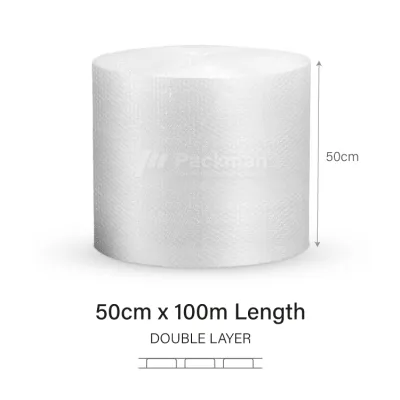
Prices are valid at publication and may change. Please refer to the product page for the latest price.
- Small Bubbles (6mm diameter / 3mm height): These tiny air pockets offer exceptional flexibility, allowing the sheet to conform tightly to complex shapes, sharp corners, and delicate contours. They are primarily designed for surface protection, preventing scratches, scuffs, and minor abrasions.
- Medium Bubbles (10mm to 12.7mm diameter / 4mm to 5mm height): This is the most common and versatile size. It provides a balanced combination of surface conformity and moderate shock absorption, making it suitable for a wide variety of household and retail goods.
- Large Bubbles (25mm to 32mm diameter / 12.7mm height): These large air pockets provide deep cushioning and are designed to absorb significant impact energy. They are also highly effective as void fill to prevent items from shifting inside a larger box.
Material Thickness and Film Strength The durability and puncture resistance of a bubble wrap sheet depend on the thickness and composition of the plastic film. Film thickness is typically measured in microns or mils (one-thousandth of an inch).
- Standard Duty (Single-Layer Polyethylene): This material consists of a single flat backing sheet laminated to the shaped bubble layer. While lightweight and economical, standard low-density polyethylene (LDPE) is naturally permeable to air. Under sustained pressure or long-term storage, the air inside the bubbles slowly diffuses through the plastic, causing the bubbles to deflate.
- Heavy Duty (Co-Extruded Nylon Barrier): High-performance bubble wrap sheets feature a co-extruded barrier layer, often made of nylon, sandwiched between layers of polyethylene. This barrier is highly impermeable to air, ensuring the bubbles retain their inflation and cushioning power even under heavy loads or during long-transit shipping. This construction also provides superior puncture and tear resistance.
Verifying Specifications Before purchasing, verify the manufacturer’s specifications on the product packaging. Do not rely solely on visual inspection, as different polymer blends can feel identical but perform very differently under stress. In Singapore’s humid climate, low-grade plastic films can sometimes soften or exhibit altered surface friction. Checking the technical data sheet for material composition (such as LDPE with nylon barrier) ensures the wrap will perform reliably in local storage and transit conditions.
Matching Bubble Size and Thickness to Item Fragility and Weight
The key to efficient packaging is matching the physical attributes of your item to the correct bubble wrap specifications. This prevents damage while avoiding the high costs of over-packaging.

Lightweight and Low-Fragility Items
Items such as stationery, books, journals, and non-breakable plastic accessories require minimal shock absorption but need reliable surface protection. For these products, small-bubble sheets with a standard single-layer thickness are the ideal choice.
When packaging flat stationery or softcover books, your main goal is to prevent scuffed corners, bent pages, and cosmetic surface wear. Small bubbles conform closely to flat surfaces and edges without adding unnecessary bulk. Using large-bubble sheets for these items is counterproductive; the large bubbles create uneven pressure points that can bend book covers or crease delicate paper products during transit. Furthermore, oversized bubbles inflate the dimensions of your parcel, which can lead to higher volumetric shipping rates from local couriers.
Medium-Weight and Moderate-Fragility Items
This category includes small electronics, cosmetics, standard ceramics, and desk organizers. These items are vulnerable to drops, rough handling, and transit vibrations, requiring a more robust cushioning layer.
For these goods, medium-bubble sheets offer the perfect middle ground. The medium bubble size provides enough air cushioning to absorb moderate impacts while remaining flexible enough to wrap around cylindrical cosmetic bottles or rectangular electronic casings. To ensure adequate safety, pair these bubbles with a slightly thicker or multi-layer film.
When preparing these items, wrap each piece individually before grouping them together. Secure the edges of the wrap with packing tape to prevent the item from slipping out of its protective sleeve. This individual wrapping technique prevents items from knocking against each other inside the box, which is a common cause of damage during local courier transit.
Heavy, Bulky, or Highly Fragile Items
Large appliances, heavy glassware, delicate instruments, and oversized home decor require maximum protection. These items exert significant pressure on packaging materials and are highly sensitive to shock.
To protect these items, you should use large-bubble sheets made from heavy-duty, co-extruded plastic. The large air volume in each bubble provides the deep shock absorption needed to cushion heavy impacts, while the reinforced film prevents the bubbles from popping under the item’s weight.
However, bubble wrap alone is often insufficient for very heavy or structurally vulnerable items. You should combine the heavy-duty bubble wrap sheet with rigid edge protectors, molded corner guards, or foam inserts. This hybrid approach ensures that the structural corners of the item do not pierce the bubble wrap, maintaining the integrity of the air cushioning throughout the entire shipping process. Always check the manufacturer’s weight limits and compression ratings to ensure the selected sheet can support the load.
Practical Packaging Techniques for Maximum Protection
Even the highest-quality bubble wrap sheet will fail to protect your items if applied incorrectly. Understanding the mechanics of wrapping and box packing is essential to achieving consistent results.
The Bubble Side In vs. Bubble Side Out Rule One of the most common debates in packaging is which way the bubbles should face. The general rule is to place the bubble side facing inward, against the surface of the item.
- Inward-Facing Bubbles: This orientation allows the individual air pockets to cradle the item, maximizing surface contact and distributing shock more evenly across the product's surface. It also prevents the item from sliding around inside the wrap.
- Outward-Facing Smooth Side: Keeping the smooth side on the outside provides a flat, uniform surface that is much easier to tape securely. It also prevents the bubbles from snagging on other packages or the edges of the shipping box during packing.
Securing the Wrap Correctly To prevent the bubble wrap sheet from shifting or unraveling, secure it tightly with high-quality packing tape. Apply the tape along all open seams and around the circumference of the wrapped item. In Singapore’s warm and humid environment, standard adhesives can sometimes lose their grip on plastic films over time. It is wise to perform a quick trial by applying tape to a small section of the bubble sheet to verify that the adhesive bonds securely and does not peel away under tension.
Managing Void Space in the Shipping Box Once your item is wrapped, place it into the outer shipping box. Any remaining empty space (void space) must be filled to prevent the item from shifting during transit. You can use extra bubble wrap, crumpled kraft paper, or air pillows to fill these gaps.
However, be careful not to over-pack the box. Forcing too much material into a tight space compresses the bubble wrap sheets, pre-loading the air pockets with pressure. This compression significantly reduces their ability to absorb additional shock during a drop, rendering the protective wrap far less effective.
Can One Bubble Wrap Sheet Work for Multiple Scenarios?
For small businesses, home offices, or occasional shippers in Singapore, buying multiple rolls of different bubble wrap specifications can be impractical due to limited storage space. Standardizing on a single, versatile bubble wrap sheet is a common way to simplify inventory.
The Versatility of the Medium-Bubble Sheet If you must choose a single type of bubble wrap for all your shipping needs, a medium-bubble sheet with standard-to-medium thickness is the most practical choice. This specification is versatile enough to handle a wide range of everyday items, from books to small household goods.
- For lightweight items: You can use a single layer of the medium-bubble sheet, accepting a minor increase in package volume.
- For moderately fragile items: You can wrap the item with two or three layers to build up the necessary cushioning.
The Trade-offs of Standardization While standardization simplifies purchasing and storage, it does come with clear trade-offs. Using a medium-bubble sheet for simple, flat stationery is technically “overkill.” It increases the physical size of your packages, leading to higher shipping costs and wasting material. On the other hand, relying on a standard medium-bubble sheet for heavy or highly fragile items requires wrapping them in numerous, cumbersome layers. This not only consumes a massive amount of material but also increases packaging time and may still fail to provide the deep shock absorption that a dedicated large-bubble, heavy-duty sheet offers.
A Decision Framework for Standardization To decide whether to standardize or specialize, evaluate your monthly shipping volume and product mix:
- Standardize if over 80% of your items fall into the lightweight to medium-weight categories, and you only occasionally ship highly fragile goods.
- Invest in specialized sheets (such as anti-static bubble wrap for electronics or heavy-duty large-bubble rolls for glassware) if fragile or heavy items make up a significant portion of your inventory. This investment will reduce product damage rates and improve operational efficiency.
Frequently Asked Questions (FAQ)
Does the color of the bubble wrap sheet affect its protective quality?
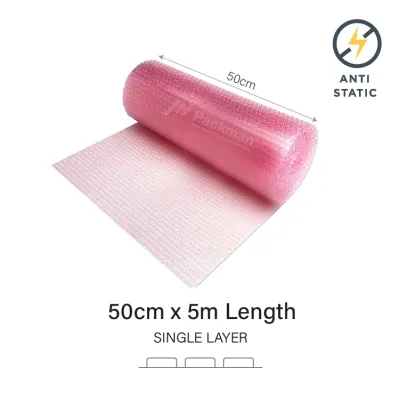
The base color of a bubble wrap sheet does not alter its physical shock absorption or film thickness. Standard clear, blue, and green bubble wraps of the same specifications provide identical mechanical protection. However, specific colors like pink are dye-treated to indicate anti-static properties. These anti-static sheets are designed to dissipate electrostatic charges, making them essential for packaging sensitive electronic components like computer processors or circuit boards, though their physical cushioning capability remains the same as clear sheets.
How many layers of bubble wrap should I use for shipping?
The number of layers required depends on the fragility of the item and the fit of the outer shipping box. For lightweight, low-fragility items, a single layer is usually sufficient. For moderately fragile items like glass jars or small electronics, two to three layers of medium-bubble wrap are standard. Always ensure that the wrapped item fits snugly inside the box without being compressed so tightly that the bubbles lose their air, as over-compression prevents the air pockets from absorbing impacts effectively.

Community discussion
Share your experience or ask a question. Comments are reviewed before publication.