
Creating personalized, handmade greeting cards in Singapore requires selecting the right blank card stock to ensure your artistic medium does not bleed, warp, or feather. The most suitable blank greeting card depends entirely on your chosen DIY technique, whether you are practicing traditional calligraphy, applying wet watercolor washes, or stamping with pigment inks. To achieve high-quality results, you must evaluate the paper’s weight—measured in grams per square meter (GSM)—alongside its surface finish and sizing. By matching these physical characteristics to your specific tools, you can prevent common crafting mishaps like paper pilling or spine cracking, resulting in a durable, high-quality keepsake that fits standard local mailing guidelines.
Understanding Paper Weight and Finish for DIY Cards
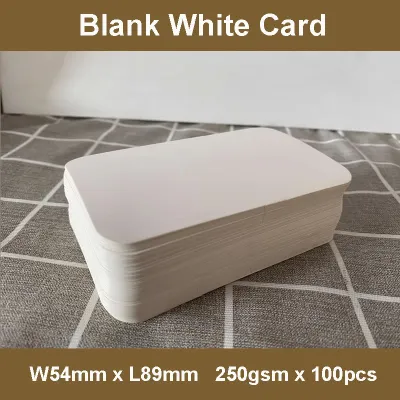
When selecting blank greeting cards, the weight of the paper is the most critical factor determining its structural integrity. Paper weight is universally measured in GSM (grams per square meter). For a card to stand upright on a shelf without bowing or sagging, it requires a minimum weight of 250 GSM. Standard card stock typically ranges from 250 GSM to 300 GSM, providing a sturdy, premium feel. Heavyweight options exceeding 300 GSM offer maximum durability, making them excellent for heavy embellishments, though they require careful scoring before folding to prevent messy, uneven creases along the spine.
The surface finish of the card stock dictates how it interacts with different types of ink and paint. Matte paper features a smooth, non-reflective surface that absorbs ink quickly, making it highly versatile for everyday handwriting and basic stamping. Glossy finishes, while vibrant, repel water-based inks and are generally unsuitable for hand-written personalization unless you use specialized permanent markers. Textured papers, such as linen or laid finishes, add a tactile, sophisticated quality but can disrupt fine pen lines. For wet mediums, cold-pressed finishes provide a textured tooth that holds water, whereas hot-pressed finishes are exceptionally smooth, catering to detailed illustration work.
Products mentioned in this guide
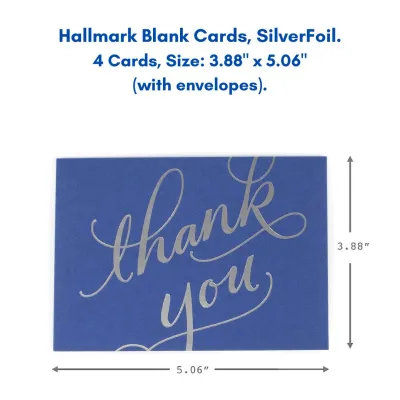
Prices are valid at publication and may change. Please refer to the product page for the latest price.
Reading manufacturer specifications on packaging or online product listings is essential to verify these properties before purchasing. Look closely for terms indicating the paper’s manufacturing process and composition. High-quality listings will explicitly state the GSM, the texture type, and whether the paper is acid-free. If a listing only describes the paper as “heavyweight” without providing a specific GSM number, it is best to proceed with caution or contact the seller, as terms like “card stock” can occasionally refer to flimsy papers as light as 160 GSM, which will not support most DIY techniques.
Matching Card Stock to Your Customization Technique
A single type of blank card stock rarely performs consistently across all artistic methods. The chemical and physical properties that make a paper excellent for absorbing wet watercolor paint are vastly different from those required to keep sharp calligraphy ink from feathering. Understanding these distinct material requirements allows you to select the appropriate card stock for your specific creative project.

Calligraphy and Fountain Pen Ink
Calligraphy and fountain pen inks require a paper surface that is exceptionally smooth and properly sized. Sizing refers to the chemical treatment applied during papermaking to control how the paper absorbs liquid. Without adequate sizing, wet ink will spread rapidly along the paper fibers, a frustrating phenomenon known as feathering. To achieve crisp, sharp hairlines with dip pens or fountain pens, look for blank cards made from highly sized, smooth paper, often labeled as satin, ultra-smooth, or hot-pressed.
When evaluating product labels, look for terms like “fountain pen friendly” or “bleed-resistant.” If these specifications are missing, you can observe the paper’s texture under direct light; a slight sheen often indicates a smoother, more compressed surface that will resist ink penetration. Avoid highly absorbent, fibrous papers like handmade cotton rag or rough watercolor sheets for fine calligraphy, as the delicate metal nibs can catch on the fibers, causing ink splatters and ruined designs.
Watercolor and Wet Media
Working with watercolor, gouache, or heavy ink washes demands a specialized card stock that can handle significant moisture without warping, buckling, or pilling. Standard card stock, even at 300 GSM, will quickly distort when exposed to water because its wood-pulp fibers expand unevenly. For wet media, you should prioritize blank cards made from cotton-blend or 100% cotton paper, ideally with a weight of 300 GSM or higher. Cotton fibers are naturally longer and stronger than wood fibers, allowing the paper to absorb water evenly and dry flat.
While specialized watercolor card blanks are more expensive than standard card stock, they eliminate the need to pre-stretch your paper. The trade-off when using these cards is their textured surface, typically cold-pressed, which can make fine-line drawing or stamping more challenging. If your DIY design combines light watercolor washes with detailed pen work, a hot-pressed watercolor card stock offers the practical compromise, providing the water resistance of cotton with a smooth, flat surface.
Stamping, Embossing, and Dry Media
For rubber stamping and heat embossing, the flatness and firmness of the card stock are paramount. To achieve a clean, crisp stamp impression, the paper must make uniform contact with the inked stamp. A smooth matte or satin finish is ideal, as it allows pigment and dye inks to dry evenly without smudging. Textured papers can leave gaps in your stamped images, resulting in a distressed look that may not be desired for formal greeting cards.
If you plan to use manual embossing folders or die-cutting tools, the thickness and flexibility of the paper play a major role. Card stock that is too brittle will crack under the pressure of an embossing machine, while paper that is too soft will not hold the raised pattern sharply. A sturdy 250 GSM to 300 GSM wood-pulp card stock with a smooth finish provides the necessary resistance to hold deep, embossed textures. For heat embossing, ensure the paper can withstand the brief application of a high-heat gun without scorching or curling excessively.
Key Features to Check Before Buying Blank Cards
Before purchasing blank cards in bulk, you must verify several practical specifications to ensure your finished creations are usable and long-lasting. First, check the sizing standards of both the cards and their accompanying envelopes. In Singapore, standard mailing sizes often align with international formats such as A6 (105mm x 148mm) or A7 (127mm x 178mm). Ensure the product description explicitly states that envelopes are included and that they match the card dimensions closely, leaving a small clearance of about 2mm to 5mm so the card slides in easily without bending.
Another critical feature to verify is whether the paper is labeled as acid-free or archival-quality. Acidic papers, which are common in cheap, mass-produced stationery, will yellow and become brittle over time, especially in Singapore’s humid tropical climate. Acid-free card stock is chemically treated to neutralize natural acids, ensuring that your handwritten messages, photographs, and delicate embellishments remain vibrant and intact for decades without deteriorating or discoloring.
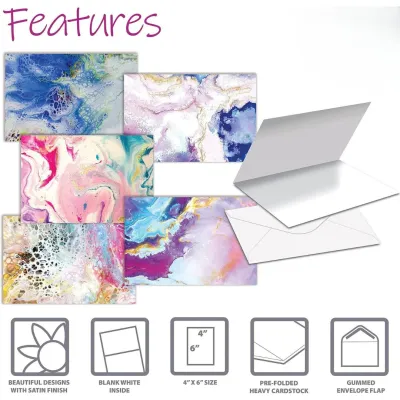
Finally, examine the folding mechanism of the blank cards. High-quality blank cards are pre-scored, meaning they feature a clean, machine-pressed indentation along the fold line. Pre-scoring is vital for heavyweight card stock because folding thick paper manually without a score line ruptures the outer paper fibers, resulting in an unsightly, jagged, and cracked spine. If you purchase flat card stock that is not pre-scored, you will need to invest in a bone folder and a scoring board to crease the cards cleanly yourself.
Where to Find and Verify Reliable Card Brands in Singapore
Sourcing high-quality blank greeting cards in Singapore involves navigating both physical retail stores and online platforms. For those who prefer to feel the paper texture and weight before buying, visiting dedicated art supply shops and specialty stationery boutiques is highly recommended. Locations such as the Bras Basah Complex house long-standing art retailers that stock professional-grade paper brands, watercolor sheets, and pre-cut card blanks. Specialty craft stores in central shopping districts also offer curated selections of premium card stock, envelopes, and stamping accessories.
If you prefer the convenience of online shopping, local e-commerce platforms and marketplaces provide access to a wide variety of blank cards. When browsing online, filter your search to local Singapore-based sellers to ensure faster shipping and to avoid the risk of paper damage during long-distance transit. Carefully read verified buyer reviews, paying close attention to feedback regarding the actual stiffness of the cards and whether they arrived flat and unbent. Look for reviews that mention specific DIY techniques, as other crafters often share valuable insights about ink bleeding or warping.
To avoid costly mistakes when planning large projects, such as wedding invitations or holiday card sets, always test the paper on a small scale first. Many local suppliers and online boutique paper mills offer sample packs containing single sheets of various paper weights and finishes. Purchasing a sample pack allows you to conduct hands-on testing with your specific calligraphy pens, watercolor paints, or stamping inks. This step ensures the paper performs exactly as expected under your unique crafting conditions before you commit to a bulk purchase.
Frequently Asked Questions (FAQ)
What is the ideal GSM for a sturdy greeting card?
The recommended weight for a sturdy, professional-feeling greeting card is between 250 GSM and 350 GSM. Paper below 200 GSM is generally too flimsy to stand upright on its own and will easily warp when any ink or adhesive is applied. When working with card stock heavier than 250 GSM, you must use a scoring tool to create a clean crease before folding, as attempting to fold thick paper by hand will crack the fibers along the spine.
Can I use standard printer paper for DIY greeting cards?
Standard printer paper, which typically ranges from 70 GSM to 80 GSM, is too thin and weak to serve as a standalone greeting card. It will buckle immediately under wet media, allow calligraphy ink to bleed through to the other side, and sag when placed upright. If you only have lightweight paper available, you can use it for detailed illustrations or calligraphy, cut out the finished design, and mount it onto a sturdier 250 GSM card stock backing using a dry adhesive.
How do I test a blank card's paper quality before buying in bulk?
To test a blank card’s quality, obtain a single sample sheet and apply the exact tools and mediums you plan to use for your final project. Write with your wettest calligraphy pen to check for feathering, apply a wet watercolor wash to observe if the paper pills or warps, and stamp an image to see if the ink smudges or bleeds through to the back. Inspect the edges of the paper for clean cuts and fold the sheet to ensure the spine does not crack or fray.
Community discussion
Share your experience or ask a question. Comments are reviewed before publication.