
Selecting blank cards for handwritten messages in Singapore requires a careful balance of paper specifications and writing instrument compatibility. Because the local tropical climate brings high relative humidity, paper can behave differently than it would in drier environments, affecting ink absorption, drying times, and structural stiffness. Whether you are preparing formal invitations, crafting personal thank-you notes, or creating custom holiday greetings, understanding the physical properties of cardstock ensures your handwritten words remain sharp, legible, and elegant.
Rather than relying on brand names alone, focusing on measurable indicators such as paper weight, surface finish, and acid-free certification allows you to make informed decisions. This guide outlines the essential factors that determine writing quality, details how different paper types interact with various inks, and provides practical strategies for sourcing and testing blank cards in Singapore. By matching your tools to the correct paper medium, you can prevent common issues like ink feathering, smudging, and bleed-through.
What Makes a Good Writing Surface for Greeting Cards
The physical construction of a blank card determines how well it accepts ink and how premium it feels in the hand. The first and most critical specification to verify is paper weight, measured in grams per square meter (GSM). For a greeting card to stand upright on a shelf or desk without bowing, it requires a minimum weight of 250 GSM. Heavier cardstock, ranging from 300 GSM to 350 GSM, provides a more substantial feel and offers greater resistance to bending, warping, and ink penetration.
Products mentioned in this guide
![[SG SELLER] [FREE SHIPPING] 10x15cm Brown White Kraft Cards Writing Note Notes DIY Art Craft Gift Thank You Decoration](https://img.lazcdn.com/g/ff/kf/S6319b4c832d745cda5427f9cfe0cddd85.jpg_400x400q80.jpg_.webp)
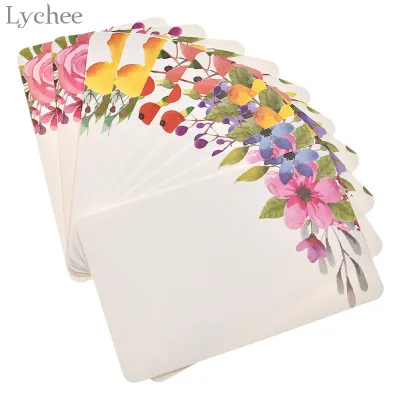
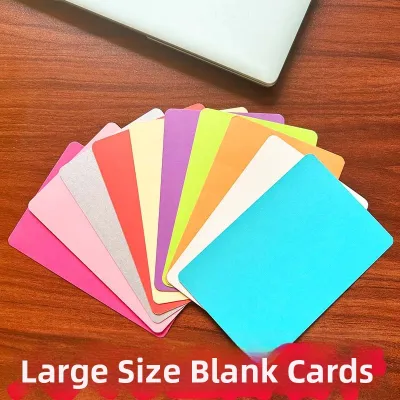
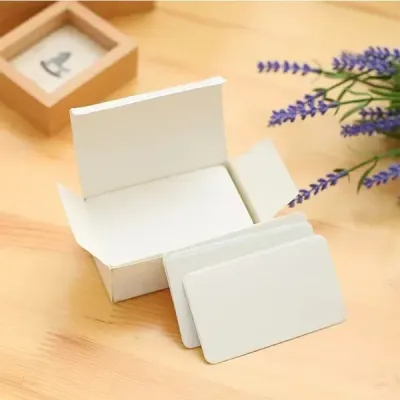
Prices are valid at publication and may change. Please refer to the product page for the latest price.
Surface finish plays an equally vital role in ink adhesion and drying speed. Uncoated paper has a natural, slightly textured surface that absorbs ink quickly, making it highly compatible with standard ballpoint pens and gel pens. However, highly absorbent uncoated papers can cause wet inks, such as those from fountain pens, to spread outward along the paper fibers—a phenomenon known as feathering. Matte-coated papers feature a light surface treatment that controls ink absorption, offering a smooth writing experience with crisp lines, though they may require slightly longer drying times. Glossy finishes, while excellent for printed photographs or vibrant designs, repel water-based inks entirely, leading to immediate smudging.
Another critical factor is the chemical composition of the paper, specifically whether it is certified as acid-free. Standard wood pulp paper contains natural acids that cause the material to turn yellow, become brittle, and degrade over time. Acid-free paper is treated with a mild base to neutralize these acids, ensuring long-term archival quality. In Singapore’s warm and humid climate, acidic papers degrade at an accelerated rate. Choosing acid-free blank cards ensures that your handwritten messages preserve their original color and structural integrity for decades without deteriorating.
Key Paper Types and Textures for Handwritten Messages
Different paper materials offer distinct visual aesthetics and tactile experiences, which should align with the formality of your message and your preferred writing style. Cotton paper, made from cotton fibers rather than wood pulp, represents a premium choice for fine stationery. It possesses a soft, pillowy texture and exceptional ink absorption, making it a traditional option for formal wedding invitations and high-end correspondence. Cotton fibers hold ink beautifully, providing a deep, rich color depth, though the high absorbency means you may need to use a slightly drier ink or a finer pen nib to maintain sharp lines.

For casual, rustic, or eco-friendly themes, kraft and recycled papers are highly popular options. Kraft paper, characterized by its natural brown hue and visible organic fibers, offers a charmingly informal aesthetic. However, its rougher, more porous texture can catch fine-tipped pens and cause uneven ink distribution. When writing on kraft or recycled cardstock, smoother writing instruments like gel pens, bold rollerballs, or opaque paint markers generally perform more reliably than delicate fountain pens or fine-liners.
Linen and deckle edge papers provide a classic, artisanal appearance. Linen paper is embossed during manufacturing to create a subtle, fabric-like crosshatch texture on the surface. While visually elegant, this texture introduces microscopic ridges that can cause fountain pen nibs to skip or catch. Deckle edge paper features rough, torn-looking edges that evoke handmade craftsmanship. When using these textured papers, writers should opt for pens with consistent, generous ink flow, such as medium-nib rollerballs, to ensure the ink bridges the physical gaps in the paper texture.
Heavyweight cardstock remains a highly versatile and reliable option for modern lettering techniques, including brush calligraphy and marker art. Standard smooth cardstock with a high GSM provides a dense, uniform surface that prevents heavy ink applications from bleeding through to the reverse side. This material is engineered to handle multiple layers of ink without warping or pilling, making it an excellent canvas for creative DIY card designs that incorporate both illustrations and handwritten text.
Matching Your Pen and Ink to the Card Stock
Achieving a clean, smudge-free handwritten message requires matching the chemical properties of your ink with the physical properties of the cardstock. Fountain pens and water-based inks are highly sensitive to paper quality. Because water-based ink relies on absorption to dry, writing on highly absorbent, low-quality paper causes the ink to feather rapidly, turning sharp handwriting into fuzzy, illegible lines. To avoid this, fountain pen users must seek out uncoated or lightly sized papers specifically labeled as “fountain pen friendly.” Sizing is a manufacturing process where starch or other materials are applied to the paper to regulate its absorbency, allowing the ink to sit on the surface long enough to dry sharply without soaking through.
Gel pens and rollerballs utilize water-based or oil-based gel inks that flow smoothly with minimal pressure. While highly versatile, these inks can take significantly longer to dry on smooth, matte-coated, or semi-glossy cardstock. In Singapore’s humid environment, the moisture in the air slows down the evaporation of the ink solvent, extending drying times further. When using gel pens on smooth surfaces, it is essential to allow the card to sit open for several minutes before folding it or placing it in an envelope to prevent accidental smudging.
Markers, brush pens, and calligraphy inks deliver a high volume of liquid to the paper surface. Alcohol-based markers are particularly prone to bleeding through standard paper because the alcohol solvent penetrates paper fibers rapidly. To prevent the ink from ruining the back of the card, you must use heavyweight cardstock of at least 300 GSM, or cards designed with an internal ink-barrier layer. Water-based brush pens are less prone to bleeding but can cause lower-quality paper fibers to pill or tear if you make multiple passes over the same area.
To simplify the selection process, always inspect the product packaging or manufacturer specifications for compatibility labels. Look for terms such as “ink-compatible,” “bleed-resistant,” “fountain pen friendly,” or “suitable for mixed media.” These designations indicate that the paper has been manufactured and treated to handle wet inks without compromising the writing surface.
Where to Source Quality Blank Cards in Singapore
Finding the right blank cards in Singapore involves exploring various retail channels, each offering distinct advantages depending on your volume, budget, and quality requirements. Local independent stationery shops and boutique paperies are excellent starting points for those who prioritize tactile quality. These specialized stores often carry curated selections of imported fine papers, cotton cardstocks, and artisanal envelopes. Visiting a physical boutique allows you to touch the paper, assess its stiffness, and even test pen compatibility if samples are available, ensuring you know exactly what you are purchasing.
For a broader selection and the ability to compare multiple options side-by-side, large bookstores and lifestyle retailers across Singapore are highly reliable. These retailers typically stock boxed sets of blank cards, multi-colored cardstock packs, and various envelope sizes. Shopping at these established outlets makes it easy to check product labels for specific GSM ratings, acid-free certifications, and paper origins, helping you verify the technical specifications before making a purchase.
If you require blank cards in bulk for large events, or if you are searching for highly specific paper types, online marketplaces and official brand stores offer extensive catalogs. When purchasing online, it is crucial to read the product descriptions carefully and verify the listed GSM and material composition. Because you cannot physically feel the paper online, look for listings that provide detailed specifications and positive customer feedback regarding writing quality. Avoid generic listings that omit paper weight, as these often consist of thin, low-grade cardstock unsuitable for handwritten ink.
For highly specialized projects, such as custom-sized cards, unique folding patterns, or specific fine art paper stocks, local print shops and custom paper studios in Singapore provide tailored solutions. Many print shops can source premium paper sheets from international mills and cut, score, and fold them to your exact dimensions. While this option may require a higher minimum order or setup fee, it ensures absolute control over the paper quality, texture, and presentation of your handwritten cards.
How to Test and Evaluate Cards Before Committing
Before committing to writing a large batch of cards, performing a series of simple, low-risk tests on a sample card will save time and prevent wasted materials. The first step is hidden area testing. Use your preferred pen and ink to write a few test characters or draw small lines on a hidden portion of the card, such as the very bottom of the back cover or the inner margin that will be covered by a photo or embellishment. Observe how quickly the ink dries, whether the lines remain sharp, and if any ink bleeds through to the opposite side of the paper.
Next, perform a fold test to evaluate the structural integrity of the cardstock. Gently fold the sample card along its pre-scored crease, or create a fresh fold if the card is flat. Examine the spine of the fold closely under good lighting. High-quality cardstock should bend smoothly without the paper fibers cracking, splitting, or showing unsightly white edges. If the paper cracks severely along the fold, it indicates that the fibers are too dry or the paper lacks the flexibility required for a clean presentation.
Conduct a thorough visual and tactile inspection of the writing surface. Hold the card at an angle under natural light to check for any uneven coatings, glossy patches, or surface dust that could interfere with ink adhesion. Run your fingertips lightly across the writing area to confirm that the texture is uniform. For fountain pen users, ensure there are no loose fibers on the surface that could clog the fine slit of your pen nib during writing.
Establish clear stop conditions during your evaluation. If your testing reveals severe ink feathering, bleeding that renders the reverse side unusable, or structural cracking along the fold, discontinue using that specific card and pen combination. Do not attempt to force a compatibility that is not there; instead, contact the seller to verify if a different paper batch is available, switch to a drier ink or a ballpoint pen, or select a higher-grade cardstock that matches your writing requirements.
Frequently Asked Questions (FAQ)
Can I use fountain pens on standard glossy greeting cards?
Standard glossy greeting cards are not compatible with fountain pens or water-based inks. The glossy coating applied to these cards creates a non-porous barrier that prevents water-based inks from absorbing into the paper fibers. As a result, fountain pen ink will pool on the surface, bead up, and remain wet indefinitely, leading to immediate smudging. If you must write on a glossy card, it is best to use an oil-based ballpoint pen or a specialized permanent fine-liner marker. For fountain pen writing, always select cards with uncoated, matte, or designated pen-friendly paper surfaces.
How should I store blank cards to prevent warping in Singapore's climate?
Singapore’s high relative humidity can cause paper fibers to absorb moisture from the air, leading to warping, curling, and accelerated yellowing. To preserve your blank cards, store them in a cool, dry place away from direct sunlight and fluctuating temperatures. Keeping your cards inside airtight plastic containers or resealable storage bags with a few silica gel packets is highly effective for controlling moisture levels. Additionally, store the cards flat under a light, flat weight to ensure they maintain their shape and remain perfectly flat until you are ready to write on them.

Community discussion
Share your experience or ask a question. Comments are reviewed before publication.