
Finding the perfect birthday card in Singapore involves balancing aesthetic design with tactile quality. While mass-market options are widely available, premium card brands stand out through superior paper stock, precise printing techniques, and thoughtful structural details. To choose the right brand, you should evaluate the physical characteristics of the card, align the design style with your recipient’s personality, and select a retail channel that allows you to verify these quality markers.
By focusing on material specifications and construction, you can ensure your greeting feels as significant as the occasion itself. Whether you are looking for a sleek minimalist design, a vibrant illustration, or an intricate three-dimensional pop-up, understanding what constitutes a high-quality card will help you make an informed purchase.
Quick Framework for Evaluating Birthday Card Brands
When you are browsing stationery shelves or online storefronts without a specific brand in mind, a structured evaluation framework helps you quickly identify premium options. The physical feel of a card often speaks louder than the words printed on it, making material quality your first point of assessment. A high-quality card should feel substantial, look crisp, and remain structurally sound when stood upright on a flat surface.
Products mentioned in this guide
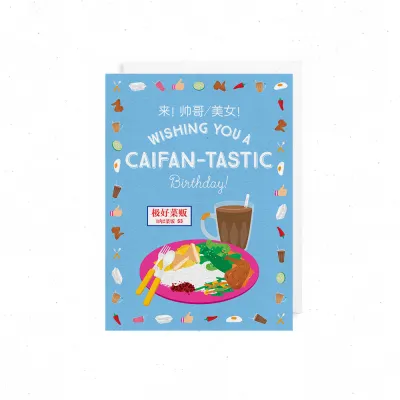
![[SG seller] 6 pcs Set Birthday Bronzing Greeting Message Card](https://img.lazcdn.com/g/p/6334419c32f7181c1646e702412c62f4.png_400x400q80.png_.webp)
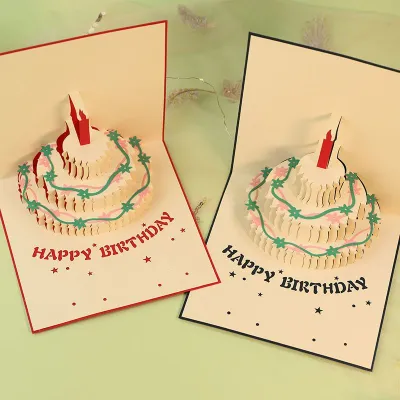
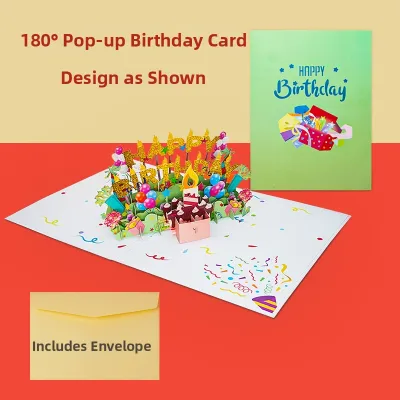
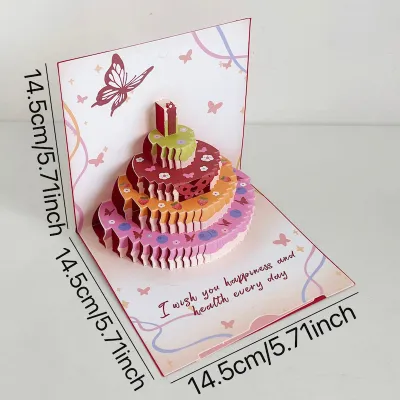
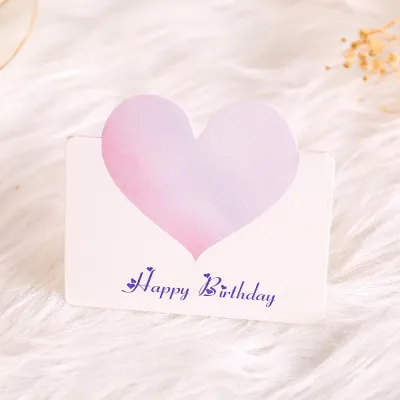
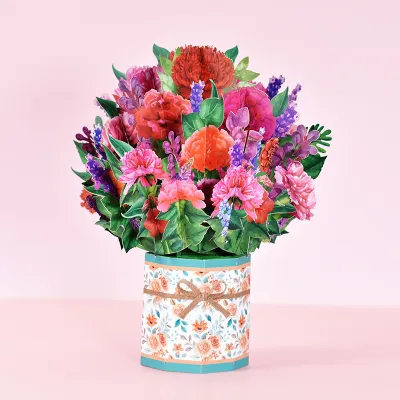
Prices are valid at publication and may change. Please refer to the product page for the latest price.
To evaluate any card brand effectively, follow this three-step decision sequence:
- Identify the Recipient's Aesthetic: Determine whether they appreciate clean modern lines, colorful hand-drawn illustrations, or complex interactive structures.
- Verify Material Specifications: Look for indicators of paper weight, texture, and print finishes that elevate the card from a simple piece of paper to a keepsake.
- Check Brand and Seller Reputation: Assess the consistency of the brand's print runs, the quality of their matching envelopes, and their commitment to sustainable production.
Aligning the physical presence of the card with the significance of your relationship ensures your gesture is well-received. A milestone birthday, such as a 21st or a 60th, calls for a heavier, textured cardstock or an intricate handcrafted design, whereas a casual acquaintance might be best suited by a clean, elegant typographic card.
How to Assess Paper Quality and Print Finishes
The tactile experience of holding a birthday card is determined entirely by its paper quality and print finishes. Before making a purchase, especially when shopping in physical boutiques where you can handle the samples, pay close attention to the weight and texture of the paper stock.

Paper Weight and Texture
Paper weight is measured in GSM (grams per square meter), which indicates the density and thickness of the cardstock. Standard office printer paper is typically around 80 GSM, which is far too flimsy for a greeting card. A durable, premium birthday card should have a minimum weight of 250 GSM, though top-tier stationery brands frequently use 300 GSM to 350 GSM cardstock. This weight ensures the card does not warp under its own weight or bend easily at the corners.
The texture of the paper also plays a critical role in both visual appeal and writing comfort:
- Matte Finishes: These offer a smooth, non-reflective surface that is highly versatile. Matte paper is exceptionally easy to write on with almost any pen type, as it absorbs ink quickly without smudging.
- Glossy Finishes: Best suited for photographic designs or highly vibrant illustrations, glossy coatings make colors pop. However, they are highly prone to fingerprint smudges and require specific quick-drying pens to write on without smearing.
- Textured Cotton or Linen: Often used by boutique letterpress brands, these papers have a tactile, slightly rough surface. They feel incredibly luxurious and organic, making them excellent for formal or high-end greetings.
Printing Techniques
High-quality printing techniques distinguish premium brands from cheap, mass-produced alternatives. Look closely at the design elements to identify the methods used. Foil stamping adds a metallic, reflective layer—usually in gold, silver, or rose gold—to specific parts of the design. Inspect the edges of the foil; they should be perfectly sharp and flush with the paper, without any flaking or peeling.
Letterpress printing physically presses the design into the paper, leaving a deep, tactile debossed impression. This technique requires thick, soft paper (usually cotton) to achieve a clean depth without puncturing the back of the card. For digital prints, examine the fine lines and color gradients. High-resolution digital printing should show no signs of pixelation, blurry edges, or muddy color transitions, even under close inspection.
Envelope Quality
An often-overlooked component of a premium birthday card is the accompanying envelope. A flimsy, transparent envelope cheapens the entire presentation. Look for envelopes made from paper that is at least 100 GSM to 120 GSM. The envelope should fit the card snugly without forcing it to bend, and the gummed seal should be reliable and even. Many premium brands also feature interior security patterns or colored liners, which prevent the card’s message from being read through the envelope when held up to the light.
Matching Design Styles to Your Recipient
Selecting the right design style is a reflection of how well you know the recipient. Different stationery brands specialize in distinct design movements, allowing you to match the card’s visual language to the recipient’s personality.
Minimalist and Typographic Designs
Minimalist cards rely on the beauty of simplicity, utilizing generous negative space, clean layouts, and elegant typography. These designs do not hide behind busy illustrations; instead, they let the quality of the paper and the precision of the print take center stage. You will often find these cards printed on heavy, uncoated cream or off-white paper, featuring a single, beautifully rendered message.
When evaluating typographic cards, look for crisp embossing or debossing, where the letters are raised or pressed into the paper. The balance of the text weight is crucial—thin, delicate serif fonts should be perfectly legible, while bold, modern sans-serif layouts should have clean, sharp edges. Minimalist designs are highly versatile, making them the ideal choice for professional acquaintances, colleagues, or anyone who appreciates a modern, understated aesthetic. They also pair beautifully with high-end, structured gifts where a loud, colorful card might clash with the packaging.
Illustrated and Humorous Themes
Illustrated cards offer a wide range of artistic expressions, from whimsical watercolors to bold, retro graphic designs. When choosing an illustrated card, color vibrancy and print clarity are paramount. Check that the colors are rich and true to life, and that fine details—such as thin pen lines or subtle watercolor washes—are captured clearly without looking washed out or muddy.
Many premium brands collaborate with independent local illustrators or license artwork from established artists. Look for artist credits on the back of the card, which is a strong indicator of an authentic, design-focused brand. If you are opting for a humorous card, ensure the tone of the joke or pop-culture reference aligns perfectly with the recipient’s sense of humor. High-quality humorous cards use clever copywriting and original artwork, avoiding the generic, cliché jokes found in mass-market discount aisles.
Handcrafted and Interactive 3D Cards
For milestone celebrations or when you want to make a lasting impression, interactive and three-dimensional cards offer a memorable experience. These include intricate pop-up structures, laser-cut wooden panels, and cards adorned with physical embellishments like ribbons, sequins, or hand-assembled paper layers.
When assessing these cards, structural integrity is your main priority. Inspect the pop-up mechanisms by gently opening and closing the card a few times; the paper hinges should move smoothly without catching, tearing, or bending out of shape. Laser-cut designs should have clean, singe-free edges without any stray paper fibers. Keep in mind that bulkier, handcrafted cards carry a risk of being crushed during transit if sent through standard mail. They are best delivered by hand or packaged inside a padded bubble mailer to protect their delicate components.
Where to Discover and Compare Card Brands in Singapore
Singapore offers a diverse retail landscape for stationery enthusiasts, ranging from physical boutiques where you can feel the paper quality to online platforms showcasing global and local designers.
Physical Retail
Visiting physical stores is the most reliable way to assess the weight, texture, and print quality of different card brands. Major stationery chains and specialty bookstores across Singapore carry curated selections of international design brands. For more unique, artisanal options, explore independent lifestyle boutiques located in creative hubs like Tiong Bahru, Haji Lane, or the downtown shopping districts. Museum gift shops, such as the shop at the National Gallery Singapore, are also excellent hunting grounds for high-quality, art-focused greeting cards that you won’t find in standard retail outlets.
Local Artisan Markets
To discover truly unique, small-batch designs while supporting local creators, keep an eye out for weekend artisan markets, craft fairs, and pop-up events held in public plazas or community spaces. These markets allow you to meet the designers in person, ask about their printing processes, and purchase limited-edition cards that feature local Singaporean themes, landmarks, or colloquial humor. The paper quality at these events is often exceptionally high, as independent creators tend to print on premium, hand-selected stocks.
Online Channels
If you prefer the convenience of online shopping, direct-to-consumer brand websites and curated online marketplaces offer an extensive variety of designs. When purchasing online, you cannot physically touch the card, making it essential to read product descriptions carefully for GSM specifications and paper types. Look for user reviews that specifically mention print accuracy, color fidelity, and whether the cards arrived in pristine condition. Additionally, verify the seller’s packaging methods—premium online stationery sellers will ship cards in rigid, bend-proof cardboard mailers to prevent damage during delivery.
Practical Tips for Purchasing and Mailing
Once you have selected a high-quality birthday card, a few practical considerations will ensure it reaches the recipient in perfect condition and aligns with your personal values.
Sizing and Postage
In Singapore, local postage rates are determined by the size, thickness, and weight of the envelope. Standard rectangular cards that fit within standard envelope dimensions (up to 240mm x 162mm x 6mm) and weigh under 20 grams qualify for standard local mail rates, which typically cost around S$0.31 to S$0.51 depending on the exact tier. However, square cards, oversized designs, or heavy 3D pop-up cards are classified as non-standard mail. These require additional postage because they cannot pass through automated sorting machines. Always check the weight and thickness of your card, and when in doubt, visit a local post office to have it weighed to avoid delivery delays or return-to-sender issues.
Sustainability
As environmental awareness grows, many premium card brands are shifting toward sustainable production methods. When shopping, look for eco-friendly credentials printed on the back of the card:
- FSC Certification: Indicates that the paper was sourced from responsibly managed forests.
- Recycled Content: Many high-end brands now use 100% post-consumer recycled paper that still maintains a premium, heavy feel.
- Soy-Based Inks: These inks are derived from soybeans, making them much easier to recycle and less harmful to the environment than traditional petroleum-based inks.
To remain eco-friendly, try to avoid cards that feature plastic glitter, metallic laminates, or plastic sound chips, as these components prevent the card from being recycled.
Purchasing Strategy
If you find yourself frequently buying cards last-minute, consider your purchasing strategy. Buying curated bulk packs of assorted birthday cards from design-focused brands offers excellent value and ensures you always have a high-quality card on hand. These packs typically feature a cohesive design aesthetic while offering a variety of colorways or illustrations. Save your single, premium card purchases for milestone birthdays or close loved ones, where you can dedicate time to finding a highly specific, personalized design that matches the significance of the relationship.
Frequently Asked Questions (FAQ)
Do I need extra postage for pop-up or heavy cardstock birthday cards?
Yes, you will often need extra postage for these cards. The local postal service in Singapore determines postage rates based on weight, thickness, and shape. Standard local mail rates only apply to rectangular envelopes that are under 6mm thick and weigh less than 20 grams. Pop-up cards, wooden cards, or those with heavy embellishments easily exceed these limits, classifying them as non-standard mail. Sending a non-standard or heavy card with a standard stamp can result in delivery delays or the recipient being asked to pay the postage shortfall. It is best to have these cards weighed at a post office counter before mailing.
How can I ensure the ink won't smudge when writing inside the card?
To prevent ink smudging, you must match your pen type to the card’s interior paper coating. Before writing your main message, perform a quick ink test on a small, inconspicuous corner of the card or on the inside flap of the envelope. If the card has a glossy or highly coated interior, avoid fountain pens, gel pens, and fine-liners, as these inks sit on top of the coating and dry very slowly; instead, use a standard ballpoint pen or a dedicated quick-dry permanent marker. If the card has an uncoated, matte, or textured cotton interior, you can safely use fountain pens, gel pens, or fine-liners, as the porous paper fibers will absorb the ink almost instantly.
Community discussion
Share your experience or ask a question. Comments are reviewed before publication.