
Gifting a Bible verse card is a deeply personal gesture that combines spiritual encouragement with the tactile beauty of physical stationery. To choose the most appropriate card, you must align the emotional tone of the scripture with the recipient’s specific life event, while ensuring the physical card itself reflects care through its design, paper quality, and writing surface. Whether you are comforting a grieving friend, celebrating a milestone, or offering a quiet word of hope, the right combination of text and material creates a lasting keepsake.
Matching Scripture and Tone to the Occasion
Selecting the right scripture requires a thoughtful assessment of the recipient’s emotional state. For encouragement during difficult seasons, such as career transitions or health challenges, focus on verses that emphasize strength, hope, and presence. Passages from the Psalms or Isaiah are excellent choices because they offer a sense of shelter and unshakeable support. Avoid verses that demand immediate cheerfulness; instead, select scriptures that acknowledge the weight of the struggle while pointing toward a reliable foundation.
Comforting someone who has experienced a loss requires extreme sensitivity. The tone of a sympathy card should be quiet, respectful, and comforting, avoiding any sense of toxic positivity. Choose verses that validate sorrow, such as those highlighting comfort in mourning or the peace that surpasses understanding. Avoid passages that try to explain away suffering or suggest that the loss is part of a simple plan, as these can feel dismissive of genuine grief. The visual design of the card should match this solemnity, utilizing muted colors, minimalist layouts, and elegant, understated typography.
Products mentioned in this guide
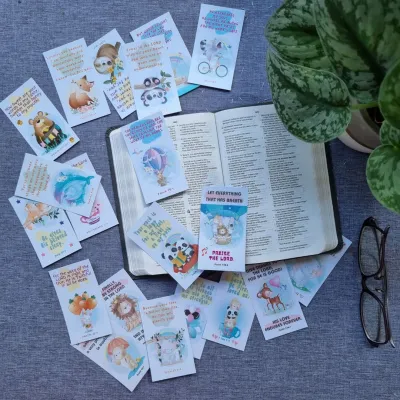
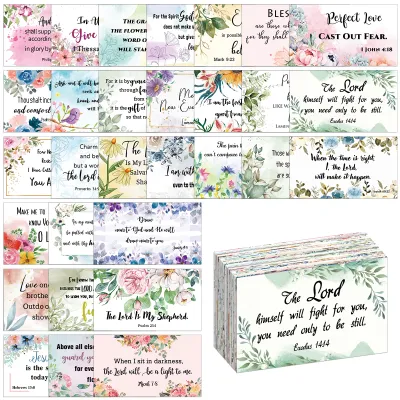
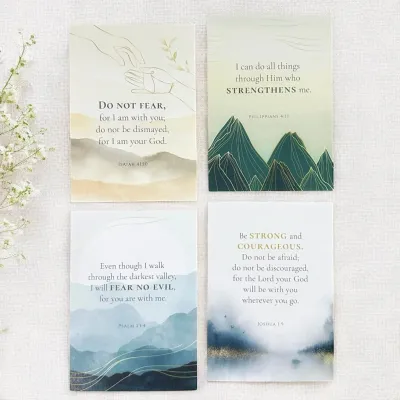
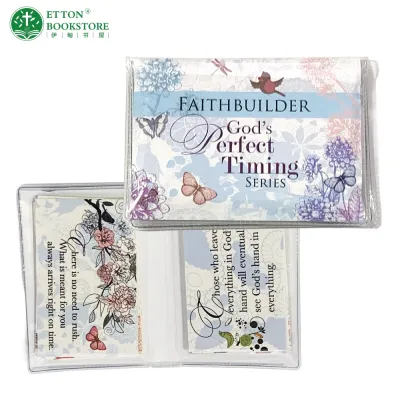
![[PLEASE READ PROD DESC] 10 PCS Different Mini Scripture Cards with Assorted Bible Verses](https://img.lazcdn.com/g/p/44633900469cd22baa8048cbcab121e2.jpg_400x400q80.jpg_.webp)

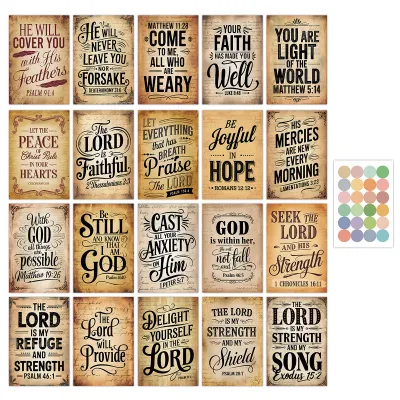
Prices are valid at publication and may change. Please refer to the product page for the latest price.
Joyful occasions like weddings, graduations, birthdays, or new beginnings call for vibrant, thankful, and blessing-oriented scriptures. Look for verses that express gratitude for God’s faithfulness, celebrate new beginnings, or invoke blessings for the future. Passages from the Epistles or the Proverbs that speak of wisdom, joy, and hope are excellent choices here. The design can be much more playful, colorful, or ornate, reflecting the shared happiness of the milestone.
Evaluating Card Design and Material Quality
The physical feel of a card communicates as much as the words printed on it. For a card intended to be kept as a keepsake, look for sturdy cardstock, ideally between 250 gsm and 350 gsm. In Singapore’s humid tropical climate, lightweight paper is highly susceptible to absorbing moisture from the air, which leads to unsightly warping, curling edges, and a limp texture over time. Textured papers, such as linen, felt, or cotton blends, add a tactile depth that elevates the card from a simple greeting to a premium gift.

The scripture text must be easily legible, especially for older recipients or those reading under soft lighting. Pay close attention to the font style; elegant serif or clean sans-serif fonts are generally easier to read than highly stylized, looping calligraphy. The typography should also match the emotional weight of the verse. A solemn verse of lament or comfort printed in a whimsical, bouncy script can feel jarring and inappropriate, whereas a celebratory verse benefits from dynamic, uplifting lettering.
A great scripture card always leaves ample blank space for a personalized, handwritten message. When evaluating the interior, check the paper finish. Uncoated, matte surfaces are ideal for writing because they allow ink to dry quickly without smudging. If you plan to write with a fountain pen or a heavy gel pen, test the paper’s bleed resistance and feathering. Highly absorbent papers can cause ink to spread (feathering) or bleed through to the back of the card, while glossy finishes can cause ink to pool and smudge easily. Opt for a smooth, high-density matte cardstock to ensure your handwritten prayers or notes remain crisp and legible.
Sourcing and Personalizing Bible Verse Cards
Finding the perfect card involves knowing where to look. In Singapore, specialty stationery boutiques and local Christian bookstores offer curated selections of scripture cards that feature modern designs and high-quality paper. If you prefer a wider variety of independent designs, online marketplaces and ecommerce platforms provide access to global and local creators who specialize in hand-lettered or minimalist scripture stationery. When shopping online, always check customer reviews regarding paper thickness and print clarity to ensure the physical product matches the digital listing.
If you cannot find a card with the exact scripture translation or design you want, creating your own is a highly rewarding alternative. Purchase high-quality blank cardstock and matching envelopes from a local stationery supplier. You can print your chosen verse using a home inkjet or laser printer, ensuring the paper weight is compatible with your printer’s feed tray to avoid jams. Alternatively, if you practice calligraphy, hand-writing the verse on a blank card adds an unmatched level of personal care and craftsmanship that the recipient will treasure.
The printed verse on the card serves as the foundation, but your personal message builds the bridge to the recipient’s heart. When writing your note, connect the scripture directly to their current situation. Mention a specific quality you admire in them, share a brief memory, or write out a personalized prayer incorporating the themes of the chosen verse. This extra effort transforms a beautiful piece of stationery into a deeply meaningful tool of encouragement and connection.
Common Mistakes to Avoid When Gifting Scripture Cards
One of the most common pitfalls in gifting scripture cards is choosing verses that offer easy answers to complex pain. For someone dealing with chronic illness, deep depression, or sudden tragedy, verses that command them to “not be anxious” or to “rejoice always” can feel incredibly dismissive and alienating. Instead, opt for verses that sit with them in their pain, emphasizing comfort, endurance, and God’s quiet presence.
Bible translations carry distinct tones and are often tied to specific church traditions or personal study habits. A recipient who grew up reading the classic, poetic language of the King James Version (KJV) might find a highly modern, colloquial translation less resonant. Conversely, someone who prefers modern, precise translations like the English Standard Version (ESV) or New International Version (NIV) might struggle to connect with archaic phrasing. If you are unsure of their preference, choosing a widely accepted, clear modern translation is usually the safest and most effective approach.
The envelope is the first thing the recipient sees and touches, yet it is often treated as an afterthought. Ensure the envelope’s paper weight is substantial enough (at least 100 gsm) to protect the card and keep your personal message private. A flimsy, see-through envelope cheapens the presentation and risks tearing during transit or handling. Additionally, make sure the envelope fits the card perfectly; a card that slides around too much or must be forced into a tight envelope can easily get damaged.
Frequently Asked Questions (FAQ)
Is it appropriate to give a Bible verse card to someone of a different faith?
Giving a Bible verse card to someone of a different faith requires careful consideration of your relationship and their comfort level. If you have a close, supportive relationship where sharing personal beliefs is normal, they may appreciate the gesture as a sincere expression of your care. However, if you do not know their beliefs well, it is often best to choose cards with universally comforting themes like peace, hope, love, or strength, or to opt for a high-quality non-religious card with a warm, handwritten message of support.
How do I choose the right Bible translation for a greeting card?
To choose the right translation, consider the recipient’s background and the card’s overall design. For a traditional, formal, or highly aesthetic card, classic translations like the KJV or NKJV offer a poetic, familiar rhythm. For everyday encouragement, clarity, and modern readability, translations like the NIV, ESV, or NLT (New Living Translation) are excellent choices. If you are writing to someone who is new to the faith or prefers straightforward language, modern translations ensure the message is easily understood and deeply felt.
Community discussion
Share your experience or ask a question. Comments are reviewed before publication.