
Selecting the perfect Singapore food keychain as a souvenir involves balancing cultural authenticity, material durability, and the personal tastes of your recipients. A miniature replica of a beloved local dish serves as a tangible memory of Singapore’s vibrant hawker culture, making it a highly cherished keepsake. To find a piece that truly captures this spirit, you must look beyond generic mass-produced trinkets and focus on detailed, locally designed representations of iconic culinary staples.
Identifying Iconic Local Food Designs
Singapore’s culinary heritage is celebrated worldwide, and the most authentic souvenirs reflect this rich history. When browsing for keychains, look for designs that represent iconic local dishes such as chili crab, durian, laksa, and kaya toast. Chili crab, with its sweet and savory chili-tomato sauce, represents Singapore’s coastal dining history, while durian represents the bold and unique tropical flavors of Southeast Asia. Kaya toast, served alongside soft-boiled eggs and local coffee, captures the essence of a traditional Singaporean breakfast. Choosing keychains that depict these specific dishes ensures your gift carries genuine cultural significance.
Visual accuracy and proportion are critical when evaluating miniature food replicas. High-quality keychains feature meticulous details that make the food look incredibly realistic, even at a fraction of its actual size. For instance, a well-crafted kaya toast keychain should show the distinct layers of thick-cut butter and green pandan kaya sandwiched between toasted brown bread. A miniature bowl of laksa should display tiny, recognizable elements like cockles, prawns, and a sprinkle of laksa leaves on top of the orange broth. These small details elevate the keychain from a simple toy to a piece of miniature art.
Products mentioned in this guide
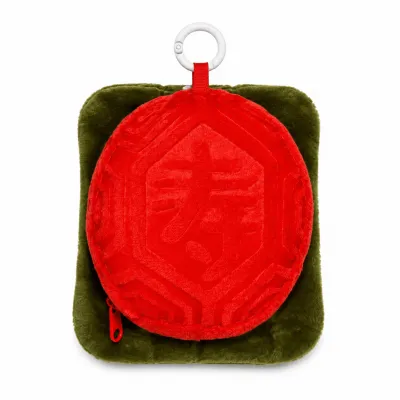
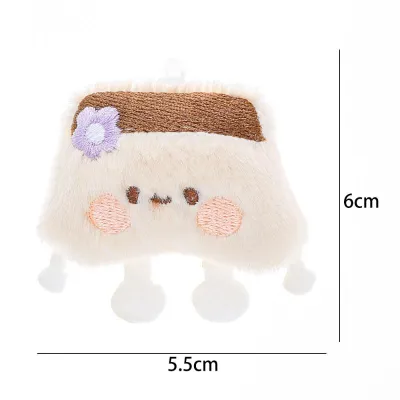
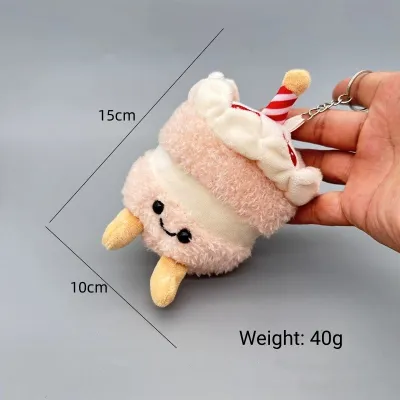
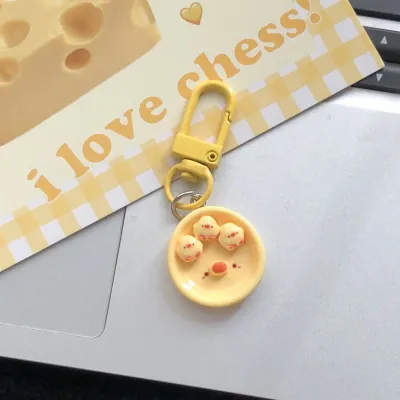
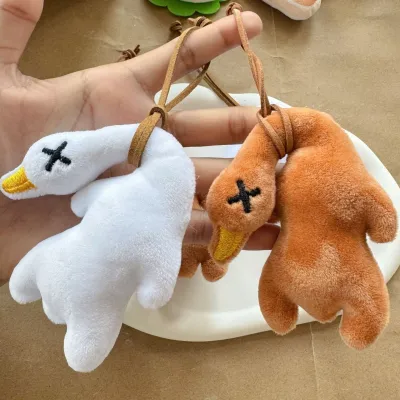
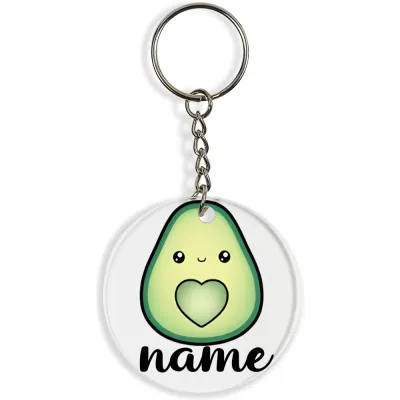
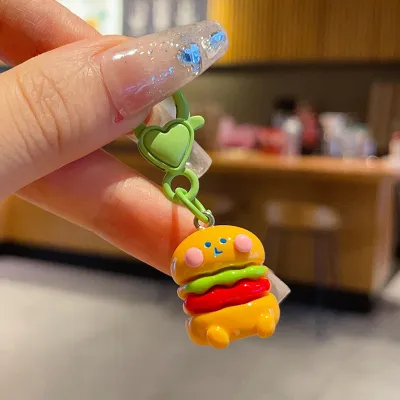
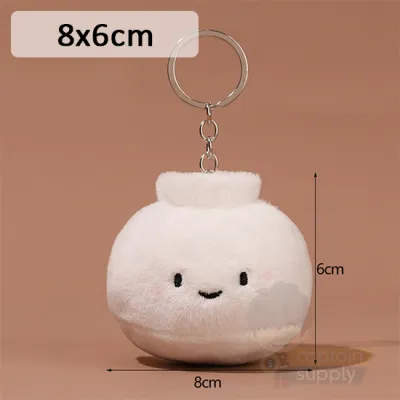
Prices are valid at publication and may change. Please refer to the product page for the latest price.
To ensure your souvenir feels authentic, you must distinguish between generic food shapes and uniquely local culinary symbols. A generic bowl of noodles could represent almost any cuisine, but a Singapore-authentic laksa keychain often features the iconic blue-and-white rooster bowl or a specific claypot design. Similarly, look for keychains that replicate traditional packaging, such as a miniature paper-wrapped pyramid of nasi lemak or a classic white-and-blue paper bag from a traditional bakery. These subtle design choices connect the souvenir directly to the daily lives and traditions of Singaporeans.
Evaluating Material Quality and Durability
To ensure your food-shaped keychains last as long-term keepsakes, you must carefully assess their material composition. Hard enamel keychains offer a premium, smooth finish with vibrant colors outlined by polished metal borders, making them highly resistant to scratches and daily wear. Acrylic keychains, particularly those with double-sided printing sandwiched between two protective acrylic layers, are lightweight and allow for incredibly detailed, photographic prints of local dishes. However, acrylic is more prone to surface scratching over time if carried in a pocket with metal keys.

Soft PVC and food-grade silicone keychains provide a flexible, rubbery texture that is highly tactile and virtually unbreakable. These materials are excellent for bulky 3D designs, such as a spiky durian or a soft, squishy steamed bun, as they can absorb impacts without cracking. Solid metal keychains, often made of zinc alloy, offer a satisfying weight and a classic, timeless feel. While metal is highly durable, its longevity depends heavily on the quality of the applied paint or plating, which can tarnish if exposed to moisture.
Before purchasing, examine the attachment hardware connecting the decorative charm to the keyring. The jump ring—the small metal loop linking the charm to the main chain—is a common failure point on lower-quality souvenirs. Look for keychains that use sturdy, thick jump rings or soldered rings that cannot easily bend open under tension. A high-quality lobster clasp or a flat, heavy-duty split ring ensures the keychain remains securely attached to bags, lanyards, or car keys without the risk of accidental loss.
Paint quality and color fastness are also essential indicators of a durable keychain. Inspect the surface of the keychain for any uneven paint application, bubbles, or peeling edges. For printed designs, check if there is a protective clear epoxy dome or a scratch-resistant topcoat over the artwork. This protective layer prevents the design from fading, chipping, or peeling when subjected to the friction of daily use inside pockets and bags.
Where to Find Authentic Souvenir Keychains
To find truly authentic, locally designed keychains, bypass generic tourist stalls and head to curated retail spaces. Museum gift shops, such as those at the National Museum of Singapore or the National Gallery Singapore, frequently stock exclusive collaborations with local designers. Cultural enclaves like Chinatown, Kampong Glam, and Katong also host independent boutiques and lifestyle stores that showcase Singaporean craftsmanship. These locations prioritize unique, high-quality items that celebrate local culture.
Visiting weekend creative markets, design pop-ups, or local maker fairs is an excellent way to purchase directly from independent artists. These venues offer unique, small-batch keychains that you won’t find in standard souvenir shops, often featuring highly creative interpretations of local food culture, such as hand-painted clay miniatures or custom-designed acrylic charms. Supporting these markets ensures your souvenir is both unique and supportive of the local creative community.
If you prefer to shop online, explore local ecommerce platforms and independent artist storefronts. When browsing these sites, verify the seller’s credentials by reading customer reviews and checking their product descriptions for mentions of local design studios. Be cautious of listings that use generic stock photos, and instead look for shops that display original photography and detailed specifications of their materials. Reading feedback from previous buyers can help you gauge the actual quality and durability of the keychains.
Authentic local souvenirs often come with distinct packaging that tells a story. Look for backing cards that feature the artist’s signature, social media handles, or a brief description of the culinary inspiration behind the design. Independent Singaporean brands take pride in their heritage, so clear branding, professional packaging, and a transparent design origin are reliable indicators of an authentic product rather than a mass-imported replica.
Matching Keychains to Different Recipient Profiles
For friends, younger recipients, or adventurous food lovers, opt for bold, humorous, or highly tactile designs. A 3D spiky durian keychain, a miniature bowl of spicy frog porridge, or a cartoonish chili crab with movable claws makes for a fun, conversation-starting gift. These playful designs stand out on backpacks and school bags, reflecting a lively and adventurous spirit. They serve as a fun reminder of the unique culinary adventures experienced in Singapore.
For colleagues, older relatives, or those with a minimalist aesthetic, choose subtle, nostalgic, or classic designs. A beautifully crafted enamel pin or keychain depicting a traditional kueh tutu, a colorful ang ku kueh, or a classic kopitiam cup and saucer evokes a sense of warm nostalgia. These designs are elegant enough for professional settings, adding a touch of personality to office lanyards or house keys without being overly loud or distracting.
Consider how the recipient is likely to use the keychain when making your selection. A flat, lightweight acrylic or enamel keychain is highly practical for daily use, fitting easily into pockets or small pouches without adding unnecessary bulk. Conversely, a larger, highly detailed 3D PVC replica is better suited as a decorative bag charm or a statement piece on a backpack, where its visual details can be fully appreciated without causing physical inconvenience.
Caring for and Maintaining Your Keychains
To keep your food keychains looking vibrant, use cleaning methods tailored to their specific materials. For enamel and metal keychains, a gentle wipe with a dry or slightly damp microfiber cloth is usually sufficient to remove fingerprints and oils. Soft PVC and silicone keychains can be washed with lukewarm water and a drop of mild dish soap to remove accumulated dirt, but ensure they are dried completely with a soft towel to prevent water spots or rust on the metal components.
Singapore’s hot and humid climate can accelerate the degradation of certain materials, particularly cheap adhesives and low-grade metals. Avoid leaving your keychains in direct, intense sunlight for extended periods, as UV rays can fade printed acrylic designs and yellow clear epoxy coatings. To minimize physical wear, try to keep your keychains away from sharp objects like loose coins or keys that can scratch delicate surfaces.
Regularly inspect the connection points of your keychain to ensure the charm remains secure. Check the jump rings for any gaps that may have formed from daily pulling, and use a pair of small pliers to gently close them if necessary. If a clasp or ring feels loose or shows signs of metal fatigue, consider replacing it with a high-quality stainless steel split ring to safeguard your cherished souvenir from accidental loss.
Frequently Asked Questions (FAQ)
Are food-themed keychains allowed in carry-on luggage?
Yes, food-themed keychains made of standard materials like metal, acrylic, plastic, or silicone are fully permitted in carry-on luggage under international aviation security guidelines. However, if your keychain features highly realistic, sharp, or spiky elements—such as a detailed 3D durian keychain with sharp plastic spikes—it is wise to pack it securely inside a protective pouch to prevent it from snagging on other items or raising questions during security screening. To avoid any potential delays or damage to delicate miniature details, you can also wrap the keychains in soft tissue paper and place them in your checked baggage.
How can I tell if a keychain is locally made rather than imported?
Telling a locally designed keychain apart from a mass-produced import requires looking closely at the design details, packaging, and branding. Mass-imported keychains often feature generic food shapes with minor color variations and lack the specific cultural nuances of Singaporean dishes, such as the exact texture of a kaya toast slice or the correct shape of a traditional kueh. Authentic local souvenirs typically feature professional packaging with the name of the local design studio, an artist biography, or a story about the dish’s heritage. Additionally, purchasing directly from reputable local boutiques, museum shops, or verified independent creators online ensures that your souvenir is a genuine piece of Singaporean design.

Community discussion
Share your experience or ask a question. Comments are reviewed before publication.