
Selecting a musical birthday card in Singapore is an excellent way to add a sensory, memorable touch to a loved one’s special day. Unlike standard paper greetings, a musical card combines visual design with auditory delight, creating an immediate sense of celebration the moment the envelope is opened. However, finding a card that delivers clear sound, robust paper construction, and reliable operation requires a bit of careful evaluation. In Singapore’s humid climate, paper quality and electronic components demand extra attention to ensure the card remains in pristine condition from the store shelf to the recipient’s hands. By understanding the key elements of sound engineering, structural design, and local mailing requirements, you can confidently choose a card that serves as both a beautiful message and a cherished keepsake.
What Defines a High-Quality Musical Birthday Card
To ensure your musical card makes the best possible impression, it is essential to evaluate its core components before making a purchase. A high-quality card is defined by a harmonious balance of clear audio reproduction, sturdy structural engineering, and refined aesthetic design.
Sound Module Quality and Audio Clarity The heart of any musical card is its electronic sound module, which consists of a microchip, a miniature speaker, a power source, and a trigger switch. When testing a card, listen closely to the audio output. High-quality modules produce clear, recognizable melodies or voices without underlying static, crackling, or distortion. The volume should be balanced—loud enough to be easily heard in a typical room, but not so piercing that it becomes disruptive or embarrassing in a public setting. Avoid cards that sound tinny or muffled, as this often indicates a low-grade speaker or a dying battery. If you are shopping in a physical store, open the card multiple times to ensure the playback starts instantly and plays at a consistent speed without stuttering.
Products mentioned in this guide
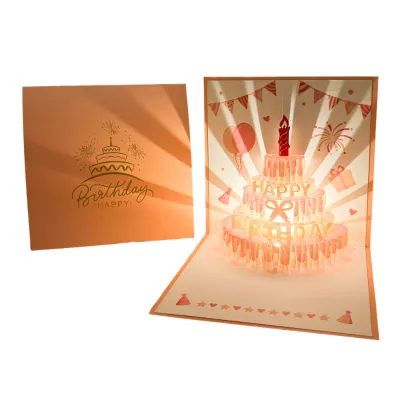
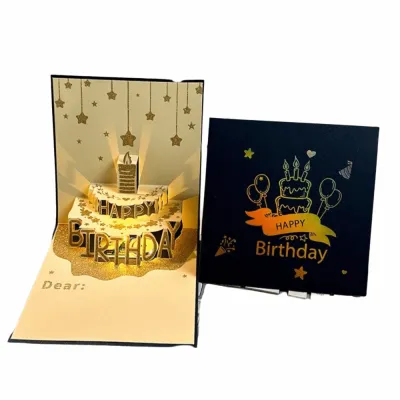
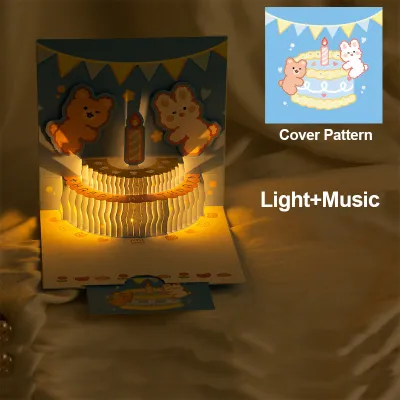
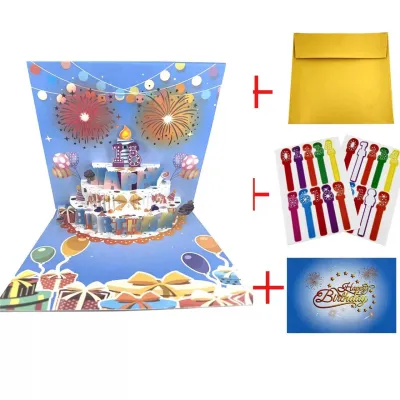
Prices are valid at publication and may change. Please refer to the product page for the latest price.
Paper Weight and Structural Integrity Because musical cards house electronic components, they require much heavier paper stock than standard greeting cards. Look for cards constructed from premium cardstock, ideally with a weight of 300 gsm (grams per square meter) or higher. This thickness provides the necessary rigidity to support the weight of the speaker and battery without sagging, bending, or warping. Pay close attention to the hinge or fold where the card opens. The paper around this area must be durable, as it frequently houses the slide switch that triggers the audio. A weak hinge can tear or crease easily, leading to mechanical failure. Additionally, check that the compartment housing the electronics is neatly sealed and does not create unsightly bulges on the exterior of the card.
Design, Printing, and Aesthetic Finishes A musical card should be as visually appealing as it is pleasing to the ear. High-quality cards feature crisp, high-resolution printing with vibrant colors and sharp text. Look for premium embellishments such as foil stamping, embossing, debossing, or glitter accents that add texture and visual depth. The design should feel cohesive, with the musical track directly complementing the visual theme. For example, a whimsical illustration of a jazz band pairs perfectly with a swing-style birthday tune, while an elegant floral design suits a soft, classical melody. The interior layout should also leave ample blank space for your personal handwritten message, positioned away from the electronic components so your pen does not puncture the internal wiring.
Popular Styles of Musical Birthday Cards to Consider
Musical birthday cards come in several distinct styles, each offering a unique way to deliver your well-wishes. Choosing the right style depends on the recipient’s personality and the type of experience you want to create.

Pre-Recorded Melody Cards Pre-recorded cards are the most traditional and widely available option. These cards feature a pre-programmed audio track that plays automatically when the card is opened. The song selection ranges from classic instrumental renditions of “Happy Birthday” to licensed pop hits, movie themes, and humorous sound effects. Because the audio is programmed during manufacturing, these cards are highly reliable and simple to use. They are an excellent choice for recipients of all ages who appreciate classic traditions or lighthearted humor. When selecting a pre-recorded card, consider the recipient’s musical tastes—a classical piano arrangement offers a sophisticated touch, while a rock-and-roll version adds a playful, energetic vibe.
Recordable Voice Cards For a deeply personal touch, recordable voice cards allow you to record your own spoken message, song, or group greeting. These cards feature a small, built-in microphone and a recording button, typically hidden behind a protective tab. You simply press and hold the button to record your message, which can usually range from 10 to 30 seconds in length. This style is incredibly meaningful for long-distance relationships, family members living abroad, or group gifts where multiple people want to shout “Happy Birthday!” together. Before gifting, always play back your recording to check for clarity, background noise, and volume. Many recordable cards allow you to re-record multiple times until you are satisfied with the result, locking the final recording in place once you are finished.
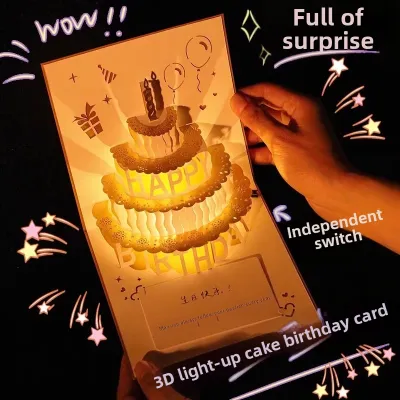
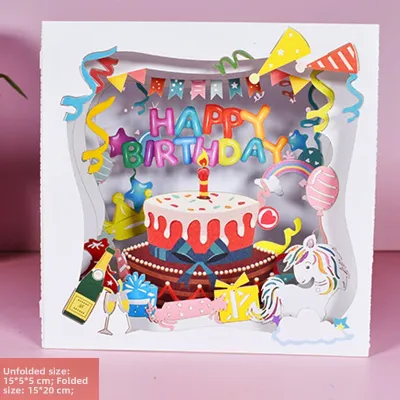
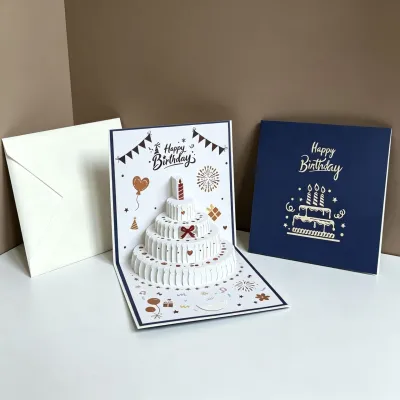
3D Pop-Up Musical Cards Combining intricate paper engineering with light and sound, 3D pop-up musical cards represent the premium tier of greeting cards. When opened, these cards unfold into elaborate three-dimensional structures, such as a multi-tiered birthday cake, a bouquet of flowers, or a festive party scene. Many of these designs also incorporate synchronized LED lights that flash in time with the music, creating a miniature theatrical performance. Because of their complexity, these cards are often kept as display pieces long after the birthday has passed. They are perfect for milestone birthdays or for recipients who appreciate craftsmanship and visual surprises. Keep in mind that these cards are significantly thicker and heavier than standard cards, requiring extra care when handling and mailing.
Where to Shop for Musical Birthday Cards in Singapore
Finding the right place to purchase your musical card in Singapore depends on whether you prefer to inspect the card in person or enjoy the convenience of browsing a wider selection online.
Physical Stationery and Specialty Gift Stores Shopping at physical retail stores in Singapore is highly recommended for musical cards, as it allows you to test the sound quality and inspect the paper thickness firsthand. Major bookstore chains, specialty stationery boutiques, and lifestyle gift shops located in prominent shopping malls across Singapore carry a curated selection of musical cards. Visiting these stores allows you to open the cards, listen to the audio clarity, and feel the weight of the cardstock. This is particularly useful if you are on a tight schedule and need a card immediately, as it eliminates shipping wait times and the risk of transit damage. Look for stores that specialize in imported stationery or premium paper goods for the best selection of unique designs.
Local E-Commerce Platforms and Online Marketplaces If you prefer a wider variety of designs or are looking for specific themes, local e-commerce platforms and online marketplaces offer an extensive selection. When shopping online, it is crucial to read customer reviews carefully, paying close attention to feedback regarding sound quality, battery life, and packaging. Look for verified sellers who package their cards in rigid cardboard mailers to prevent bending or accidental activation of the sound module during transit. Be mindful of delivery timelines, especially if the card is shipping from an overseas warehouse; ordering at least one to two weeks in advance of the birthday is advisable to ensure it arrives on time.
Direct from Brand Websites and Specialty Online Retailers For exclusive, high-end designs and guaranteed quality control, purchasing directly from established greeting card brands or specialty online stationery retailers is an excellent option. Many international and regional brands offer direct shipping to Singapore. While shipping fees may be higher, buying directly from the source ensures you receive authentic products with fresh batteries and pristine paper quality. These websites often feature detailed video or audio previews of each card, allowing you to hear the exact melody and see the 3D pop-up mechanisms in action before making your purchase. This is a great route if you want to send a truly premium, stand-out card for a milestone celebration.
Pre-Gifting Inspection and Mailing Checklist
Before you hand over or mail your musical birthday card, performing a quick quality check ensures the recipient experiences the card exactly as intended without any technical hiccups.
Battery and Switch Verification Most musical cards come with a small plastic pull-tab inserted into the battery compartment to prevent the circuit from connecting during shipping and storage. Gently remove this tab to activate the card, then open and close it several times to verify that the sound plays smoothly from start to finish. Locate the trigger mechanism—whether it is a slide tongue in the hinge or a light-sensitive sensor on the inside face—and ensure it aligns perfectly when the card is closed so the music stops immediately. If the card has a recordable function, test the playback to ensure your message did not get cut off. If the sound is weak or distorted, it may indicate a drained battery that needs to be replaced before gifting.
Packaging and Mailing Considerations If you plan to mail the card within Singapore or overseas, you must account for the card’s thickness and weight. Singapore’s postal service, SingPost, has strict dimensions and weight limits for standard mail. Because musical cards contain batteries and speakers, they are typically thicker than the 6mm limit for standard letters, classifying them as non-standard mail or packages which require additional postage. To protect the electronic components from being crushed or accidentally triggered in transit, wrap the card in a layer of bubble wrap or place it inside a rigid, padded envelope. Writing “Do Not Bend” clearly on the exterior of the envelope can also help ensure postal handlers treat the package with care.
Volume and Privacy Checks Consider the environment where the recipient will open the card. If you are presenting the card in a quiet office, a crowded restaurant, or a formal setting, a very loud musical card might cause temporary embarrassment. Test the volume beforehand; if it is exceptionally loud, you might want to warn the recipient or suggest they open it in a more private space. For recordable cards containing personal or sentimental messages, a moderate volume level is ideal to maintain privacy. Ensuring the sound level is appropriate for the setting helps make the gifting moment comfortable and enjoyable for everyone involved.
Frequently Asked Questions (FAQ)
Can I replace the battery in a musical birthday card?
Whether you can replace the battery depends entirely on the card’s design. Many standard musical cards are completely sealed, meaning the battery is permanently encased within the paper layers and cannot be replaced without tearing the card apart. However, premium 3D pop-up cards and recordable cards often feature a small, accessible battery compartment on the back or inside cover, secured by a tiny screw or a slide-out tray. These compartments typically hold small button cell batteries, such as LR1130, LR44, or CR2032 models. To replace them, use a precision screwdriver to open the compartment, swap the old batteries for fresh ones of the exact same model, and secure the cover tightly. Always keep button cell batteries out of reach of young children and pets, and dispose of the old batteries responsibly at designated electronic waste recycling points in Singapore.
How do I stop a musical card from playing continuously?
If a musical card fails to stop playing when closed, the issue is usually a misaligned trigger mechanism. For cards that use a slide tongue switch in the hinge, check if the paper tab has bent, creased, or slipped out of its guide slot; gently smoothing out the paper and realigning the tab often resolves the issue. For cards that use a light sensor (a tiny black dot on the inside of the card), the sensor triggers sound when exposed to light and stops when covered. If the card is not closing tightly enough to block out light, or if the paper is slightly translucent, the music may continue to play. Store the card in its envelope or place a heavy book on top of it to ensure complete darkness. If the mechanism is completely broken and the sound will not stop, you can carefully locate the battery compartment and remove the batteries, or insert a thin piece of plastic or stiff paper back into the switch slot to break the electrical connection.

Community discussion
Share your experience or ask a question. Comments are reviewed before publication.