
Choosing the right cotton yarn for crochet projects in Singapore requires a careful balance of fiber structure, weight, and local environmental suitability. Because Singapore’s tropical climate demands breathable, lightweight, and washable textiles, cotton is the premier choice for local crafters. To find the best cotton yarn, you must evaluate the yarn’s twist tightness, ply structure, and whether it is mercerized or unmercerized, rather than relying solely on brand names. Sourcing these yarns involves verifying the storage conditions of local boutique shops or purchasing from authorized online distributors to ensure the fibers have not been compromised by high humidity.
By understanding how cotton behaves under a crochet hook and how it responds to local wear and washing, you can select the perfect skein for everything from structured amigurumi to breezy summer garments. This guide provides the technical standards and practical verification steps needed to make an informed purchase.
Core Selection Criteria for Crochet Cotton Yarn
Before purchasing cotton yarn, you must establish clear standards based on your specific project goals. Crochet stitches are inherently denser and less flexible than knit stitches, which means the structural characteristics of the yarn will be highly visible in your finished piece. Evaluating these criteria beforehand prevents common frustrations like splitting, uneven tension, and poor drape.
Products mentioned in this guide
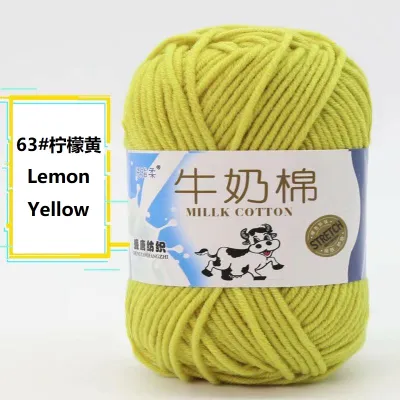
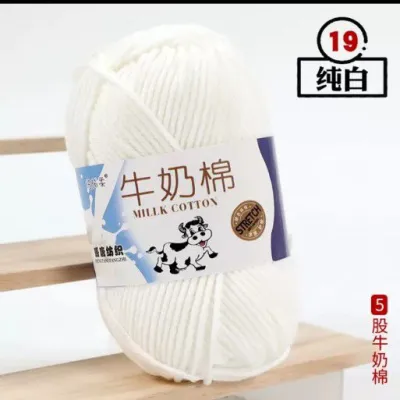
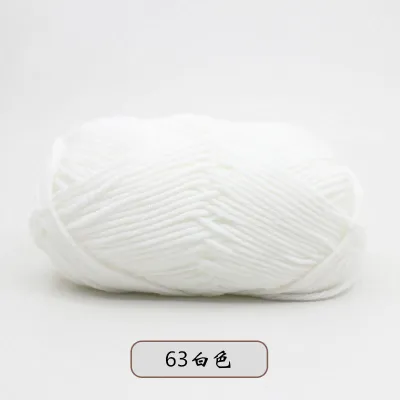
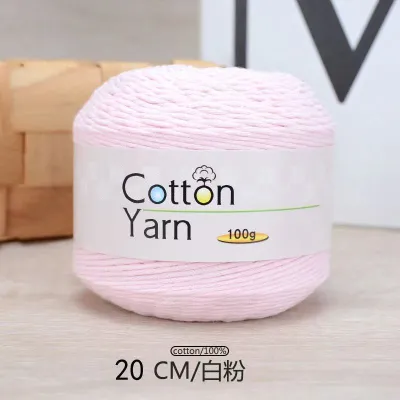
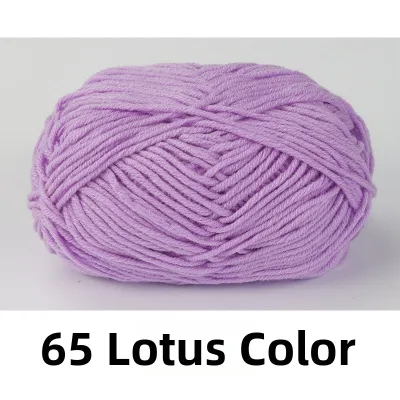
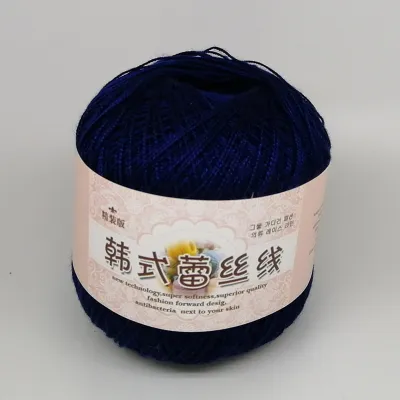
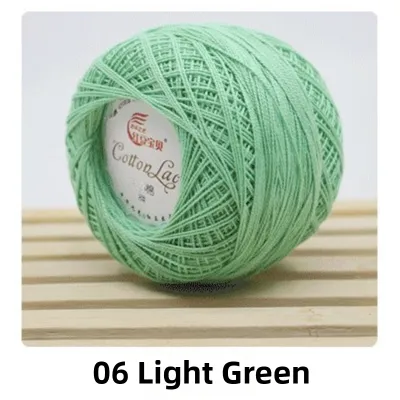
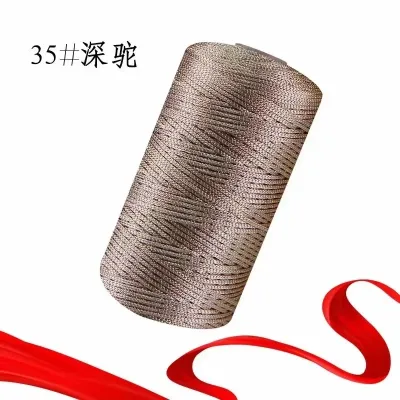
Prices are valid at publication and may change. Please refer to the product page for the latest price.
Twist and Ply Structure
The ply of a yarn refers to the number of individual strands spun together to form the main thread. For crochet, a multi-ply yarn (such as a 4-ply, 8-ply, or cable-laid structure) is highly recommended. The twist tightness—how firmly those plies are spun together—determines how well the yarn holds its shape. A loose twist is prone to splitting when the crochet hook passes through the loops, which disrupts your rhythm and ruins stitch definition. Look for a firm, visible twist that keeps the individual plies locked together under tension.
Mercerized versus Unmercerized Cotton
Mercerization is a chemical treatment that swells the cotton fibers, altering their cross-section from a flat ribbon shape to a rounded cylinder. This process permanently changes how the yarn behaves and looks:
- Mercerized Cotton: This variety features a high luster, intense color saturation, and exceptional strength. It has very little stretch and excellent stitch definition, making it ideal for structured items like market bags, coasters, home decor, and amigurumi. It also resists mildew and stretching over time.
- Unmercerized Cotton: This type retains its natural matte finish, soft texture, and high absorbency. It is significantly more pliable and comfortable against the skin, making it the preferred choice for summer garments, baby blankets, washcloths, and face pads. However, it may shrink slightly more during its first wash.
Essential Label Checks
Always inspect the yarn label carefully before committing to a purchase. Verify the fiber purity; 100% cotton offers the classic drape and breathability, while cotton-acrylic or cotton-bamboo blends can introduce extra softness and elasticity. Check the yardage-to-weight ratio to ensure you have enough length for your pattern, and always match the dye lot numbers printed on the sleeves. Even minor variations in dye lots can create highly visible horizontal bands of slightly different shades across your finished crochet fabric.
Key Performance Traits to Evaluate in Cotton Yarn
To ensure your chosen cotton yarn performs well during the crocheting process and stands up to daily use, you should physically evaluate several key performance traits. If you are shopping in person, these traits can be verified with quick tactile tests.

Twist Tightness and Ply Integrity
To check for yarn splitting, pull a short length of yarn from the skein and roll it gently between your thumb and forefinger in the opposite direction of its twist. If the plies separate immediately and expose a fluffy, unspun core, the yarn is highly likely to split during complex crochet stitches like puff stitches, cables, or rapid double crochets. Additionally, observe the yarn for “halo” or loose surface fuzz. A high-quality crochet cotton should have a clean, smooth profile with minimal halo, ensuring your stitches remain crisp and clearly defined.
Furthermore, pay attention to the twist direction. Most commercial yarns are spun with a Z-twist (where the plies spiral upward to the right) or an S-twist (spiraling upward to the left). Because the natural wrapping motion of a right-handed crocheter tends to untwist S-twist yarns, choosing a Z-twist yarn can significantly reduce splitting issues and improve your overall stitching speed.
Softness versus Durability
Different crochet projects require different levels of structural integrity. For amigurumi (crocheted stuffed toys), durability and stiffness are paramount. You need a sturdy, low-stretch yarn that can be worked at a tight gauge to prevent the polyester stuffing from showing through the stitches. For garments like summer tops or shawls, drape and softness are essential.
To evaluate this, perform a simple skin-contact test. Press the skein firmly against the sensitive skin of your inner wrist or neck. If the fibers feel scratchy or stiff, the yarn is better suited for utilitarian items like bags or home accessories rather than wearable garments. For clothing, look for combed cotton or organic cotton blends, which undergo extra processing to remove short, coarse fibers.
Colorfastness and Bleeding Risks
Cotton fibers, particularly when dyed in deep, saturated colors like crimson, navy, or forest green, are prone to color bleeding when washed. This is a critical risk if you are planning a multi-color project, such as a white blanket with bright red borders.
To verify colorfastness before starting your project, perform a simple wet-contact test. Snip a 10-centimeter sample of the colored yarn, saturate it with warm water, and press it firmly between two clean, white cotton pads or paper towels for 30 seconds. If any dye transfers to the white surface, the yarn is not colorfast. You will need to wash the finished item separately in cold water, use a color-trapping sheet, or pre-wash the skeins in a vinegar-and-water bath to help set the dye before crocheting.
Matching Yarn Weights and Hook Sizes to Crochet Projects
Because cotton lacks the natural elasticity of wool, achieving the correct gauge is critical. Cotton will not stretch to fit or bounce back into shape once stretched, meaning your initial hook selection and tension will permanently dictate the size and drape of the finished item.
Standard Yarn Weight Categories for Cotton
Selecting the correct yarn weight ensures your project matches the intended design and functions well in Singapore’s warm climate. The table below outlines the standard yarn weights, recommended hook sizes, and typical applications for cotton crochet:
| Yarn Weight Category | Standard Ply Equivalent | Recommended Crochet Hook Size | Ideal Singapore Crochet Projects |
|---|---|---|---|
| Lace (Category 0) | 2-ply / Thread | 0.6 mm – 1.5 mm | Micro-crochet jewelry, delicate lace doilies, bookmarks |
| Super Fine (Category 1) | 3-ply / Fingering | 2.25 mm – 3.25 mm | Lightweight summer shawls, breathable crop tops, bralettes |
| Fine (Category 2) | 4-ply / Sport | 3.25 mm – 3.75 mm | Baby garments, lightweight amigurumi, summer coasters |
| Light (Category 3) | 8-ply / DK | 3.75 mm – 4.5 mm | Everyday tote bags, soft plushies, lightweight cardigans |
| Medium (Category 4) | 10-ply / Worsted | 4.5 mm – 5.5 mm | Structured market bags, durable kitchen dishcloths, potholders |
Reading Labels and Adjusting for Tension
While yarn labels provide a recommended hook size, this is merely a starting point. Your personal crochet tension—whether you naturally wrap your yarn tightly or loosely—plays a massive role in the final fabric.
If you tend to crochet tightly, using the recommended hook size with cotton can result in a stiff, board-like fabric. In this case, try sizing up your hook by 0.5 mm to introduce more air and movement into the stitches. Conversely, if your stitches are loose, size down your hook to prevent your work from looking sloppy or losing its shape over time.
Managing Cotton's Lack of Elasticity
Because cotton fibers do not stretch, crocheting with them can sometimes tire your hands more quickly than working with wool or acrylic. To mitigate this, use ergonomic crochet hooks with soft, padded grips.
Additionally, always crochet a 10-centimeter square gauge swatch before starting a major garment. Wash and dry the swatch exactly as you plan to care for the finished item, then measure it. This step is non-negotiable with cotton, as the weight of the wet cotton can cause garments to grow in length, while unmercerized cotton may shrink in width. Adjust your hook size based on the washed swatch to ensure your garment fits perfectly.
Sourcing and Verifying Cotton Yarn Brands in Singapore
Finding high-quality cotton yarn in Singapore requires knowing where to shop and how to verify that the yarn has been stored correctly. Singapore’s high relative humidity can degrade natural fibers if they are not handled properly.
Navigating Local Brick-and-Mortar Shops
Visiting a physical yarn boutique or craft store in Singapore is the best way to evaluate yarn before making a financial commitment. Local shops in areas like Chinatown, central shopping districts, or independent neighborhood craft studios allow you to touch the fibers directly.
When shopping in person, inspect the display shelves. Yarn should be stored away from direct sunlight, which can fade colors unevenly. Gently squeeze the skeins to check for softness and inspect the twist. If you are planning a large project, physical stores make it easy to visually compare dye lot numbers on the spot to ensure a perfect match.
Verifying Online Sellers and E-Commerce Platforms
If you prefer the convenience of online shopping, buy from authorized brand stores or highly rated local craft distributors on e-commerce platforms. Avoid generic, unbranded listings that do not specify the fiber content, weight, or manufacturer.
Read customer reviews specifically looking for mentions of packaging quality. Reliable online sellers will ship yarn in sealed, waterproof plastic bags. This is crucial in Singapore, as packages left in transit or on doorsteps can easily absorb moisture from sudden tropical downpours or high humidity, leading to musty odors or mold growth before the yarn even reaches your hook.
Managing Dye Lots and Return Policies
When purchasing cotton yarn online or in-store, always calculate your project’s yarn requirements generously and buy one extra skein. It is incredibly difficult to find a matching dye lot weeks later if you run out of yarn mid-project. Before finalizing your purchase, verify the seller’s return policy. Many reputable craft stores will allow you to return unused, unopened skeins with the labels intact within a specific timeframe, giving you peace of mind if you buy more than you need.
Frequently Asked Questions (FAQ)
Does mercerized cotton yarn shrink after washing?
Mercerized cotton yarn is highly stable and experiences minimal shrinkage compared to unmercerized cotton. The chemical mercerization process pre-stretches the fibers and locks them into a rounded shape, making them resistant to the typical contraction that occurs when natural cotton is exposed to water. However, to maintain the shape and luster of your crochet items, you should still wash them in cool or lukewarm water and lay them flat to dry. Avoid high-heat machine drying, which can still cause minor shrinkage and degrade the fiber sheen over time.
How can I prevent cotton yarn from pilling on crochet garments?
To minimize pilling on cotton crochet garments, choose tightly twisted, multi-ply combed cotton yarns rather than loosely spun or single-ply options. Tighter twists keep the short fiber ends locked securely within the strand, preventing them from rubbing together and forming pills. Additionally, opt for denser crochet stitches (such as single crochet or half-double crochet) which limit fiber friction during wear. When washing your garments, turn them inside out, place them in a mesh laundry bag, use a gentle cycle with cold water, and avoid harsh friction from heavy items like denim or zippers.
Is it safe to use standard cotton yarn for baby crochet items?
Standard cotton yarn is generally safe for baby items because it is breathable, natural, and highly absorbent. However, you must perform a few safety and comfort checks before starting. Verify that the yarn is certified free from harmful chemicals and toxic dyes by looking for independent safety labels, such as the OEKO-TEX Standard 100 certification, on the yarn band. Ensure the yarn is exceptionally soft to the touch to avoid irritating a baby’s sensitive skin, and confirm that the fiber is fully machine-washable, as baby items require frequent, thorough cleaning.

Community discussion
Share your experience or ask a question. Comments are reviewed before publication.