
A beautifully wrapped gift is an art form, and the choice of ribbon serves as a highly effective finishing touch. In Singapore, sourcing a high-quality blue ribbon involves understanding how different materials, widths, and shades of blue complement your wrapping paper and suit the occasion. Whether you are preparing an elegant wedding gift, a professional corporate hamper, or a simple birthday surprise, selecting a durable ribbon ensures your presentation remains intact and visually striking. By focusing on material integrity, structural suitability, and reliable local sourcing channels, you can elevate your gift presentation.
Key Factors for Choosing Gift Wrapping Ribbons
Before purchasing a blue ribbon, you must evaluate the physical characteristics of the gift itself. A heavy, large box requires a wider, more robust ribbon to maintain visual balance and structural security, whereas a delicate jewelry box demands a narrow, fine ribbon that does not overwhelm the packaging. Calculating the required length is also essential; a standard cross-wrap with a classic bow typically requires at least three to four times the diagonal measurement of the box, plus extra for the bow tails.
The shade of blue you select plays a critical role in the overall aesthetic. Deep navy and royal blue ribbons convey sophistication, formality, and luxury, making them ideal for corporate gifts or milestone celebrations. Conversely, pastel, sky, or robin’s egg blue ribbons offer a soft, whimsical feel suitable for baby showers, spring birthdays, or casual gatherings. When pairing your ribbon, consider the color temperature of your wrapping paper; cool blues pair beautifully with silver, white, and grey, while warm blues harmonize with gold, kraft paper, and cream tones.
Products mentioned in this guide
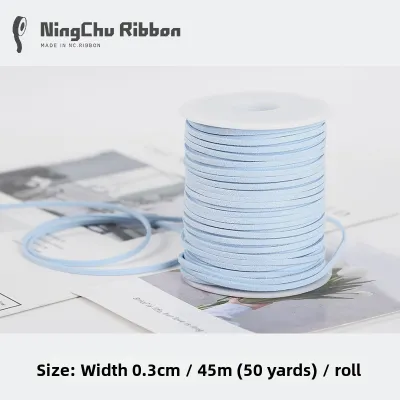
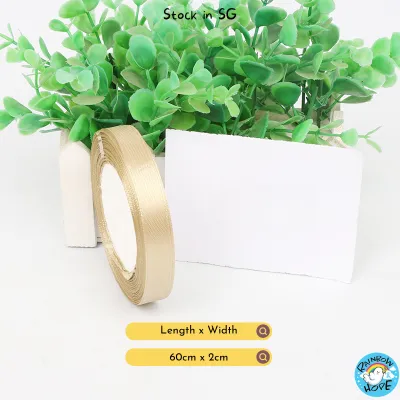
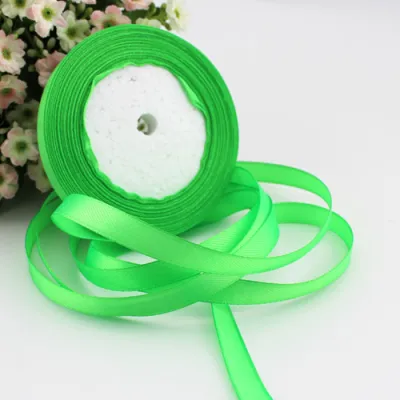
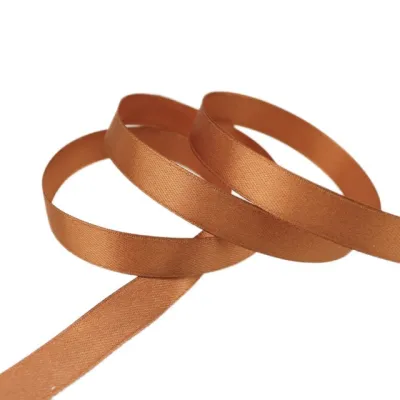
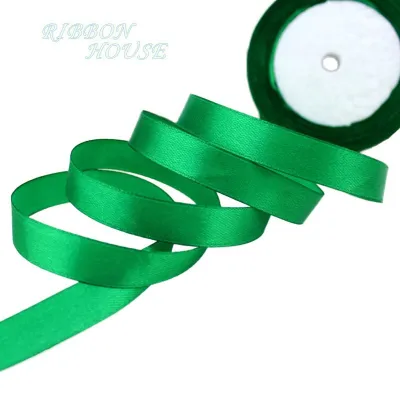
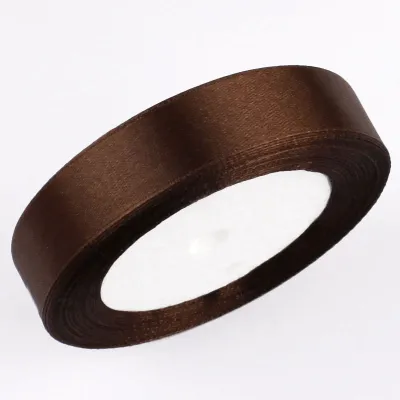
Prices are valid at publication and may change. Please refer to the product page for the latest price.
The recipient and the occasion should guide the formality of your ribbon choice. A formal wedding gift calls for high-sheen satin or delicate silk, whereas a rustic housewarming gift is better suited to a matte cotton or textured linen ribbon. Additionally, consider the transit and handling conditions the gift will undergo. If the gift must be transported across Singapore via courier or carried on public transit, choose a durable, resilient material like grosgrain or a wired ribbon that can easily be fluffed back into shape upon arrival.
Popular Blue Ribbon Materials and Their Best Uses
Satin and silk ribbons are popular choices for elegant, formal, or high-end presentations. Double-sided satin ribbon features a smooth, glossy finish on both sides, ensuring that no matter how the bow is twisted, a brilliant, light-reflective surface is always visible. Silk ribbons offer a highly fluid, organic drape and a soft, feathered edge that adds a romantic, artisanal touch to wedding gifts and delicate packages. Because these materials are highly reflective, they catch the light beautifully under indoor event lighting, making them standout choices for evening celebrations.

Grosgrain ribbon is characterized by its distinct ribbed texture and sturdy, woven construction. This structural integrity makes grosgrain exceptionally easy to work with, as it holds knots securely and creates crisp, defined bow loops that do not sag. It is highly durable and resistant to fraying, making it an excellent choice for everyday wrapping, heavy packages, and gifts that will undergo significant handling. The matte, ribbed appearance of grosgrain adds a modern, tactile dimension that contrasts beautifully with smooth or glossy wrapping papers.
For a rustic, eco-friendly, or minimalist aesthetic, cotton and linen ribbons are excellent alternatives. These natural fiber ribbons feature a completely matte finish and a slightly coarse texture that pairs beautifully with recycled kraft paper, dried botanicals, and simple twine. They are highly biodegradable and often reusable, appealing to environmentally conscious recipients. Cotton ribbons can also be stamped or printed with custom designs, offering a personalized touch for boutique businesses or bespoke gift-giving.
Organza and sheer ribbons provide a delicate, ethereal quality that works beautifully for layering. Made from lightweight, semi-transparent synthetic fibers, these ribbons allow the color and pattern of the underlying wrapping paper to show through, creating a soft, multi-dimensional effect. Organza is particularly useful for adding volume without adding weight, making it ideal for multi-ribbon bows or as an accent layered over a wider, solid-colored satin ribbon.
Selecting the Right Width and Finish for Your Gifts
Selecting the appropriate ribbon width is crucial for achieving a balanced, professional look. Standard ribbon widths generally range from ultra-narrow (about 3 mm to 6 mm) to exceptionally wide (50 mm or more). For small items like jewelry boxes or perfume bottles, a width of 9 mm to 15 mm is ideal, as it provides a delicate accent without obscuring the box. Medium-sized gifts, such as book boxes or standard shirt boxes, benefit from a 25 mm ribbon, which is the most versatile and widely used width. Large hampers, oversized toy boxes, or corporate gift baskets require a bold 38 mm to 50 mm ribbon to maintain visual proportion.
The interplay between matte and glossy finishes can dramatically alter the perception of your gift. A high-gloss satin ribbon paired with a matte-finish wrapping paper creates a sophisticated contrast that draws the eye directly to the bow. Conversely, pairing a matte cotton ribbon with a metallic or glittered wrapping paper tones down the sparkle, adding a grounded, organic feel. When selecting a finish, aim for contrast rather than matching textures exactly, as identical finishes can make the presentation look flat and uninspired.
Understanding the functional differences between wired and unwired edges is key to mastering bow construction. Wired ribbons contain thin, flexible wires woven into the outer edges, allowing you to shape, bend, and sculpt the loops of your bow with precision. This is particularly advantageous for large, elaborate bows or multi-loop designs, as the wire prevents the loops from flattening during transit. Unwired ribbons, on the other hand, offer a soft, natural drape that flows elegantly over the edges of the box, making them preferred for classic flat knots and simple, traditional bows.
Before finalizing your purchase, always check the product specifications for the total roll length. Ribbon rolls in Singapore are commonly sold in lengths of 5 meters, 10 meters, or bulk spools of 20 to 50 meters. To minimize waste and ensure you have enough material, estimate your usage beforehand: a standard gift box wrapped with a single cross and a basic bow typically requires approximately 1.5 to 2 meters of ribbon. Purchasing bulk spools is often more cost-effective for holiday seasons or large corporate events, while smaller rolls are ideal for one-off occasions.
Where to Source Reliable Ribbon Brands in Singapore
When searching for high-quality blue ribbons in Singapore, dedicated craft and stationery stores offer the most specialized and diverse selections. These specialty retailers, often located in central shopping districts or creative hubs like Bugis and Bras Basah, stock premium ribbon brands known for their dense weaves, vibrant dye lots, and consistent quality. Visiting these physical stores allows you to feel the texture of the fabric, verify the exact shade of blue under natural light, and seek expert advice on material compatibility.
For accessible, everyday wrapping essentials, large-scale bookstores and lifestyle retailers across Singapore are excellent options. These outlets frequently feature dedicated gift-wrapping sections stocked with curated selections of ribbons, matching wrapping papers, and gift tags. While their inventory may be smaller than that of specialty craft shops, they offer convenient, high-quality options that are perfect for last-minute gift preparation. Look for well-packaged rolls that clearly state the material composition and dimensions on the label.
If you require bulk quantities, niche imports, or specific shades of blue that are difficult to find locally, online marketplaces and e-commerce platforms provide an extensive digital catalog. When shopping online, it is vital to read user reviews and inspect customer-uploaded photos to verify that the actual color matches the product listing. Many online sellers offer wholesale pricing for bulk purchases, making this a highly economical route for festive seasons, weddings, or corporate branding campaigns.
Regardless of where you purchase your ribbon, always verify the product details on the label or online listing. Ensure the material composition is clearly stated (such as 100% polyester for durable satin, or natural cotton for eco-friendly options) to avoid low-quality synthetic blends that crease easily or fray excessively. Check for colorfastness indicators if the ribbon will be exposed to moisture, and confirm the exact width and length of the roll to ensure it meets your project requirements without unexpected shortages.
Tips for Tying and Securing Blue Ribbons
Creating a professional-looking bow starts with mastering the basic structure. For a classic four-loop bow, ensure your loops are symmetrical and the tails are cut at a clean angle. If you are using wired ribbon, gently pull and fluff each loop outward from the center knot to create a three-dimensional dome shape. For unwired ribbons, keep the tension even as you tie the knot, ensuring the ribbon lies flat against the box surface without twisting or bunching.
Securing ribbons on slippery, glossy, or curved surfaces requires strategic techniques to prevent sliding. You can apply a small piece of double-sided tape or a tiny dot of clear craft glue directly underneath the ribbon where it crosses on the bottom and sides of the box. This anchor point keeps the ribbon firmly in place without damaging the wrapping paper. For round boxes or cylindrical tins, wrapping the ribbon twice around the middle before tying the bow provides extra friction and stability.
To prevent unwired fabric ribbons from fraying, always use exceptionally sharp fabric shears dedicated solely to cutting textiles. Dull household scissors will chew the fibers, leading to immediate unraveling. Cut the ribbon tails at a sharp 45-degree angle or in a classic “V” shape (chevron cut) to distribute the tension on the threads. For synthetic ribbons like polyester satin or organza, you can carefully pass the cut edge near a small flame for a fraction of a second to melt and seal the fibers; always test this on a scrap piece first and exercise extreme caution.
Finally, pay close attention to the tension you apply while tying the ribbon. Pulling the ribbon too tightly can crush the corners of delicate cardboard gift boxes or cause thin wrapping paper to pucker and tear. Conversely, a loose ribbon will sag and slide off the box during handling. Aim for a snug fit where the ribbon lies flat and secure against the box, but still allows you to slip a finger comfortably underneath the band.
Frequently Asked Questions (FAQ)
How do I prevent satin ribbons from fraying after cutting?
To prevent satin ribbons from fraying, always use sharp fabric shears to make clean, decisive cuts at a 45-degree angle. For synthetic satin materials like polyester, you can seal the raw edges by briefly passing them near a low-heat source, such as a lighter or match, which melts the synthetic fibers together. Alternatively, apply a very thin layer of clear fabric sealant or clear nail polish along the cut edge. Always check the manufacturer’s label or test a small scrap first to ensure the heat or sealant does not discolor the fabric.
Can I reuse grosgrain ribbons for multiple gift-wrapping occasions?
Yes, grosgrain ribbons are highly durable and can easily be reused if they are in good condition. Inspect the ribbon for any permanent creases, stains, or structural damage, particularly along the edges. If the ribbon is wrinkled, you can flatten it by placing it under a thin cotton cloth and running a clothes iron on a low-heat, non-steam setting over it. Store the smoothed ribbon by winding it gently around a cardboard spool or laying it flat to prevent new creases from forming before its next use.
What is the best way to store leftover ribbon rolls to avoid creasing?
To preserve the quality of your leftover ribbon rolls, store them upright on a dedicated ribbon pegboard, inside a shallow drawer, or suspended on a dowel rod. Avoid stacking heavy items on top of the rolls, as this can crush the fabric and create permanent fold lines. Keep your storage area dry and cool to prevent moisture damage or mold growth, especially on natural fibers like cotton and linen. Additionally, store the ribbons away from direct sunlight to protect the blue dyes from fading over time.
Community discussion
Share your experience or ask a question. Comments are reviewed before publication.