
Selecting the ideal ultrasonic cutter for your craft projects requires matching the tool’s vibrational frequency, power output, and blade geometry to the physical properties of your primary medium. For delicate materials like polymer clay, a high-frequency, low-amplitude cutter prevents structural distortion and preserves intricate patterns. When working with synthetic fabrics, you need a tool that generates precise localized friction heat to seal cut edges and prevent fraying. For dense or lightweight craft foams, precise power adjustability is essential to slice through cell structures cleanly without causing thermal melting or edge shrinkage.
An ultrasonic cutter operates by converting electrical energy into high-frequency mechanical vibrations via an internal transducer. These vibrations are transmitted down the shaft to the blade tip, causing it to microscopic-travel back and forth tens of thousands of times per second. This rapid movement dramatically reduces friction between the blade and the workpiece, allowing you to slice through stubborn materials with minimal physical force. For hobbyists, model makers, and crafters working in home studios or shared makerspaces, this translates to cleaner edges, reduced hand fatigue, and a level of precision that standard utility knives cannot replicate.
Quick Guide: Matching Ultrasonic Cutters to Your Craft Material
The fundamental mechanism of ultrasonic cutting relies on high-frequency mechanical resonance to break the physical bonds of a material along a cutting path. Because the blade vibrates at ultrasonic speeds, it requires very little downward pressure from your hand to glide forward. This lack of resistance is highly beneficial when working with delicate, soft, or easily compressed materials that would otherwise tear, warp, or drag under the pressure of a traditional steel blade.
Products mentioned in this guide
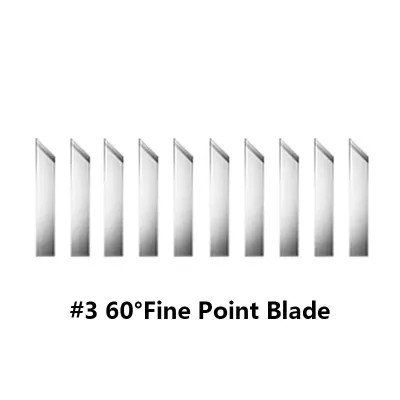
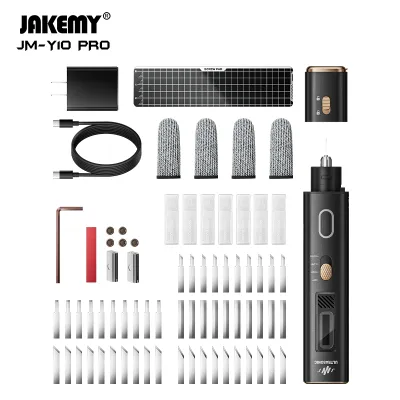
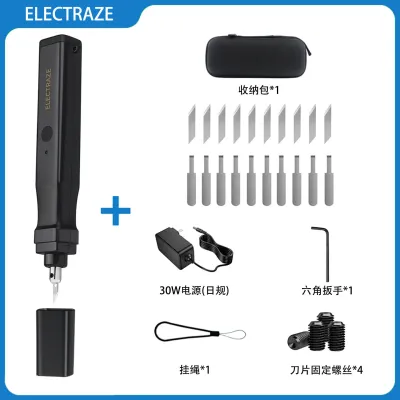
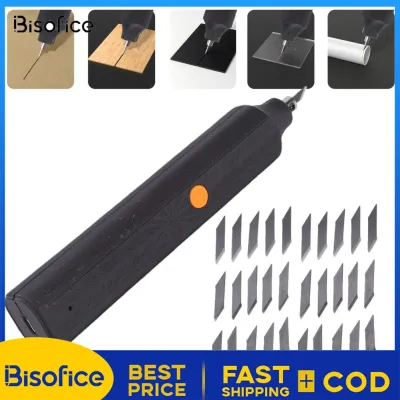
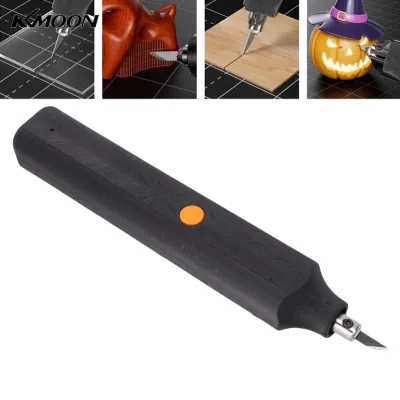
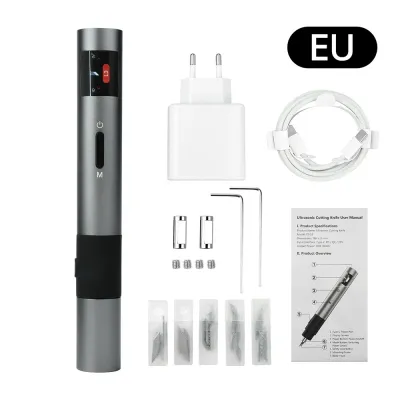
Prices are valid at publication and may change. Please refer to the product page for the latest price.
When choosing a cutter, you must evaluate three primary material characteristics: density, melting point, and the desired edge finish. Each craft material responds differently to the microscopic friction generated by the vibrating blade. If the material has a low melting point, excess vibrational energy will quickly convert into heat, causing the edges to melt or fuse. Conversely, if the material is highly dense or fibrous, it will absorb the vibrations, requiring a tool with higher power output to maintain a clean cut without stalling.
- Craft Foams: These materials have high volume but low density, making them highly susceptible to heat. They require careful heat management and a balanced power setting to slice cleanly without leaving hard, shriveled, or melted edges.
- Synthetic Fabrics: Thermoplastic fibers like polyester and nylon benefit directly from the localized friction heat of the blade. The ultrasonic action melts and fuses the cut edges simultaneously, delivering a clean, permanent seal that completely prevents fraying.
- Polymer Clay: Uncured clay is highly malleable and easily deformed by physical pressure. It requires a high-frequency, low-amplitude vibration to slice through delicate canes and complex surface designs without squishing or distorting the pattern.
Key Specifications to Evaluate Before Buying
Frequency (kHz)
Ultrasonic frequency is measured in kilohertz (kHz), which represents the number of vibration cycles the blade completes per second. Most craft-focused ultrasonic cutters operate within the 20 kHz to 40 kHz range. Lower frequencies, such as 20 kHz to 28 kHz, produce a larger physical movement at the blade tip, known as high amplitude. This aggressive action is highly effective for slicing through thick, dense, or rigid materials like heavy plastics and thick synthetic straps, but it tends to produce more audible noise and a rougher edge.

Higher frequencies, specifically around 35 kHz to 40 kHz, operate with a much smaller, faster amplitude. This rapid, microscopic movement is ideal for delicate, thin, or highly detailed work because it exerts virtually no physical displacement on the material. Additionally, because 40 kHz is well above the limit of human hearing, these units operate much more quietly, making them far more comfortable for extended use in quiet home studios or compact apartment workspaces.
Power Output and Adjustability
The power of an ultrasonic cutter is measured in watts (W), typically ranging from 15W to 45W for desktop hobbyist units, and exceeding 100W for industrial models. Variable power adjustability is a critical feature to look for if you work with multiple mediums. Slicing through low-melting-point materials like thin polystyrene foam requires you to dial down the power to minimize friction heat and prevent thermal degradation.
For denser materials, such as cold polymer clay or thick EVA foam, you need to increase the power output. Higher wattage ensures the transducer can maintain its high-frequency vibration when encountering physical resistance. Without sufficient power or adjustability, the blade will stall or drag when cutting dense materials, forcing you to apply physical pressure and defeating the purpose of using an ultrasonic tool.
Blade Types and Geometry
Ultrasonic blades are engineered to precise physical dimensions and weights to maintain resonance with the tool’s transducer. Straight blades are the most common and versatile option, making them ideal for long, straight rip cuts, architectural modeling, and slicing clay canes evenly. Their flat edge distributes the vibrational energy uniformly along the cutting path.
Angled or pointed blades, which resemble standard scalpel or hobby knife tips, are designed for intricate pattern work, tight radii, stencil cutting, and detailed cosplay armor fabrication. Curved or spatula-style blades are highly effective for scraping, shaving, or carving away thin layers of material from a flat surface. When purchasing a cutter, always verify the blade mounting standard and collet dimensions, as you must use blades that are specifically compatible with your tool’s horn assembly.
Ergonomics and Weight
Because the handpiece of an ultrasonic cutter houses the piezoelectric transducer, it is naturally heavier and bulkier than a standard hobby knife. Over long crafting sessions, a heavy or poorly balanced handpiece can cause significant hand and wrist fatigue. Look for models that feature a lightweight, slim handpiece—ideally weighing under 150 grams—with a flexible, high-quality cable connecting it to the main control base.
A separate control base keeps the heavy power transformer on your worktable, leaving only the lightweight transducer assembly in your hand. Additionally, pay attention to the heat dissipation of the handpiece. High-quality models incorporate efficient cooling designs or passive heat sinks to prevent the handle from becoming uncomfortably warm during prolonged operation.
Choosing the Right Ultrasonic Cutter for Foam
Craft foams come in several distinct varieties, including high-density EVA (ethylene-vinyl acetate) used extensively in cosplay, XPS (extruded polystyrene) used for architectural and diorama modeling, and soft polyurethane (PU) upholstery foam. The primary challenge when cutting any foam with an ultrasonic tool is balancing the cutting speed with thermal management. Because foam is mostly air trapped within thin plastic walls, the friction of a vibrating blade can easily melt these walls, leaving a hard, shriveled, or beaded edge.
To achieve a clean, velvety edge on XPS or polyurethane foam, select an ultrasonic cutter operating at 35 kHz to 40 kHz with adjustable power. Start by setting the tool to its lowest power setting and perform a test cut on a scrap piece of the same foam. If the blade glides smoothly without dragging, keep the power low. If you notice the blade snagging or stalling, slightly increase the power until the blade moves effortlessly, but stop before you see smoke or localized melting along the cut path.
Blade selection also plays a vital role in foam fabrication. When making long, straight architectural cuts in thick XPS foam boards, a long, thin, straight blade is ideal because it maintains a straight tracking line. For cutting complex, curved patterns in EVA foam for cosplay armor, switch to a pointed, angled blade. This shape allows you to navigate tight corners and change directions quickly without pulling or tearing the foam’s cellular structure.
One of the most common operational pitfalls when cutting foam is applying too much physical pressure. If you push the blade forward too aggressively, you will dampen the ultrasonic vibrations, causing the tool to act like a dull, standard knife. This dampening increases friction dramatically, generating excessive heat that melts the foam and can potentially overheat the cutter’s transducer. Instead, hold the handpiece lightly and let the vibrating blade melt its way forward at its own natural pace.
Selecting an Ultrasonic Cutter for Fabric and Textiles
When working with textiles, the effectiveness of an ultrasonic cutter depends entirely on whether the fabric is composed of synthetic or natural fibers. For synthetic fabrics—such as polyester, nylon, acrylic, ripstop, and synthetic satin—an ultrasonic cutter is an incredibly efficient tool. The high-frequency mechanical vibration generates intense, localized friction heat at the microscopic point of contact, melting the thermoplastic fibers just enough to fuse them together as the blade passes through.
This simultaneous cutting and sealing action completely eliminates edge fraying, which is a common issue when cutting delicate synthetics with traditional shears. It is highly beneficial for creating detailed appliqué work, cutting complex lace patterns, or sealing the edges of synthetic ribbons and straps. For these applications, a cutter operating at 30 kHz to 40 kHz with a fine, angled blade provides the precision needed to trace intricate designs while ensuring a clean, permanently sealed edge.
For long, straight cuts, such as cutting fabric strips for quilting or preparing synthetic canvas, a wide, straight blade guided by a metal ruler is highly effective. The flat edge of the blade ensures consistent contact with the cutting mat, resulting in a perfectly straight, sealed edge. If you are doing highly repetitive fabric cutting, look for ultrasonic cutters that offer continuous-duty operation, as some hobbyist models require cool-down periods after a few minutes of continuous use.
It is important to understand the physical limitations of this technology when working with natural fibers like cotton, wool, linen, and silk. Because natural fibers do not possess thermoplastic properties, they will not melt under the friction heat of the ultrasonic blade. While the high-frequency vibration will still slice through these fabrics cleanly and with minimal physical effort, it will not seal the edges. These natural materials will still fray over time, meaning they will still require traditional hem finishing, pinking shears, or fabric sealants.
Finding the Ideal Ultrasonic Cutter for Polymer Clay
Polymer clay artists face a unique challenge when slicing uncured clay: standard craft knives and rigid blades often apply downward and sideways pressure, causing “squishing,” compression, or dragging. This physical displacement can ruin delicate clay canes (such as millefiori designs), distort thin layers, and smudge intricate surface details. An ultrasonic cutter solves this problem by using rapid, microscopic vibrations to slice through the clay body with virtually zero resistance.
Because the vibrating blade creates a micro-boundary of reduced friction, it glides through the soft clay without displacing the surrounding material. This allows you to cut incredibly thin, uniform slices from clay canes without distorting the internal pattern. For polymer clay, a high-frequency cutter operating at 40 kHz is highly recommended. The rapid, low-amplitude vibration is gentle enough to slice through the softest clay formulations without causing any physical deformation.
When cutting polymer clay, blade thickness and geometry are critical. You should use the thinnest possible straight blade or a thin spatula-style blade. A thin blade minimizes the physical displacement of the clay as it passes through, ensuring perfectly flush, flat slices. When slicing canes, hold the blade perpendicular to the work surface and lower it in a smooth, steady downward motion without rocking the tool.
One unique aspect of working with polymer clay is managing the sticky residue left behind by the clay’s plasticizers and binders. As you cut, a thin film of clay residue can accumulate on the sides of the blade. If left unchecked, this residue will dampen the ultrasonic vibrations, reducing cutting efficiency and potentially causing the blade to drag. To maintain optimal performance, follow these steps:
- Keep a dry, lint-free microfiber cloth nearby and wipe the blade clean after every few cuts.
- If residue hardens or becomes difficult to remove, turn off the ultrasonic generator and unplug the unit from the wall.
- Dampen a clean cloth with a small amount of isopropyl alcohol (IPA) and carefully wipe the blade and the horn assembly.
- Ensure that no liquid enters the handpiece casing or the transducer assembly, as this can cause permanent electrical damage.
- Allow the blade and horn to dry completely before plugging the unit back in and resuming your work.
Quick Reference: Material and Cutter Spec Matching
To help you quickly verify the correct settings and blade choices for your projects, the following table summarizes the recommended specifications for different craft materials based on general industry principles.
| Craft Material | Recommended Frequency Range | Power Setting | Ideal Blade Type | Expected Edge Finish |
|---|---|---|---|---|
| EVA / XPS Foam | 35 kHz – 40 kHz | Low to Medium | Long Straight or Angled | Smooth, clean, non-melted edges with zero tearing |
| Synthetic Fabric | 28 kHz – 40 kHz | Medium to High | Wide Straight or Pointed | Clean, sealed, and fused edges that resist fraying |
| Natural Fabric | 35 kHz – 40 kHz | Medium | Wide Straight or Rotary | Cleanly sliced edges; requires manual fray prevention |
| Polymer Clay | 40 kHz | Low to Medium | Thin Straight or Spatula | Undistorted, perfectly flush slices with zero squishing |
Safe Operation and Blade Maintenance
Operating an ultrasonic cutter safely requires an understanding of the unique physical hazards associated with high-frequency vibrational tools. While these tools do not look or sound dangerous, they generate intense mechanical energy that must be handled with care. Always prioritize safety and proper maintenance to protect yourself and ensure the longevity of your equipment.
- Hearing Protection: Although 40 kHz vibrations are above the range of human hearing, the friction of cutting certain hard plastics, dense foams, or metals can generate highly audible, high-pitched sub-harmonic squeals. If you are sensitive to high-frequency sounds or are working in a quiet, enclosed space, always wear appropriate hearing protection to prevent ear fatigue and discomfort.
- Adequate Ventilation: Slicing through synthetic fabrics, polystyrene foams, or plastics generates localized friction heat that can melt the material and release fine particulates or chemical fumes. Always work in a well-ventilated area. If you are crafting in a compact home studio or an air-conditioned apartment, using a small desktop fume extractor with an activated carbon filter is highly recommended to capture airborne contaminants.
- Handling Techniques: Never touch the blade, the collet, or the metallic horn assembly while the ultrasonic generator is turned on. Even though the blade is not heated like a traditional hot knife, the rapid mechanical vibration can cause severe friction burns instantly upon contact with bare skin. Always handle the tool strictly by its insulated plastic handpiece, and place it securely in its designated holder when not in use.
- Blade Tightness and Torque: Before beginning any cutting session, verify that the blade is securely fastened inside the horn assembly. Use the manufacturer-provided torque wrench to tighten the set screws to the exact specified tension. A loose blade will not resonate correctly, which reduces cutting performance, generates excess heat in the handpiece, and can permanently damage the expensive piezoelectric transducer.
- Blade Wear and Replacement: Monitor your blades closely for signs of physical wear, such as chipping, bending, or dulling. A worn blade increases cutting resistance, putting extra strain on the ultrasonic generator and forcing you to apply manual pressure. Replace the blade immediately when you notice a decrease in cutting smoothness. Never attempt to use standard, off-the-shelf utility or hobby blades in an ultrasonic cutter; they are not engineered to withstand high-frequency vibrational stress and can shatter violently during use.
Frequently Asked Questions (FAQ)
Can I use an ultrasonic cutter on leather?
An ultrasonic cutter is highly effective for cutting thin synthetic leathers, such as PU (polyurethane) or PVC-based faux leathers. The localized friction heat generated by the vibrating blade melts the synthetic backing material, sealing the edges cleanly and preventing them from fraying over time.
However, ultrasonic cutters are generally ineffective and unsuitable for thick, natural animal hides. Natural leather is highly fibrous, dense, and lacks thermoplastic properties. Instead of being sliced, natural leather absorbs the ultrasonic energy, which causes the blade to stall, generate excessive heat, and potentially scorch or burn the leather. For natural animal hides, traditional heavy-duty rotary cutters, strap cutters, or specialized leather knives remain the superior choice.
Do ultrasonic cutters require special replacement blades?
Yes, ultrasonic cutters require specialized replacement blades that are specifically engineered to withstand high-frequency vibrational stress. These blades are manufactured with precise dimensions, mass, and metallurgical properties to ensure they resonate in perfect harmony with the tool’s specific frequency and horn design.
Using standard, off-the-shelf craft or utility blades is highly dangerous and should never be attempted. Standard blades do not match the resonant frequency of the cutter, which will cause the transducer to overheat, fail, or trigger an overload error on the control base. Furthermore, standard blades cannot handle the intense vibrational fatigue and are highly likely to crack or shatter during operation, posing a severe safety risk.
Is an ultrasonic cutter safe for children's craft projects?
No, an ultrasonic cutter is a professional-grade, high-precision tool and is not safe or recommended for children’s craft projects. The combination of an extremely sharp blade, high-frequency vibrations that can cause instant friction burns, and the potential release of chemical fumes from melted synthetic materials makes these tools entirely unsuitable for unsupervised children.
Ultrasonic cutters should only be operated by adults or older teenagers under direct, qualified adult supervision. For children’s arts and crafts, traditional safety scissors, manual rotary cutters, or standard craft knives used under strict supervision are much safer and more appropriate alternatives.
Community discussion
Share your experience or ask a question. Comments are reviewed before publication.