
Super glue, chemically known as cyanoacrylate, is a staple of household repairs and advanced crafting due to its fast curing time and high bond strength. However, for school projects, this powerful adhesive is not a one-size-fits-all solution. Choosing the right glue for a student requires balancing project demands with the child’s developmental stage, motor skills, and ability to follow safety protocols. While a secondary school student might require cyanoacrylate to assemble a load-bearing physics model, a primary school student is much better served by safer, slower-drying alternatives that do not pose an immediate risk of skin bonding.
Understanding the specific properties of different adhesives allows parents and educators to make informed decisions that keep classrooms and homes safe while ensuring project success. By categorizing adhesive needs by grade level, you can provide your child with a tool that is both effective for their schoolwork and appropriate for their age.
Understanding Super Glue Safety and Formulations for School Use
To make an informed choice, it is essential to understand how super glue differs from standard school adhesives. Traditional white school glue and glue sticks are typically polyvinyl acetate (PVA) or starch-based formulas. These adhesives dry through moisture evaporation, a slow process that allows plenty of time for repositioning and easy cleanup with water. In contrast, super glue is made of cyanoacrylate monomers that undergo an anionic polymerization reaction. This reaction is triggered almost instantly by moisture, which is naturally present in the air and on the surface of virtually all materials—including human skin.
Products mentioned in this guide
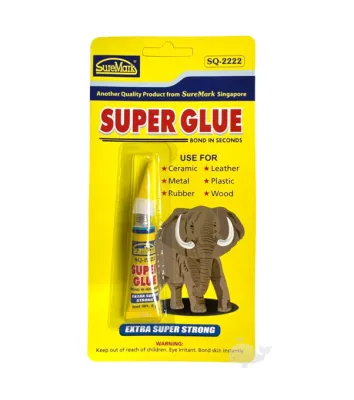
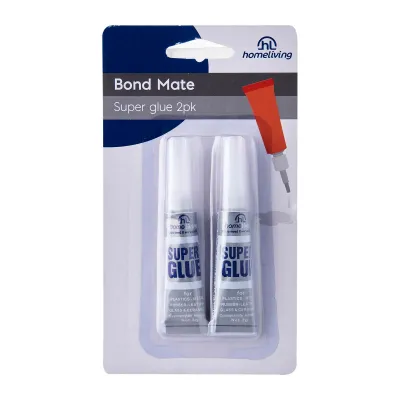
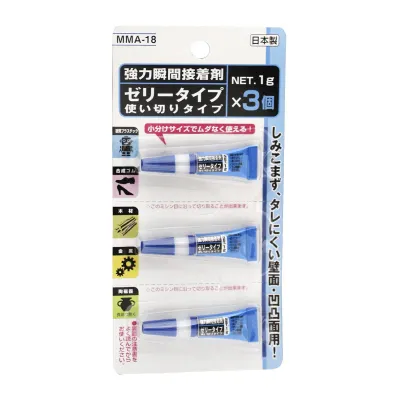
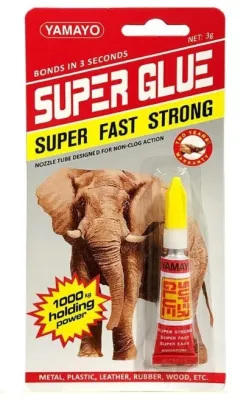
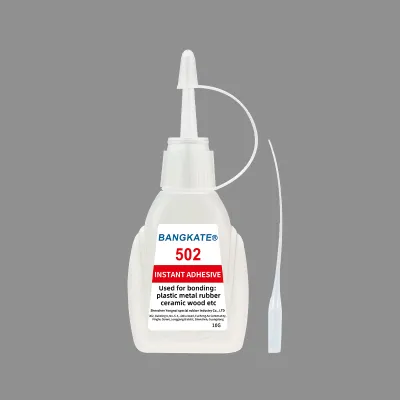
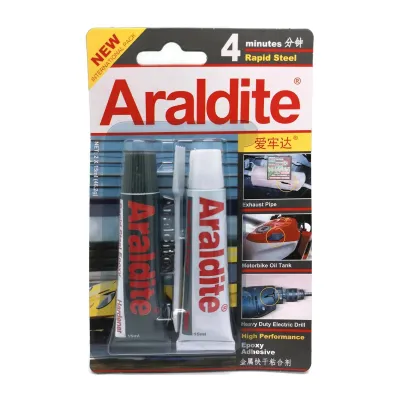
Prices are valid at publication and may change. Please refer to the product page for the latest price.
Because cyanoacrylate bonds in seconds, it presents unique safety challenges in a school environment. Accidental skin-to-skin bonding, glued eyelids, and ruined clothing are common mishaps when super glue is handled without proper care. Furthermore, cyanoacrylate can undergo an extremely rapid, exothermic reaction when it comes into contact with natural fibers such as cotton or wool. This reaction can generate enough heat to cause painful thermal burns or even singe clothing, making standard cotton school uniforms and cotton crafting gloves a hazard when using this adhesive.
Given these chemical properties, super glue should never be treated as a general-purpose school glue. It is a specialty adhesive designed for non-porous materials like plastics, metals, ceramics, and glass. For paper, cardboard, and lightweight wood, traditional water-based glues are not only safer but often produce a more flexible and durable bond over time.
Grade-Level Guide: Matching Super Glue Types to Student Needs
Selecting the appropriate adhesive is not just about the materials being bonded; it is about matching the tool to the student’s physical and cognitive development. As students progress through school, their fine motor skills improve, their ability to understand and respect chemical hazards increases, and the complexity of their academic projects grows. A structured approach to adhesive selection ensures that students have the strength they need for their projects without exposing them to unnecessary risks.

Lower Primary (Grades 1-3): Prioritizing Control and Alternatives
For students in lower primary school, typically aged seven to nine, independent use of cyanoacrylate super glue should be strictly avoided. At this developmental stage, children are still refining their fine motor control, and their spatial awareness is highly active, often leading to accidental spills, splashes, or touching of faces and eyes during crafting sessions. The instant-bonding nature of super glue makes it far too risky for independent classroom or homework use.
Instead, the focus for lower primary students must be on safe, non-toxic, and washable alternatives. Standard solid glue sticks are highly suitable for paper-based tasks, as they do not spill and allow for easy repositioning. For three-dimensional crafts involving cardboard, felt, or light wood, washable liquid PVA school glue is the standard choice. PVA glue dries slowly enough that students can adjust their work, and any spills on skin or desks can be washed away easily with warm water and soap.
If a lower primary school project involves a material that standard school glue cannot hold—such as joining plastic bottle caps for a recycled-art sculpture or assembling a small science model—this task must be handled entirely by an adult. The parent or teacher should apply the super glue in a separate area, away from the child, and allow the bond to cure completely before handing the project back to the student. When purchasing craft supplies for this age group, always check the labels to ensure they carry recognized non-toxic certifications.
Upper Primary (Grades 4-6): Precision and Mess Prevention
Students in upper primary school, generally aged ten to twelve, frequently engage in more complex hands-on projects, such as building historical dioramas, constructing basic science models, or assembling simple wooden structures. While these students have developed better hand-eye coordination and can understand basic safety rules, standard liquid super glue still poses a significant risk of running, dripping, and causing accidental skin bonding.
For this intermediate stage, gel-based super glue is a highly appropriate option when stronger bonds are required. Gel formulations contain thickening agents, such as silica, which prevent the adhesive from running or dripping. This allows the glue to stay exactly where it is placed, making it much easier for the student to control. Gel super glue also cures slightly slower than liquid formulas, giving the student a brief window of a few seconds to align the parts precisely before the bond sets.
When allowing upper primary students to use gel super glue, select products featuring precision applicators. Bottles with squeeze-control side buttons or extended micro-nozzles are excellent because they limit the amount of glue released to a single drop, preventing the common mistake of over-application. Active adult supervision is mandatory during this stage; an adult should always be present to guide the application, ensure the workspace is safe, and take immediate action if any glue gets on the student’s skin.
Secondary School (Grades 7-12): Advanced Projects and Material Bonding
By the time students enter secondary school, they are often tackling advanced coursework in design and technology, physics, chemistry, and fine arts. These projects frequently require bonding diverse and challenging materials, such as acrylic sheets, balsa wood, metal brackets, and ceramic components. At this stage, students possess the maturity and motor skills necessary to use various super glue formulations independently, provided they have received proper safety instruction.
Secondary school students can utilize different types of cyanoacrylate depending on the specific requirements of their projects. Liquid cyanoacrylate is highly effective for tight-fitting joints, as it can be applied to the seam of two pre-aligned parts, where it will draw itself into the joint through capillary action, creating a clean and nearly invisible bond. Brush-on super glue, featuring an applicator brush, allows students to apply a thin, uniform layer of adhesive over larger, flat surfaces, minimizing the risk of pooling or dripping. Toughened cyanoacrylate, formulated with rubber additives, is designed to absorb shocks and vibrations, making it highly suitable for moving parts in robotics projects or structural joints in model bridges.
Despite their increased independence, secondary school students must be educated on material compatibility. For example, standard super glue will chemically react with and melt polystyrene foam (commonly known as styrofoam), which is frequently used in geography and science models. Using super glue on styrofoam will ruin the project and release unpleasant fumes. Students should also learn to verify compatibility by testing a small drop of adhesive on a scrap piece of material before applying it to their final project.
Key Safety Features to Check on Product Labels
When shopping for adhesives for school use, parents and teachers should look beyond the brand name and carefully evaluate the safety and design features indicated on the product packaging. Manufacturers offer a wide range of packaging styles, some of which are far better suited for student use than others.
First, prioritize child-resistant packaging. Many super glues are sold in tubes that require a push-down-and-turn cap to open, similar to medicine bottles. This feature prevents younger siblings at home from accidentally opening the adhesive and keeps the bottle secure if it is transported in a school bag.
Second, examine the nozzle and delivery system. Avoid simple metal tubes that require the user to puncture the nozzle with a pin or cut the tip with a blade, as these often result in a sudden spurt of glue under pressure. Instead, look for self-piercing caps that open the tube cleanly and safely during the first twist. Additionally, high-quality applicator bottles often feature clog-free caps with an internal metal pin that keeps the nozzle clear after each use. This prevents the dangerous situation where a student tries to clear a dried clog using a needle, which can cause the glue to squirt toward their face.
Finally, check for clear hazard labeling and ingredient disclosure. The packaging should clearly state the chemical composition (such as ethyl cyanoacrylate) and provide explicit first-aid instructions for skin and eye contact. Look for safety standards on the label to ensure the product has been evaluated for chronic toxicity and is safe for its intended educational use.
Safe Handling and Storage Practices for Students
Establishing a safe working environment is crucial whenever super glue is used for school projects. Before any adhesive bottle is opened, the student should set up a dedicated workspace designed to prevent damage to household furniture or school desks.
Cover the work surface with a protective, non-stick barrier. A silicone baking mat or a sheet of wax paper is highly recommended, as cured cyanoacrylate does not adhere well to these materials and can be easily peeled off once dry. Avoid using standard newspaper or cardboard alone; thin paper can easily absorb spilled super glue and bond permanently to both the project and the table underneath.
Proper ventilation is another essential requirement. Cyanoacrylate fumes can be highly irritating to the eyes, nose, and respiratory tract, especially during prolonged use. Students should always work in a well-ventilated room with open windows, or outdoors if the weather permits. If working in a school laboratory, utilizing a fume hood or turning on exhaust fans is highly recommended.
Personal protective equipment (PPE) should be worn based on the complexity of the project. Safety glasses or goggles are highly recommended to protect against accidental splashes, which can occur if a tube is squeezed too hard. If hand protection is desired, students must wear nitrile or vinyl gloves. As noted previously, cotton or wool gloves must never be worn, as the chemical reaction between cyanoacrylate and natural fibers can cause severe exothermic burns.
For storage, super glue should always be kept upright in a cool, dry place, away from direct sunlight and out of reach of younger children or pets. Moisture in the air is what triggers the curing process, so ensuring the nozzle is wiped clean with a dry tissue and the cap is screwed on tightly after every use is vital to prevent the glue from drying out in the tube. Some hobbyists recommend storing sealed super glue bottles in a jar with silica gel packets to absorb any residual moisture and extend the product’s shelf life.
Frequently Asked Questions (FAQ)
What should I do if my child gets super glue on their skin?
If super glue gets on your child’s skin, the most important rule is to remain calm and avoid pulling or forcing the bonded skin apart, as this can easily tear the skin and cause injury. Instead, soak the affected area in warm, soapy water as soon as possible. Gently massage the area to help loosen the bond. If the glue does not release, apply a small amount of acetone or an acetone-based nail polish remover to a cotton swab and gently rub it over the bonded area to dissolve the cyanoacrylate. Once the glue softens and releases, wash the skin thoroughly with soap and water, and apply a gentle moisturizer to prevent dryness. If super glue gets into the eyes, mouth, or any sensitive area, do not use acetone; flush the area with plenty of warm water and seek professional medical attention immediately.
Can super glue be used on all school project materials?
No, super glue is not a universal adhesive and is highly ineffective or even damaging on certain common school project materials. It works exceptionally well on non-porous, rigid materials such as hard plastics, metals, ceramics, glass, and dense wood. However, it is poorly suited for highly porous materials like paper, cardboard, and soft fabrics, as the liquid will soak into the fibers too quickly to form a strong surface bond, and can generate heat in the process. Additionally, standard super glue will chemically react with and dissolve polystyrene foam (styrofoam), ruining the material. It also struggles to adhere to highly flexible plastics, such as polyethylene (PE) and polypropylene (PP), which are commonly used in plastic bottles and food containers, unless a specialized primer is applied first. For paper-based crafts, standard PVA school glue or glue sticks remain highly reliable and safe choices.
Community discussion
Share your experience or ask a question. Comments are reviewed before publication.