
Selecting the right Sanrio stickers for a back-to-school stationery haul goes beyond picking a favorite character. The most suitable choice depends on the student’s grade level, fine motor skills, and how they intend to use the stickers—whether for simple rewards, notebook organization, or detailed study planning. Balancing these factors ensures the stickers serve as practical tools rather than classroom distractions.
By matching the physical format, material durability, and character designs to the student’s developmental stage, parents can support both learning and personal expression. This guide breaks down the most suitable sticker formats, materials, and design styles for lower primary, upper primary, and secondary school students, helping parents make practical and age-appropriate purchasing decisions.
Understanding Sticker Formats and Materials for School Use
Stickers come in several physical formats, each offering distinct advantages for school environments. Die-cut stickers are individual pieces cut precisely to the shape of the design, making them highly appealing for personalizing single items like water bottles or pencil cases. Sticker sheets contain multiple designs on a single backing, which keeps them organized and easy to store flat inside folders. Sticker rolls are highly convenient for high-volume use, such as quick grading rewards, but they can be difficult to store neatly in a standard pencil case.
Products mentioned in this guide
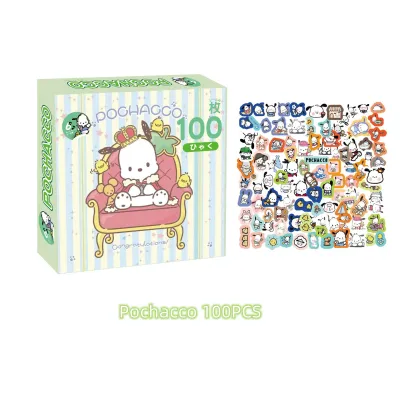
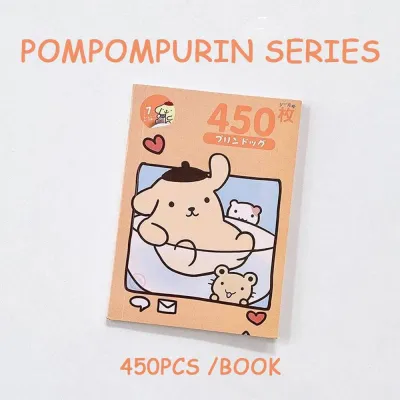
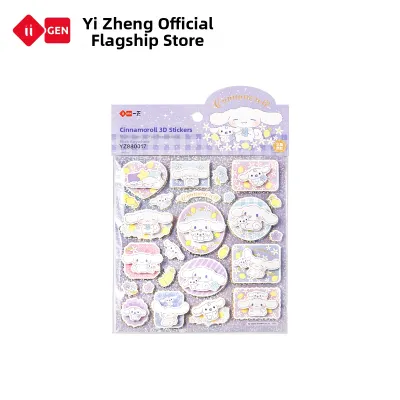
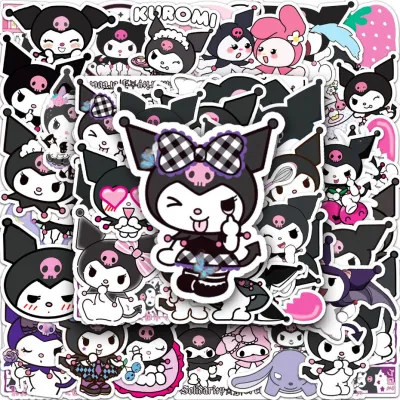
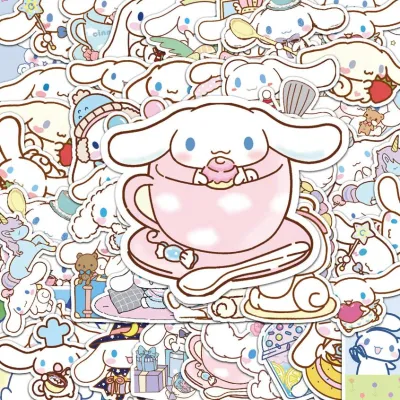
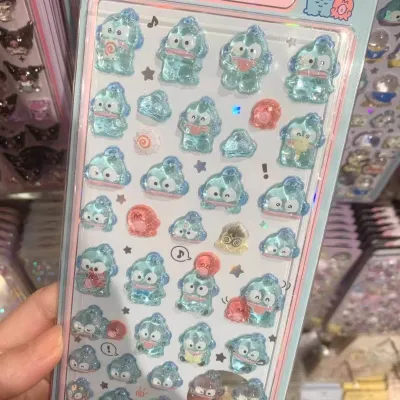
![[SG] Sanrio Kuromi My Melody Hello Kitty Tattoo Waterproof Cartoon Stickers Temporary Tattoo Facial Stickers for Kids Children Goodie Bag Birthday Party Gift](https://img.lazcdn.com/g/p/f87cbe19ab23f17e26693d98a063490c.jpg_400x400q80.jpg_.webp)
Prices are valid at publication and may change. Please refer to the product page for the latest price.
The choice between paper and vinyl materials depends entirely on where the sticker will be applied. Paper stickers are cost-effective and work well inside notebooks, diaries, or planners where they are protected from moisture and heavy wear. However, they tear easily and smudge when exposed to liquids. Vinyl or waterproof plastic stickers are essential for items that undergo regular handling or washing, such as lunchboxes, water bottles, and the exterior surfaces of plastic files.
Adhesive strength is another critical factor to consider before making a purchase. School-issued textbooks, library books, and shared digital devices often require temporary decoration that can be removed without leaving a mark. Checking product specifications for “removable” or “low-tack” adhesive prevents permanent damage and sticky residue on school property. For personal stationery that needs to last the entire school year, a medium-to-high tack adhesive is more appropriate, provided it is applied only to personal belongings.
Lower Primary (Grades 1–3): Easy-to-Handle and Durable Options
Children in lower primary school are still developing their fine motor skills and hand-eye coordination. Peeling tiny, intricate stickers from a tightly packed sheet can lead to frustration and torn designs. Large, single-character die-cut stickers with a slightly thicker backing paper are much easier for small hands to grasp, peel, and place accurately without assistance.

Classic, highly recognizable Sanrio characters like Hello Kitty or My Melody are excellent choices for this age group. These familiar faces can be used to label personal belongings, helping young students identify their own stationery, lunchboxes, and folders before they are fully fluent readers. Simple reward systems, where a parent or teacher places a sticker on a completed homework sheet, also work well with these widely recognized characters to build positive reinforcement.
Safety and durability are paramount for younger students who frequently handle their school items throughout the day. Parents should check product labels for non-toxic certifications and acid-free materials to ensure safe daily contact. Look for stickers with rounded edges rather than sharp, pointed die-cut shapes, as rounded designs are less likely to peel up prematurely or scratch sensitive skin. Opting for laminated or thick vinyl options ensures the stickers survive spills, playground dirt, and daily backpack friction.
Upper Primary (Grades 4–6): Trending Characters and Notebook Organization
As students enter upper primary school, their organizational needs and personal tastes begin to evolve. Sticker sheets featuring a variety of sizes, decorative borders, and background elements allow students to express their individuality. They can use these sheets to decorate subject folders, pencil cases, and the covers of personal notebooks, helping them take ownership of their school supplies and stay engaged with their schoolwork.
While classic characters remain popular, older primary students often gravitate toward specific trending Sanrio personalities like Cinnamoroll, Kuromi, or Pompompurin. Allowing children to select their preferred characters fosters a sense of independence and personal style. These characters often reflect the student’s personality or social circles, serving as a fun point of connection and conversation with classmates during recess.
Beyond pure decoration, stickers can become functional tools for basic academic organization. Students can use small character icons to color-code their subjects—for example, using blue Cinnamoroll stickers for science notes and yellow Pompompurin stickers for mathematics. Placing a specific character sticker next to homework deadlines in a school diary serves as a highly visual reminder to complete tasks on time, helping them build early time-management skills.
Secondary School: Aesthetic Designs and Study Planner Integration
Secondary school students generally prefer a more subtle, aesthetic look that aligns with their growing independence. Instead of bright, oversized designs, look for Sanrio stickers featuring minimalist color palettes, monochrome schemes, or vintage-style illustrations. These designs offer a nostalgic touch of character charm without looking overly childish, fitting seamlessly into a teenager’s personal style and academic environment.
For teenagers, stickers are highly functional tools for structuring study schedules, revision notes, and bullet journals. Washi-tape style sticker strips are excellent for creating clean borders or dividing sections in a notebook without adding bulk. Small icon stickers, such as tiny stars or character heads, can be used as bullet points, priority markers, or habit trackers in a weekly planner, making exam preparation more organized and visually engaging.
When selecting stickers for secondary school, prioritize flat, paper-based, or thin matte vinyl formats. Bulky, puffy, or glitter-filled stickers can make notebooks uneven, making it difficult to write on the reverse side of a page. Clean, flat layouts ensure that planners remain highly readable and professional, supporting focused study sessions and keeping the student’s workspace neat and orderly.
A Practical Checklist for Back-to-School Sticker Shopping
Before finalizing your purchase, it is essential to verify school policies regarding decorated items. Many schools prohibit stickers on official textbooks, school-issued tablets, or uniform accessories to maintain a uniform appearance. Restricting sticker use to personal notebooks, pencil cases, and water bottles ensures compliance with school rules and avoids unnecessary disciplinary issues.
Ensure the adhesive type matches the intended surface to prevent damage to property. If stickers might need to be removed later—such as from a rented locker or a shared family laptop—opt for static cling or low-tack removable vinyl. For permanent personalization of personal water bottles, look for high-durability, waterproof adhesives that can withstand daily hand-washing and outdoor exposure.
To get the most value out of your S$ budget, compare different packaging formats before checking out. Multi-packs and sticker books often offer a lower cost per sticker compared to individual die-cut pieces, making them ideal for families with multiple children. While blind boxes or surprise bags can be exciting, purchasing specific sticker sheets ensures you receive the exact characters and functional designs your child needs for the school year, minimizing waste and duplicate designs.
Community discussion
Share your experience or ask a question. Comments are reviewed before publication.