
Selecting a whiteboard wall for early childhood learning requires balancing three critical pillars: magnetic receptivity, surface durability, and physical safety. When children interact with magnetic letters, they need a surface that prevents letters from sliding down while remaining easy to wipe clean after creative drawing sessions. This guide outlines how to evaluate these factors to create an engaging, safe, and long-lasting learning space at home or in the classroom.
Quick Selection Criteria for Kids' Whiteboard Walls
To quickly narrow down your options, focus on a few essential checkpoints that directly impact daily usability and child safety:
- Magnetic Receptivity: Ensure the wall contains a high concentration of ferromagnetic material so lightweight educational magnets stick securely without sliding.
- Material Safety: Prioritize low-VOC (Volatile Organic Compound) materials and non-toxic finishes to protect indoor air quality in play areas.
- Ergonomics and Size: Position the board within your child's natural reach, allowing room for both writing and letter manipulation.
- Surface Quality: Opt for non-porous materials like PET or glass to prevent marker ink from staining or ghosting over time.
Verifying Magnetic Compatibility for Letter Sets
A common point of confusion is the difference between a surface that is a magnet and one that is “magnetically receptive.” Whiteboard walls are almost always the latter; they do not emit a magnetic field themselves but contain iron particles that attract magnets. Educational letter sets often use weak, flexible rubber magnets. If the whiteboard wall has a thin or low-density iron layer, these letters will slide down the wall.
Products mentioned in this guide
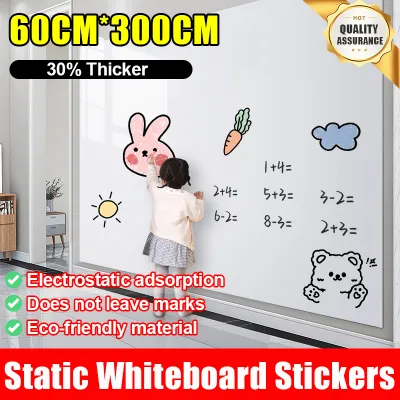
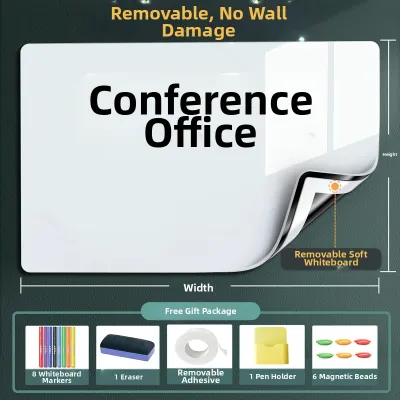
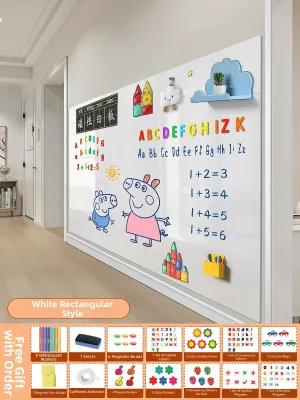
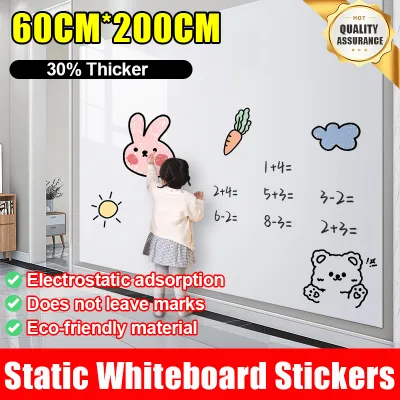
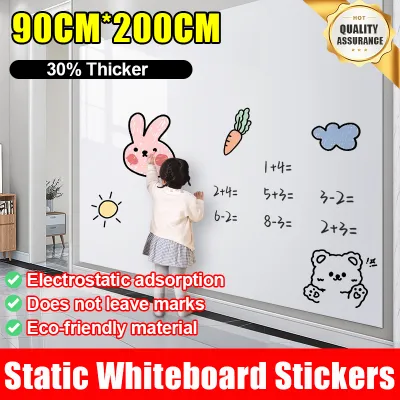
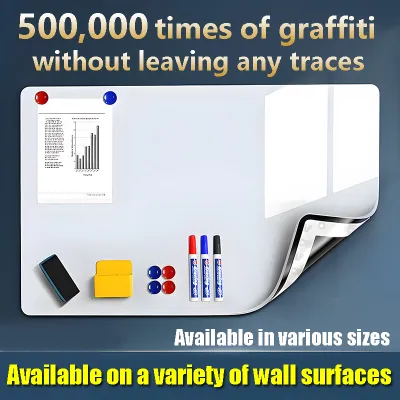
Prices are valid at publication and may change. Please refer to the product page for the latest price.

To verify compatibility, check the manufacturer’s specifications for “ferromagnetic density” or “pull force.” If you are buying a magnetic paint, it often requires three to four coats of magnetic primer to build up enough iron density to hold letters. For films and sheets, look for those with a solid ferrous iron layer rather than a simple metallic spray.
A practical verification method is to request a small material sample from the supplier before purchasing. Test it using the exact magnetic letters you plan to buy. Place the letter on the sample held vertically; if it slides or spins, the iron content is insufficient for that specific magnet weight.
Safety, Eco-Friendliness, and Installation Checks
Indoor air quality is a primary concern, especially in enclosed, air-conditioned rooms typical of modern apartments. Look for products certified as low-VOC or formaldehyde-free. Ask the manufacturer for a Safety Data Sheet (SDS) to verify that the adhesives, paints, or plastics do not emit harmful chemical fumes during or after installation.
The choice of installation method depends heavily on your living situation. For rented properties, heavy-duty drilling might not be permitted, making temporary adhesive films a practical choice. However, high humidity can weaken standard adhesives over time, causing the edges of peel-and-stick films to curl. For owned homes, rigid panels mounted with wall anchors offer a permanent, highly stable solution.
Physical safety must be addressed during installation. Rigid whiteboard panels have sharp corners that can cause injury if a child bumps into them. Ensure the board has rounded corners, or install a protective wooden or plastic frame around the edges. If you are mounting a heavy magnetic glass board, use robust wall anchors suitable for your wall type—such as toggle bolts for drywall or masonry plugs for concrete walls—to prevent the board from tipping or falling under a child’s weight.
Surface Durability and Erasing Performance
The ease of erasing dry-erase markers depends on the surface’s porosity. Cheap PVC whiteboard films have microscopic pores that absorb marker pigment over time. This leads to “ghosting,” where faint outlines of old writing remain visible even after scrubbing. High-quality PET (polyethylene terephthalate) films, high-pressure laminates, and tempered glass are non-porous, allowing ink to sit on top of the surface and wipe away cleanly.
When choosing markers for young children, prioritize water-based, low-odor, and washable formulas. Standard dry-erase markers often contain solvents like methyl isobutyl ketone, which emit strong fumes and can irritate sensitive eyes and airways. Washable child-safe markers are gentler but may require a damp cloth to erase completely from certain whiteboard surfaces. Always test a small corner of your whiteboard wall with a new marker brand to ensure it erases without leaving a permanent stain.
To maintain the whiteboard finish, establish a routine cleaning protocol. Avoid using abrasive sponges, steel wool, or harsh household chemical cleaners, as these will scratch the protective topcoat and accelerate ghosting. Instead, use a soft microfiber cloth dampened with water or a specialized, alcohol-free whiteboard cleaning spray. For stubborn ink residue, a mixture of mild dish soap and warm water is usually sufficient to restore the surface without damaging the material.
Building Your Shortlist: Whiteboard Wall Types to Consider
When you are ready to purchase, you will generally choose between three main product categories, each with distinct trade-offs in installation effort, durability, and cost:
- Peel-and-Stick Magnetic Whiteboard Films: These flexible sheets feature an adhesive backing on one side and a ferromagnetic dry-erase surface on the other. They are highly convenient for quick installations on smooth, flat walls. While they are renter-friendly and cost-effective, they require a perfectly smooth underlying wall; any bumps or texture on the plaster will show through the film and can prevent magnetic letters from sitting flat.
- Magnetic Glass Boards: Made from tempered safety glass with a steel backing sheet, these boards offer the ultimate in durability and modern aesthetics. They are completely non-porous, making them virtually immune to ghosting and staining. However, because the glass layer sits between the magnet and the steel backing, you will need extra-strong magnets (such as neodymium magnets) to hold items securely. Standard, weak plastic educational letters may not stick well to a glass whiteboard, so verify this compatibility before purchasing.
- Magnetic Paint and Whiteboard Paint Systems: This approach involves applying several layers of dark, iron-infused magnetic primer, followed by a specialized clear or white dry-erase topcoat. This option allows you to create custom shapes, such as a house outline or an entire accent wall, seamlessly blending into your home decor. The primary drawback is the high level of precision required during application. If the magnetic primer is not rolled smoothly, the final surface will be bumpy, making writing difficult and reducing the contact area for magnetic letters.
Frequently Asked Questions (FAQ)
Can I use regular fridge magnets on a whiteboard wall?
Whether regular fridge magnets work depends on their weight and the thickness of the whiteboard’s ferromagnetic layer. Heavy decorative fridge magnets often slide down whiteboard walls because the magnetic pull is not strong enough to overcome the magnet’s weight on a thin metallic surface. Lightweight, flat rubber educational magnets or strong neodymium magnets are much more reliable for these installations.
What is the best height to install a whiteboard wall for toddlers?
For toddlers and young children, the whiteboard wall should be installed close to the floor to match their natural line of sight and reach. A good rule of thumb is to start the active writing surface about 30 to 40 centimeters from the floor and extend it up to 120 centimeters. This range allows toddlers to use the board while sitting, kneeling, or standing, accommodating their rapid growth over several years.
How do I remove adhesive whiteboard films without damaging the paint?
Removing adhesive films from painted walls requires patience to avoid peeling off the underlying drywall paper or paint. Use a handheld hairdryer on a low-heat setting to gently warm the surface of the film, which softens the adhesive backing. Slowly peel the film away from one corner at a sharp 45-degree angle, applying continuous heat as you pull. Any remaining sticky residue can be cleaned off with a mild adhesive remover or soapy water.
Community discussion
Share your experience or ask a question. Comments are reviewed before publication.