
Selecting a tie dye starter kit in Singapore requires looking beyond bright packaging to evaluate the chemical compatibility of the dyes, the completeness of the included tools, and how the process fits into a local home environment. Whether you are planning a weekend activity in an HDB flat or looking to upcycle old cotton garments, the right kit prevents the frustration of faded colors and messy cleanups. By focusing on fiber-reactive dyes, essential fixatives, and practical application tools, beginners can achieve professional, wash-fast results on their very first attempt.
What to Look for Inside a Complete Tie Dye Kit
A truly complete tie dye starter kit must provide more than just color; it must deliver the correct chemical components to permanently bond the pigment to your fabric. The most critical element to verify is the dye type. For beginners, fiber-reactive dyes—specifically cold-water active dyes like Procion MX—are the gold standard because they form a covalent bond with natural fibers at room temperature. All-purpose dyes, by contrast, often require a sustained high-temperature heat bath on a stovetop, which is significantly more difficult and hazardous for a beginner to manage at home.
Alongside the dye, a reliable kit must include a fixative, typically soda ash (sodium carbonate). Soda ash raises the pH level of the fabric, activating the cellulose fibers so they readily bind with the fiber-reactive dye molecules. Without this chemical activator, the brilliant colors you apply will simply wash down the drain during the first rinse, leaving behind a faint, muddy pastel shadow. Some modern “one-step” kits pre-mix the fixative powder directly into the dye bottles, which simplifies the process but requires you to use the mixture quickly once water is added.
Products mentioned in this guide
![🇸🇬 [New Product Sale] Tie Dye Kit Fabric Dye Non-toxic Permanent Textile Tie Dye Set Dit-A-Dot](https://img.lazcdn.com/g/p/2acc9cc2353f168a2c78c141f199b97b.jpg_400x400q80.jpg_.webp)
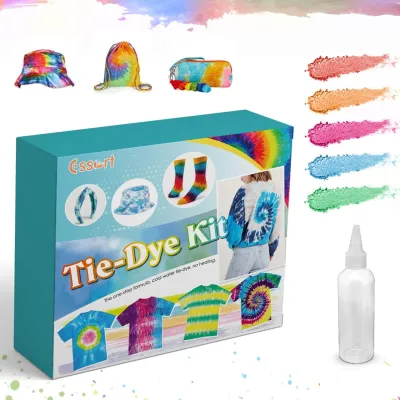
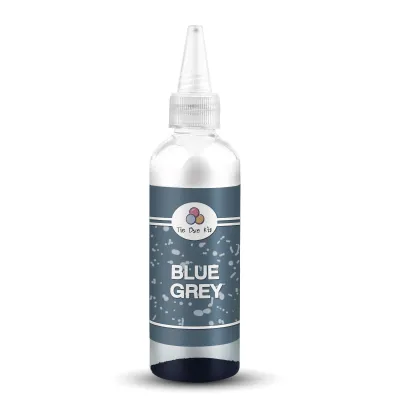
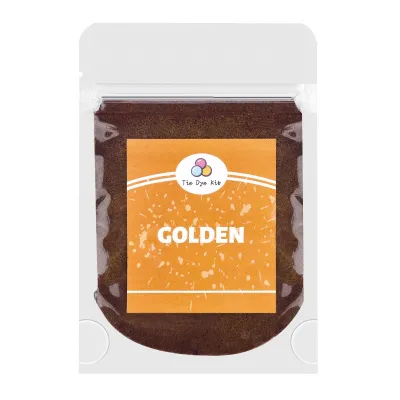
Prices are valid at publication and may change. Please refer to the product page for the latest price.
The physical tools included in the kit dictate how clean and controlled your workspace will be. Look for kits that supply high-quality squeeze bottles with fine-tip nozzles, which allow for precise color placement rather than accidental flooding. The kit should also contain a generous supply of durable, high-elasticity rubber bands to create distinct resist patterns, thick protective gloves to prevent hand staining, and a plastic drop cloth to safeguard your tables and floors. Finally, clear instructional guides with visual diagrams of classic folding techniques, such as the spiral, bullseye, and sunburst, are invaluable for ensuring your first project looks intentional rather than chaotic.
How to Evaluate Kit Quality and Fabric Compatibility
Before purchasing any kit, you must match the dye chemistry to the specific garments or textiles you plan to transform. Fiber-reactive dyes are highly effective on natural cellulose fibers, which include 100% cotton, linen, rayon, viscose, and bamboo. If you attempt to use these standard kits on synthetic fabrics like polyester, acrylic, or nylon, the dye molecules will find no binding sites and will wash out completely. Always check the fabric composition labels of your shirts, tote bags, or socks; even a blend with more than 20% synthetic content will result in significantly muted colors.

Color variety and liquid volume are the next dimensions to calculate. Starter kits are typically categorized by the number of unique colors and the total volume of dye they can produce. A standard 120ml squeeze bottle is generally sufficient to saturate one to two medium-sized adult t-shirts, depending on how much white space you leave in your design. When browsing kits, do not just count the bottles; check the weight of the dry dye powder provided, as this determines the final concentration and vibrancy of the liquid dye.
Safety is a paramount consideration, particularly if you are crafting with children or working in a confined indoor space. Ensure the kit carries recognized non-toxic certifications, such as ASTM D-4236, which indicates the materials have been evaluated for chronic hazards. Because dry dye powder consists of extremely fine particles that can easily become airborne and irritate the respiratory tract, look for kits that emphasize safety instructions, or plan to wear a simple dust mask during the initial mixing phase.
Choosing the Right Format for Your Project Scale
Selecting the ideal kit format depends heavily on whether you are embarking on a quiet solo project or hosting a larger group activity. Solo kits typically offer three to five complementary colors in smaller bottles, which is perfect for experimenting with a few personal items without wasting leftover dye. For family gatherings, birthday parties, or school activities, larger “party packs” containing 12 to 24 colors are much more economical. These larger sets also include multiple pairs of gloves and bundles of rubber bands, ensuring that every participant has their own set of tools without needing to share mid-process.
You must also decide between pre-mixed liquid kits and dry powder formats. Pre-mixed liquid kits are incredibly convenient because they eliminate the dust and measuring associated with powder, but they have a very limited shelf life once opened. Dry powder kits, where you add lukewarm water to the bottles just before use, offer maximum shelf life and allow you to customize the color intensity. For instance, you can add less water to create a highly concentrated, deep shade, or add more water to achieve a soft, pastel effect.
If you want to move beyond classic primary and secondary colors, look for specialty kits designed for specific visual aesthetics. Some kits are curated specifically with pastel palettes, neon shades, or earthy, organic tones. Others may include unique additives or resist techniques, such as wax for batik-style designs or specialized metallic fabric paints to apply over the dyed patterns once dry. Identifying these specialty options beforehand saves you from having to purchase individual accent colors separately.
Buying Online and Adjusting for Singapore's Climate
When shopping on e-commerce platforms in Singapore, verifying the seller’s credibility is essential for securing active, high-quality dyes. Because dry dye powders can degrade if exposed to moisture or extreme heat during prolonged storage, look for reputable local sellers with high ratings and positive reviews detailing successful, vibrant results. Avoid buying kits that have been sitting in non-climate-controlled warehouses for years, as expired or moisture-compromised dye powder will lose its chemical potency and fail to bond properly with your fabric.
Singapore’s tropical climate, characterized by high relative humidity and warm temperatures, directly impacts how you should manage the curing and drying phases. After applying the dye, the fabric must remain damp for the chemical reaction to complete—typically between 12 to 24 hours. In our humid environment, wrapping the dyed garment tightly in plastic wrap or placing it in a sealed plastic bag is crucial to prevent the dye from drying out prematurely, which halts the bonding process. However, you must store the wrapped bundles in a warm, well-ventilated area, such as a service yard or balcony, to prevent mold from developing during this extended damp curing period.
Before committing your entire kit to a prized garment, always perform a pre-use test on a small fabric swatch or an inconspicuous area of the material. Mix a tiny amount of the dye, apply it to the test swatch, let it cure, and then rinse it thoroughly. This simple trial allows you to observe how the specific fabric fibers absorb the pigment, verify the drying speed in your home’s drying area, and check for excessive color bleeding, ensuring you can adjust your water-to-powder ratios or rinsing technique before starting the main project.
Frequently Asked Questions (FAQ)
Can I use a standard tie dye kit on synthetic fabrics like polyester?
Standard tie dye kits containing fiber-reactive dyes will not work on synthetic fabrics like polyester, nylon, or acrylic. These synthetic fibers lack the chemical binding sites that natural cellulose fibers possess, causing the dye to wash out completely during the rinsing stage. If you wish to dye synthetic materials, you must look for specialized disperse dyes designed specifically for synthetics, which require a sustained boiling process on a stovetop to open up the synthetic fibers and lock in the color.
How long do unmixed tie dye powders and pre-mixed liquids last?
Unmixed dry tie dye powders have an excellent shelf life and can remain chemically active for several years if stored in airtight containers in a cool, dry place away from direct sunlight. Once you mix these powders with water, however, the chemical reaction begins immediately. Pre-mixed liquid dyes or freshly hydrated powders generally lose their bonding potency within 24 to 48 hours. While they may still color the water, they will no longer bond permanently to the fabric, resulting in severe fading when washed.
What should I do if my starter kit does not include soda ash?
If your starter kit lacks soda ash (sodium carbonate), you can purchase it separately from local craft stores, pool supply shops, or hardware stores, where it is sometimes sold as washing soda or pH increaser. To use it, dissolve roughly 150 grams of soda ash per liter of warm water and soak your natural fabric garments in this solution for 20 minutes before applying the dye. This pre-soak step ensures the fibers are chemically activated, allowing the dye to bond permanently even if the kit itself omitted this crucial fixative.
Community discussion
Share your experience or ask a question. Comments are reviewed before publication.