
To select the right standing whiteboard for teaching with magnetic letters, you must prioritize a highly receptive steel-backed surface, reliable height adjustability, and a robust, tip-resistant frame. Unlike standard office whiteboards meant solely for writing, an educational board used for interactive literacy lessons must withstand the physical weight and constant movement of plastic magnetic letters. If the magnetic pull is too weak, letters will slide down or fall off, disrupting the flow of your lesson and frustrating young learners.
By focusing on the structural integrity of the board and its frame, you can create an engaging, hands-on learning station that supports early reading and spelling activities for years to come. Evaluating the physical specifications and matching them to your classroom’s specific layout will ensure you choose a durable tool that remains safe and functional throughout the school year.
Evaluating the Magnetic Surface for Letter Adhesion
The core of any interactive phonics or spelling lesson is the whiteboard surface itself. Not all whiteboards labeled as magnetic are created equal, and understanding the underlying materials is essential to avoid purchasing a board that cannot hold your teaching tools.
Products mentioned in this guide
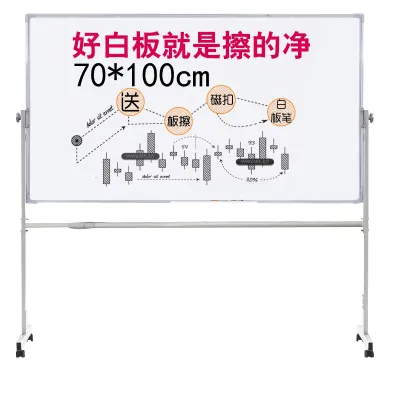
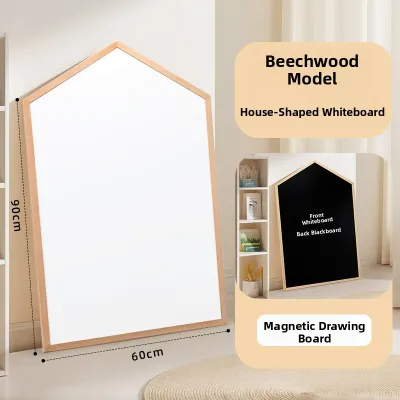
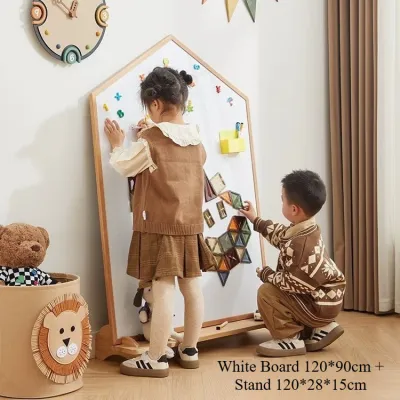
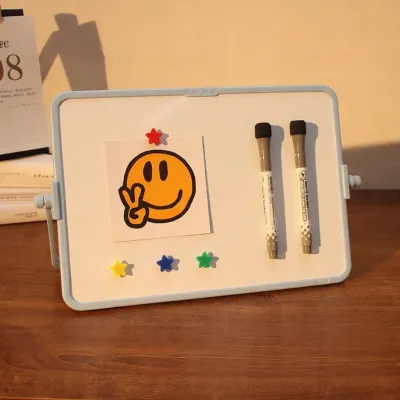
Prices are valid at publication and may change. Please refer to the product page for the latest price.
Most budget-friendly whiteboards utilize a painted steel surface or a thin metallic foil layer behind a melamine sheet. While these options can hold lightweight paper with a strong magnet, they often lack the magnetic pull required for bulky, plastic-molded educational letters. For a reliable hold, look for a board with a thick, solid steel backing. A highly durable option for educational environments is porcelain-on-steel, also known as ceramic steel. This material features a steel core fused with a ceramic coating at high temperatures, creating an incredibly durable, scratch-resistant surface with strong magnetic attraction.
When reviewing product specifications, pay close attention to the surface coating. Melamine surfaces are highly prone to ghosting—where marker residue permanently stains the board—and they degrade quickly under daily classroom use. Painted steel offers a balanced middle ground, providing good magnetic strength and decent erasability, provided you use high-quality dry-erase markers. Porcelain-on-steel, while representing a higher initial investment, resists ghosting, staining, and scratching, ensuring that the constant sliding of plastic letters does not wear down the finish over time.
Another critical factor is the flatness and uniformity of the board. Any slight warping, bowing, or surface seams can cause magnetic letters to lose contact with the metal backing, leading them to slide downward or fall off entirely. When inspecting a standing whiteboard, check that the surface is completely flat across its entire width. Avoid boards with center seams or multi-panel joints in the primary teaching area, as these transitions create gaps in the magnetic field and catch the edges of letters during interactive spelling exercises.
Adjustability and Ergonomics for Different Age Groups
An effective educational whiteboard must accommodate the physical dimensions of both the teacher and the students. Because early literacy instruction often involves students coming up to the board to manipulate letters themselves, the height of the writing surface must be easily adjustable.

Fixed-height stands are generally designed for adult presenters and sit too high for young children, forcing them to stretch or stand on unstable stools to reach the letters. Adjustable-height stands allow you to lower the board to the eye level and comfortable reach of preschool and primary school students. When evaluating adjustable models, look for a system that allows you to secure the board at multiple heights. Some models use a continuous sliding track with locking knobs, while others feature pre-drilled peg holes with safety pins. Ensure the adjustment mechanism is smooth enough for a single teacher to operate safely without needing assistance.
Many standing whiteboards feature a double-sided design with a pivot or rotation mechanism. This allows you to prepare a lesson on one side, flip the board, and reveal the magnetic letters or writing on the other side. However, a rotating board must have a highly secure locking system. If the locking pins or tension knobs are weak, the board will swing or wobble every time a student presses a magnetic letter onto the surface. Look for heavy-duty spring-loaded locking pins that click firmly into place, preventing any unwanted rotation during active use.
Finally, consider the clearance and footprint of the stand’s base. The frame should not protrude in a way that blocks a child’s path or prevents them from standing close to the board. A recessed or low-profile base design ensures that students of all heights can approach the board safely, without tripping over the support legs or wheels.
Stability and Mobility for Active Classrooms
Classrooms are dynamic, high-energy environments, making stability a paramount safety concern for any standing piece of furniture. A top-heavy whiteboard loaded with magnetic letters and frequently touched by enthusiastic children can easily tip over if the stand is poorly designed.
To ensure maximum stability, look for a stand with a wide, low-center-of-gravity base. U-shaped frames and wide T-legs provide excellent resistance to tipping. Some high-quality educational models feature weighted bottom frames or built-in storage tubs at the base, which naturally lowers the center of gravity and adds stability. Avoid lightweight, spindly tripod stands, as they are easily knocked over in active classroom settings.
Mobility is equally important, especially if you need to move the whiteboard between different learning centers, classrooms, or storage areas. Look for heavy-duty caster wheels that roll smoothly over both hard floors and low-pile classroom carpets. The casters should be made of non-marking polyurethane or rubber to prevent damage to school flooring. Crucially, at least two of the wheels—and ideally all four—must feature reliable, easy-to-engage locking brakes. When the brakes are locked, the whiteboard should remain completely stationary, even when students are actively pushing letters against the surface.
When choosing between a highly mobile, lightweight board and a heavy-duty stationary model, consider your classroom layout and daily routine. If the board will remain in a dedicated literacy corner, a heavier, more robust frame is preferable. If you share resources across multiple classrooms, a slightly lighter model with large, high-quality casters and a reinforced frame will better withstand the wear and tear of frequent transport.
Matching Board Configurations to Teaching Scenarios
The physical layout of your lessons should dictate the configuration of the standing whiteboard you choose. Different teaching scenarios require different board sizes, surface combinations, and storage options.
For small-group instruction or dedicated center-time activities, a compact, double-sided mobile teaching cart is often the best choice. These units typically feature a smaller magnetic whiteboard on one or both sides, paired with built-in storage bins or wire racks below. This setup allows you to keep your magnetic letter sets, dry-erase markers, and reading books organized and within arm’s reach. The compact size also makes it easy to position the cart directly in front of a small group table, creating an intimate, focused learning environment.
For whole-class instruction and large-group demonstrations, you will need a large, wide-format standing whiteboard. A generous surface area allows you to display a complete sentence or story passage while leaving ample room on the side to store your “letter bank” of magnetic vowels and consonants. Look for a board that is at least 120 cm wide to ensure you do not run out of space during complex phonics lessons.
In multi-purpose or shared educational spaces, versatility is key. Reversible boards with combination surfaces offer excellent flexibility. For example, a board with a magnetic dry-erase surface on one side and a felt or cork bulletin board on the other allows you to transition seamlessly from a magnetic letter spelling lesson to a storyboarding or display activity. Alternatively, a dual-sided magnetic whiteboard allows two groups of students to work simultaneously on opposite sides of the board, maximizing the utility of a single piece of classroom furniture.
Pre-Purchase Verification and Space Planning
Before finalizing your purchase, it is essential to verify the product’s physical specifications and ensure it will fit comfortably within your teaching environment. Taking the time to measure and plan beforehand prevents logistical headaches and ensures a smooth setup.
Start by carefully reviewing the manufacturer’s specifications. Check the exact dimensions of the board itself, as well as the overall height and width of the frame. Pay close attention to the weight of the unit; a heavier board often indicates sturdier construction, but it must still be manageable for you to move if necessary. Verify if the manufacturer specifies the magnetic weight capacity or recommends specific types of magnetic accessories.
Next, measure your classroom space, keeping in mind not just where the whiteboard will stand during lessons, but also where it will be stored when not in use. Measure the width and height of all doorways, hallways, and elevator entrances the board must pass through. This is particularly important in multi-story school buildings where tight corners or low door frames can block the transport of fully assembled, large-format boards.
Finally, check the assembly requirements and shipping details. Many standing whiteboards are shipped flat-packed and require self-assembly. Ensure you have the necessary tools and assistance to put the frame together securely. Review the retailer’s return policy and warranty terms, especially regarding the whiteboard surface, to protect your investment against manufacturing defects or shipping damage.
Frequently Asked Questions (FAQ)
Can I use standard refrigerator magnets on a standing whiteboard?
While standard refrigerator magnets will physically stick to a steel-backed standing whiteboard, they are not ideal for educational activities. Refrigerator magnets are often heavy, bulky, or made of rigid ceramic materials that can scratch the whiteboard’s dry-erase coating when slid across the surface. For teaching, lightweight, flexible foam or plastic magnetic letters are highly recommended. These educational letters are designed specifically for whiteboards, featuring flat, non-abrasive magnetic backings that slide smoothly without scratching the surface. Before purchasing a large set of letters, test a single letter on your board to ensure the magnetic pull is strong enough to hold it in place without sliding.
How do I clean a magnetic whiteboard without ruining the surface?
To maintain the erasability and magnetic properties of your whiteboard, always follow the manufacturer’s specific care instructions. Avoid using abrasive sponges, harsh chemical cleaners, or window sprays, as these can strip away the specialized dry-erase topcoat, leading to permanent ghosting and staining. Instead, use a soft microfiber cloth or a dedicated felt whiteboard eraser for daily cleaning. For stubborn marker residue or buildup from finger oils, use a gentle, alcohol-based whiteboard cleaning spray. Spray the cleaner onto a microfiber cloth rather than directly onto the board, wipe the surface clean, and allow it to dry completely before using magnetic letters or dry-erase markers again.
Community discussion
Share your experience or ask a question. Comments are reviewed before publication.