
Choosing the right shirt tightener clip depends entirely on matching the clip’s gripping mechanism to the physical properties of your shirt’s fabric. Fabric weight, weave density, and surface texture determine how much grip strength is required and how that pressure must be distributed to prevent damage. When these factors are aligned, your shirt remains perfectly tucked and styled throughout the day without suffering from pulled threads or fabric distortion.
As a general rule, delicate and lightweight fabrics require wide, smooth, or silicone-padded clips that rely on surface friction rather than physical penetration. Conversely, heavy, dense fabrics require robust, toothed metal clips to maintain a secure hold under tension. Matching the wrong clip to your garment can lead to frustrating slips or permanent damage to the fibers.
Using an incompatible clip poses significant risks to your wardrobe. A sharp, toothed clip on a delicate silk shirt can easily puncture threads, causing irreversible runs or tears. On the other hand, a smooth silicone clip used on a heavy, dense cotton shirt may slide off repeatedly, pulling at the fabric and leaving unsightly friction marks. Understanding how different clips interact with various textiles is the key to preserving your clothing.
Products mentioned in this guide
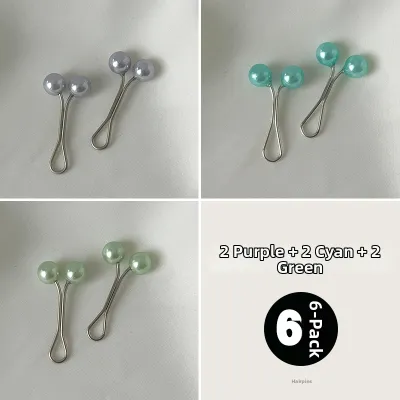
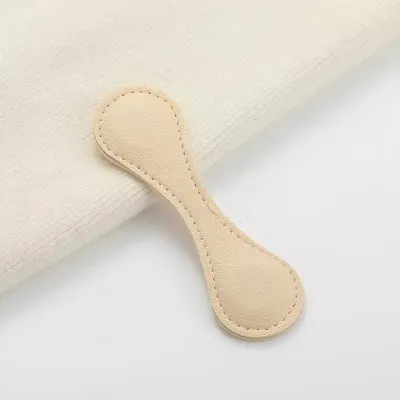
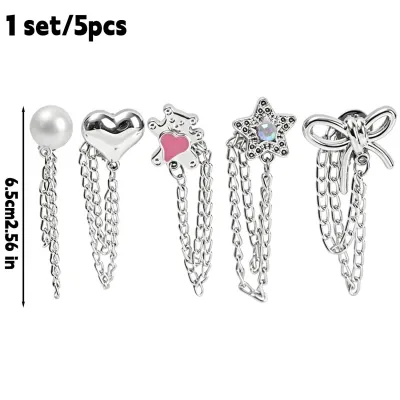
Prices are valid at publication and may change. Please refer to the product page for the latest price.
Understanding Shirt Tightener Clip Mechanisms and Grip Types
To make an informed selection, you must first understand the physical designs of the clips available on the market. The most common variety is the metal toothed clip, often referred to as an alligator or suspender-style clip. These clips feature interlocking metal teeth that bite into the fabric to establish a mechanical lock. While they offer exceptional holding power, they concentrate all tension on a few tiny points, which can easily puncture, snag, or leave permanent indentations in fine weaves.
Smooth-edge or silicone-padded clips offer a gentler alternative. Instead of piercing the fabric, these designs use flat, wide jaws lined with a soft, high-friction material like silicone or rubber. When clamped, the padding compresses around the fabric, distributing the clamping force evenly across a larger surface area. This design relies on surface friction to resist slipping, making it highly effective at protecting delicate fibers from shear stress.
For ultra-delicate materials where even light clamping pressure might cause damage, magnetic or adhesive alternatives exist. Magnetic clips use pairs of strong magnets placed on either side of the fabric to hold it in place without any mechanical clamping. While completely non-piercing, these options have strict limitations on holding strength and can easily slip if subjected to sudden movements or high tension.
The overall performance of any shirt tightener clip is also heavily influenced by its adjustable tension features. The spring strength within the clip determines the initial clamping force, while the elasticity of the attached strap dictates the continuous pull exerted on the garment. High-tension springs combined with stiff, inelastic straps increase the shear force at the grip point, requiring a more robust fabric to withstand the load without distorting.
How to Match Clip Types to Specific Fabric Weights and Textures
Selecting the right shirt tightener clip requires a systematic evaluation of your garment’s fabric weight and texture. Delicate and lightweight fabrics, such as silk, chiffon, satin, and fine rayon, have incredibly thin fibers and loose or highly fragile weaves. For these materials, you must avoid metal toothed clips entirely. Instead, opt for wide-surface clips with thick, soft silicone padding or magnetic fasteners. These designs prevent the concentrated stress that leads to runs, thread pulls, and tears, ensuring the shirt retains its smooth drape.

Medium-weight and everyday fabrics, including standard cotton, poplin, polyester blends, and linen, offer more structural resilience but still require careful handling. These fabrics can generally tolerate standard clips with mild, rounded plastic teeth or textured silicone pads. However, highly smoothed or mercerized cotton weaves can be surprisingly slippery. When wearing these treated fabrics, verify that the clip’s padding has enough texture to grip the smooth surface without requiring excessive clamping pressure that could crush the fibers.
In warm and humid climates, such as in Singapore, lightweight cotton and linen blends are daily staples for professional wear. These environmental conditions mean that fabrics are more susceptible to absorbing moisture throughout the day, which can temporarily soften the fibers and reduce natural friction. For these scenarios, a clip with a textured silicone pad is highly recommended, as it maintains a reliable grip on damp or softened fibers without causing the structural damage that metal teeth might inflict under humid conditions.
Heavy and highly textured fabrics, such as denim, flannel, corduroy, and thick Oxford cloth, present the opposite challenge. The sheer density and thickness of these materials make it difficult for smooth or lightly padded clips to gain a secure purchase, often resulting in the clip popping open or sliding off under tension. For these rugged garments, strong metal toothed clips are necessary. The teeth can penetrate the thick, dense weave to establish a secure hold, and the robust fabric structure easily resists the localized pressure without sustaining damage.
Stretch and knit fabrics, such as jersey, piqué cotton, or elastane blends, require a specialized approach. Because these fabrics are designed to expand and contract with body movement, any localized restriction can cause severe distortion. Using a narrow, aggressive clip on a knit shirt can pull individual loops, leading to ladders or permanent stretching. To preserve the shape of knitwear, select wide, smooth-jawed clips that distribute the tension across several centimeters of fabric, allowing the surrounding knit to stretch naturally.
How to Test and Verify Fabric Compatibility Safely
Before attaching any new shirt tightener clip to a visible part of your garment, you must perform a thorough safety inspection and compatibility test. Begin by closely examining the clip itself. Run your finger along the inner jaws, teeth, and outer edges to check for sharp burrs, misaligned metal parts, or degraded silicone padding. Manufacturing defects are a primary cause of unexpected fabric damage, and a single sharp edge can ruin a shirt instantly.
Once you have verified the clip is free of defects, conduct a hidden-area test. Choose an inconspicuous part of the garment, such as the inside of the bottom hem, the shirt tail, or the inner seam allowance. Clamp the clip onto this area exactly as you intend to wear it, ensuring it grips the fabric fully.
With the clip attached, apply gradual, gentle tension to the strap or clip body. Observe how the fabric behaves under load. Look closely to see if the clip slips, rotates, or causes the individual threads of the weave to distort or separate. This step simulates the physical forces the garment will experience during a typical day of walking, sitting, and bending.
Establish a strict stop condition during your test. If you observe any visible indentations that do not immediately self-correct, pulled threads, or if the clip slips off under light tension, stop the test immediately. These signs indicate that the clip mechanism is incompatible with the fabric, and you must switch to a gentler or more high-friction alternative before wearing the outfit.
Usage and Maintenance Tips to Prevent Slipping and Damage
Proper application and ongoing maintenance are essential to maximize the lifespan of your shirt tightener clips and protect your wardrobe. When attaching the clips, always target reinforced areas of the garment whenever possible. Side seams, button plackets, and double-layered bottom hems offer significantly more structural strength than a single layer of unsupported fabric, reducing the risk of localized tearing.
Be mindful of the tension settings on your adjustable straps. Over-tightening the straps might create a perfectly smooth look initially, but it dramatically increases the continuous shear force acting on the fabric at the grip point. Keep the tension at the minimum level required to hold the shirt in place, allowing some natural give when you sit or bend.
Over time, dust, lint, and body oils can accumulate on the gripping surfaces of your clips, significantly reducing their effectiveness. For silicone-padded clips, clean the pads regularly with a damp, lint-free cloth to restore their natural friction. For metal clips, inspect the springs periodically for signs of rust, debris, or weakened tension, and replace any clips that no longer snap shut securely.
Finally, never leave shirt tightener clips attached to your garments when they are not in use. Always remove all clips before washing, dry cleaning, or ironing your shirts. Leaving them attached during laundering can cause severe mechanical damage to both the shirt and your washing machine, while the heat from an iron or dryer can melt silicone pads and permanently fuse them to the fabric.
Frequently Asked Questions (FAQ)
Can I use shirt tightener clips on tailored or fitted shirts?
Yes, shirt tightener clips can still be highly beneficial even on shirts that have been professionally tailored to your body. While a tailored shirt fits well when standing still, active movement like reaching, bending, or sitting will naturally pull the fabric out of your waistband. Clips help maintain that clean, custom-fit look throughout the day without requiring constant manual re-tucking. However, for fine tailored shirts, always use low-tension, smooth-grip clips to avoid distorting the precise drape or damaging the delicate, high-thread-count fabrics.
Are there alternatives to clips for delicate fabrics?
If your shirt is made of an ultra-delicate fabric that cannot tolerate any mechanical clamping, several effective alternatives exist. You can opt for shirt stays that utilize button attachments, provided your shirt tail has dedicated buttons or you are willing to sew them on. Alternatively, wearing a high-friction undershirt can help grip the shirt fabric from the inside, while double-sided fashion tape can temporarily secure the fabric to your waistband. For a permanent solution, having the shirt professionally tailored to minimize excess fabric remains the safest option.
Community discussion
Share your experience or ask a question. Comments are reviewed before publication.