
Finding a complete, beginner-friendly face painting kit for kids in Singapore involves balancing creative convenience with strict skin safety. While buying a pre-packaged starter set saves you the hassle of sourcing individual brushes, sponges, and paints, the primary focus must always remain on selecting cosmetic-grade, non-toxic formulations. In Singapore’s warm and humid climate, face paints behave differently than in cooler regions, making drying speed, sweat resistance, and ease of removal critical factors for a successful activity. By understanding what to look for in a starter kit, parents and educators can ensure a fun, vibrant, and entirely safe artistic experience for children.
Key Safety and Quality Standards for Kids' Face Paints
When selecting face paints for children, the formulation must be specifically designed for use on human skin. Water-based face paints are the industry standard for kids’ activities because they are breathable, lightweight, and significantly easier to wash off than oil- or grease-based alternatives. These paints dry quickly on the skin, which is essential when working with wiggly children who are prone to smudging their designs before they set.
To verify the safety of a kit, look for recognized compliance marks on the packaging or product descriptions. Standards such as ASTM D-4236 indicate that the art materials have been evaluated by a toxicologist for chronic toxicity, while the CE mark or EN71 certification shows compliance with European safety standards for toys. Because face paint is classified as a cosmetic, the most reliable products will also state compliance with cosmetic regulations, ensuring that the pigments used are safe for prolonged skin contact.
Products mentioned in this guide
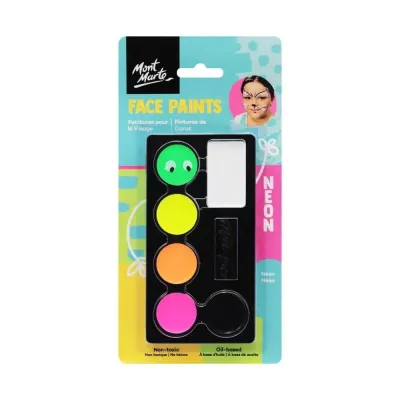
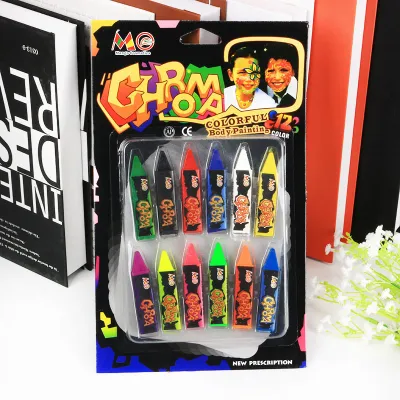
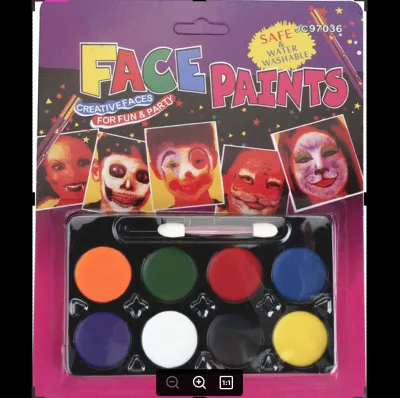
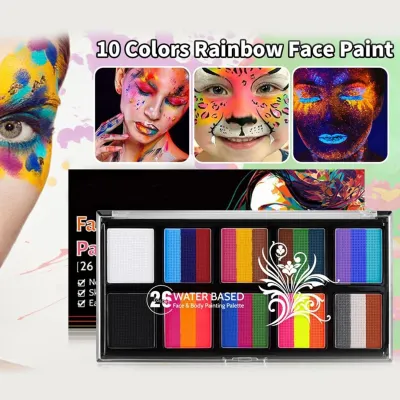
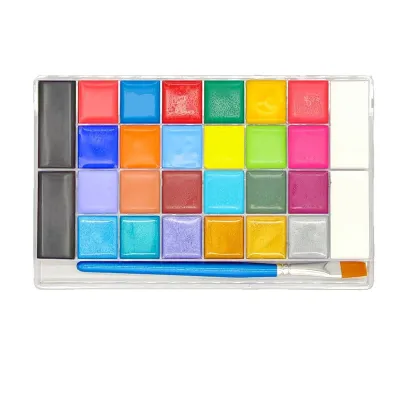
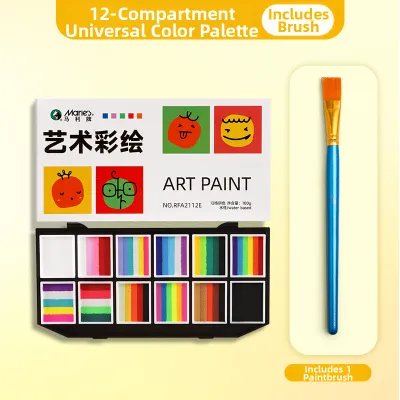
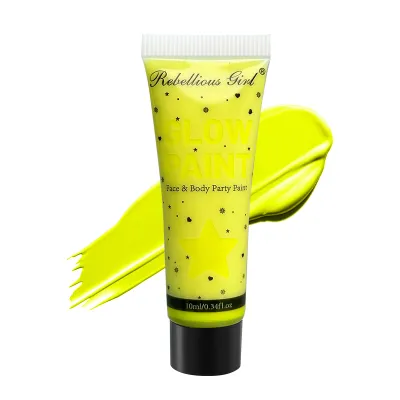
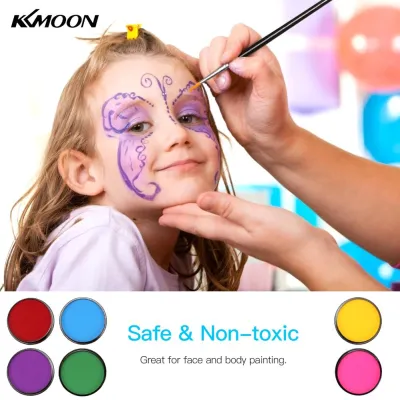
Prices are valid at publication and may change. Please refer to the product page for the latest price.
It is vital to avoid using non-skin-safe materials under any circumstances. Acrylic craft paints, tempera, and standard watercolors are formulated for paper, canvas, or wood, and they contain industrial binders and preservatives that can cause severe contact dermatitis or allergic reactions on young skin. Furthermore, never use standard craft glitter, which is made of metallic-coated plastic or glass with sharp edges that can scratch the cornea if it gets into the eyes; only cosmetic-grade polyester glitter should be included in a kit.
Even when using certified non-toxic paints, individual skin sensitivities can still occur. Always perform a patch test before applying paint to a child’s face. Apply a small dab of the hydrated paint to the inner forearm or behind the ear and wait 20 to 30 minutes. If any redness, itching, swelling, or discomfort develops, wash the area immediately with cool water and do not proceed with the application.
Essential Tools and Components in a Beginner-Friendly Kit
A complete starter kit should provide all the necessary tools so you do not have to purchase items separately. The paint configuration is the core of the kit, and a good beginner set typically features a palette of essential colors. Primary colors—red, yellow, and blue—along with black and white are crucial for mixing custom shades, while a few secondary colors like green, orange, and purple add immediate variety. Some kits also include multi-color split cakes, which allow you to pick up multiple colors on a single brush or sponge to create instant rainbow or sunset gradients with one stroke.

The quality of the application tools directly impacts how smoothly the paint goes on and how comfortable the experience is for the child. Look for synthetic taklon brushes, as they hold their shape well when wet, provide excellent spring, and are easy to clean and sanitize. A basic kit should include at least a medium round brush (size 2 or 3) for fine lines, teardrops, and details, alongside a flat or chisel brush for filling in larger areas and creating sharp edges.
Sponges are equally important for applying smooth, even base coats over larger areas of the face. High-density polyurethane sponges are preferred because they absorb the right amount of water without soaking up excessive paint, preventing streaking and dripping. These sponges can be cut into halves or quarters to create clean edges that fit the contours of a child’s face, such as around the eyes and nose.
In addition to paints and applicators, useful accessories can greatly simplify the process for beginners. Reusable stencils made of flexible, skin-safe plastic are excellent for quickly creating clean shapes like stars, butterflies, or stencils. A small mixing palette or built-in wells in the kit lid help keep colors clean and prevent cross-contamination. For cleanup, while water-based paints wash off with water, having dedicated gentle makeup wipes or a mild, fragrance-free soap handy makes the process much smoother.
Choosing the Right Kit Type for Your Needs
Selecting the right face painting kit depends on your intended usage, the number of children, and the complexity of the designs you plan to create. Basic starter sets are ideal for occasional home play, rainy day activities, or small family gatherings. These kits usually contain small wells of 6 to 8 essential colors, one or two basic brushes, and a couple of sponges. They are highly portable, easy to store, and perfect for parents who want to test their child’s interest in face painting without a significant commitment.
For larger events, such as birthday parties, school carnivals, or community gatherings in Singapore, a dedicated party or event kit is more appropriate. These kits feature larger paint volumes, often containing 10 to 12 colors in deeper wells, along with a generous supply of sponges and brushes. Having multiple sponges is particularly important in a party setting to prevent cross-contamination between children. These kits also include a wider variety of stencils and cosmetic glitter to cater to a large group quickly and efficiently.
Advanced or special effects (FX) kits are suited for older children, theatrical performances, or themed events like Halloween. These kits may include metallic or pearlescent paints, UV-reactive (neon) colors that glow under blacklight, or skin-safe wax and gel for creating simple textured effects. When choosing an advanced kit, it is crucial to verify that any specialty pigments, particularly neon or UV colors, are fully approved for cosmetic use on the face, as some formulations are restricted to hair or body application only.
How to Evaluate Kits on E-commerce Platforms
When browsing online marketplaces, it is easy to be overwhelmed by dozens of visually similar face painting kits. To ensure you are buying a safe and reliable product, do not rely solely on generic marketing claims like “100% safe” or “organic.” Scroll down to the product specifications or images to look for a full ingredient list. Legitimate cosmetic products will list ingredients using the International Nomenclature of Cosmetic Ingredients (INCI) system, detailing specific colorants (such as D&C or FD&C dyes) and binders.
Analyze buyer reviews critically to identify potential quality issues before making a purchase. Look past the overall star rating and search the review text for specific keywords like “rash,” “allergic,” “stain,” or “hard to remove.” If multiple reviews mention that the paint left a persistent stain on the skin even after washing, or that the paint cracked and flaked off within minutes, it indicates a low-quality binder or excessive pigment load. Conversely, positive reviews that mention smooth application and easy cleanup are good indicators of quality.
Verify the seller’s credentials to avoid counterfeit or substandard products. Prioritize official brand stores, authorized distributors, or established local art and stationery suppliers on the platform. Buying from reputable sellers reduces the risk of purchasing expired stock that has degraded in storage.
Check the packaging details and shelf life of the kit. Water-based face paints have a limited shelf life once opened, typically indicated by a Period After Opening (PAO) symbol (a small open jar icon with a number followed by “M,” such as “12M” for 12 months). In Singapore’s humid climate, improperly sealed or expired paints can quickly become breeding grounds for bacteria or mold, so ensure the kit arrives in a sealed, tamper-evident package.
Safe Application, Removal, and Storage Practices
Before applying any paint, ensure the child’s face is clean and dry. Avoid applying paint over open cuts, scratches, sunburn, or active skin rashes, as this can introduce bacteria or worsen irritation. If a child has extremely dry skin, applying a light, oil-free moisturizer a few minutes before painting can create a protective barrier, making the paint apply more smoothly and wash off more easily.
To achieve the best results, control the water-to-paint ratio carefully. Smoothness, drying speed, and ease of removal depend heavily on this balance. To verify the consistency, activate the paint cake with a damp brush or sponge and paint a trial stroke on the back of your hand. The paint should glide on smoothly like creamy watercolor; if it is translucent or runny, there is too much water, and if it feels sticky or cracks as it dries, there is too little water.
Proper removal is just as important as safe application. To remove water-based face paint, start by lathering a mild baby soap or gentle facial cleanser directly onto the dry painted skin with your fingertips. This breaks down the wax and pigment binders before you add water. Once the paint is loosened, gently wipe it away with a damp, soft washcloth or makeup wipe. Avoid vigorous scrubbing, which can cause friction burns and push pigment deeper into the pores. For stubborn colors like dark blues or greens, a small amount of baby oil or coconut oil on a cotton pad will safely dissolve the remaining pigment.
Hygiene is paramount when working with multiple children. Wash brushes and sponges immediately after use with warm water and a brush-sanitizing soap. Squeeze out excess water and lay them flat on a clean towel to dry. Never store brushes upright while wet, as water can seep into the ferrule, dissolving the glue and causing the bristles to shed.
Water-based face paints must be stored correctly to maintain their quality. Allow the paint surface to air-dry completely before closing the lid of the kit. Store the kit in a cool, dry cupboard away from direct sunlight and air conditioning vents. In Singapore, high humidity can prevent the paints from drying properly if sealed wet, leading to mold growth, while extreme heat can cause the cakes to crack or melt.
Frequently Asked Questions (FAQ)
Can I use regular watercolors or acrylic paints on the skin?
No, regular watercolors, acrylics, and tempera paints should never be used on the skin. These products are formulated for paper, canvas, or wood and contain industrial binders, preservatives, and pigments that are not approved for cosmetic use. Acrylic paint dries into a plastic film that traps sweat and can cause severe contact dermatitis, peeling, or allergic reactions on sensitive skin. Always use paints specifically labeled as cosmetic-grade face and body paints.
How long does water-based face paint last on the skin?
Under normal conditions, high-quality water-based face paint will last for several hours without cracking or fading. However, in Singapore’s hot and humid climate, sweat, humidity, and physical touching will accelerate wear. If a child is active, running around, or sweating, the paint may begin to smudge or run within two to three hours. To extend the wear time, you can lightly dust the finished design with a translucent cosmetic setting powder.
What should I do if face paint gets into a child's eyes?
If face paint accidentally gets into a child’s eyes, immediately flush the eye with a gentle stream of clean, lukewarm water for several minutes. Instruct the child not to rub their eye, as this can grind pigment particles into the cornea and cause scratches. If redness, watering, itching, or discomfort persists after thorough flushing, seek professional medical advice promptly.
Community discussion
Share your experience or ask a question. Comments are reviewed before publication.