
When preparing packages for transit in Singapore’s humid climate and busy logistics networks, selecting the right plastic wrap roll is critical to ensuring your goods arrive undamaged. While many buyers search for a single “best” brand, the reality of industrial packaging is that brand names matter far less than verifiable technical specifications. A reliable wrap must withstand the physical stresses of handling, resist punctures from sharp box corners, and maintain its tension throughout the delivery cycle.
To secure your shipments effectively, you must look beyond marketing labels and evaluate the physical properties of the film. This guide provides a practical framework for assessing plastic wrap rolls, understanding key technical metrics, and sourcing high-quality materials from local suppliers in Singapore. By focusing on measurable standards rather than brand prestige, you can optimize your packaging process, reduce material waste, and protect your inventory from the elements.
Quick Framework for Evaluating Plastic Wrap Rolls
Before purchasing packaging materials, it is essential to distinguish between the different types of plastic films available on the market. The most common point of confusion lies between stretch wrap and shrink wrap. Stretch wrap is an elastic plastic film designed to be pulled tightly around items; its elastic recovery or “memory” keeps the load tightly bound. Shrink wrap, on the other hand, is applied loosely around an object and requires a heat source to shrink the material tightly around the product. For securing shipping boxes, bundling stationery, or stabilizing pallets, stretch wrap is the standard and most efficient choice.
Products mentioned in this guide
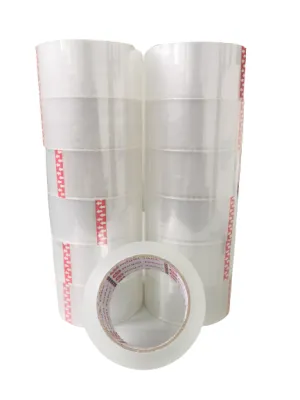
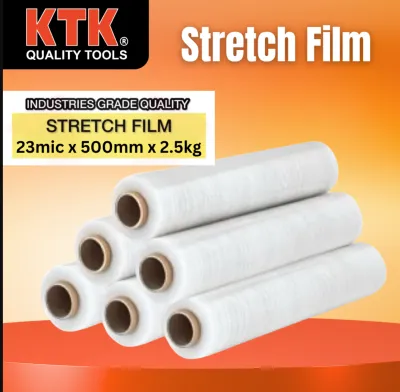
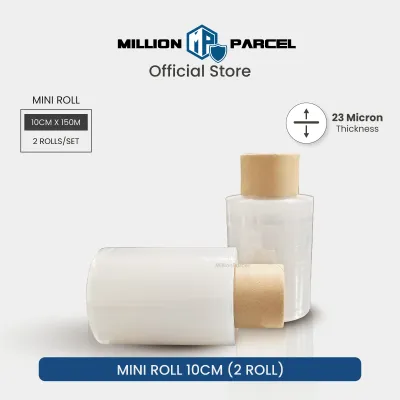
![[SG Stock] Stretch Film | Heavy Duty Shrink Wrap Packaging | Pallet Wrap | Cling Wrap | Furniture Wrap | 2.5/3kg](https://img.lazcdn.com/g/p/7c4636ed40f09d680825c6d01a74b8f8.png_400x400q80.png_.webp)
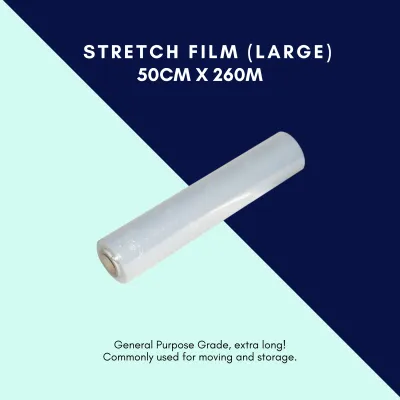
![🏅[CHEAPEST] Stretch Film/ Shrink Wrap / Cling Wrap /Pallet wrapping /Moving Supplies/pallet Wrap/Pallet wrapping](https://img.lazcdn.com/g/p/c69357eb04f4e35ac9ee2d124f108fda.jpg_400x400q80.jpg_.webp)
Prices are valid at publication and may change. Please refer to the product page for the latest price.
When evaluating stretch wrap rolls, your decision framework should center on three primary variables: load weight, package geometry, and your application method. Heavy or dense shipments require films with high tensile strength to prevent shifting, while lightweight items can be secured with thinner, high-yield films. Similarly, packages with uniform, flat sides are much easier to wrap than those with irregular shapes or protruding edges, which demand superior puncture resistance.
Your choice of application method also dictates the type of roll you need. Manual wrapping, where an operator walks around the package with a hand dispenser, requires rolls that are lightweight and easy to manage. Mechanical wrapping, which utilizes automated turntable machines, requires larger, heavier rolls designed to withstand the high-speed tension applied by mechanical pre-stretch carriages.
Ultimately, brand reliability in the packaging industry is defined by consistency. A reputable supplier ensures that every roll delivered matches the specified thickness, width, and length without variance. Rather than relying on subjective brand reviews, buyers should establish a systematic evaluation process based on physical testing and technical datasheets.
Essential Specifications to Check Before Buying
To make an informed purchasing decision, you must understand the technical specifications listed on product labels or supplier datasheets. These metrics directly influence how the film behaves under stress and whether it will successfully protect your packages during transit.

Film Thickness (Microns)
The thickness of stretch film is typically measured in microns (µm). This metric is the single most important indicator of a film’s puncture resistance and load containment capability. Thinner films, ranging from 10 to 15 microns, are highly flexible and cost-effective, making them ideal for lightweight, uniform parcels such as boxed books or office supplies. Medium-duty applications, such as standard shipping cartons, generally require films between 17 and 20 microns. For heavy, irregular, or sharp-edged loads, a heavy-duty film of 23 to 30 microns is necessary to prevent tearing and maintain structural integrity under high tension.
Stretch Yield and Memory
Stretch yield refers to the percentage by which a film can be elongated during application. High-quality industrial stretch wraps can achieve stretch yields of 150% to over 300%. As the film is stretched, it naturally wants to return to its original state; this elastic recovery is known as film memory. It is this continuous constrictive force that keeps your packages tightly bound. When evaluating a roll, look for a high stretch yield combined with strong memory, as this allows you to use less material per package while maintaining a secure hold.
Roll Width and Core Diameter
The physical dimensions of the roll must match your application tools. Standard hand-wrapping rolls typically come in widths of 450mm or 500mm, which provide adequate coverage for most shipping boxes without being too heavy for manual operation. The inner core diameter, usually 50mm or 76mm, must be compatible with your hand dispensers. Using a roll with an incompatible core size can lead to uneven tensioning, operator fatigue, and frequent film breakage.
Tack Level and Cling Configuration
Tack refers to the stickiness of the film, which allows it to cling to itself without adhering to the actual product being wrapped. Stretch films can be configured with one-sided cling (OSC) or two-sided cling (TSC). One-sided cling is highly beneficial for transit, as the non-cling outer surface prevents wrapped packages from sticking to adjacent boxes or pallet walls during transport. Two-sided cling provides maximum adhesion between layers, which is useful for securing highly irregular loads but can cause friction issues when packages are stacked tightly in a delivery vehicle.
Matching Wrap Types to Your Shipping Needs
Selecting the right plastic wrap roll requires matching the film’s characteristics to the specific nature of your shipments. Using a one-size-fits-all approach often leads to either over-packaging, which increases material costs, or under-packaging, which risks product damage.
Light-Duty Wraps for E-Commerce and Stationery
For standard e-commerce operations shipping uniform cardboard boxes, lightweight stationery items, or small electronics, a light-duty stretch wrap is highly efficient. These films are easy to apply by hand, require minimal physical effort to stretch, and provide excellent dust and moisture protection. Because these packages generally lack sharp corners and are relatively light, a lower-micron film (around 12 to 15 microns) provides sufficient containment without adding unnecessary weight or cost to your shipping fees.
Heavy-Duty and Pre-Stretched Films for Irregular Loads
When shipping heavy, bulky, or irregularly shaped items, standard light-duty films will quickly fail. Irregular loads create uneven stress points that can easily puncture thin plastic. For these scenarios, you should opt for heavy-duty films (23 microns and above) or pre-stretched films. Pre-stretched film is manufactured by pre-stretching the plastic close to its breaking point before winding it onto the roll. This means the operator does not need to exert significant physical force to achieve maximum tension during application. Pre-stretched wraps are highly stable, resist tearing on sharp corners, and significantly reduce operator fatigue.
Opaque versus Clear Films
The visual properties of your stretch wrap also serve functional purposes. Clear film is the industry standard, allowing warehouse staff and couriers to easily read shipping labels, scan barcodes, and inspect the contents of a package without unwrapping it. However, if you are shipping high-value items, confidential documents, or sensitive goods, opaque films (such as solid black or white wraps) are highly advantageous. Opaque wraps conceal the contents of the package, deterring theft and tampering during transit. Additionally, black opaque film provides UV protection for light-sensitive products stored in outdoor or brightly lit environments.
How to Source and Verify Local Packaging Suppliers
Because you cannot rely solely on brand names to guarantee quality, establishing a reliable sourcing and verification process with local suppliers in Singapore is essential. This ensures you receive consistent, high-performing materials that justify your investment.
Identifying Local Vendor Channels
Singapore has a robust ecosystem of packaging suppliers, ranging from large-scale industrial distributors to local office supply wholesalers and specialized e-commerce packaging stores. Industrial distributors are ideal for high-volume buyers seeking bulk discounts and detailed technical datasheets. For smaller businesses or home-based e-commerce sellers, local office supply wholesalers or online packaging merchants offer smaller minimum order quantities and convenient delivery options.
Requesting and Testing Samples
Before committing to a bulk purchase, always request sample rolls from prospective suppliers. Physical testing is the most reliable way to verify a film’s performance. To test a sample, wrap a standard test package with sharp corners and apply your typical tension. Observe how much the film stretches before tearing, how well it clings to itself, and whether it maintains its tension over a 24-hour period. If the film tears easily or loses its grip quickly, it is likely made from low-grade resins or lacks sufficient tack additives.
Verifying Roll Weight and Film Length
A common issue in the packaging industry is the variance between advertised roll specifications and actual delivered product. Some low-cost suppliers may wind less film onto a roll or use a heavier cardboard core to artificially inflate the roll’s total weight. To protect yourself from these hidden costs, use a simple verification formula. Weigh a new roll on a digital scale, then subtract the weight of the empty cardboard core (which you can measure after fully using a roll). By comparing the net weight of the plastic to the supplier’s technical specifications, you can verify if you are receiving the actual length of film you paid for.
Application Techniques for Secure Transit and Storage
Even the highest-quality plastic wrap roll will fail to protect your shipment if applied incorrectly. Proper application techniques maximize the film’s protective qualities, reduce material waste, and ensure your packages remain secure from the warehouse to the customer’s doorstep.
Tensioning and Overlapping Patterns
When wrapping a package, consistency is key. Start by securing the film to a sturdy part of the package, such as the base or a corner. As you wrap, maintain a steady, firm tension on the roll to activate the film’s elastic memory. Each layer of wrap should overlap the previous layer by at least 30% to 50%. This overlapping pattern creates a cohesive, multi-layered structure that distributes external forces evenly across the package. For palletized loads or heavy boxes, apply extra wraps at the base and top to prevent the load from shifting off its foundation during transit.
Utilizing Compatible Hand Dispensers
Wrapping packages manually without proper tools can lead to uneven tension, friction burns on the operator’s hands, and wasted material. Investing in a high-quality hand dispenser is highly recommended. Dispensers with adjustable brake systems allow you to control the tension of the film precisely, ensuring a tight wrap with minimal physical effort. Ergonomic designs also reduce wrist strain and operator fatigue, leading to more consistent packaging quality across your shipping department.
Ideal Storage Conditions for Roll Longevity
Unused plastic wrap rolls must be stored correctly to preserve their physical properties. Stretch film is sensitive to environmental conditions; prolonged exposure to direct sunlight or high temperatures can degrade the plastic resins, causing the film to become brittle and lose its cling. Store your rolls vertically in a cool, dry warehouse environment, away from direct heat sources and UV light. Additionally, keep the rolls in their original packaging or protective boxes to prevent dust and debris from settling on the edges, which can cause the film to tear prematurely during application.
Frequently Asked Questions (FAQ)
Can I use standard food-grade cling film for shipping packages?
Standard food-grade cling film is entirely unsuitable for securing shipping packages. Food wrap is typically made from low-density polyethylene (LDPE) or polyvinyl chloride (PVC) and is designed to be highly breathable and thin, usually measuring between 8 to 12 microns. It lacks the tensile strength, puncture resistance, and elastic memory required to withstand the rigors of transit. Attempting to use food wrap on shipping boxes will result in frequent tearing, shifting loads, and compromised package security. Industrial stretch wrap is specifically engineered with advanced polymers to provide the high containment force necessary for logistics.
How do I prevent the plastic wrap from tearing on sharp box corners?
Tearing on sharp corners is a common challenge when wrapping rigid or irregular items. To prevent this, you can place cardboard edge protectors or foam corner guards on the sharp edges of your boxes before wrapping. These accessories distribute the pressure of the film over a wider surface area, preventing localized punctures. Alternatively, you can adjust your wrapping technique by reducing the tension slightly as you pass over sharp corners, then increasing it along the flat sides. If tearing remains a persistent issue, upgrading to a higher-micron film or utilizing a pre-stretched film with superior puncture resistance will resolve the problem.
Community discussion
Share your experience or ask a question. Comments are reviewed before publication.