
Selecting a high-quality nylon craft brush requires looking beyond the price tag to evaluate the physical construction of the tool. A reliable nylon brush must feature resilient synthetic filaments that spring back into shape, a securely attached and rust-resistant ferrule, and an ergonomic handle that remains stable even in humid climates. Whether you are applying thick acrylics, spreading craft glue, or painting fine details on scale models, the structural integrity of your brush directly influences your control over the medium and the final finish of your project. By focusing on observable quality indicators, you can avoid common frustrations like shedding bristles, loose handles, and splayed tips that ruin delicate work.
Bristle Quality and Density
Nylon, a synthetic polyamide, is highly valued in arts and crafts for its durability, flexibility, and resistance to water. However, not all nylon filaments are manufactured to the same standard. When evaluating a brush, the first element to inspect is the tip of the bristles. High-quality nylon brushes often feature tapered filaments, where each individual hair narrows toward the point. This tapering allows for precise paint delivery and smooth strokes. In contrast, cheaper brushes may use blunt-cut filaments, which feel stiff and scratchy, leaving visible brush marks in your paint or glue.
Another critical distinction is between flagged and unflagged tips. Flagged nylon bristles have microscopic splits at the ends, which increase the surface area and allow the brush to hold more liquid. While excellent for applying broad washes of thin paint or varnish, flagged tips are less suitable for fine detail work where a sharp, clean line is required. For detailed crafting, look for unflagged, precisely tapered tips that come to a crisp point or edge.
Products mentioned in this guide
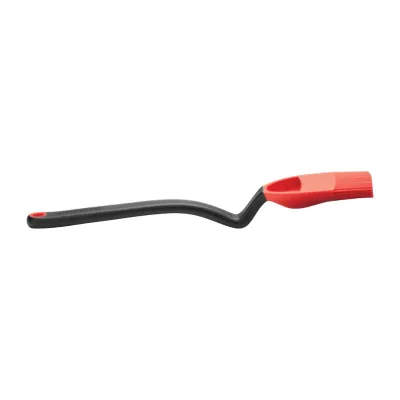
Prices are valid at publication and may change. Please refer to the product page for the latest price.
The “snap” or resilience of the bristles is a primary indicator of quality. To test this, gently press the dry brush tip against a flat surface or your finger to bend the bristles slightly, then release. A high-quality nylon brush will instantly spring back to its original shape. If the bristles remain bent, slow to recover, or splay outward, the nylon is of lower grade and will likely lose its shape quickly during use, making it difficult to control your strokes.
Density also plays a vital role in paint retention. A sparse brush head cannot hold sufficient medium, forcing you to constantly reload and leading to uneven application. To evaluate density, look at the brush head from the top down, near the ferrule. The bristles should be packed tightly together without visible gaps or empty spaces in the center of the bundle. High-density brushes provide a consistent flow of paint and offer better resistance against the drag of heavy-body mediums.
Ferrule Construction and Durability
The ferrule is the metal collar that connects the nylon bristles to the handle. It is often the most vulnerable part of a craft brush. A poorly constructed ferrule leads to shedding bristles, a wobbling brush head, and eventual rust, especially in humid environments like Singapore. When inspecting a brush, look for a seamless ferrule. Seamless ferrules are made from a single piece of metal, eliminating the joint where water can seep in. Seamed ferrules, which feature a visible line along the side, are more prone to splitting and trapping moisture, which degrades the adhesive inside.

The material of the ferrule determines its resistance to corrosion. Look for nickel-plated brass, copper, or anodized aluminum. Nickel-plated brass is highly regarded for its durability and rust resistance, making it an excellent choice for water-based crafting. Aluminum is lightweight but can bend easily if subjected to pressure. Avoid untreated steel or cheap iron alloys, which will quickly rust when exposed to water-based paints and cleaning routines.
Inspect how the ferrule is secured to the handle. High-quality brushes utilize a double-crimping or triple-crimping process, where mechanical indentations press the metal firmly into the wood or plastic handle. A secure crimp prevents the handle from wobbling during use. Additionally, check for any signs of glue seepage around the base of the bristles or the top of the handle. While adhesive is necessary to hold the bristle bundle inside the ferrule, visible excess glue indicates poor quality control and can make the bristles stiff near the collar, reducing their effective length and flexibility.
Handle Design and Comfort
The handle of a craft brush affects your leverage, balance, and hand fatigue during long crafting sessions. Handles are generally categorized into short and long varieties. Short handles, typically measuring between 12 to 18 centimeters, are designed for close-up work where your hand is positioned near the working surface. This is the standard choice for table crafting, miniature painting, detailing, and paint-by-numbers. Long handles, often exceeding 20 centimeters, are meant for easel painting or working on large canvases, allowing you to stand back and view the entire composition. For most tabletop crafts, a short handle offers superior control and reduces the risk of accidentally bumping into your work.
Ergonomics play a significant role in preventing hand strain. Traditional round handles are versatile but can cause cramping during extended use. Some modern craft brushes feature triangular profiles, which naturally fit the contours of your fingers and prevent the brush from rolling off your worktable. Flat or contoured handles can also provide a more secure grip, especially when applying pressure with thicker mediums.
The finish of the handle is equally important. Wooden handles should be sealed with a smooth, thick lacquer or varnish. In Singapore’s tropical climate, high humidity can cause unsealed or poorly sealed wood to absorb moisture from the air or during washing. This absorption causes the wood to swell and contract, eventually cracking the paint finish and loosening the ferrule. Plastic or acrylic handles are completely impervious to water damage and swelling, making them a highly durable alternative for heavy-duty crafting and frequent washing, though some crafters prefer the traditional weight and balance of lacquered hardwood.
Matching the Brush to Your Craft Medium
Nylon brushes are incredibly versatile, but their performance depends on matching the stiffness and style of the synthetic fibers to your specific craft medium. Nylon filaments can be engineered to range from very soft to highly rigid.
For heavy-body acrylic paints, texture pastes, and thick craft glues (such as PVA or decoupage medium), you require a stiff, springy nylon brush. The rigidity of the bristles allows you to push and sculpt thick mediums across your surface without the brush head collapsing under the weight. A stiff brush also helps spread viscous adhesives evenly, preventing pooling.
Conversely, if you are working with fluid mediums like watercolors, alcohol inks, gouache, or delicate model paints, you should opt for softer, finer synthetic nylon. These brushes are designed to mimic natural hair, offering excellent water-holding capacity and a gentle touch that does not disturb underlying layers of paint. Look for blends labeled as “soft synthetic” or “synthetic sable,” which combine the durability of nylon with the delicate performance required for fluid art.
Chemical resistance is another critical factor to verify. While nylon is highly resistant to water-based products, it can be vulnerable to strong organic solvents. If your craft involves solvent-based varnishes, epoxy resins, or oil-based paints that require mineral spirits or turpentine for cleanup, standard nylon bristles may swell, curl, or lose their structural integrity over time. For these applications, verify the manufacturer’s guidelines to ensure the synthetic fibers are rated for solvent exposure, or consider dedicated solvent-resistant synthetic brushes to avoid ruining your tools.
In-Store and Online Inspection Checklist
When shopping in a physical stationery or craft store, you have the advantage of tactile inspection. Start with a visual alignment check: hold the brush up to the light to ensure the bristles form a clean, symmetrical shape without stray hairs sticking out at odd angles. Gently run your thumb across the tip of the dry brush to test its flexibility and observe how quickly it snaps back. Give the ferrule a very gentle tug to ensure there is no play or rattling between the metal, the handle, and the bristle bundle.
When purchasing online through local e-commerce platforms or specialty stationery websites, you must rely on detailed product specifications and user feedback. Look for listings that explicitly state the filament type (such as “tapered nylon” or “synthetic filament”), the ferrule material (such as “nickel-plated brass”), and the handle material and length. Avoid listings with vague descriptions like “synthetic brush” without further details. While budget brushes may cost under S$2, investing in a mid-range option around S$5 to S$10 often yields significantly better durability.
User reviews are an invaluable resource for identifying long-term durability issues. Search the feedback specifically for recurring mentions of “shedding,” “splaying,” or “loose handles.” A high-quality brush may occasionally lose a single hair during its first use, but persistent complaints about bristles falling out into the paint indicate poor adhesive quality. Similarly, if multiple reviews note that the brush lost its shape after a single washing session, it is a clear sign of low-grade nylon that cannot withstand standard craft use.
Frequently Asked Questions (FAQ)
How do I restore a nylon brush that has lost its shape?
Over time, nylon bristles can become bent or splayed due to improper storage or dried paint buildup. To restore them, first ensure all dried paint is thoroughly removed using a mild brush soap or a specialized synthetic brush cleaner. Once clean, you can reshape the damp bristles using your fingers, drawing them into a sharp point or flat edge. For stubborn bends, dip the bristles into warm (but not boiling) water for a few seconds. The heat relaxes the nylon fibers, allowing them to return to their original extruded shape. Immediately reshape the tip and let the brush air dry horizontally on a flat surface or hanging bristles-down to prevent water from pooling inside the ferrule.
Are nylon brushes suitable for all types of craft paints?
Nylon brushes are exceptionally well-suited for water-based craft paints, including acrylics, tempera, gouache, and water-soluble glues. Their synthetic nature means they do not absorb water and become floppy, unlike natural hair brushes. However, they are not universally compatible with all mediums. Strong solvents, acetone, and certain oil-based finishes can degrade nylon, causing the filaments to soften, curl, or even melt. Always check the manufacturer’s chemical compatibility guidelines before using nylon brushes with heavy solvents, and dedicate specific brushes for solvent-based work to prolong the life of your primary craft tools.
Community discussion
Share your experience or ask a question. Comments are reviewed before publication.